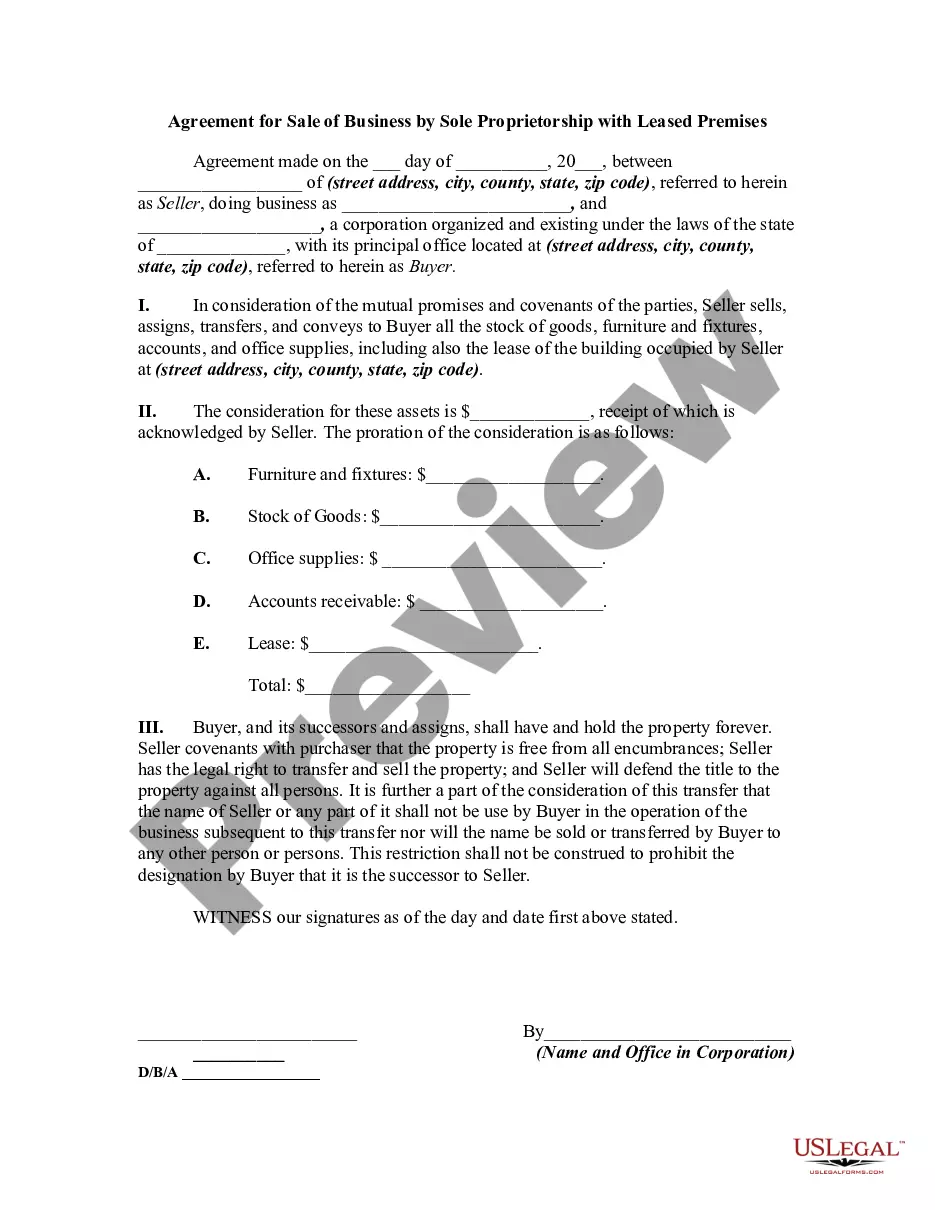
Sole Proprietorship With Investors
Description

Get your form ready online
Our built-in tools help you complete, sign, share, and store your documents in one place.
Make edits, fill in missing information, and update formatting in US Legal Forms—just like you would in MS Word.
Download a copy, print it, send it by email, or mail it via USPS—whatever works best for your next step.
Sign and collect signatures with our SignNow integration. Send to multiple recipients, set reminders, and more. Go Premium to unlock E-Sign.
If this form requires notarization, complete it online through a secure video call—no need to meet a notary in person or wait for an appointment.
We protect your documents and personal data by following strict security and privacy standards.

Make edits, fill in missing information, and update formatting in US Legal Forms—just like you would in MS Word.

Download a copy, print it, send it by email, or mail it via USPS—whatever works best for your next step.

Sign and collect signatures with our SignNow integration. Send to multiple recipients, set reminders, and more. Go Premium to unlock E-Sign.

If this form requires notarization, complete it online through a secure video call—no need to meet a notary in person or wait for an appointment.

We protect your documents and personal data by following strict security and privacy standards.
Looking for another form?


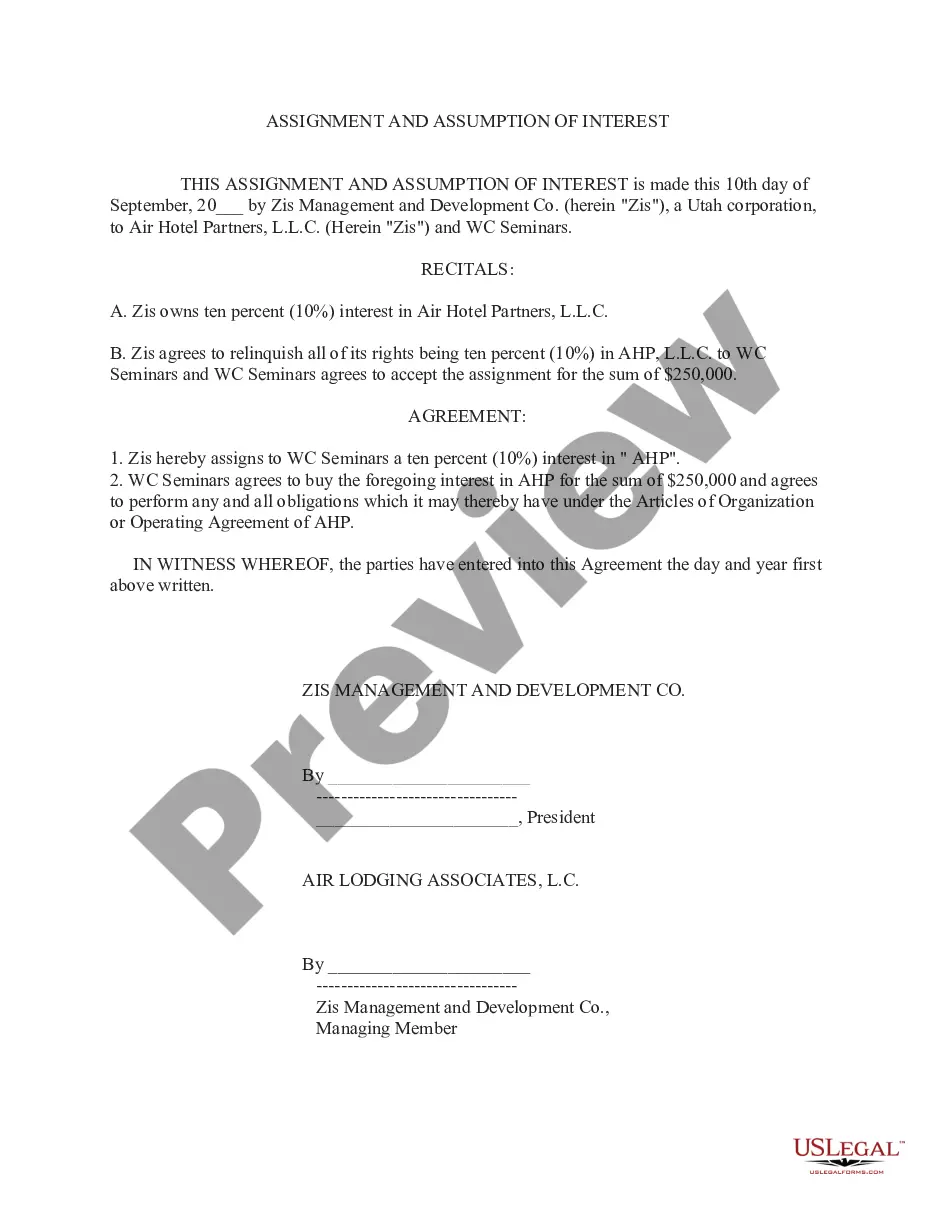





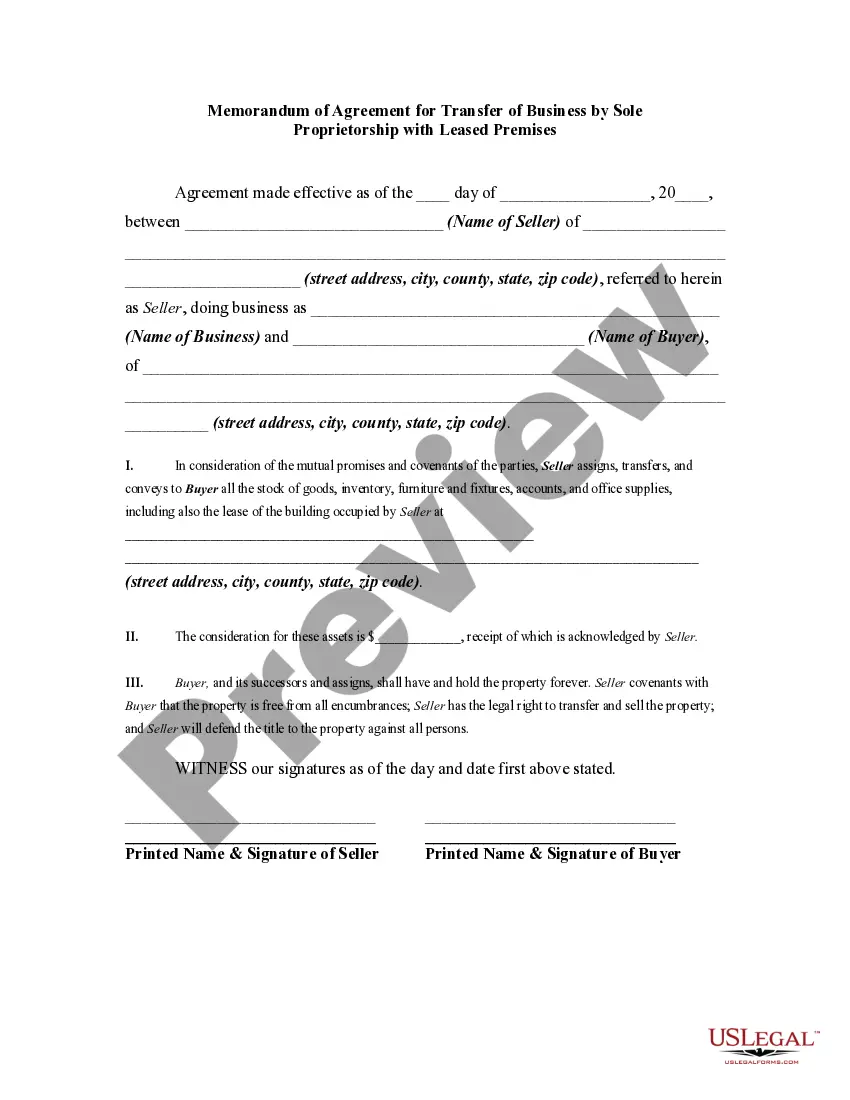
How to fill out Agreement For Sale Of Business By Sole Proprietorship With Leased Premises?
- If you're a returning user, log in to your account and download the required form template directly by clicking the Download button. Ensure your subscription is current; renew it if necessary.
- For first-time users, start by checking the Preview mode and relevant form descriptions. Make sure you select the form that fits your needs and aligns with local jurisdiction requirements.
- If the form doesn’t meet your needs, utilize the Search tab to find alternative templates that suit your situation.
- Once you've found the appropriate document, click the Buy Now button, choose your desired subscription plan, and register for an account to access the full library.
- Complete your purchase by entering your credit card information or using your PayPal account.
- After payment, download the form to your device, and you can always find it later in the My Forms section of your account.
Utilizing US Legal Forms allows users to quickly and efficiently execute legal documents, ultimately enhancing your business's operational readiness.
Don't wait to access the resources you need. Get started today with US Legal Forms and ensure your sole proprietorship is set up correctly!
Form popularity
FAQ
To add someone to your sole proprietorship, you typically need to create a formal agreement that outlines each person's role and responsibilities. It's essential to clarify how profits and losses will be shared to avoid misunderstandings. While a sole proprietorship with investors may still function under your name, establishing clear terms is key. Additionally, utilizing resources like US Legal Forms can help you draft the necessary documents to formalize this arrangement seamlessly.
In a sole proprietorship, you cannot have shareholders since this business structure is owned and operated by a single individual. However, if you are considering bringing in investors, you might want to explore a different structure such as a partnership or corporation. With a sole proprietorship with investors, you can still seek funding without officially classifying them as shareholders. This allows you to maintain control while enjoying the benefits of additional capital.
No, a sole proprietorship cannot have two owners. It is structured to give one person full authority over the business. If you need to collaborate with others or bring in investors, it's wise to look into restructuring your business as a partnership or LLC. This change will allow you to maintain your entrepreneurial spirit while welcoming additional contributions from partners or investors.
A sole proprietorship is designed for a single owner. This structure allows for complete control over business decisions and profits, which can be very appealing for entrepreneurs. But, if you plan to engage investors or share ownership, consider shifting to a different structure that accommodates such arrangements. Utilizing platforms like uslegalforms can guide you through the necessary steps to make this transition seamless.
A sole proprietorship, by definition, has only one owner. However, if you want to include partners or investors, you should consider transitioning to a different business structure. This allows you to jointly share ownership and responsibilities without sacrificing the advantages of having a dedicated team. If you're looking to manage investors while enjoying operational flexibility, exploring an LLC or partnership might be the perfect option.
A sole proprietorship does not issue shares like a corporation. In this business structure, the sole owner retains full control and ownership of the company. However, if you're considering bringing investors on board, it may make sense to explore transforming your sole proprietorship into a different entity, such as an LLC or corporation. This way, you can share equity while maintaining the benefits of having investors join your enterprise.
Yes, non-profits can engage investors, often in the form of donations or grants. While a non-profit may operate differently than a sole proprietorship with investors, both strive for similar goals of financial support. It's vital to establish transparency and clarity regarding the use of funds to maintain trust and support from contributors.
Absolutely, individuals can invest in a sole trader. When considering a sole proprietorship with investors, keep in mind that these investments can provide the capital needed for growth. As long as both parties agree on the terms, the sole trader benefits from additional resources without changing their business structure.
A sole proprietorship can indeed have an investor. In this arrangement, the investor can provide financial support while the proprietor maintains full control over business operations. However, integrating investors requires clear communication and careful management of the business’s obligations.
Operating as a sole proprietorship with investors comes with disadvantages. One key drawback is the unlimited liability, meaning personal assets are at risk if the business incurs debt. Additionally, raising capital can be harder since you're often limited to personal funds and a few investors, potentially restricting business growth opportunities.