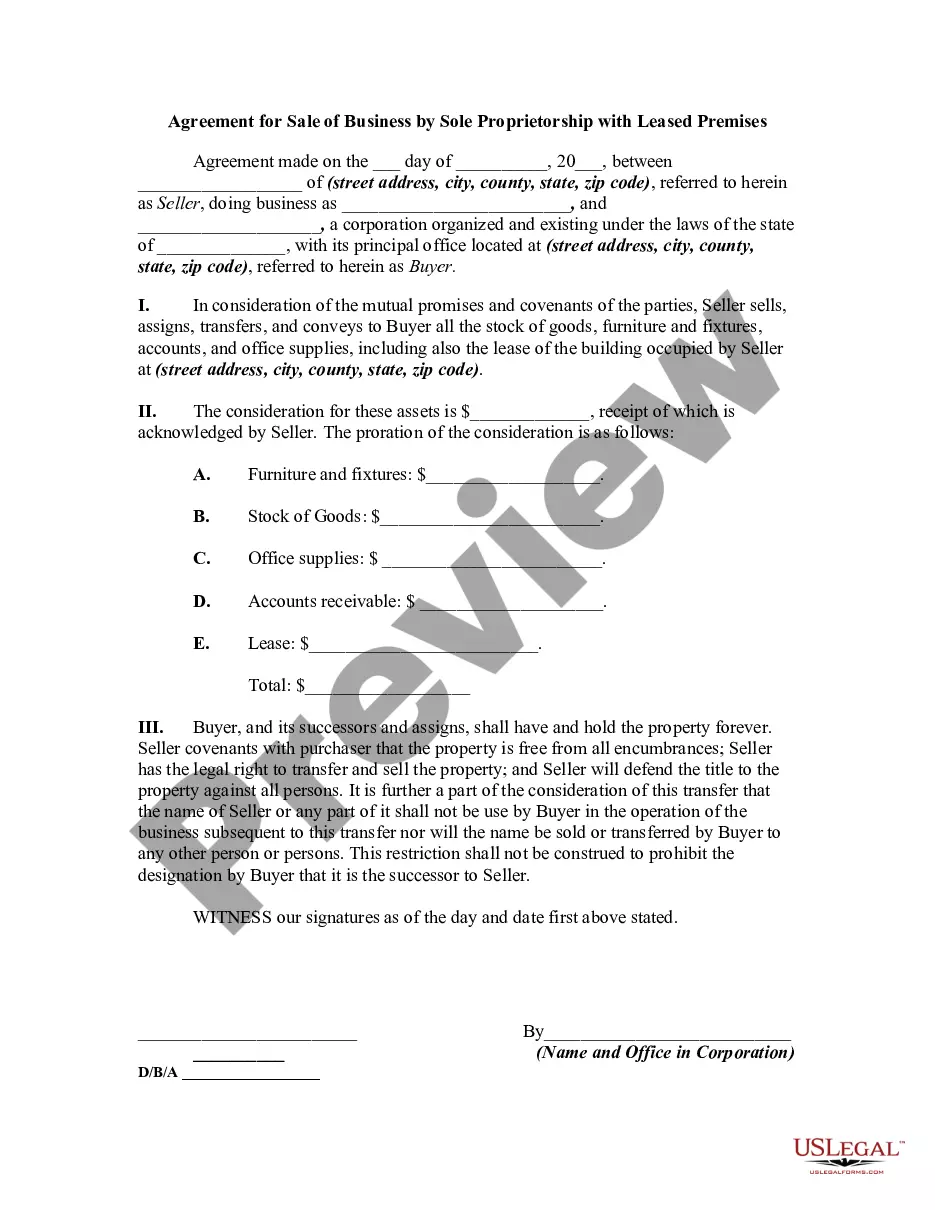
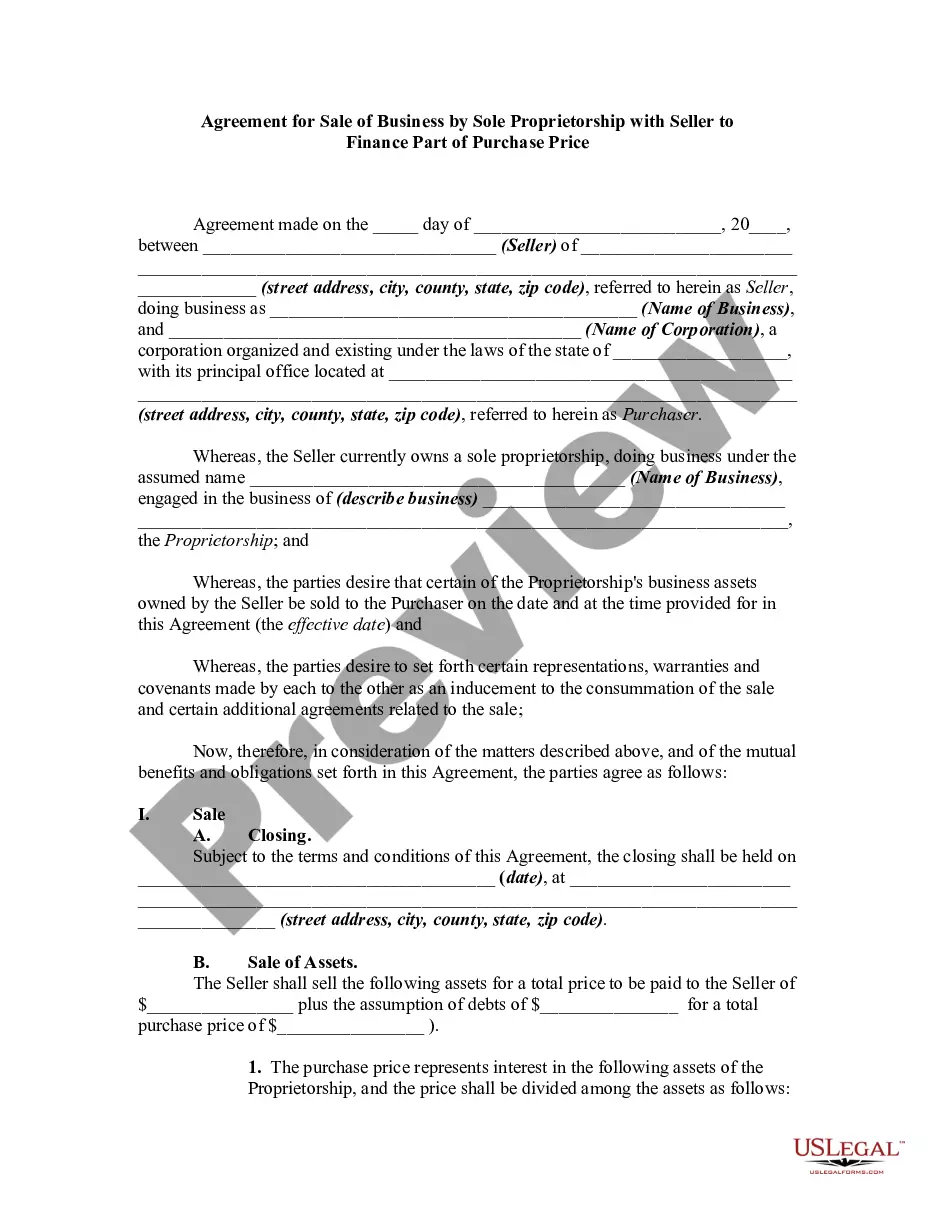
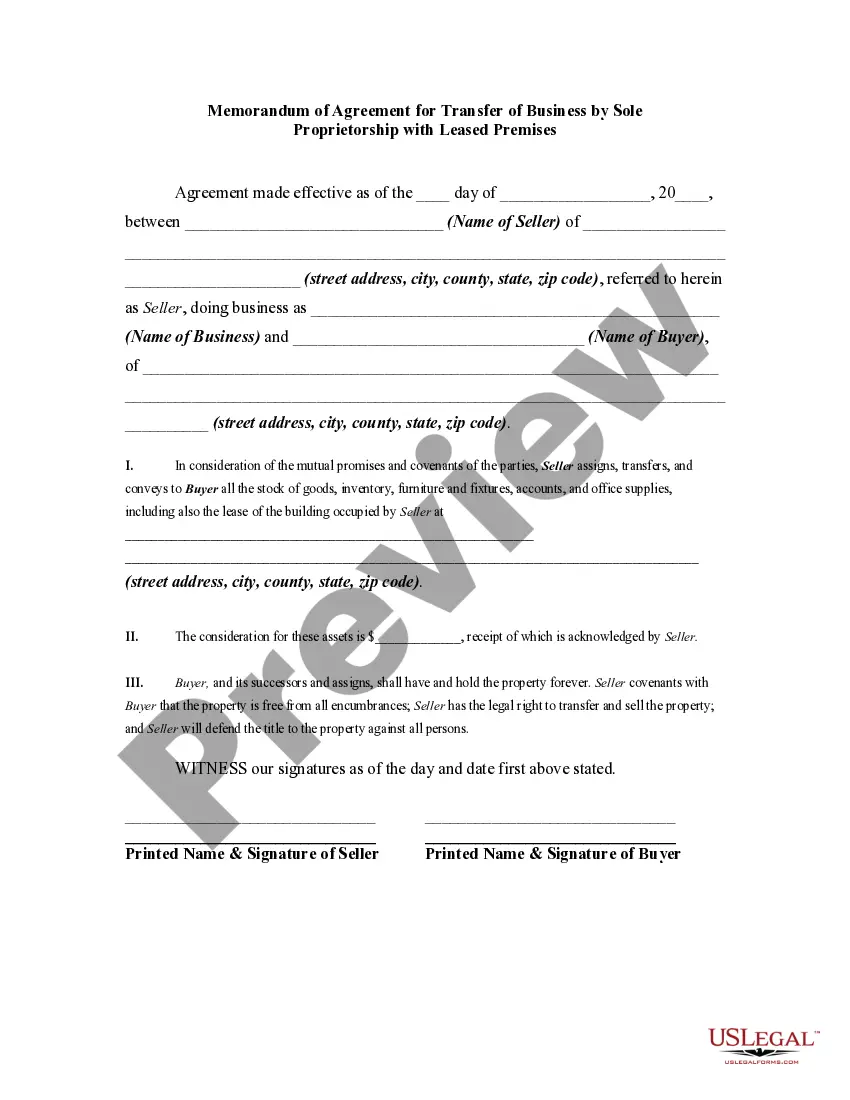
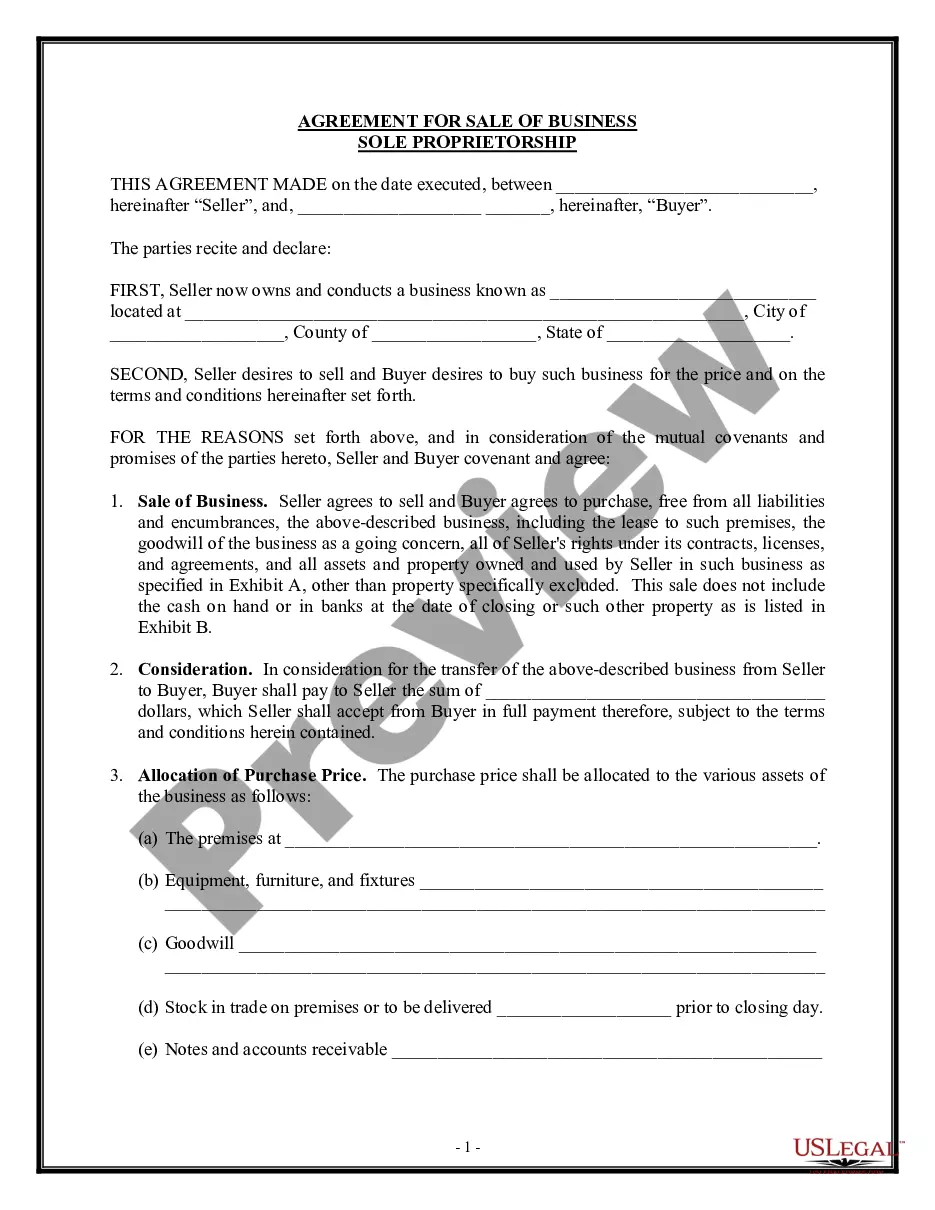
Sole Proprietor Form E
Description
Get your form ready online
Our built-in tools help you complete, sign, share, and store your documents in one place.
Make edits, fill in missing information, and update formatting in US Legal Forms—just like you would in MS Word.
Download a copy, print it, send it by email, or mail it via USPS—whatever works best for your next step.
Sign and collect signatures with our SignNow integration. Send to multiple recipients, set reminders, and more. Go Premium to unlock E-Sign.
If this form requires notarization, complete it online through a secure video call—no need to meet a notary in person or wait for an appointment.
We protect your documents and personal data by following strict security and privacy standards.

Make edits, fill in missing information, and update formatting in US Legal Forms—just like you would in MS Word.

Download a copy, print it, send it by email, or mail it via USPS—whatever works best for your next step.

Sign and collect signatures with our SignNow integration. Send to multiple recipients, set reminders, and more. Go Premium to unlock E-Sign.

If this form requires notarization, complete it online through a secure video call—no need to meet a notary in person or wait for an appointment.

We protect your documents and personal data by following strict security and privacy standards.
Looking for another form?

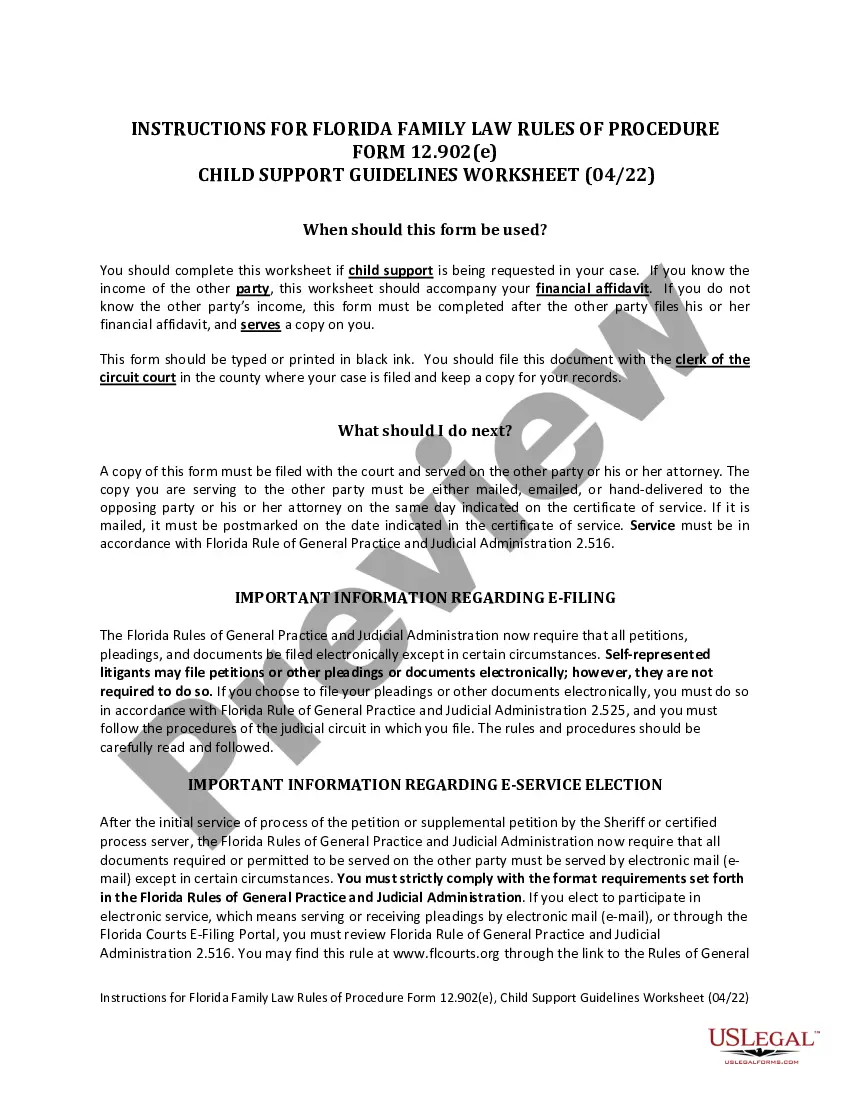





How to fill out Agreement For Sale Of Business By Sole Proprietorship With Leased Premises?
Engaging with legal paperwork and processes can be a lengthy addition to your whole day.
Sole Proprietor Form E and similar documents usually necessitate that you search for them and comprehend how to fill them out effectively.
Consequently, if you are managing financial, legal, or personal affairs, utilizing a comprehensive and user-friendly online library of forms at your disposal will be greatly beneficial.
US Legal Forms is the leading online platform for legal documents, offering over 85,000 state-specific forms along with various tools to assist you in completing your paperwork rapidly.
Is this your first time utilizing US Legal Forms? Register and create your account in a matter of minutes, granting you access to the form library and Sole Proprietor Form E. Then, follow the outlined steps below to complete your form.
- Browse the collection of pertinent documents accessible to you with just one click.
- US Legal Forms provides you with state- and county-specific forms that you can download anytime.
- Protect your document management processes with a premium service that enables you to prepare any form in minutes without additional or unforeseen costs.
- Simply Log In to your account, locate Sole Proprietor Form E, and obtain it instantly within the My documents section.
- You can also review forms that you have previously downloaded.
Form popularity
FAQ
To change your NPI to reflect sole proprietor status, you need to update your information through the NPI registry. This process typically involves providing your current details and indicating your desired entity type. It ensures that your records are accurate and align with your business structure. Using the sole proprietor form E during this transition can make the update process smoother.
When filling out the NPI application, identifying as a sole proprietor indicates that you are the sole owner of your healthcare practice. This status affects how you register and bill for services provided. Correctly selecting this classification helps ensure accurate processing and proper identification in the healthcare system.
A physician assistant can operate as a sole proprietorship if they provide services independently. This means they would be running their practice without forming a separate legal entity. However, many physician assistants work under the supervision of a physician, which may influence their structure. If you are considering this path, understanding the sole proprietor form E is essential for compliant practice.
The NPI entity type reflects your business structure in the National Provider Identifier system. It identifies whether you are an individual provider or a group practice. For sole proprietors, the entity type is crucial for proper registration and billing. Choosing the correct NPI entity type can enhance your visibility and improve patient interactions.
A sole proprietorship in healthcare refers to a business structure where an individual provides medical services without incorporating. This setup allows healthcare professionals to operate independently, retain full control of their practice, and report income on their personal tax returns. Many practitioners prefer this format for its simplicity and direct client relationships.
When you operate as a sole proprietor, you generally need to file a Schedule C with your personal tax return. This form reports your business income and expenses. Additionally, you may also need to fill out a Schedule SE to calculate self-employment tax. Using a sole proprietor form E can streamline your tax filing process and ensure you comply with regulations.
Regulation E primarily governs electronic fund transfers for consumers, and it applies broadly across various business types, including sole proprietors. If your business involves electronic payments, you must comply with Reg E rules. This ensures that consumers have protection and rights when using electronic payment methods. You might find that a Sole proprietor form e can assist you in navigating these regulations.
To file your taxes as a sole proprietor, complete your Schedule C to report profits or losses from your business. Next, you'll need to include this information in your Form 1040. Make sure to also calculate your self-employment tax using Schedule SE. Consider using a Sole proprietor form e to facilitate the filing process and meet all requirements.
Schedule E is a tax form used by sole proprietors to report income or loss from rental real estate, partnerships, S corporations, and other sources. It's a critical component of your overall tax return, offering clarity on your business's financial performance. If your business activities involve passive income, you'll likely need to file this schedule. Utilizing a Sole proprietor form e can enhance your understanding of how this fits into your overall tax strategy.
As a sole proprietor, it's wise to set aside around 25% to 30% of your net income for taxes. This amount helps account for both income tax and self-employment tax, providing a buffer for your tax obligations. Setting aside this percentage ensures you are prepared when tax time arrives. Consider using the Sole proprietor form e to plan your finances accurately.