Inter Living Trusts For Dummies
Description
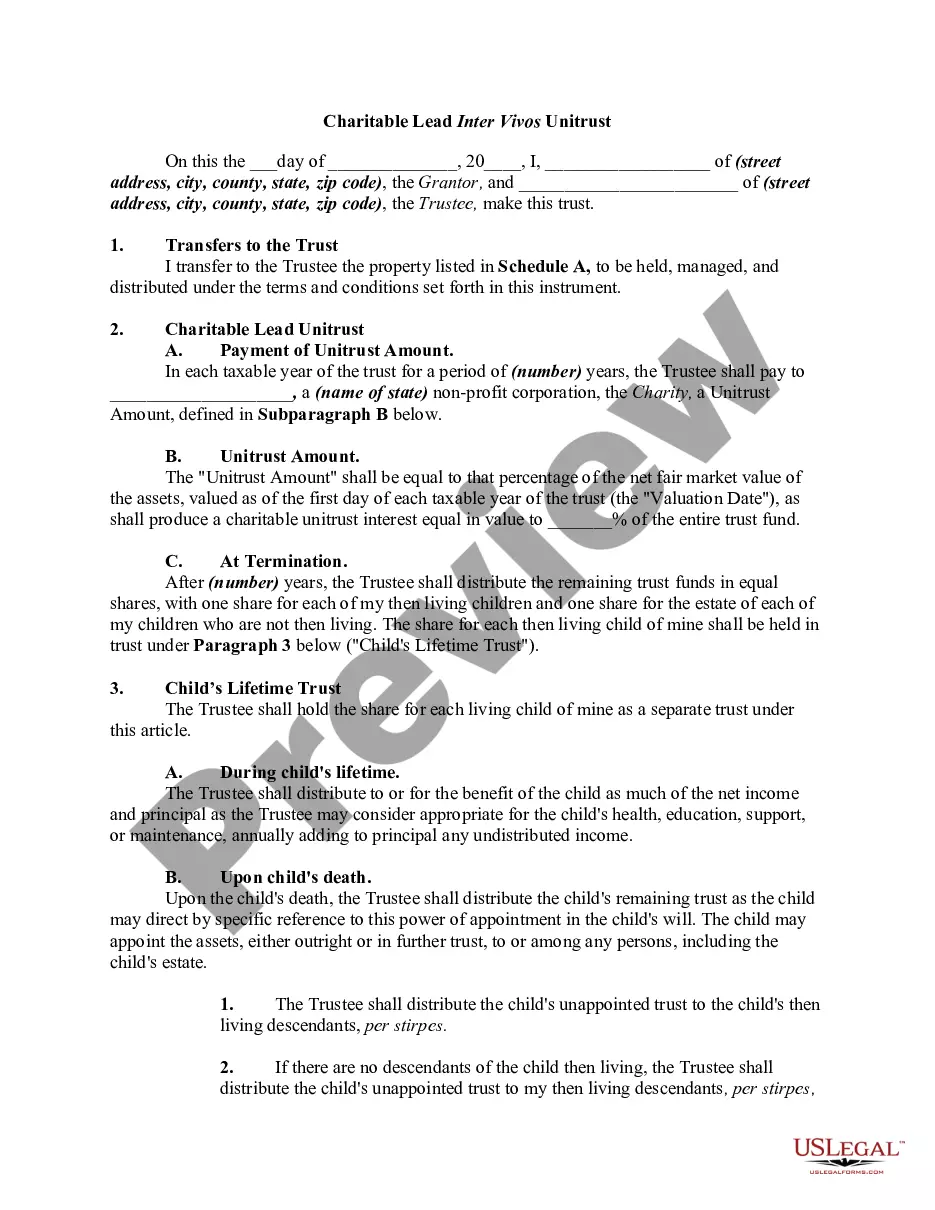
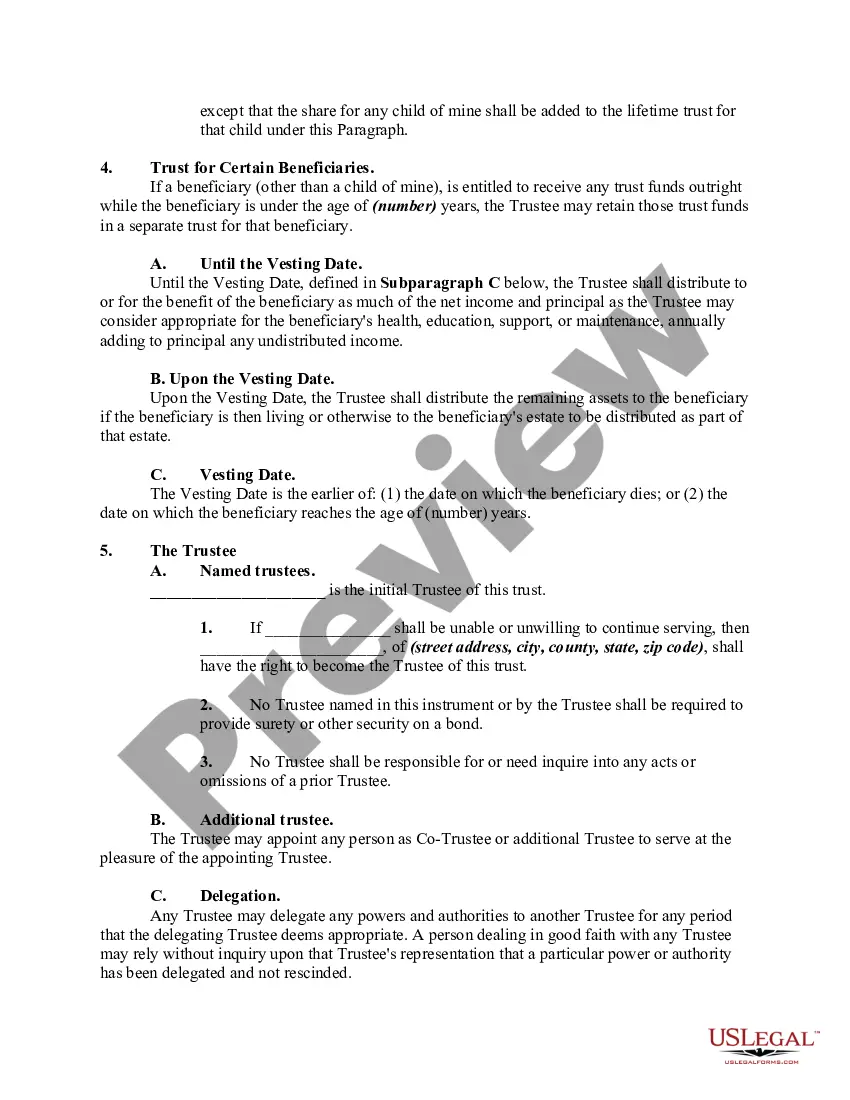
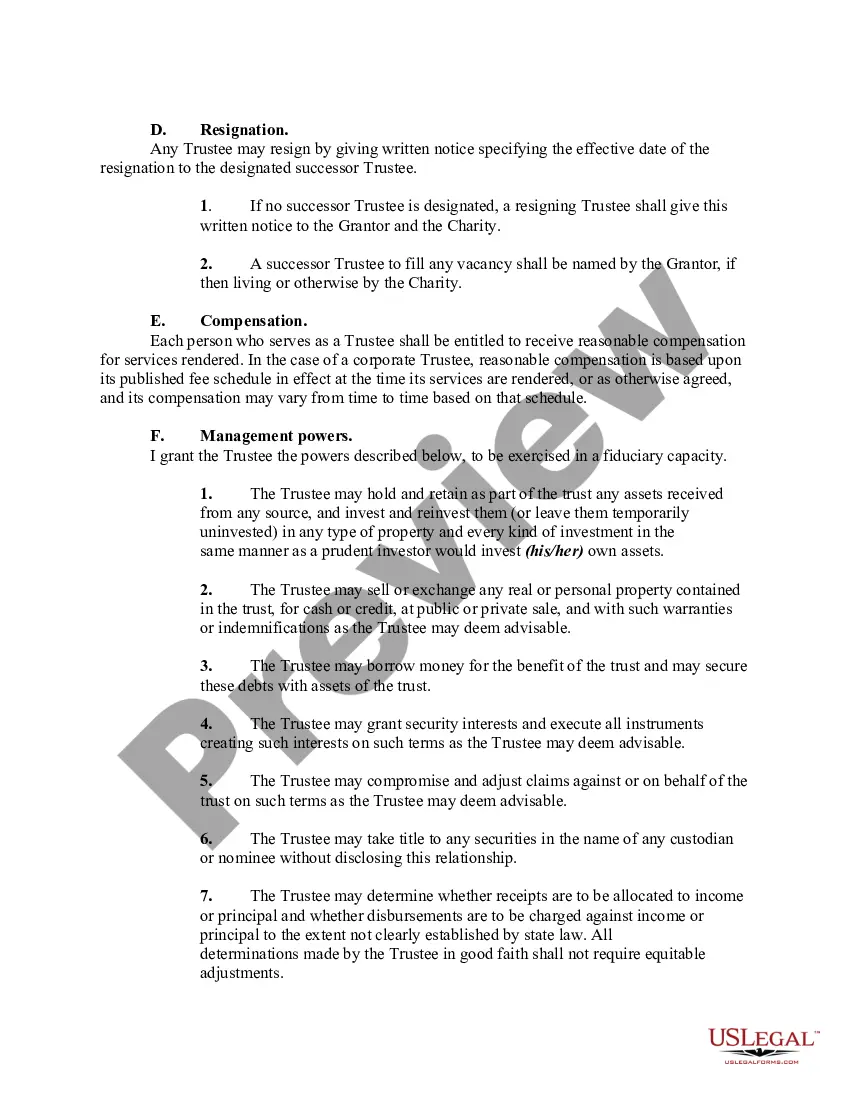
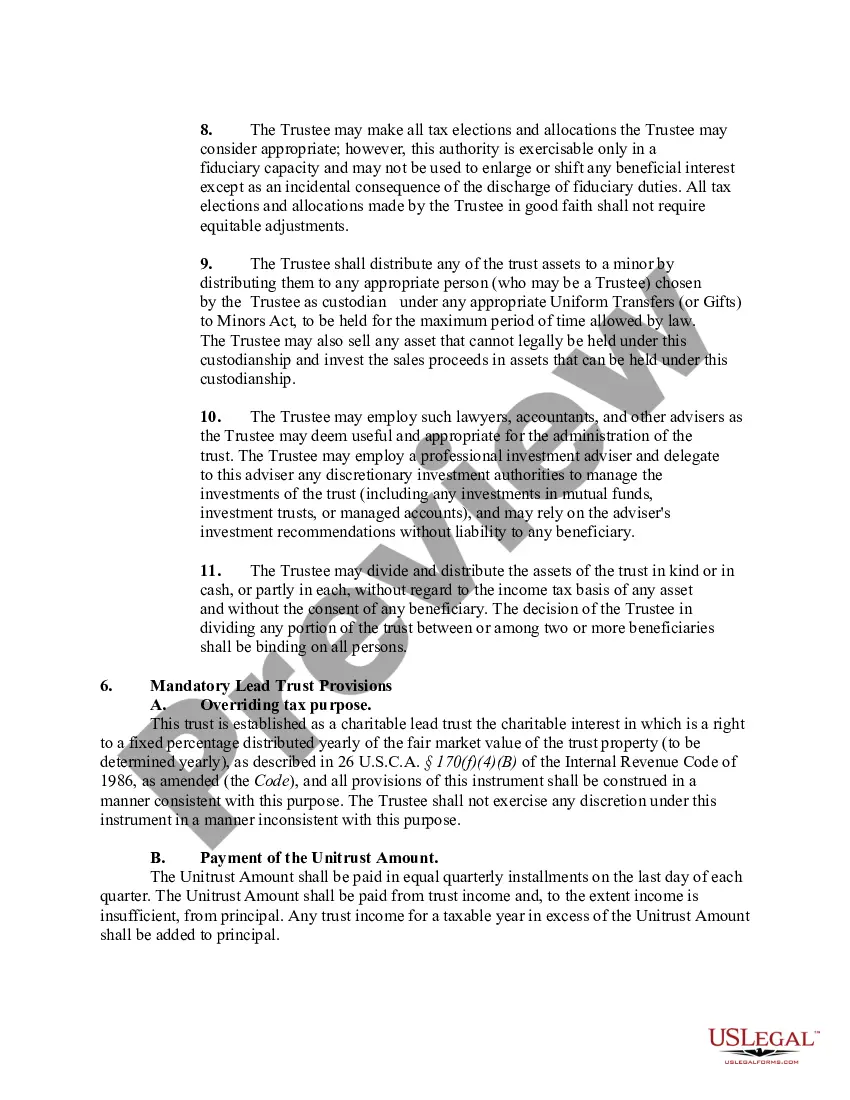
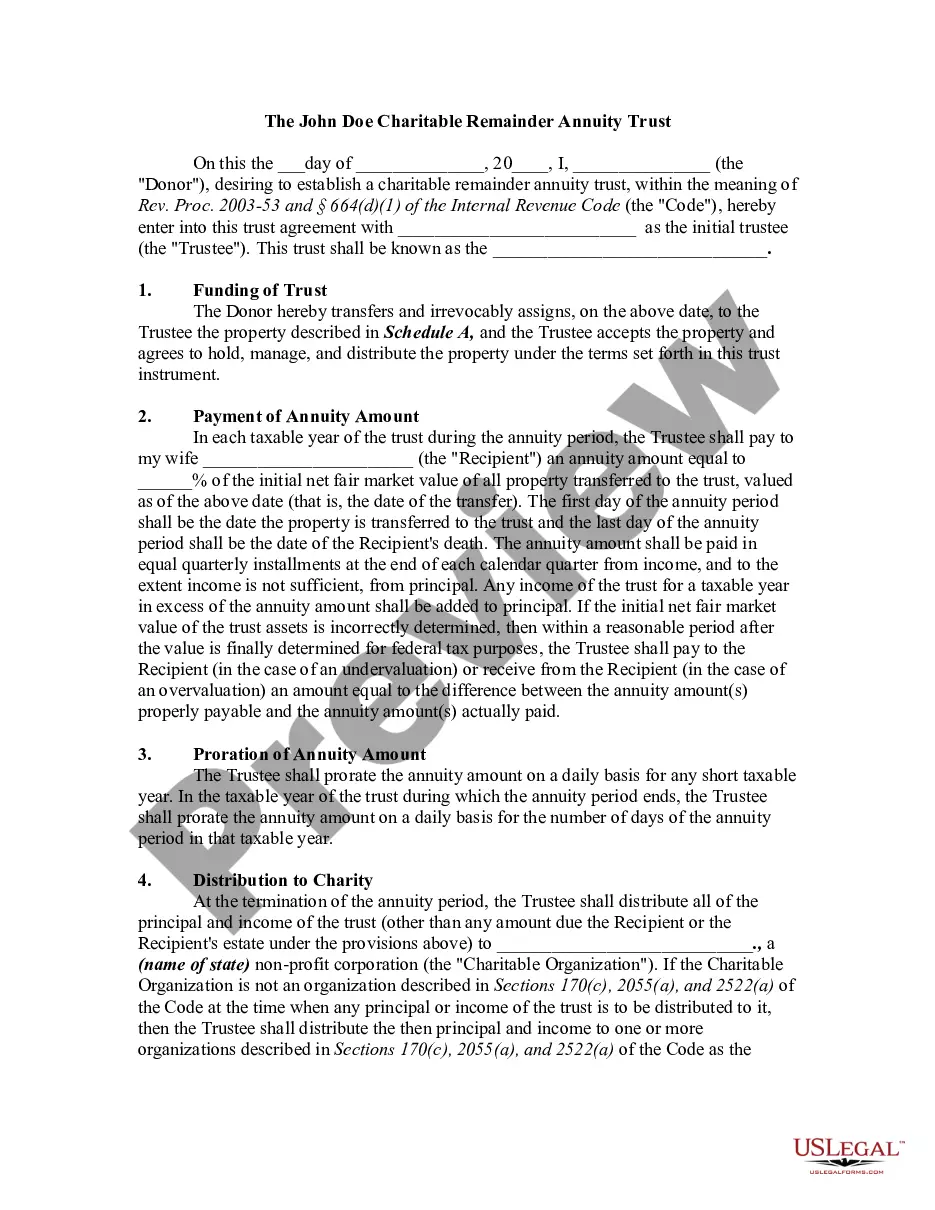
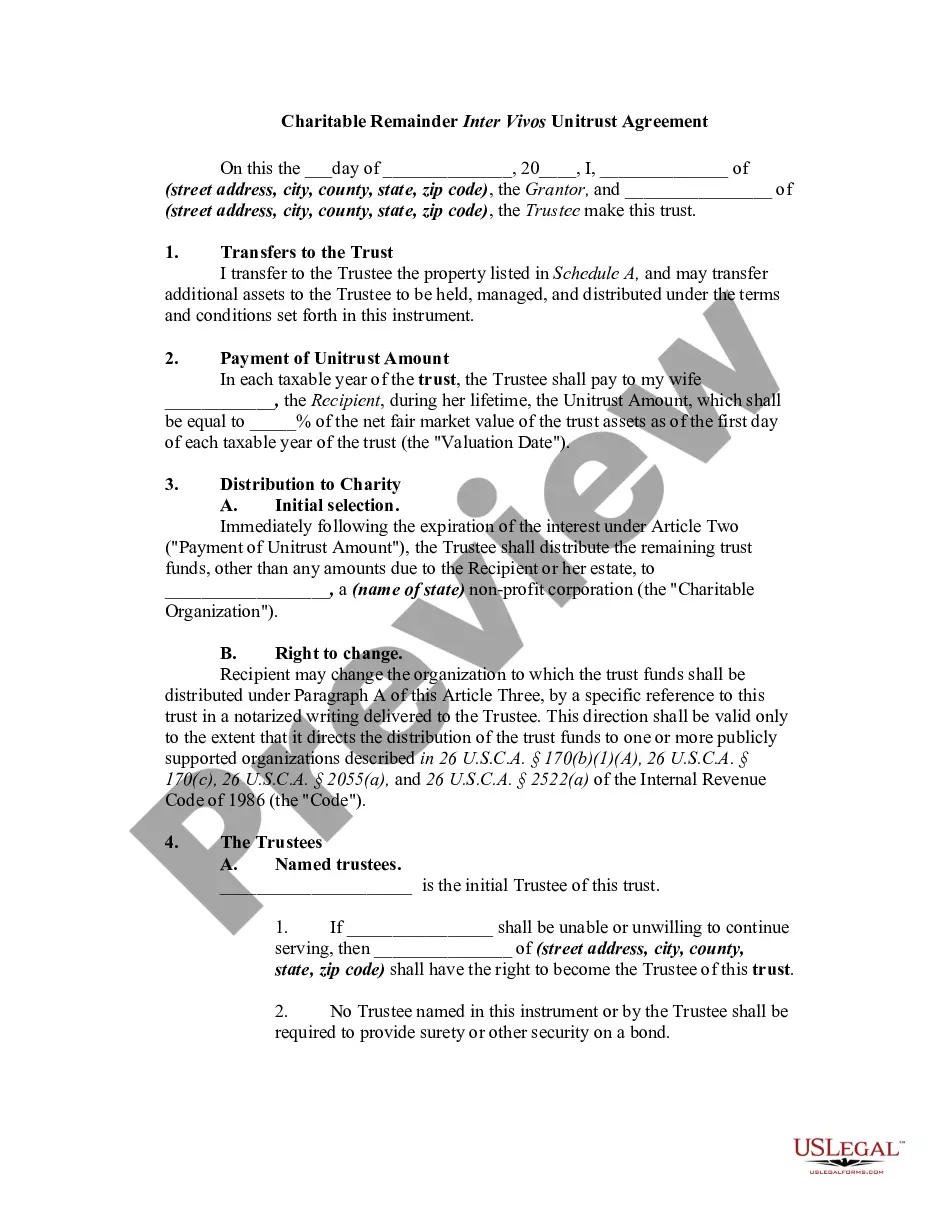
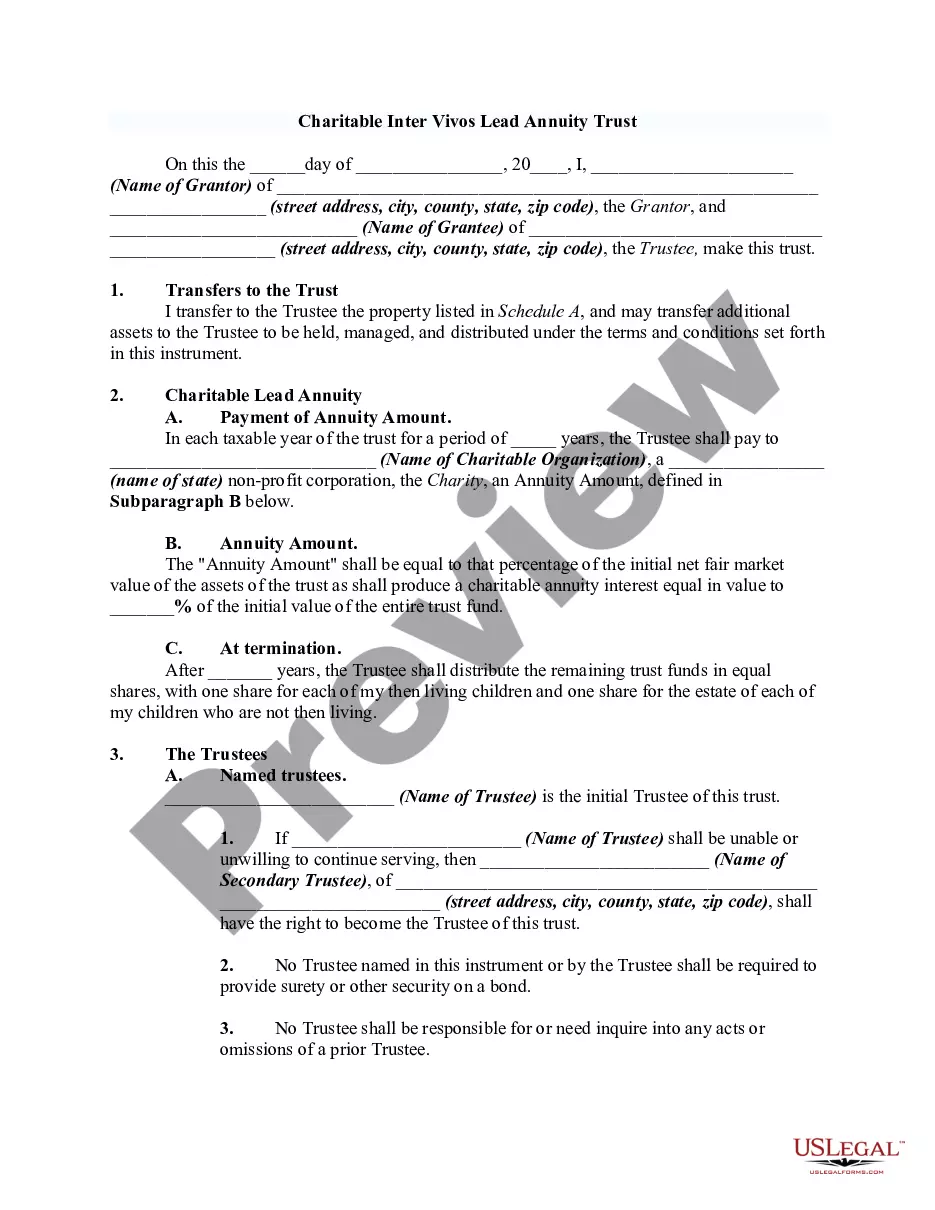
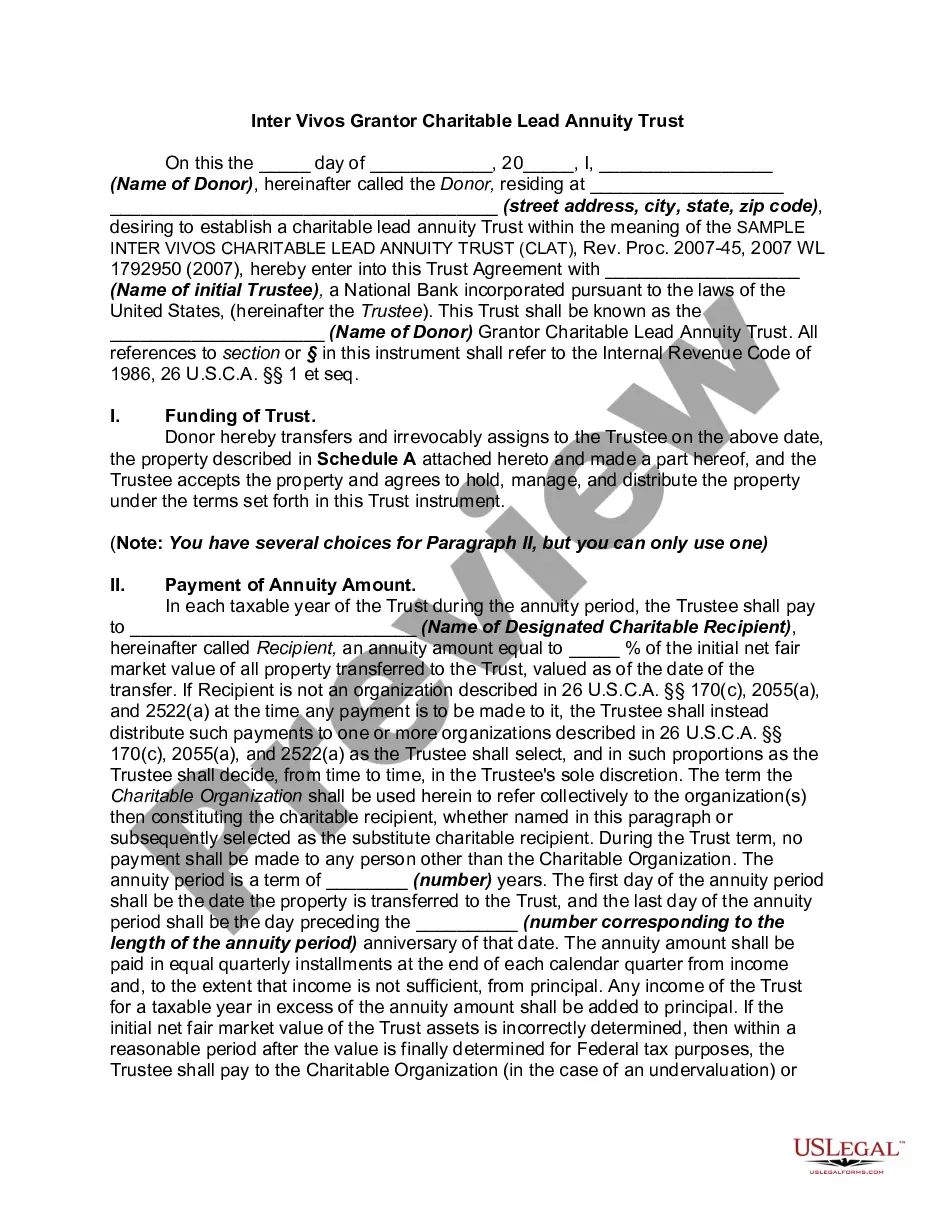
Get your form ready online
Our built-in tools help you complete, sign, share, and store your documents in one place.
Make edits, fill in missing information, and update formatting in US Legal Forms—just like you would in MS Word.
Download a copy, print it, send it by email, or mail it via USPS—whatever works best for your next step.
Sign and collect signatures with our SignNow integration. Send to multiple recipients, set reminders, and more. Go Premium to unlock E-Sign.
If this form requires notarization, complete it online through a secure video call—no need to meet a notary in person or wait for an appointment.
We protect your documents and personal data by following strict security and privacy standards.

Make edits, fill in missing information, and update formatting in US Legal Forms—just like you would in MS Word.

Download a copy, print it, send it by email, or mail it via USPS—whatever works best for your next step.

Sign and collect signatures with our SignNow integration. Send to multiple recipients, set reminders, and more. Go Premium to unlock E-Sign.

If this form requires notarization, complete it online through a secure video call—no need to meet a notary in person or wait for an appointment.

We protect your documents and personal data by following strict security and privacy standards.
Looking for another form?





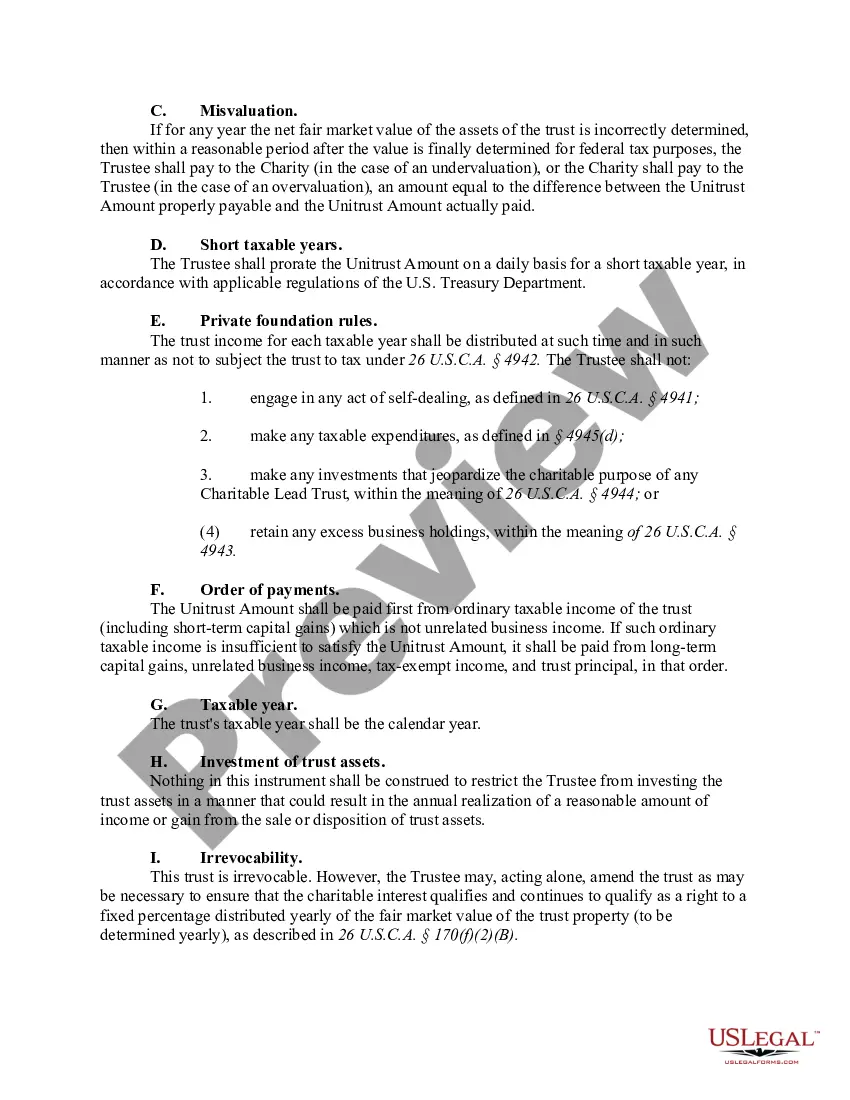
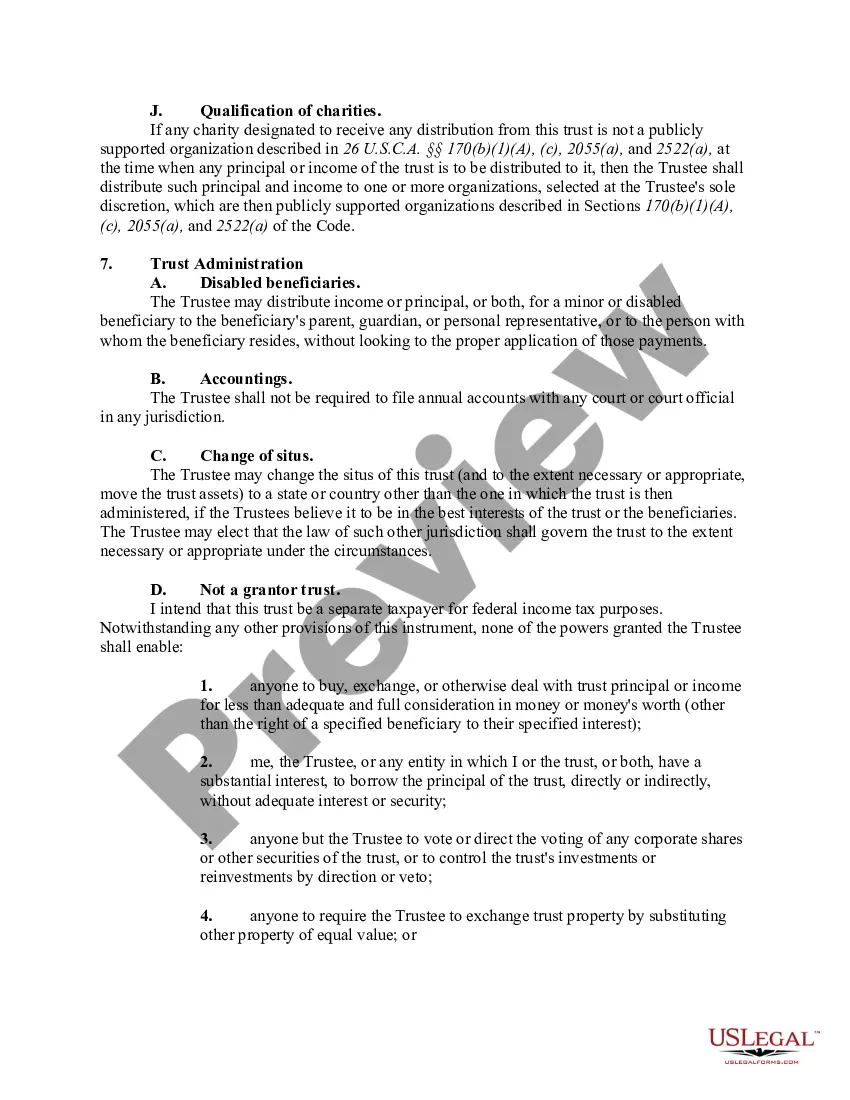
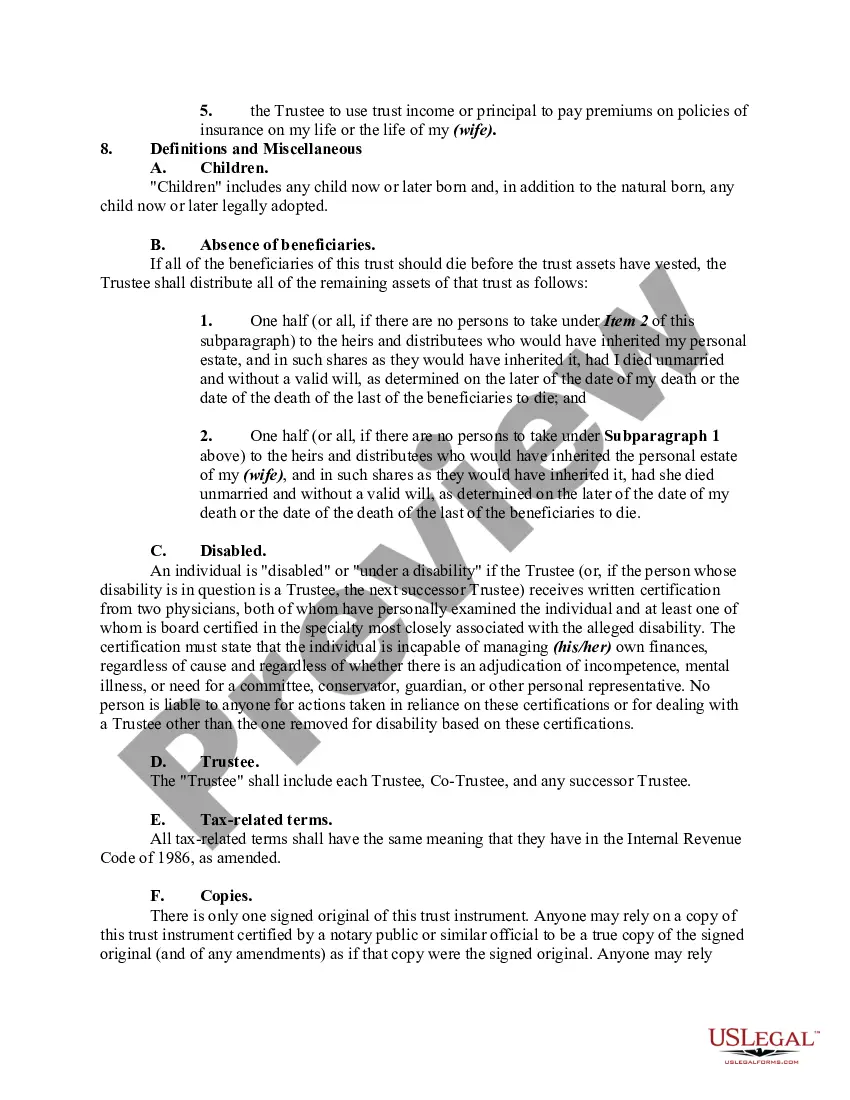
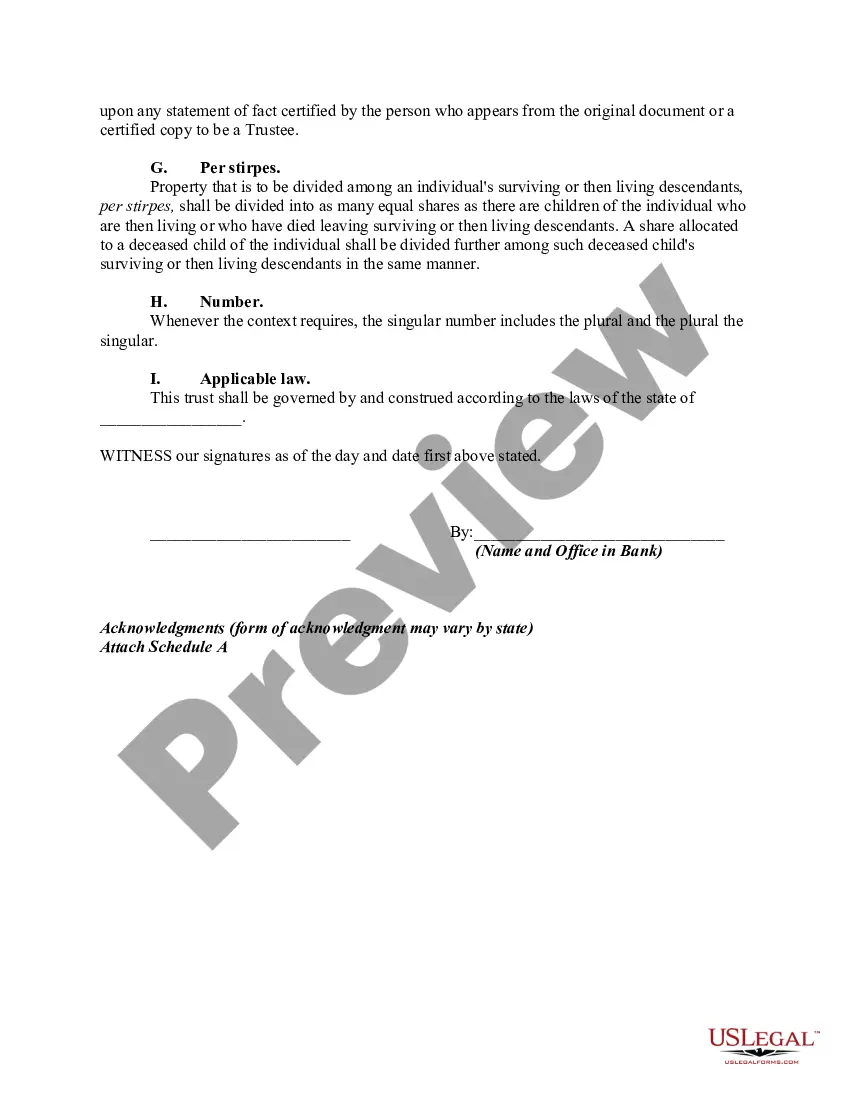
How to fill out Charitable Lead Inter Vivos Unitrust?
Whether for commercial reasons or personal matters, everyone must confront legal situations at some point in their life.
Filling out legal documents requires meticulous attention, starting with selecting the appropriate form template.
With a comprehensive US Legal Forms catalog available, you don't have to waste time searching for the correct sample across the internet. Take advantage of the library’s user-friendly navigation to find the right form for any situation.
- Locate the sample you need by utilizing the search field or browsing the catalog.
- Review the form’s description to confirm it suits your circumstances, state, and locality.
- Click on the form’s preview to review it.
- If it is the wrong form, return to the search function to find the Inter Living Trusts For Dummies sample you need.
- Obtain the file when it aligns with your needs.
- If you have a US Legal Forms account, simply click Log in to access previously saved documents in My documents.
- If you do not have an account yet, you can acquire the form by clicking Buy now.
- Choose the right pricing option.
- Fill out the account registration form.
- Choose your payment method: you can use a credit card or PayPal account.
- Select the desired file format and download the Inter Living Trusts For Dummies.
- Once it is downloaded, you can fill out the form using editing software or print it and complete it by hand.
Form popularity
FAQ
Setting up a trust: 5 steps for grantor Decide what assets to place in your trust. ... Identify who will be the beneficiary/beneficiaries of your trust. ... Determine the rules of your trust. ... Select your trustee or (trustees). ... Draft your trust document with an attorney.
Assets that should not be used to fund your living trust include: Qualified retirement accounts ? 401ks, IRAs, 403(b)s, qualified annuities. Health saving accounts (HSAs) Medical saving accounts (MSAs) Uniform Transfers to Minors (UTMAs) Uniform Gifts to Minors (UGMAs) Life insurance. Motor vehicles.
The five-year rule stipulates that the beneficiary must take out the remaining balance over the five-year period following the owner's death.
How do trusts work? A trust is a fiduciary1 relationship in which one party (the Grantor) gives a second party2 (the Trustee) the right to hold title to property or assets for the benefit of a third party (the Beneficiary). The trustee, in turn, explains the terms and conditions of the trust to the beneficiary.
Furthermore, there are recurring administrative costs such as trustee fees, tax preparation fees, and legal fees. Ongoing Record-Keeping: Trusts also require meticulous record-keeping and can be complex to understand and manage. There is a strict legal framework that must be adhered to, which can be daunting for many.