Charitable Remainder Trust For Dummies
Description
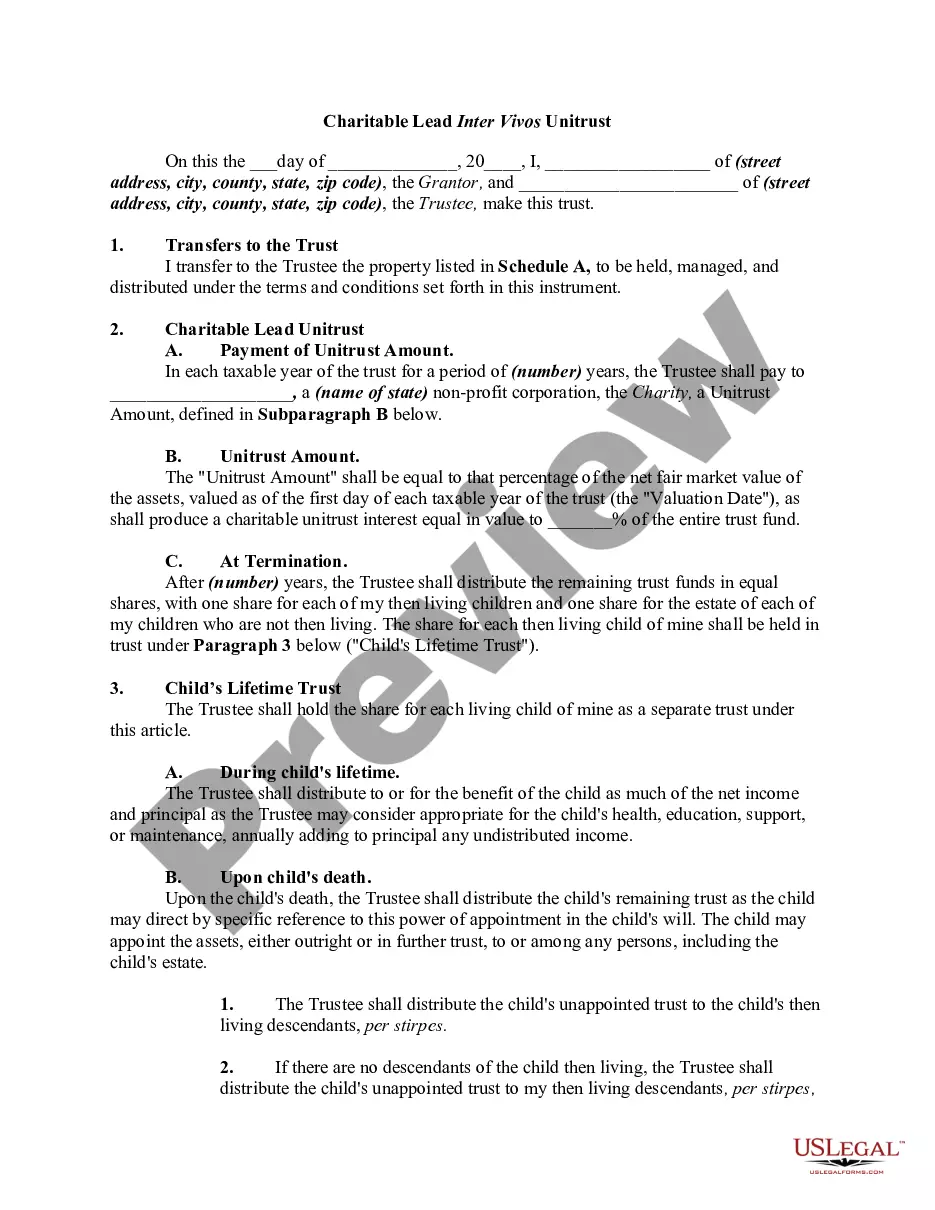
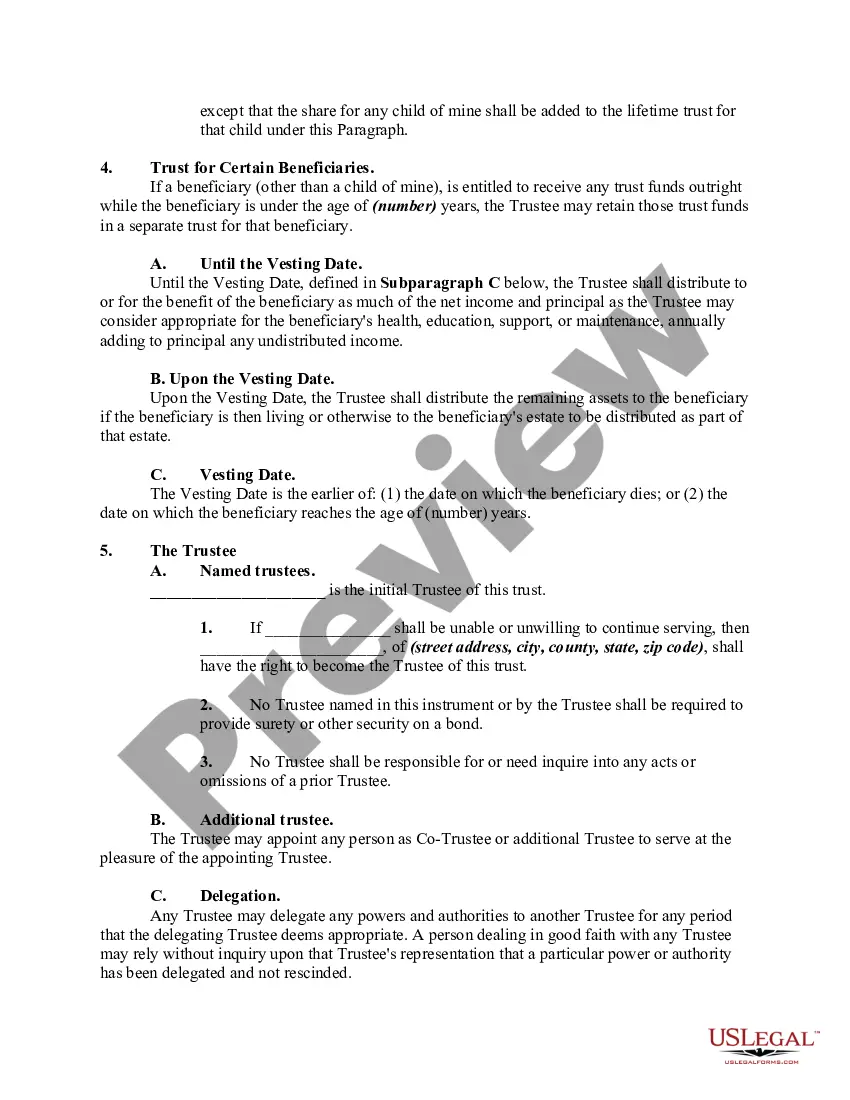
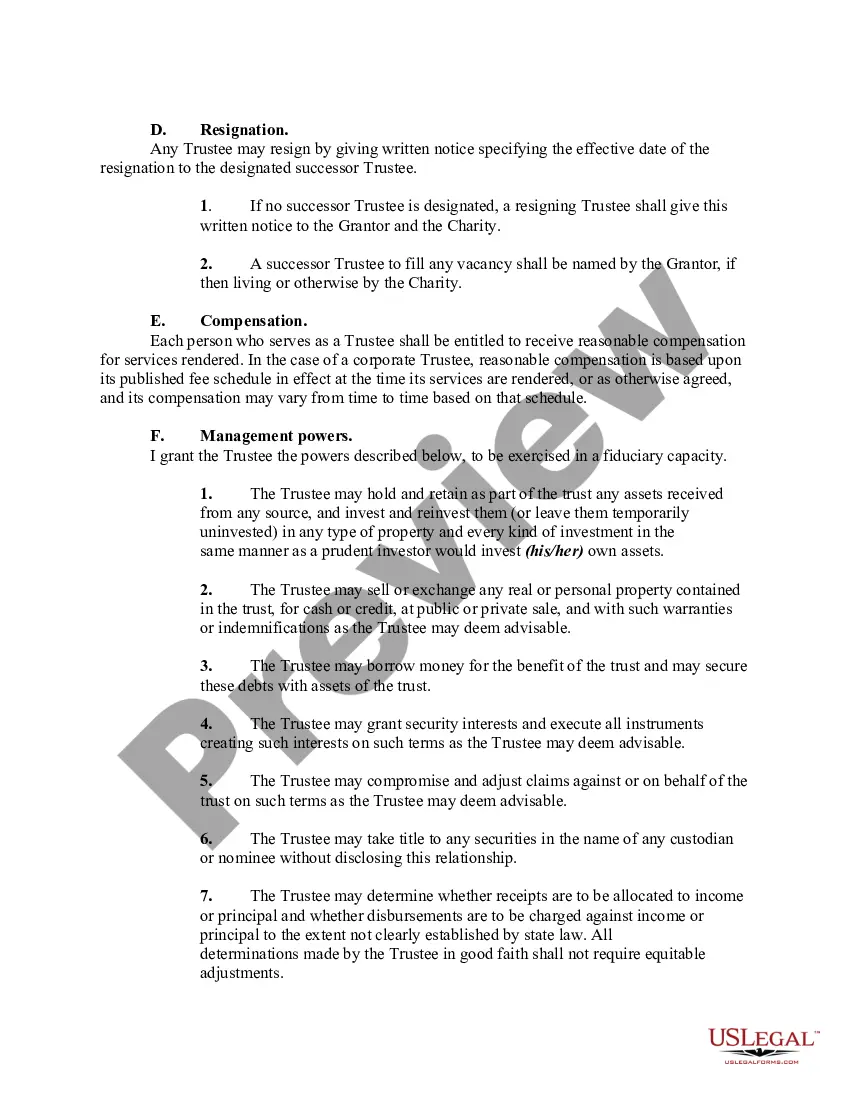
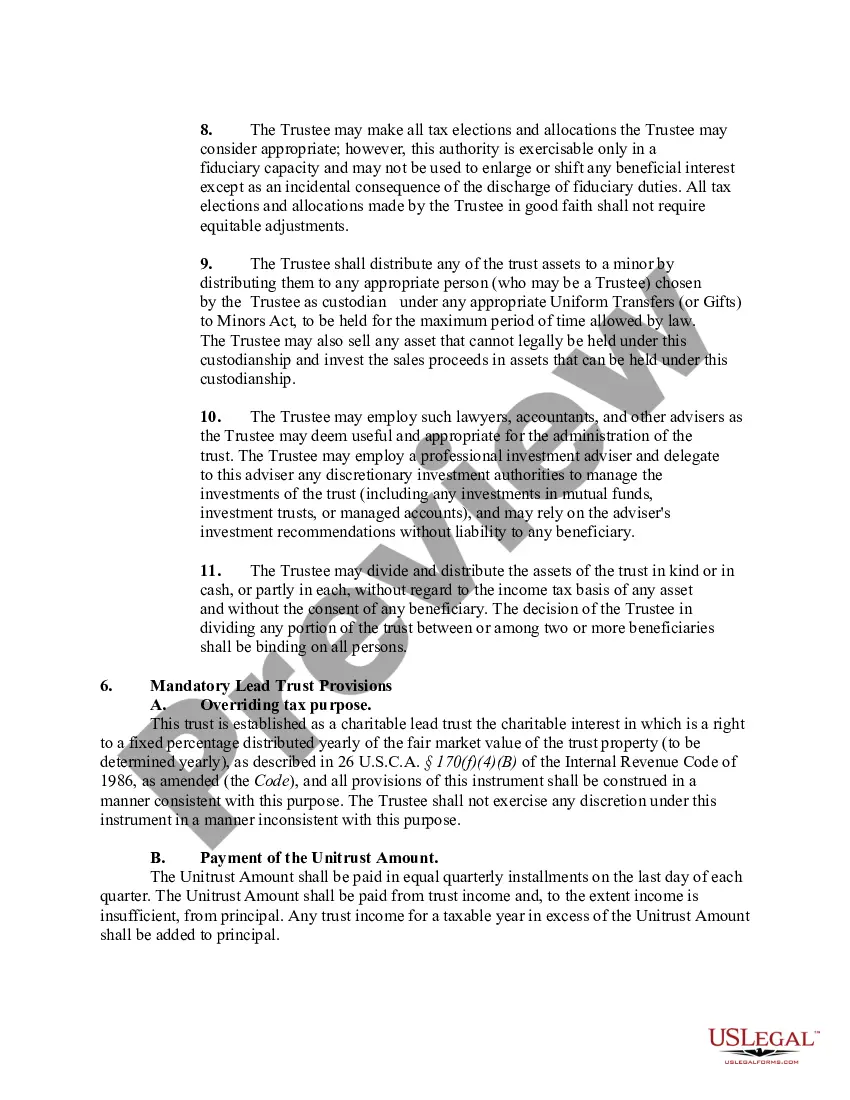
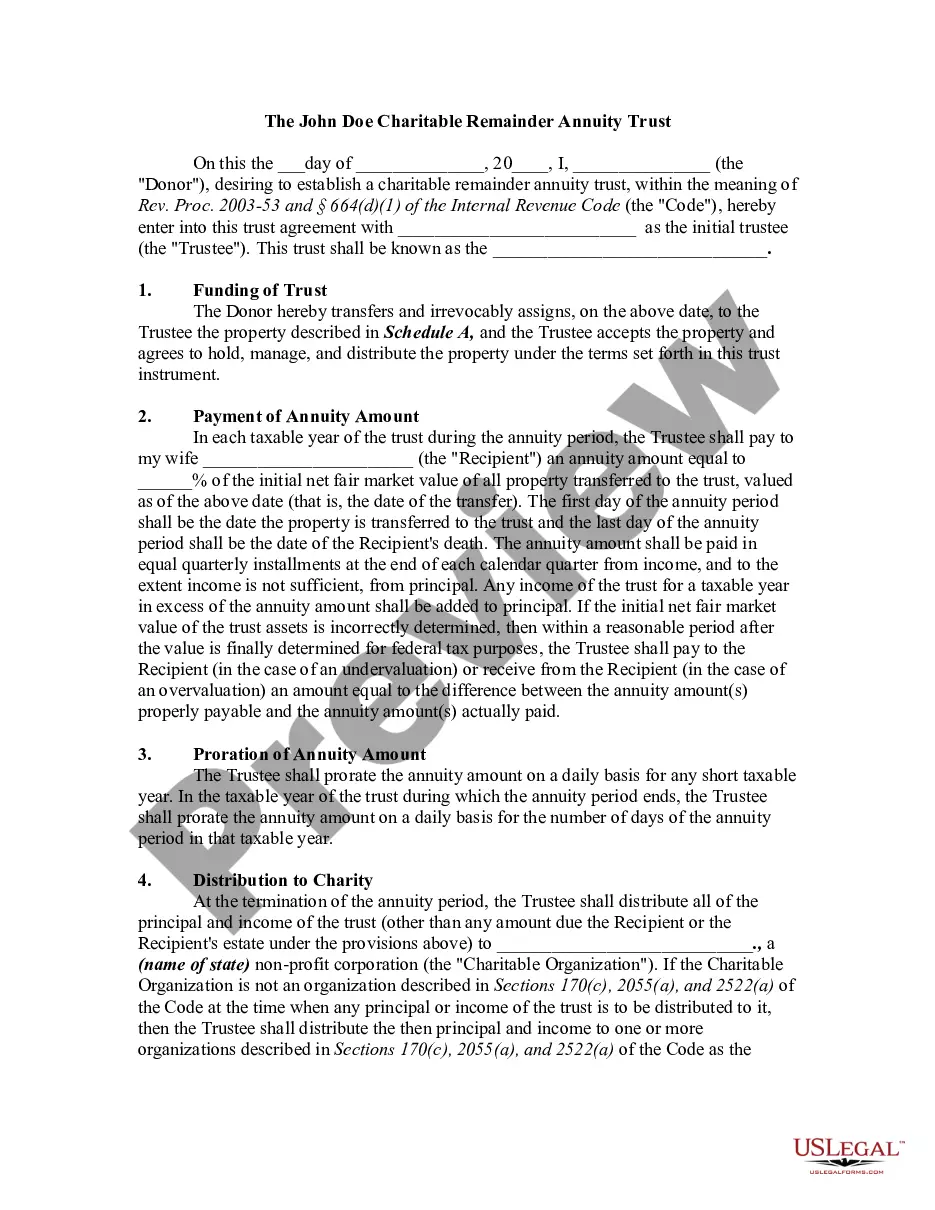
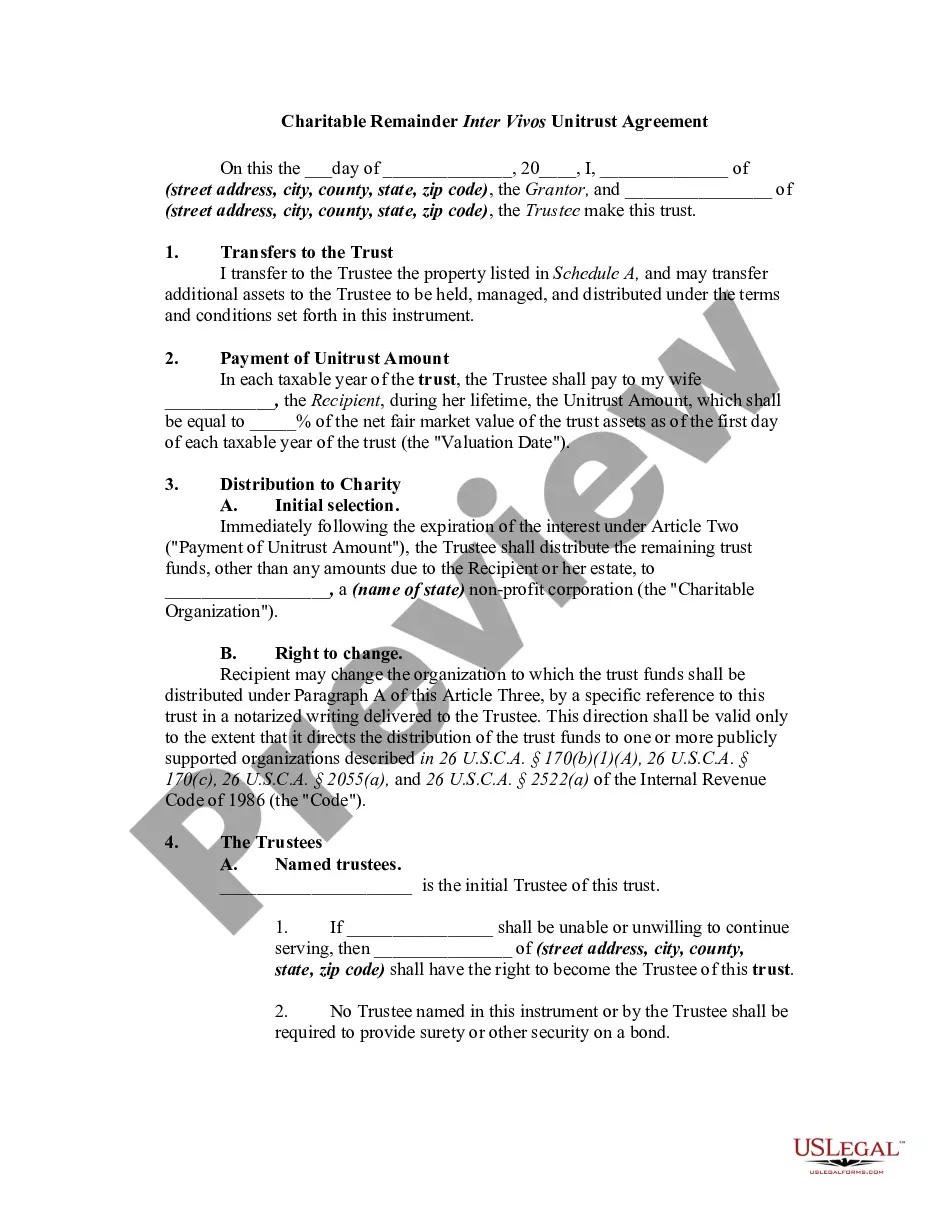
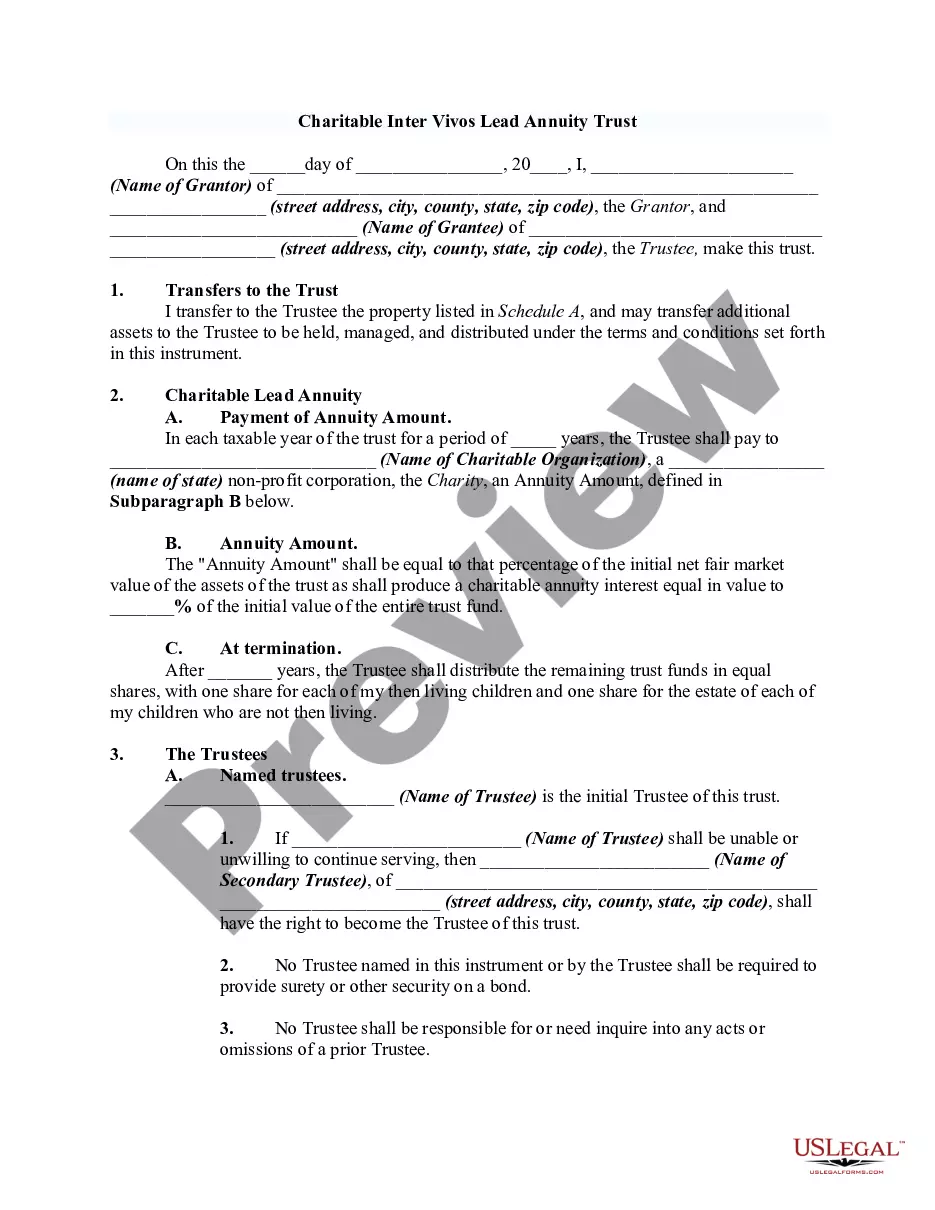
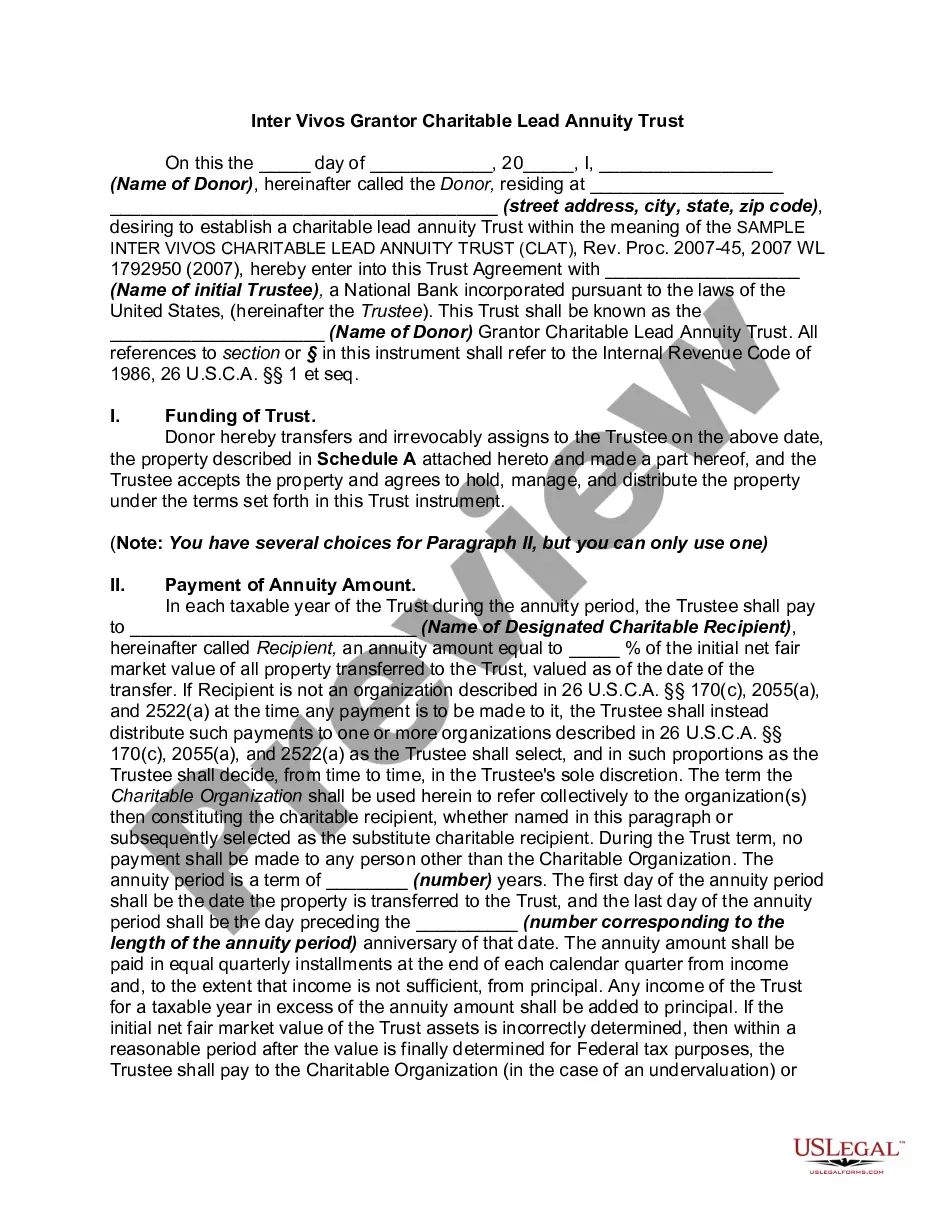
Get your form ready online
Our built-in tools help you complete, sign, share, and store your documents in one place.
Make edits, fill in missing information, and update formatting in US Legal Forms—just like you would in MS Word.
Download a copy, print it, send it by email, or mail it via USPS—whatever works best for your next step.
Sign and collect signatures with our SignNow integration. Send to multiple recipients, set reminders, and more. Go Premium to unlock E-Sign.
If this form requires notarization, complete it online through a secure video call—no need to meet a notary in person or wait for an appointment.
We protect your documents and personal data by following strict security and privacy standards.

Make edits, fill in missing information, and update formatting in US Legal Forms—just like you would in MS Word.

Download a copy, print it, send it by email, or mail it via USPS—whatever works best for your next step.

Sign and collect signatures with our SignNow integration. Send to multiple recipients, set reminders, and more. Go Premium to unlock E-Sign.

If this form requires notarization, complete it online through a secure video call—no need to meet a notary in person or wait for an appointment.

We protect your documents and personal data by following strict security and privacy standards.
Looking for another form?







How to fill out Charitable Lead Inter Vivos Unitrust?
Creating legal documents from the beginning can frequently be overwhelming.
Certain situations might require extensive research and substantial financial investment.
If you're searching for a simpler and more economical method of preparing Charitable Remainder Trust For Dummies or any other paperwork without the need for unnecessary complications, US Legal Forms is always here for you.
Our online repository of over 85,000 current legal documents encompasses nearly every facet of your financial, legal, and personal matters. With just a few clicks, you can quickly access state- and county-specific templates meticulously crafted for you by our legal experts.
Ensure the template you choose adheres to the laws and regulations of your state and county. Choose the most appropriate subscription plan to obtain the Charitable Remainder Trust For Dummies. Download the document, then fill it out, validate, and print it. US Legal Forms has an impeccable reputation and over 25 years of expertise. Join us today and make form completion easy and efficient!
- Utilize our website whenever you require a dependable and trustworthy service where you can effortlessly locate and download the Charitable Remainder Trust For Dummies.
- If you're already familiar with our services and have created an account with us in the past, simply Log In to your account, find the template, and download it immediately or re-download it later in the My documents section.
- Haven't registered yet? No worries. It takes minimal time to set up and explore the library.
- Before you rush into downloading Charitable Remainder Trust For Dummies, please consider these guidelines.
- Evaluate the form preview and descriptions to confirm that you’re on the document you’re looking for.
Form popularity
FAQ
The 10% rule for charitable remainder trust is a guideline that ensures a charity receives at least 10% of the trust's value when it is established. This rule is crucial because it helps maintain the trust's charitable purpose throughout its lifespan. In simple terms, this means that when you create a charitable remainder trust for dummies, you want to ensure that the charity benefits significantly from your donation. Understanding this rule could help you maximize both your tax benefits and your charitable intentions.
On the first day of the week, commonly called Sunday, it shall be unlawful for any person to engage in worldly work, labor, business of his ordinary calling or the selling or offering to sell, publicly or privately or by telephone, at retail or at wholesale to the consumer any goods, wares or merchandise or to employ ...
You have a right to see and copy records of public bodies. A record cannot be withheld and a meeting cannot be closed unless a specific exemption applies. The FOIA ? also known as the Sunshine Law because it shines light on government meetings and records ? is essential to our democratic form of government.
South Carolina's definition of records includes all records, no matter their physical characteristics, that were ?prepared, owned, used, in the possession of, or retained by a public body.? Anyone may request public records and a statement of purpose is not required.
Hours of Alcohol Sales Retail Liquor Stores Monday through Saturday, am until pm. Closed Sunday Other Beer sales are 24 hours a day Monday through Saturday. No Sunday sales permitted unless allowed by county.
In 1875, Greenville's City Council passed its first ?blue ordinance.? It forbade merchants, shopkeepers, vendors, barrooms, saloons and barbers from operating on the Lord's Day as well as the ?sale, gift or barter of spirituous or malt liquors, wine or cider.?
It's not like South Carolina's blue law is stopping the sale or consumption of spirits on Sundays. South Carolina residents and visitors to the Palmetto State can enjoy spirits at a bar, restaurant, or distillery on Sundays; they just can't buy the product at retail to bring home.
Blue laws, also known as Sunday laws, are laws that restrict or ban some or all activities on specified days (most often on Sundays in the western world), particularly to promote the observance of a day of rest. Such laws may restrict shopping or ban sale of certain items on specific days.
CL-1 The Initial Annual Report of Corporations. This form is filed with the South Carolina Department of Revenue. $25.00.