Charitable
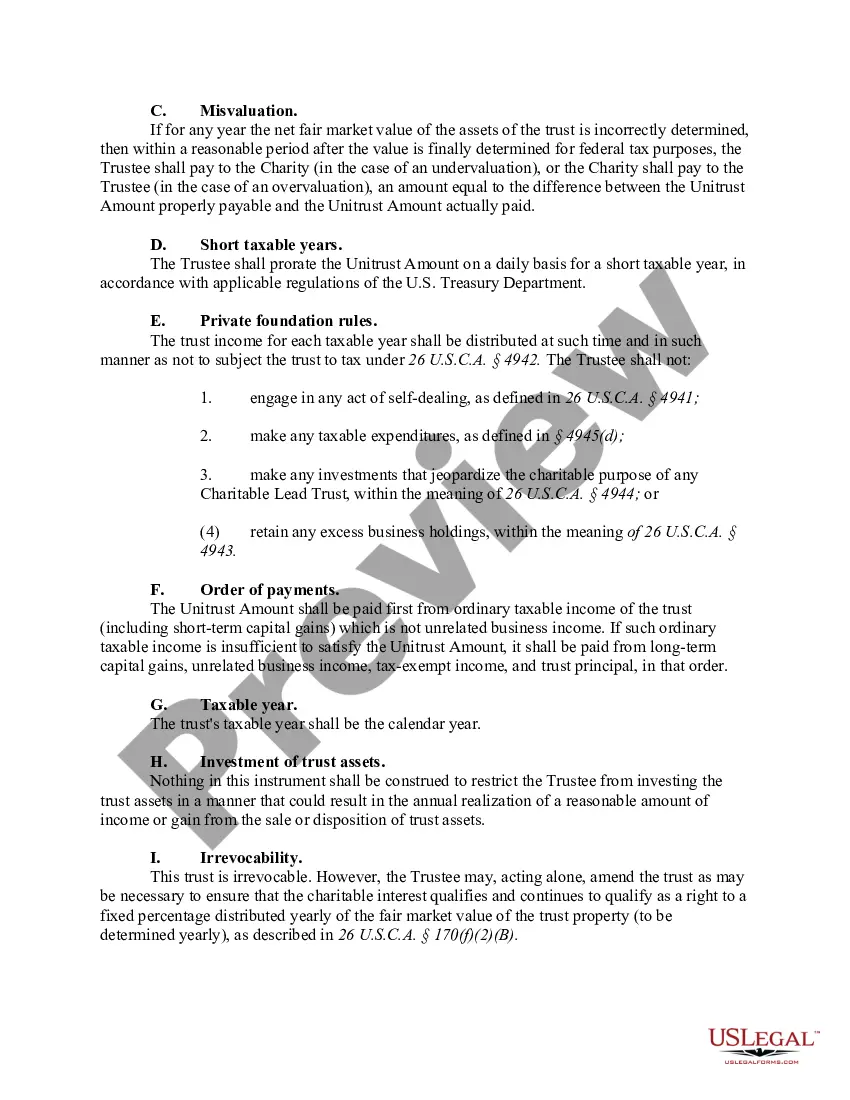
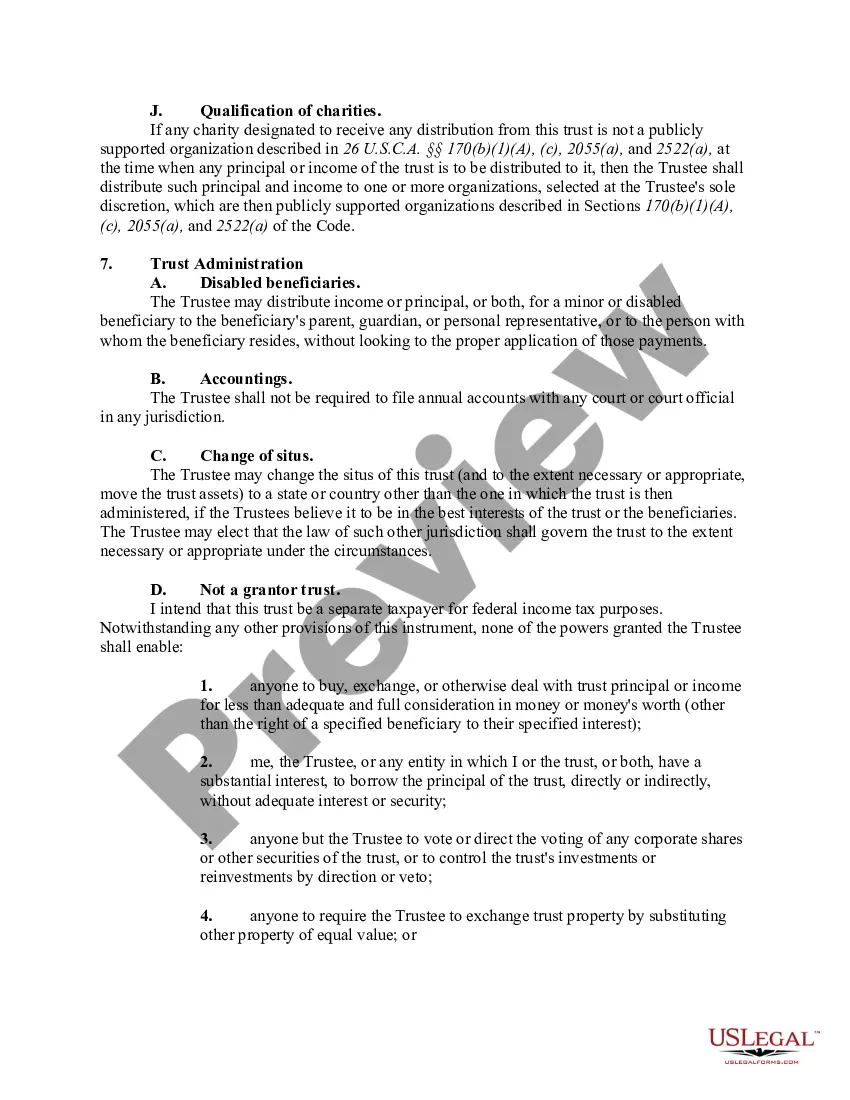
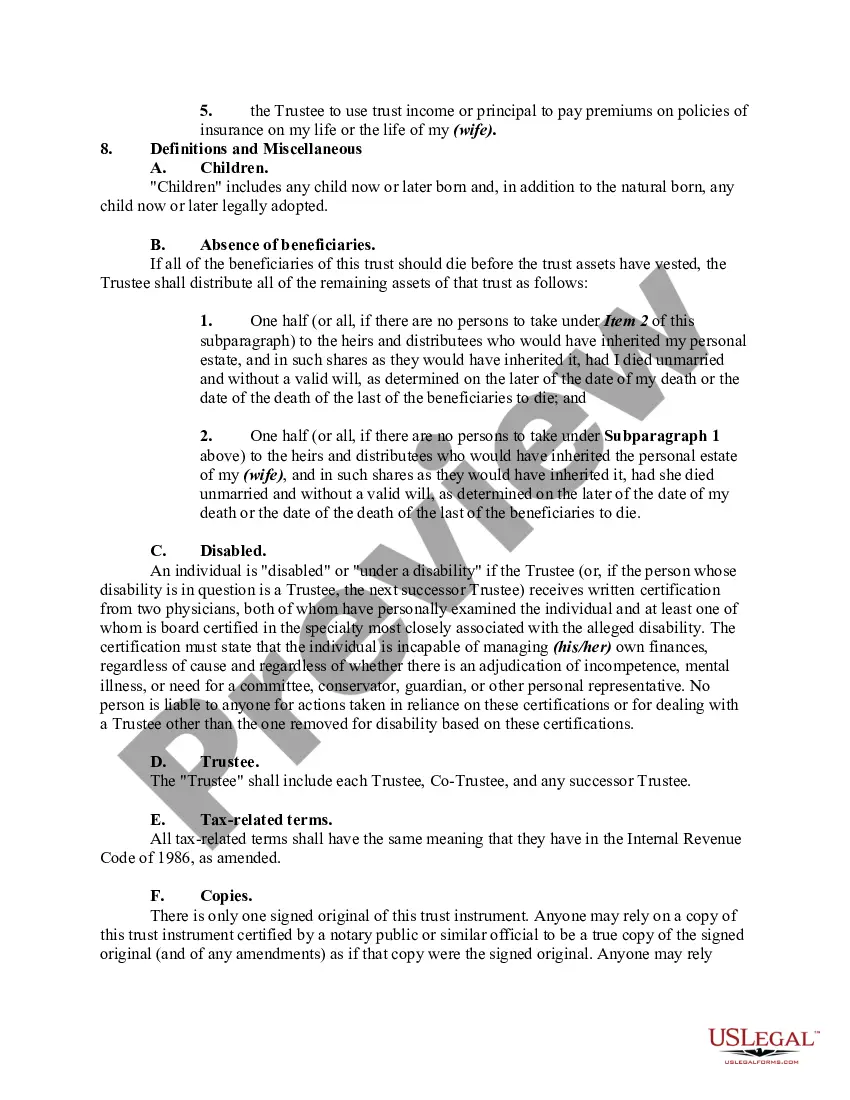
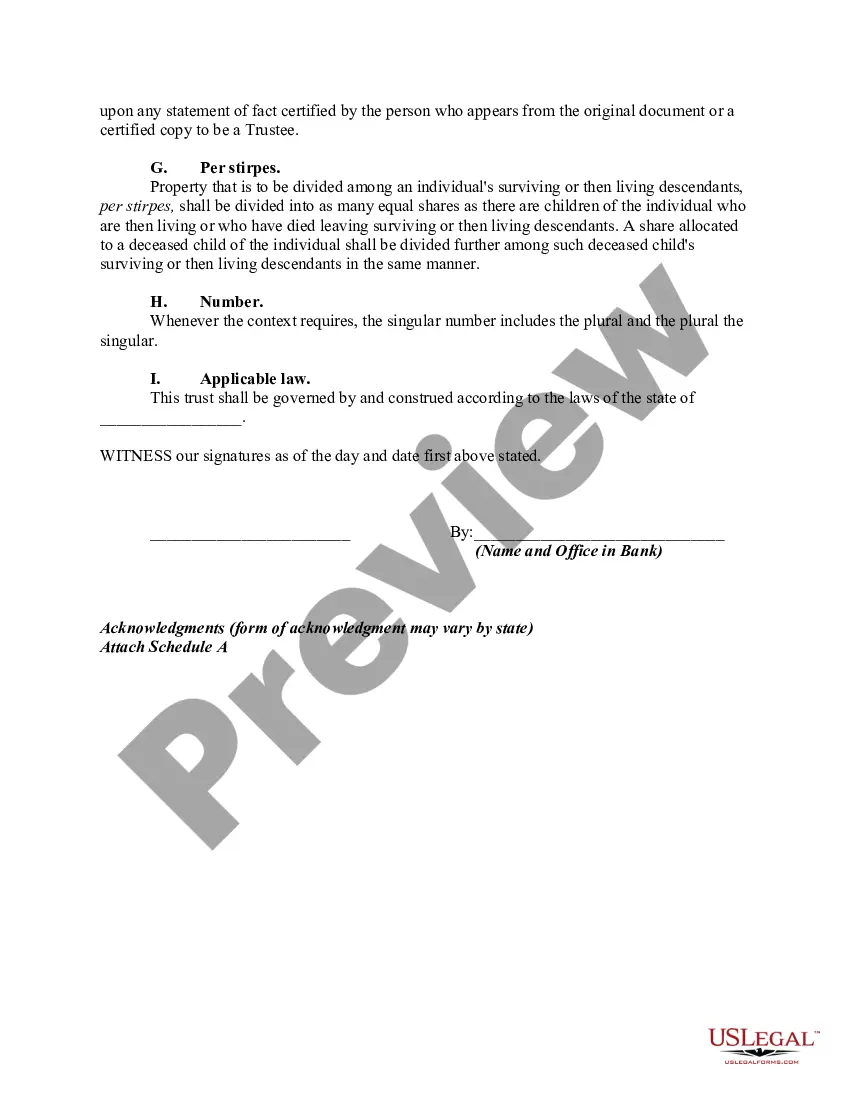
Description
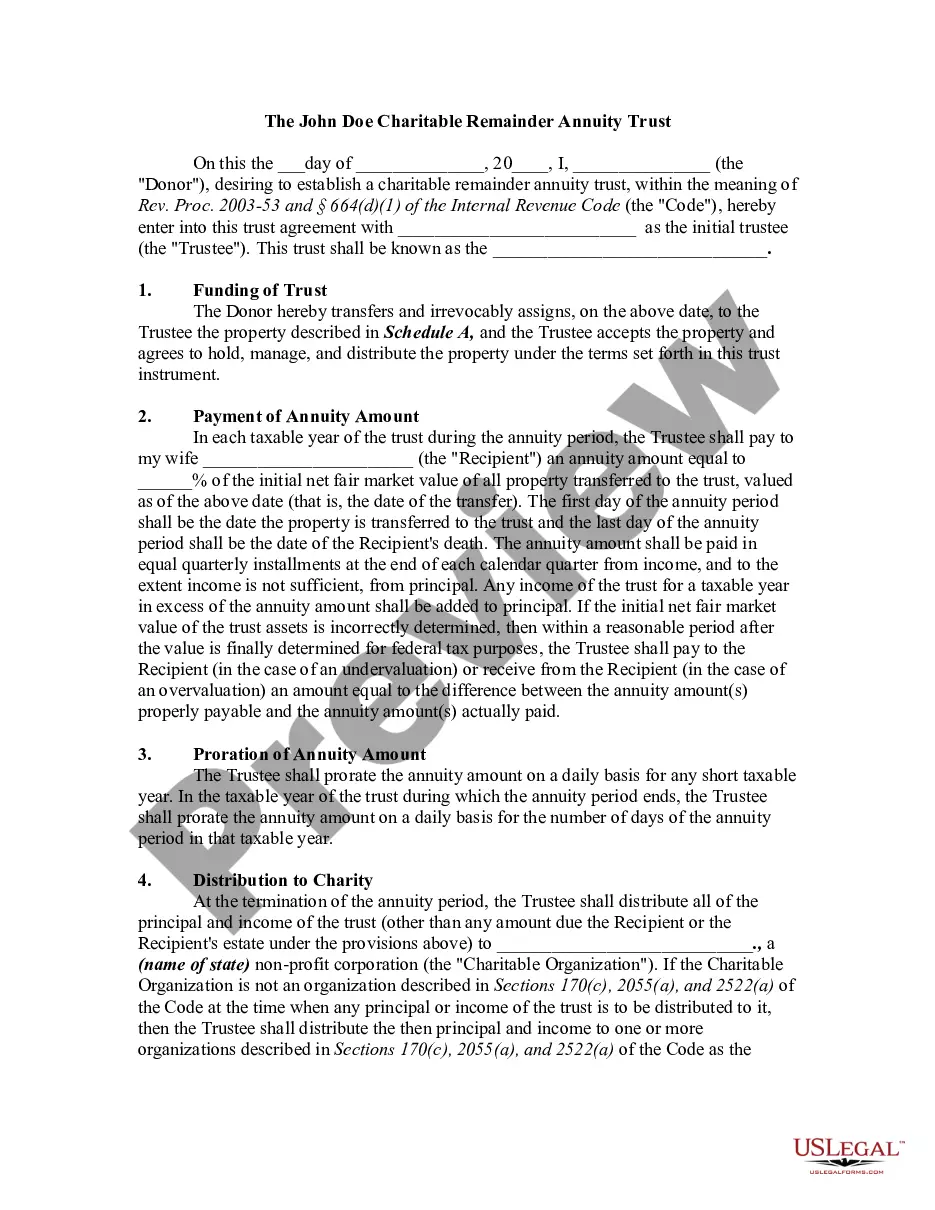
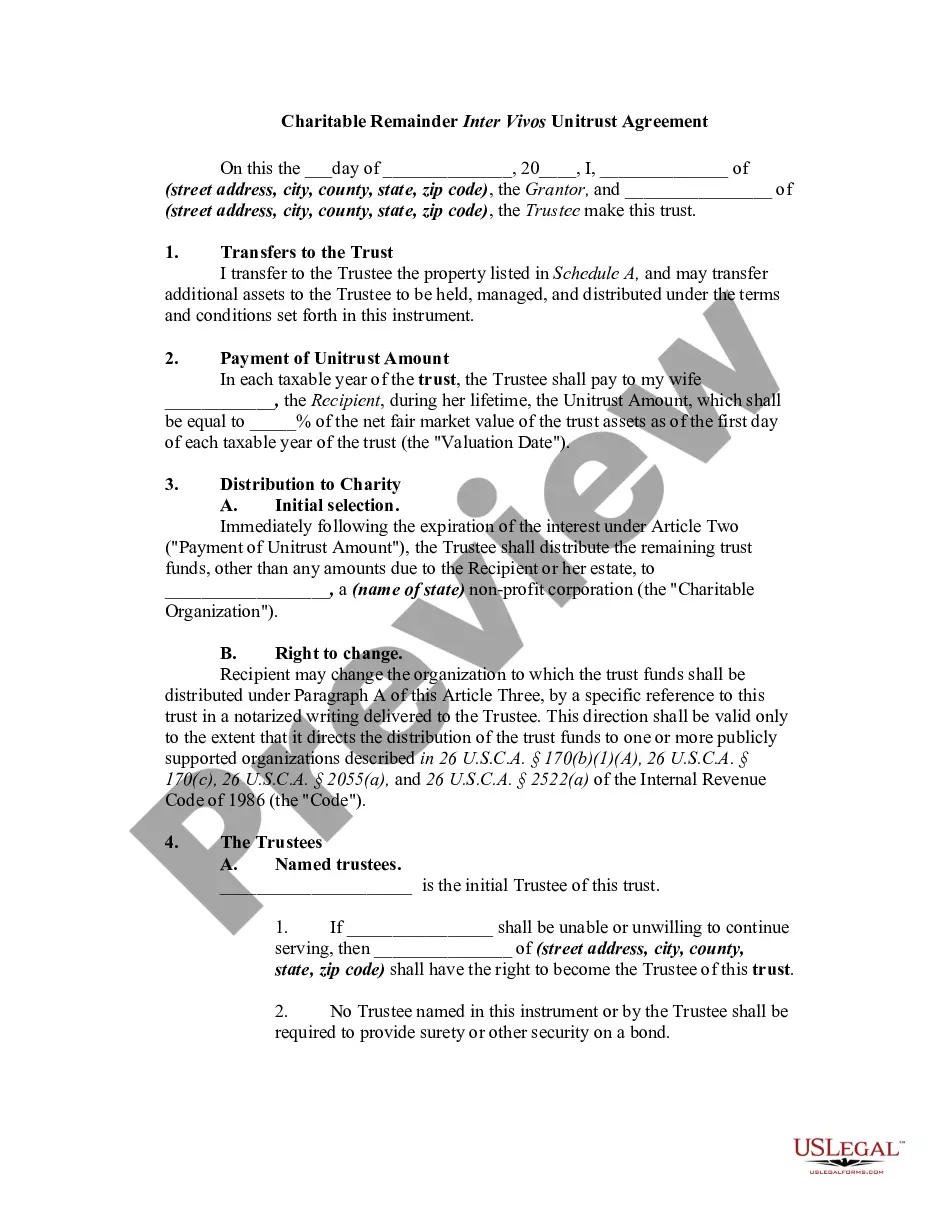
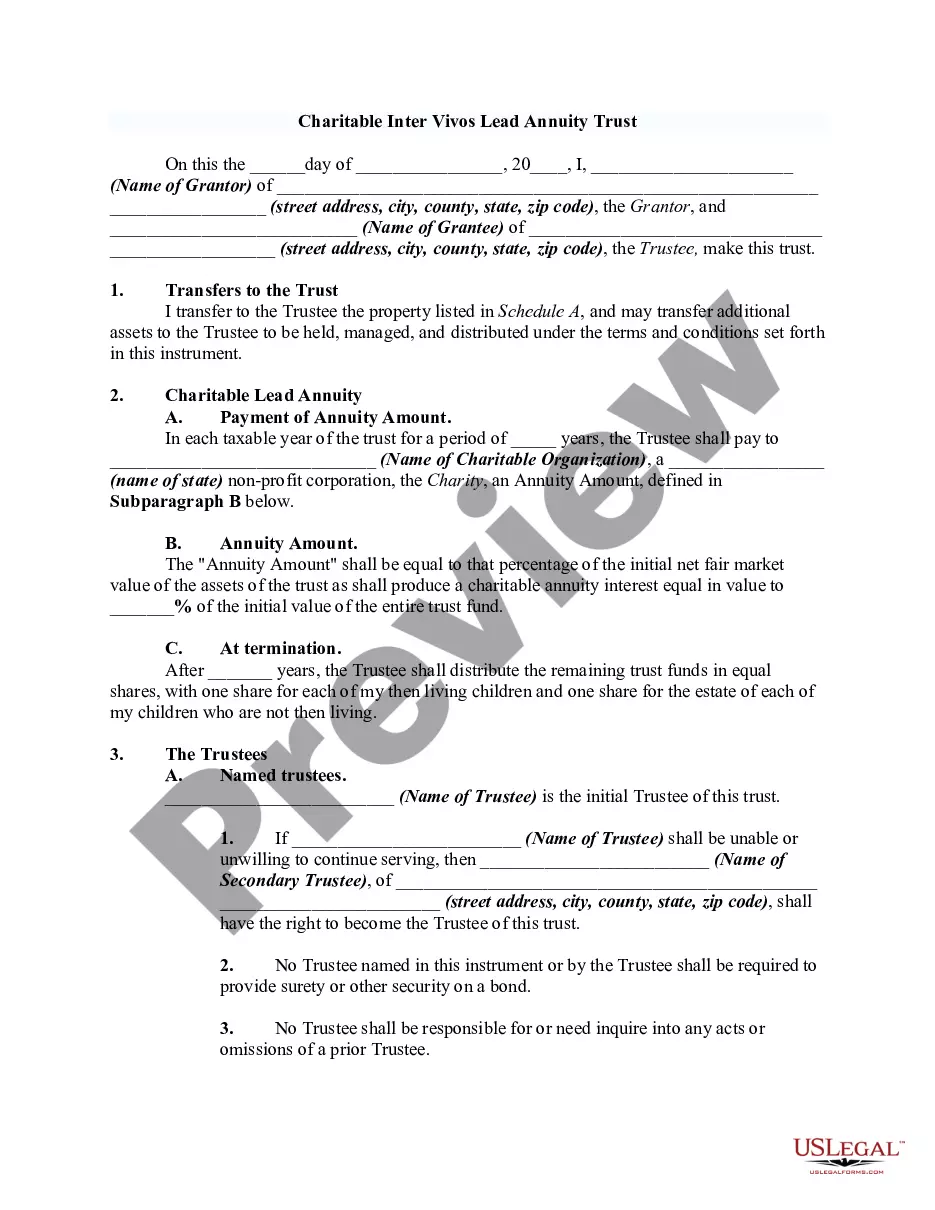
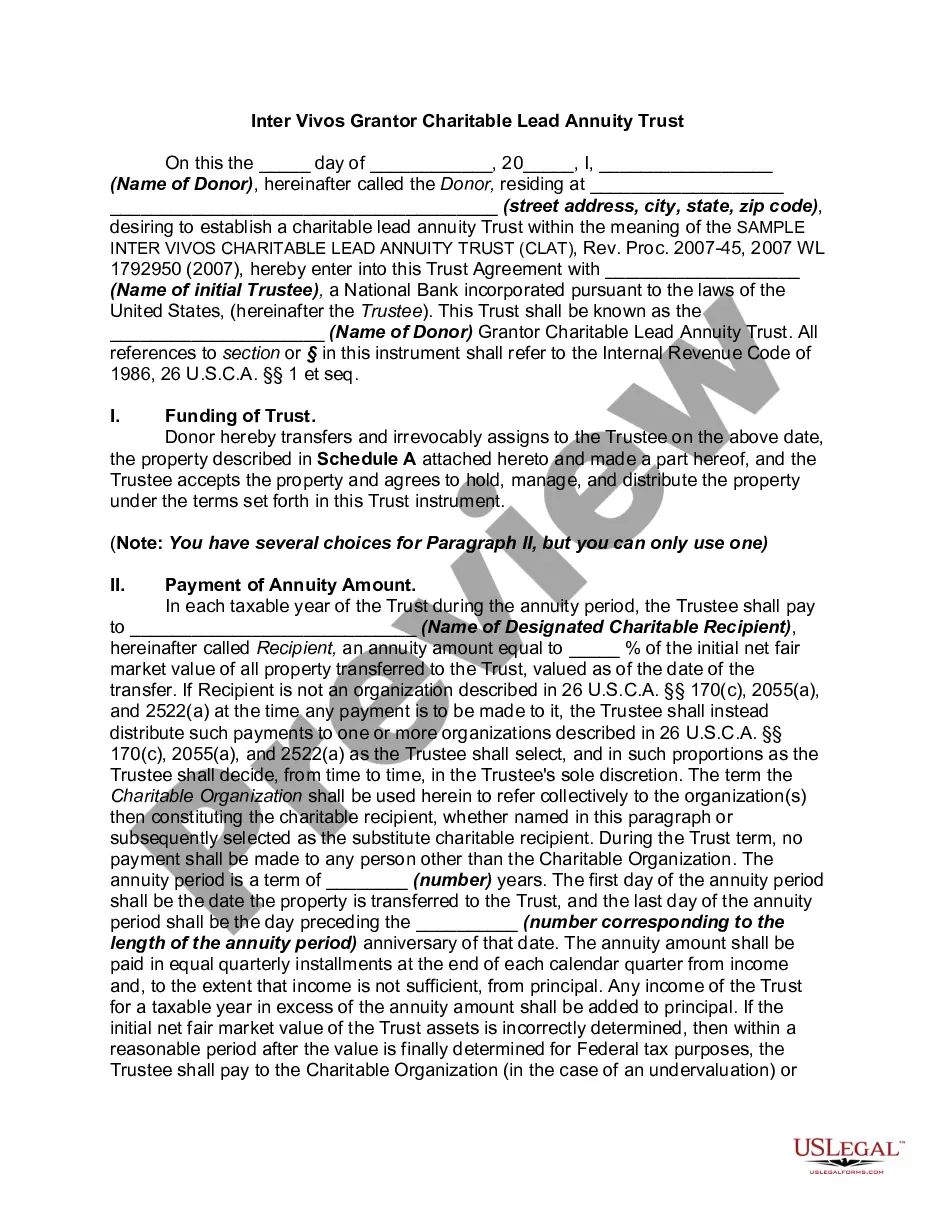
Get your form ready online
Our built-in tools help you complete, sign, share, and store your documents in one place.
Make edits, fill in missing information, and update formatting in US Legal Forms—just like you would in MS Word.
Download a copy, print it, send it by email, or mail it via USPS—whatever works best for your next step.
Sign and collect signatures with our SignNow integration. Send to multiple recipients, set reminders, and more. Go Premium to unlock E-Sign.
If this form requires notarization, complete it online through a secure video call—no need to meet a notary in person or wait for an appointment.
We protect your documents and personal data by following strict security and privacy standards.

Make edits, fill in missing information, and update formatting in US Legal Forms—just like you would in MS Word.

Download a copy, print it, send it by email, or mail it via USPS—whatever works best for your next step.

Sign and collect signatures with our SignNow integration. Send to multiple recipients, set reminders, and more. Go Premium to unlock E-Sign.

If this form requires notarization, complete it online through a secure video call—no need to meet a notary in person or wait for an appointment.

We protect your documents and personal data by following strict security and privacy standards.
Looking for another form?




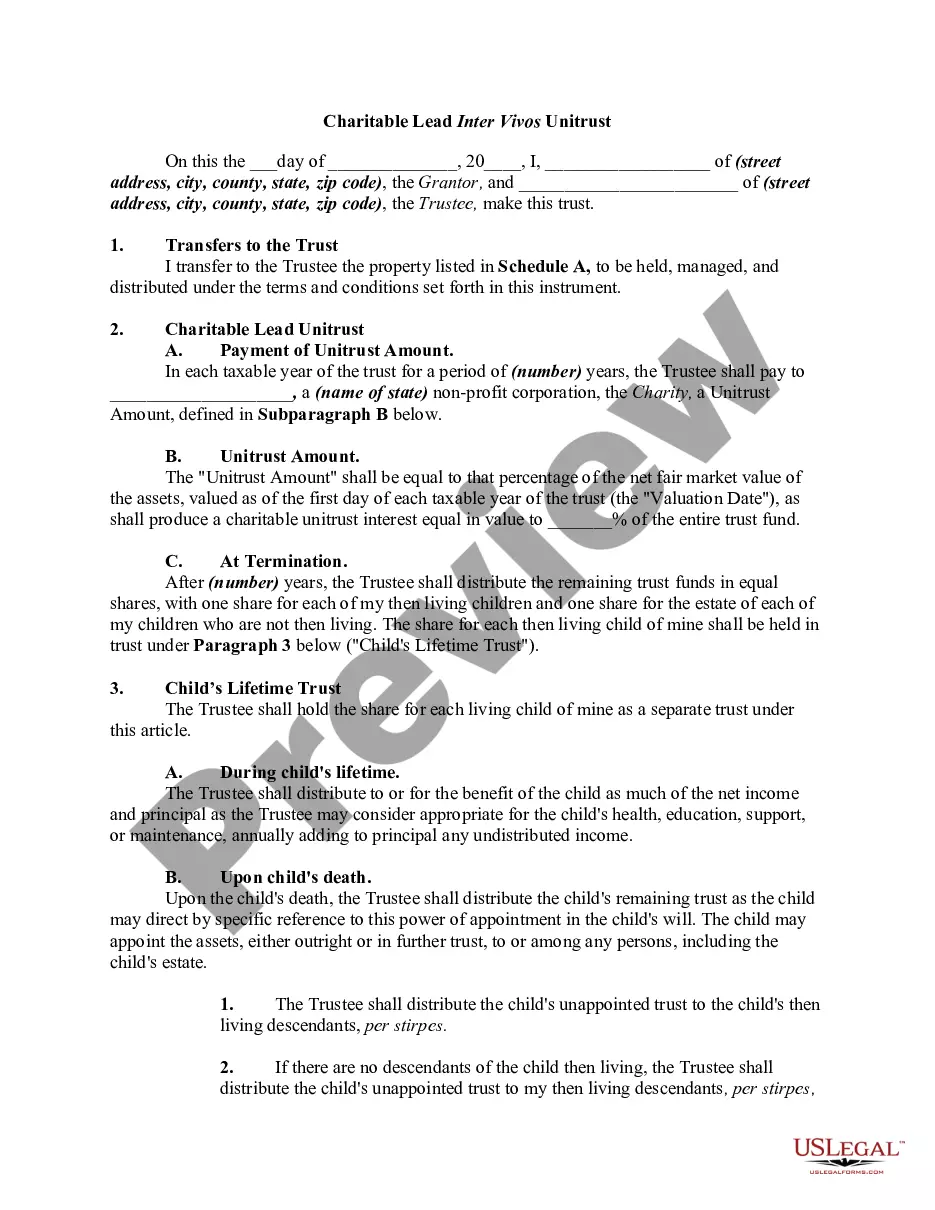
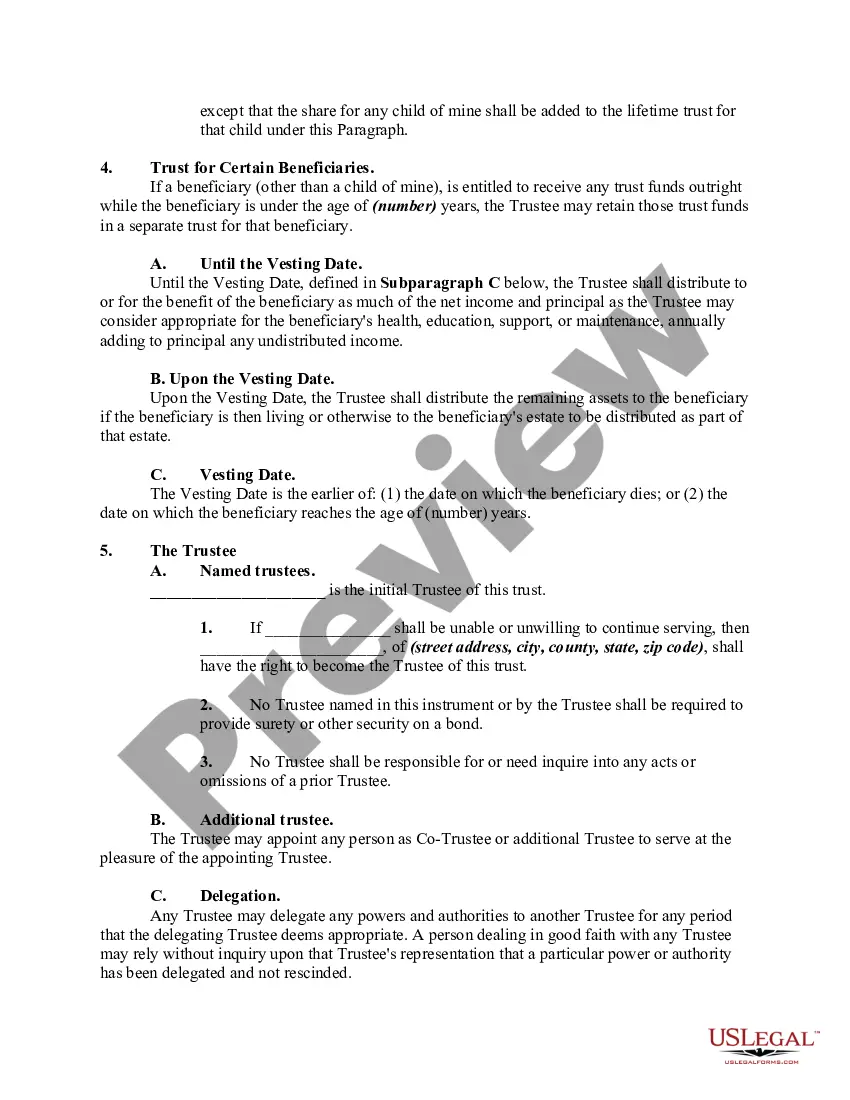
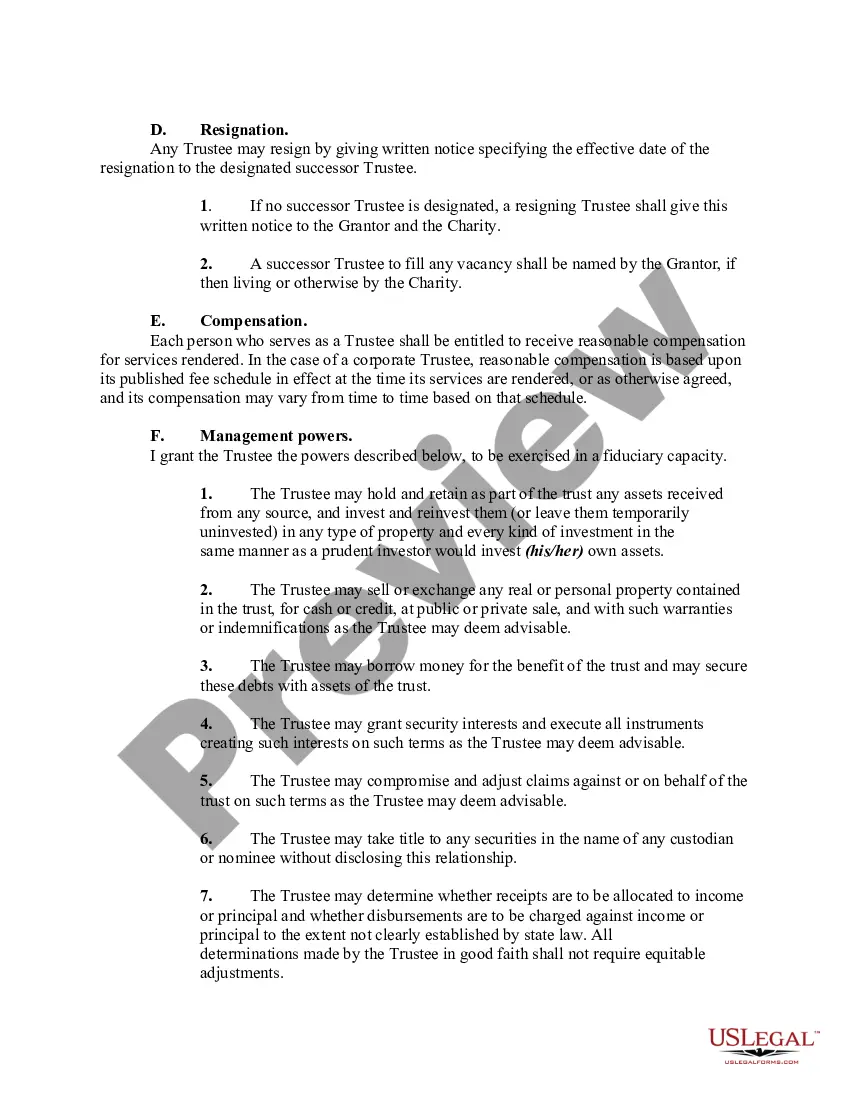
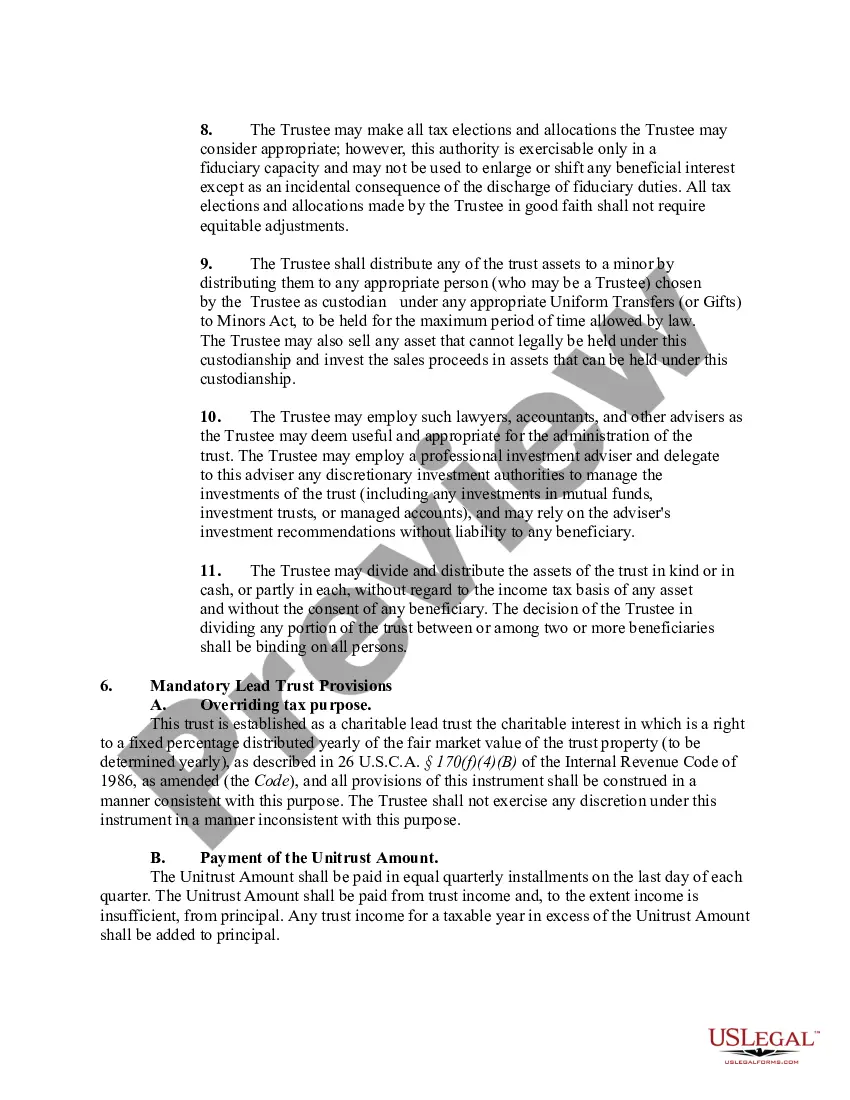
How to fill out Charitable Lead Inter Vivos Unitrust?
- If you're a returning user, log into your account and download the necessary form template. Ensure that your subscription is active; if it’s expired, renew it per your plan.
- For first-time users, review the Preview mode and descriptions of various forms. Confirm that the selected document meets your needs and adheres to your local jurisdiction's regulations.
- In case the right form isn't available, utilize the Search tab to find an alternative template that fits your requirements.
- Once you have found the appropriate document, proceed to purchase by clicking on the Buy Now button. Choose your desired subscription plan and create an account for full access.
- Finally, complete your purchase by entering your payment information. You can use a credit card or a PayPal account as per your preference.
- After payment, download your form for immediate use. You’ll also have access to it anytime in the My Forms section of your profile.
US Legal Forms empowers individuals and legal professionals alike by providing a comprehensive and extensive collection of documents. With over 85,000 easily editable forms, you can find everything you need to stay compliant and organized.
Start your journey with US Legal Forms today and experience the ease of obtaining the legal documents you require. Don't hesitate to explore our library and take the next step in securing your legal peace of mind!
Form popularity
FAQ
IRS rules for charitable donations require that contributions must be made to qualified organizations to deduct them on your taxes. You must keep accurate records of your donations, including receipts and acknowledgment letters for contributions over a specific amount. Familiarizing yourself with these rules will help ensure compliance and maximize your benefits.
Claiming donations on taxes can be worthwhile if it results in a substantial deduction; however, it also depends on your overall financial strategy. If your contributions help you exceed the standard deduction, you may benefit significantly. Assessing your tax situation will ultimately guide your decision.
The amount a donation reduces your taxes depends on your tax bracket and the total amount of your donations. Charitable contributions generally reduce your taxable income, resulting in a lower tax bill. Determining the exact savings can vary, so it’s advisable to consult a tax professional for personalized insights.
The $300 charitable deduction allows taxpayers to deduct up to $300 in charitable donations directly from their gross income. This means you do not need to itemize your deductions, which simplifies the process for many. It provides an excellent opportunity to support charities while also receiving a tax benefit.
To claim the $300 charity deduction, simply report the amount on your tax return, specifically on the designated section for adjustments to income. You do not need to itemize deductions to take advantage of this benefit. This makes it easier for many taxpayers to support charitable causes while lowering their tax liabilities.
The $300 charity deduction, introduced as part of the COVID-19 relief measures, allowed taxpayers to deduct this amount without itemizing deductions. This provision has now been extended for certain tax years, allowing more individuals to benefit from deductions for charitable gifts. You should check current IRS guidelines to ensure you comply with any updates.
Claiming charitable donations can be worthwhile, especially if you itemize your deductions. By doing so, you can reduce your taxable income, which may lead to a lower tax bill. Evaluating your overall financial situation and understanding potential savings will help you decide if it's beneficial for you.
To file taxes for charitable donations, you need to itemize your deductions on your tax return using Form 1040. Gather documents like receipts and donor acknowledgment letters to support your claims. It's crucial to ensure that the charitable organization you donated to is recognized by the IRS as a qualified charity to benefit from tax deductions.
To describe someone as charitable, you can say they actively contribute to the welfare of others by supporting causes or organizations. You might say, 'He has a charitable nature, often volunteering his time or donating to help those in need.' This description highlights the person's generosity and commitment to making a positive impact through their charitable actions.
To write off charitable donations, you must first itemize your deductions on your tax return using Schedule A. Ensure you have proper documentation for each contribution, as the IRS requires proof for claims over a specific amount. Deductible charitable contributions can help lower your taxable income, offering a financial benefit while supporting worthwhile causes through your charitable donations.