Court Case Dismissal Letter Sample For Job Application
Description
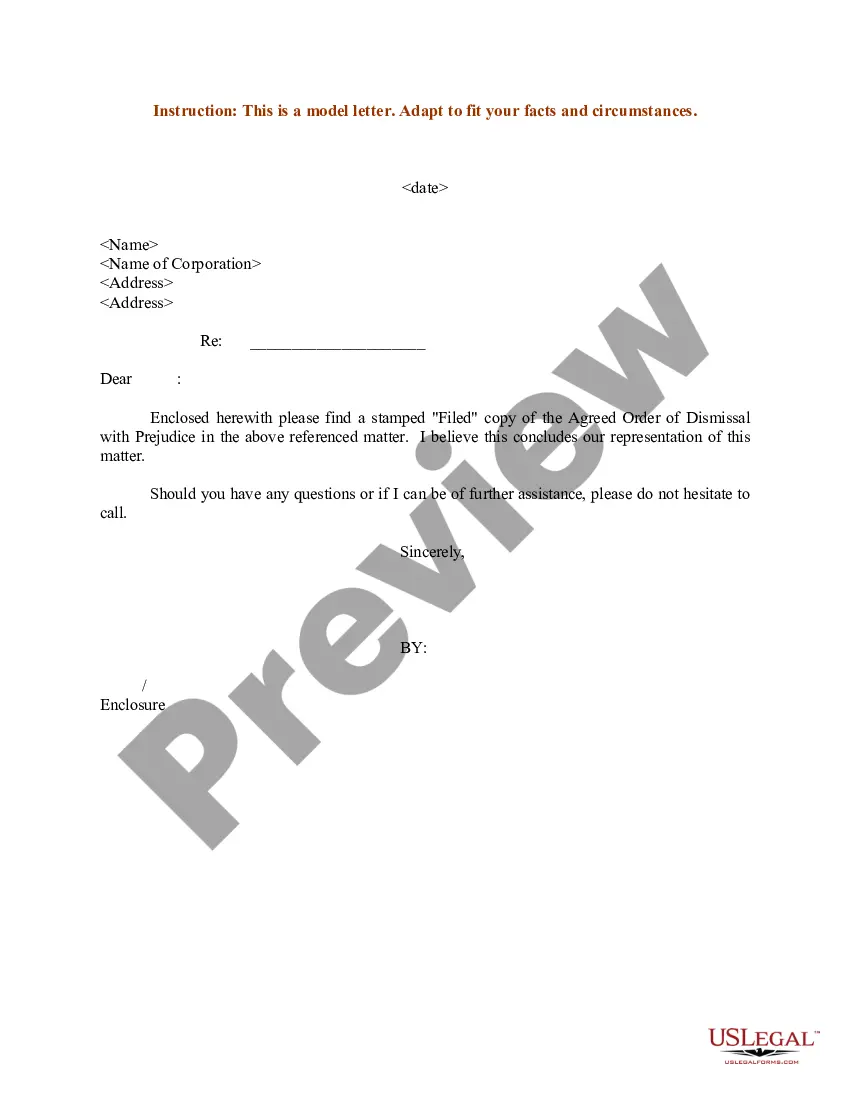

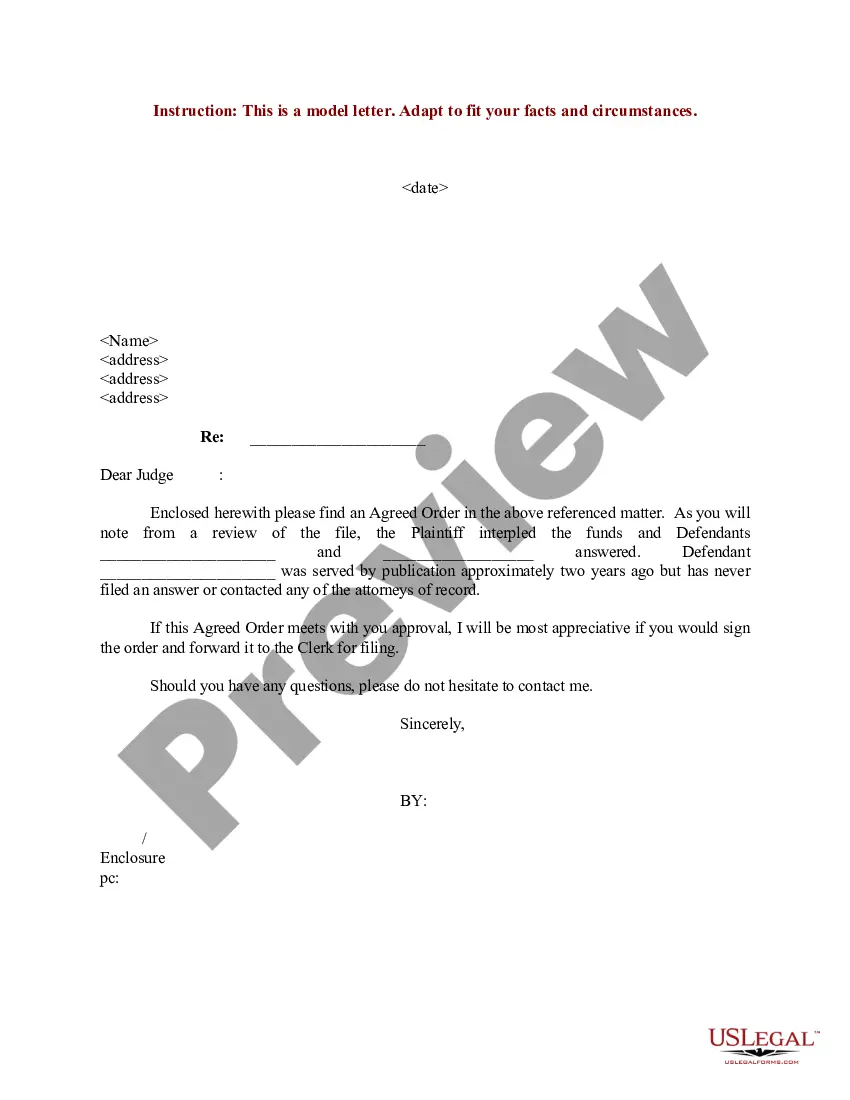
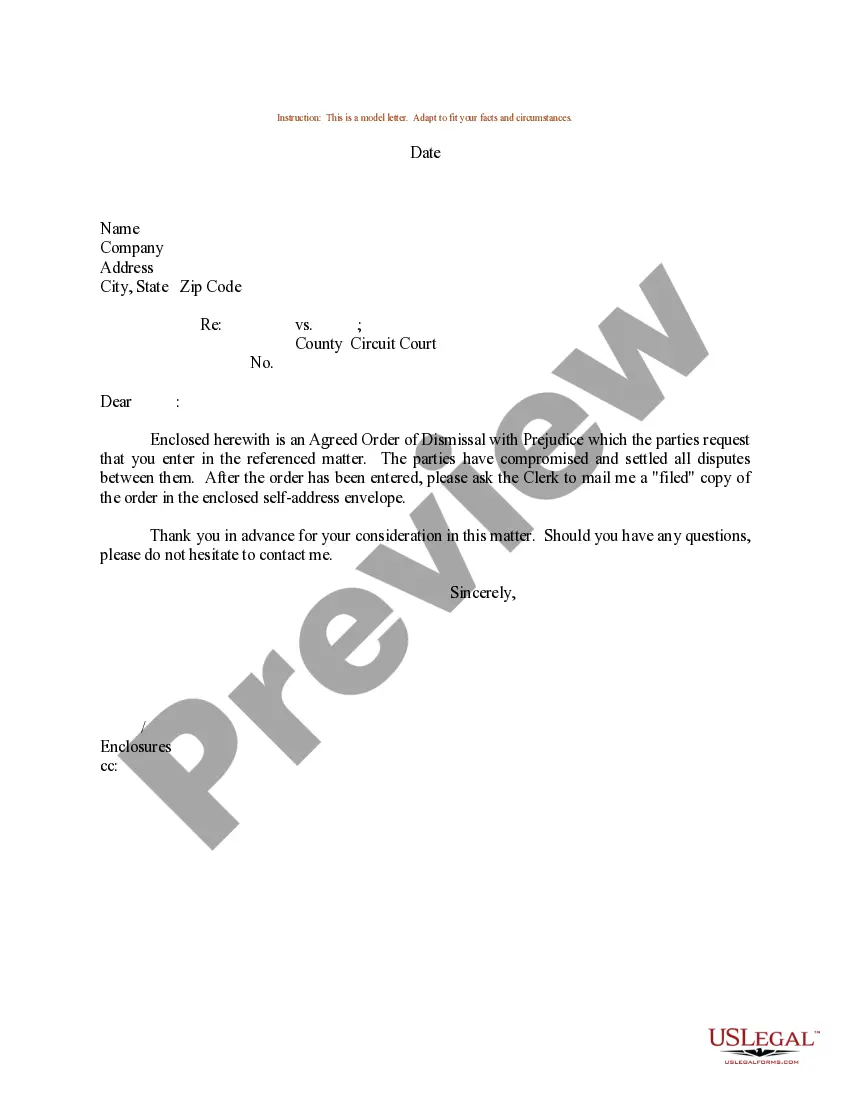
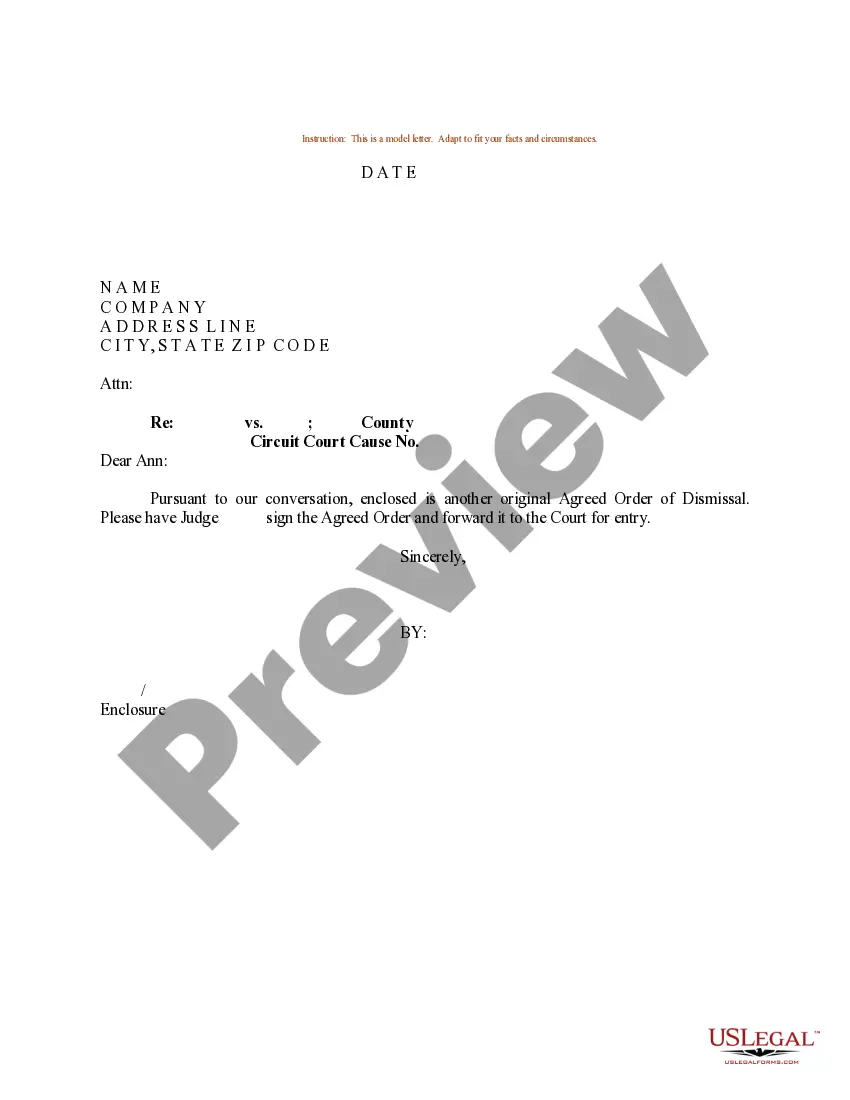
Get your form ready online
Our built-in tools help you complete, sign, share, and store your documents in one place.
Make edits, fill in missing information, and update formatting in US Legal Forms—just like you would in MS Word.
Download a copy, print it, send it by email, or mail it via USPS—whatever works best for your next step.
Sign and collect signatures with our SignNow integration. Send to multiple recipients, set reminders, and more. Go Premium to unlock E-Sign.
If this form requires notarization, complete it online through a secure video call—no need to meet a notary in person or wait for an appointment.
We protect your documents and personal data by following strict security and privacy standards.

Make edits, fill in missing information, and update formatting in US Legal Forms—just like you would in MS Word.

Download a copy, print it, send it by email, or mail it via USPS—whatever works best for your next step.

Sign and collect signatures with our SignNow integration. Send to multiple recipients, set reminders, and more. Go Premium to unlock E-Sign.

If this form requires notarization, complete it online through a secure video call—no need to meet a notary in person or wait for an appointment.

We protect your documents and personal data by following strict security and privacy standards.
Looking for another form?
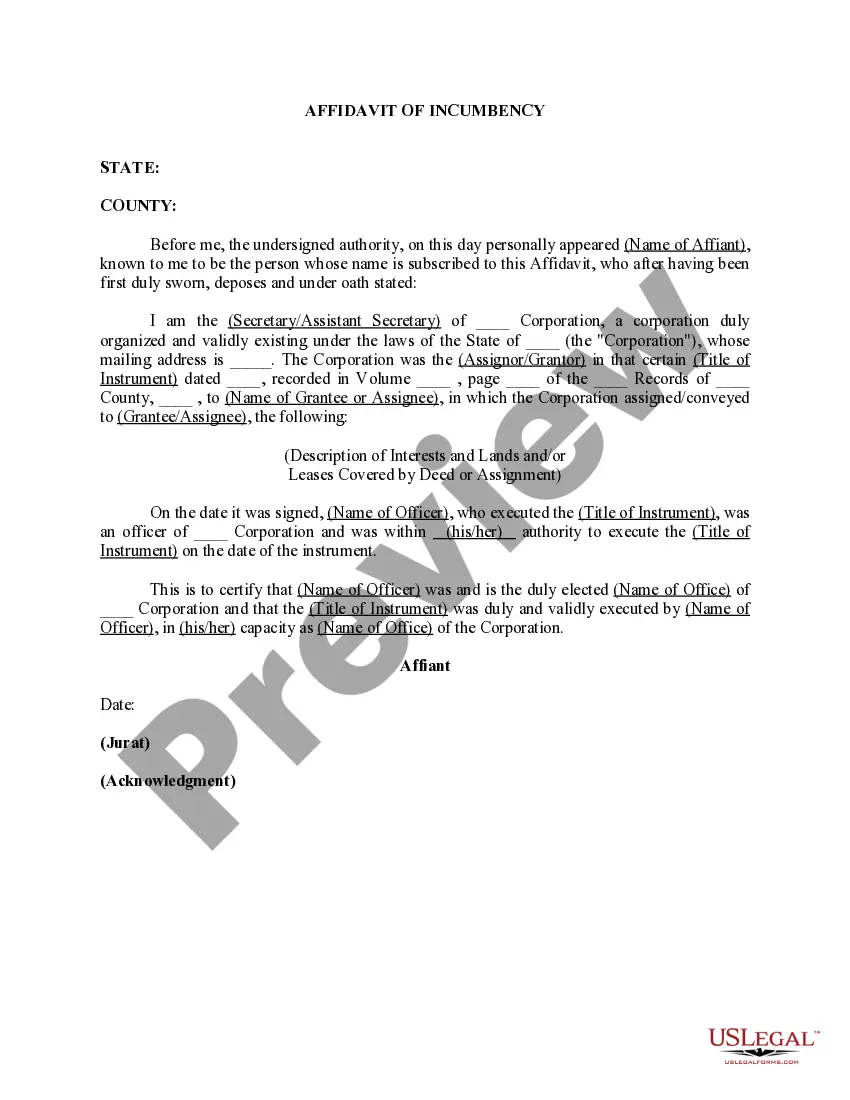
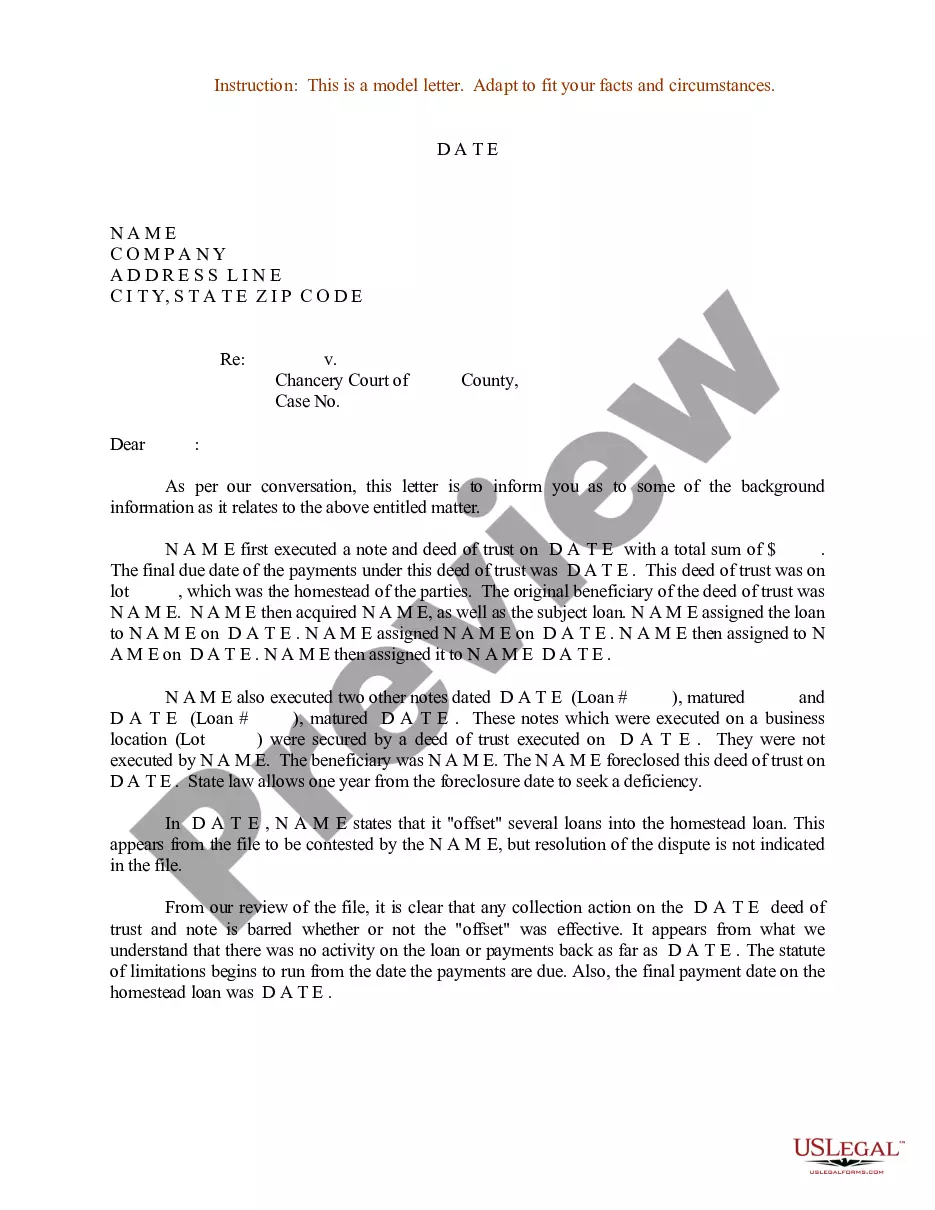
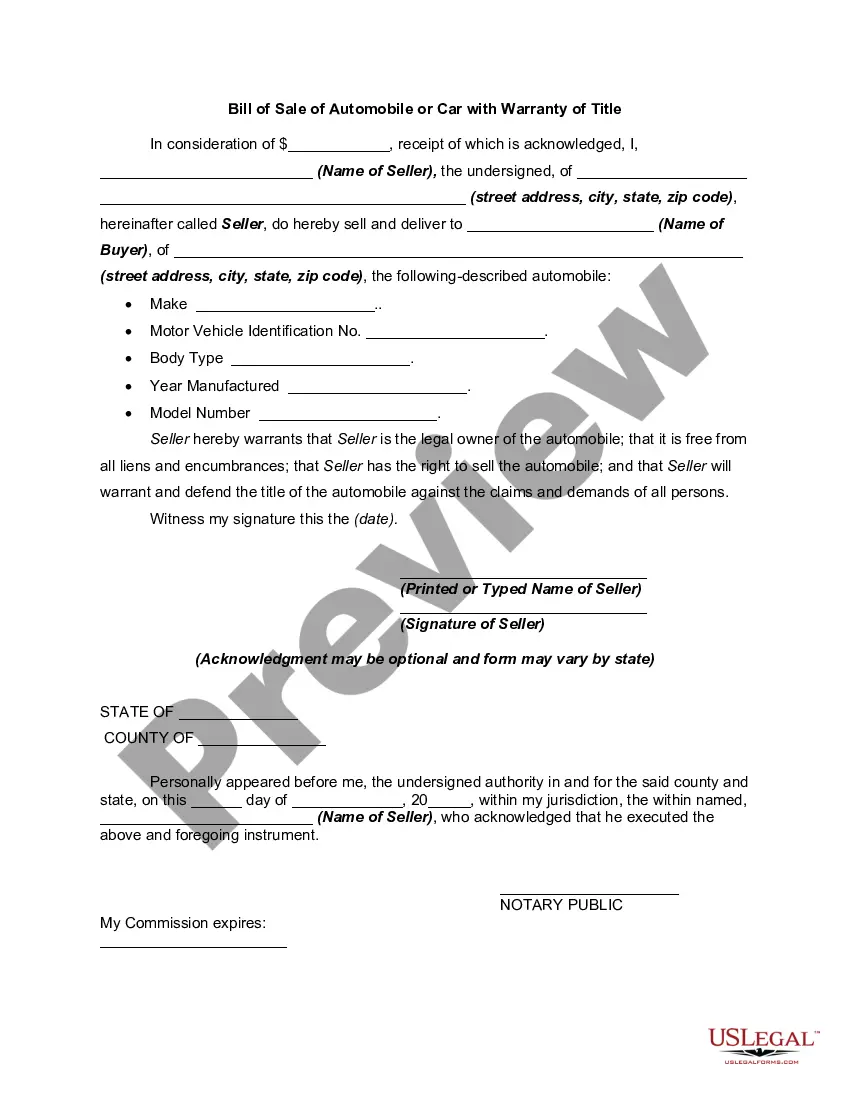
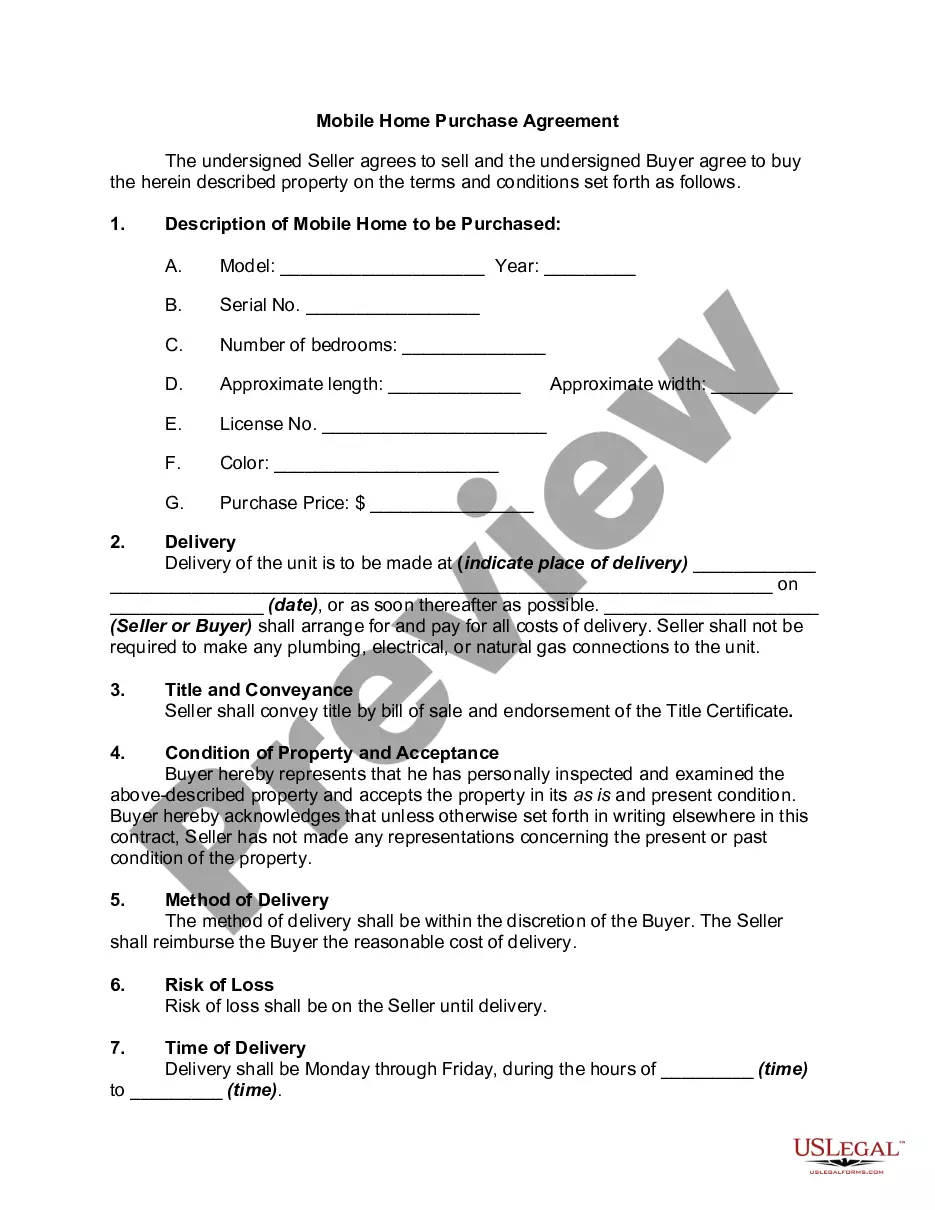
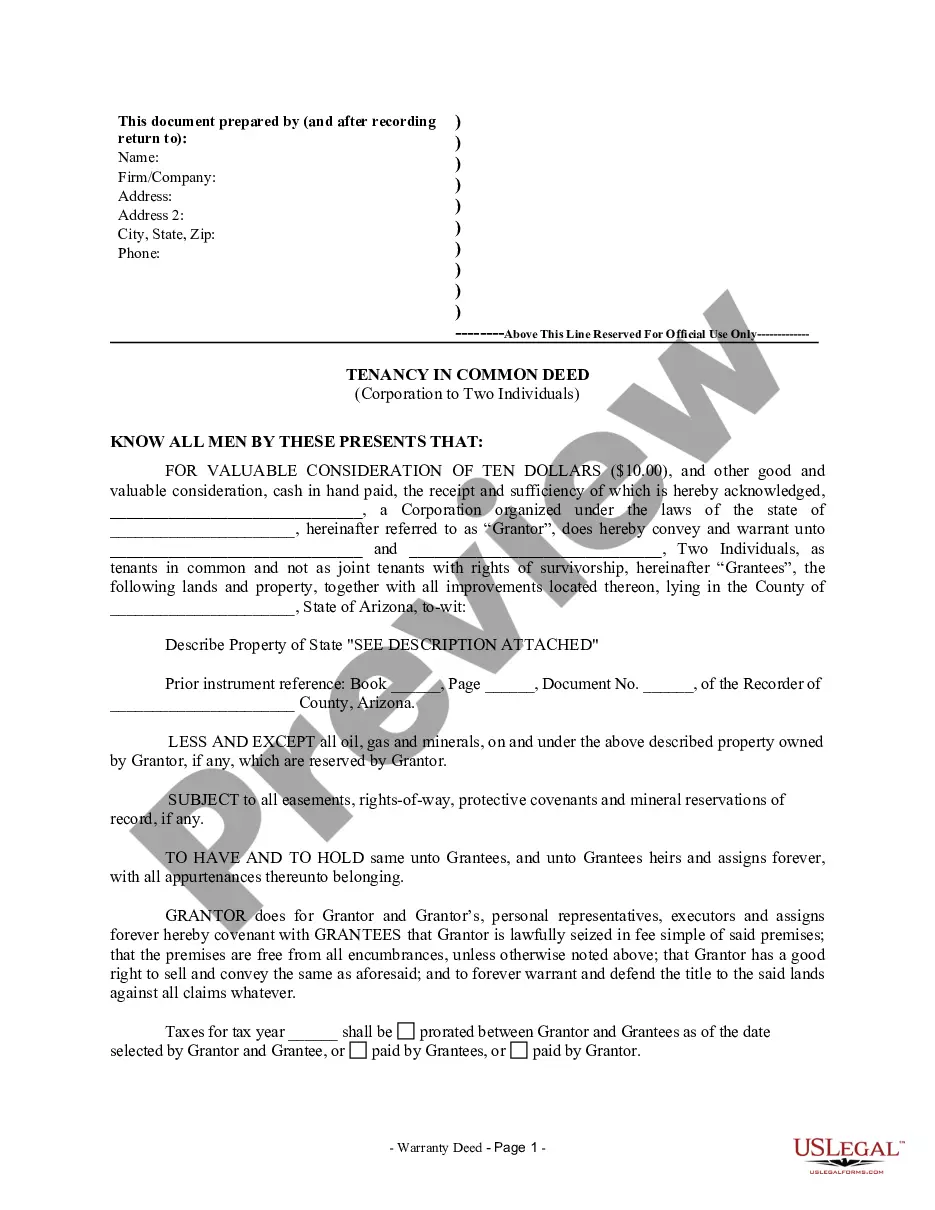
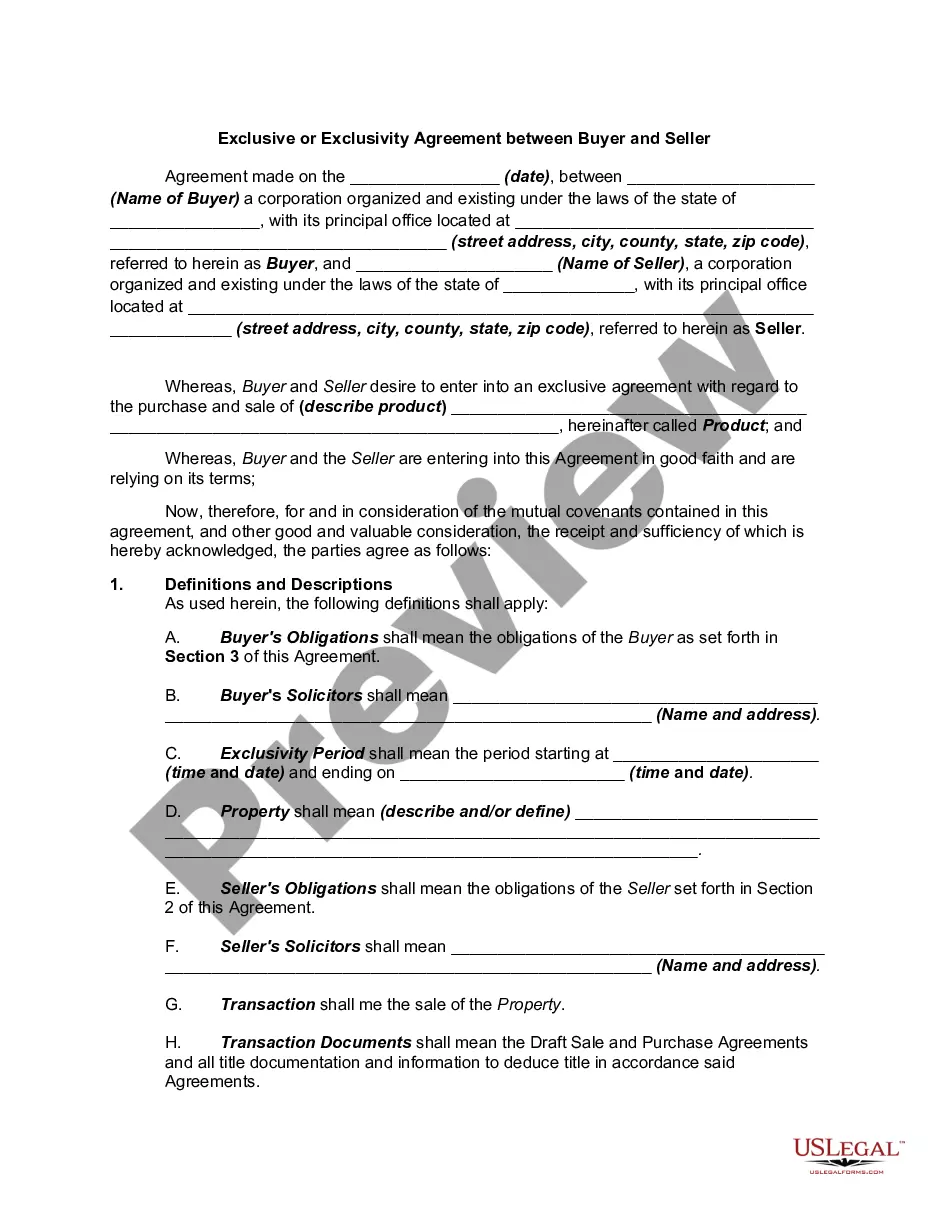
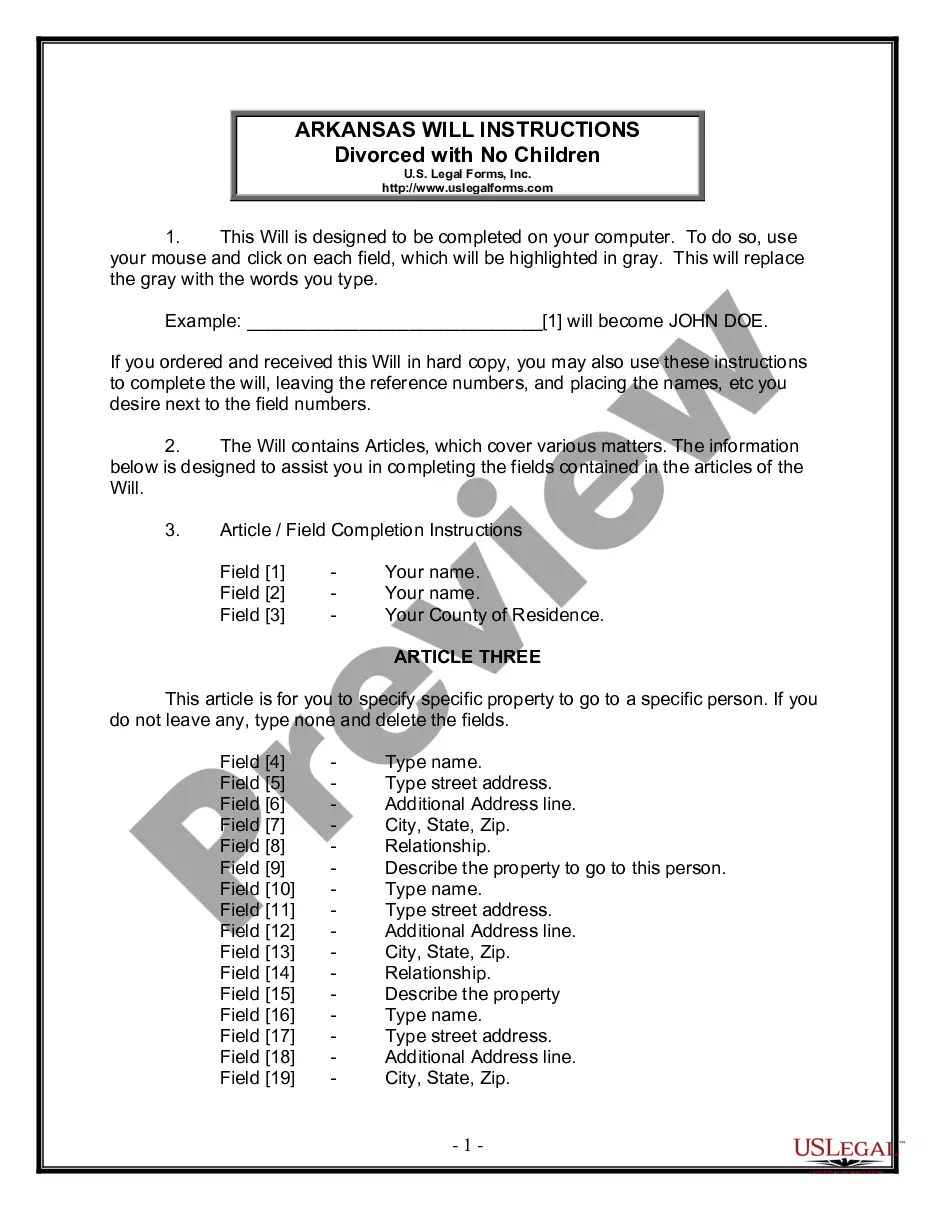
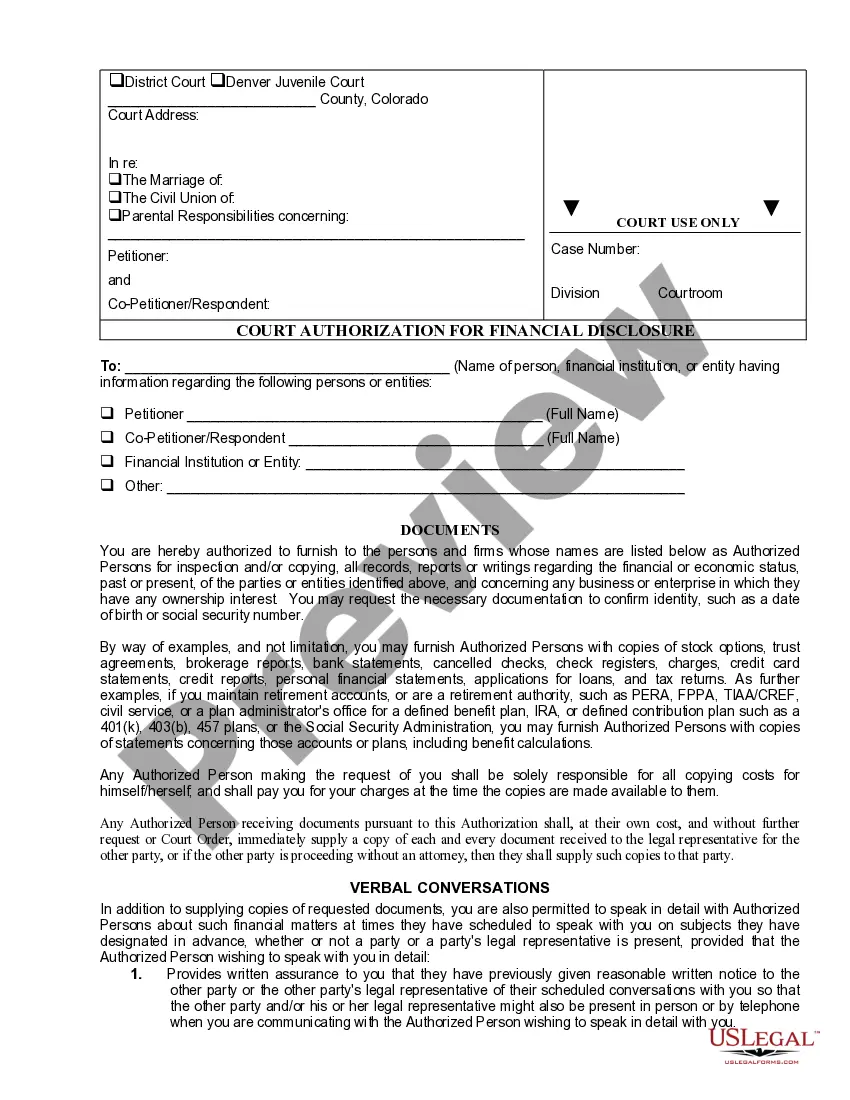
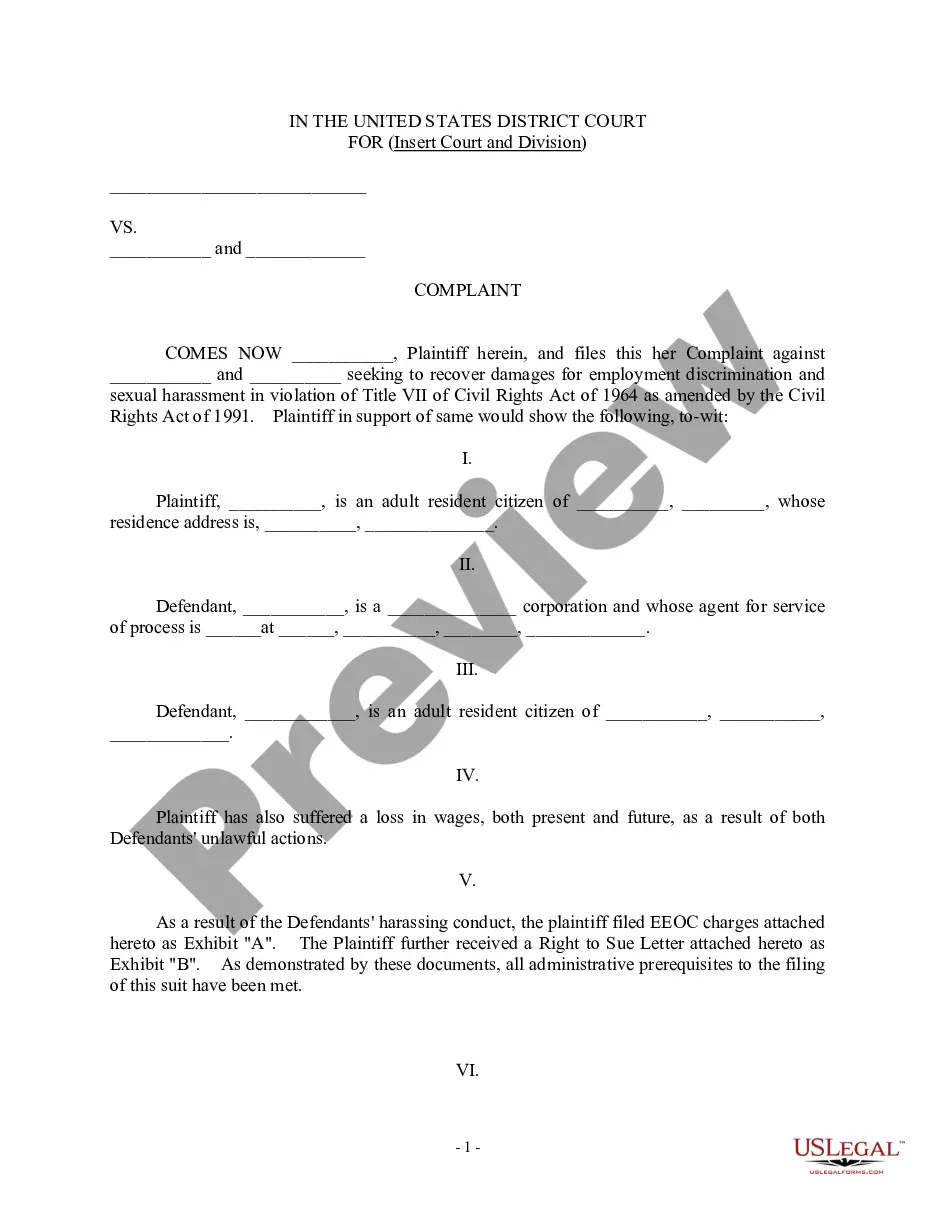
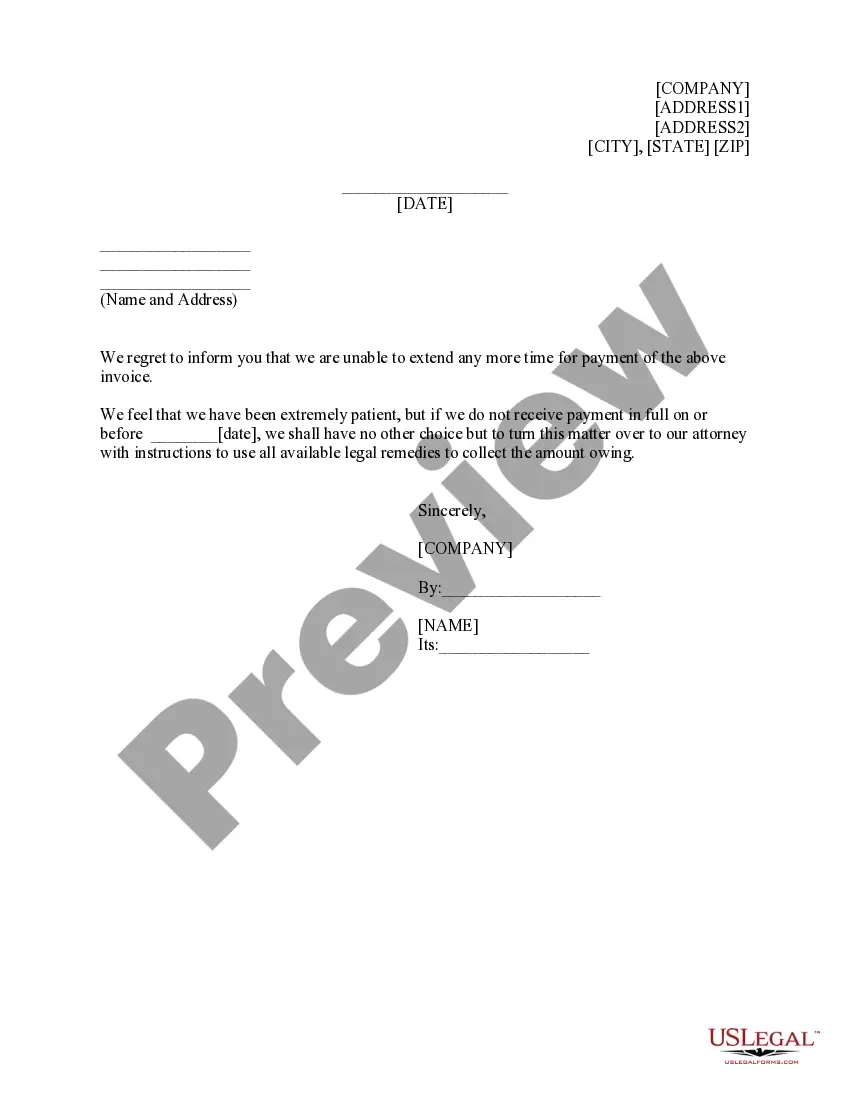
How to fill out Sample Letter For Agreed Order Of Dismissal With Prejudice With Envelope?
It’s common knowledge that you cannot instantly become a legal expert, nor can you swiftly learn how to draft a Court Case Dismissal Letter Sample For Job Application without the necessary specialized knowledge.
Assembling legal documents is a lengthy procedure that demands particular training and expertise. Therefore, why not entrust the development of the Court Case Dismissal Letter Sample For Job Application to the experts.
With US Legal Forms, one of the most extensive libraries of legal templates, you can find everything from court documents to templates for internal corporate communications.
You can regain access to your documents from the My documents tab whenever needed. If you are a current client, you can simply Log In, and find and download the template from the same section.
Regardless of the reason for your paperwork—whether it be financial, legal, or personal—our website has you covered. Experience US Legal Forms today!
- Utilize the search bar at the top of the page to locate the form you require.
- Examine it (if this option is available) and review the accompanying description to see if the Court Case Dismissal Letter Sample For Job Application is what you need.
- If you require a different form, start your search anew.
- Create a free account and choose a subscription plan to purchase the template.
- Click Buy now. Once the payment is processed, you can download the Court Case Dismissal Letter Sample For Job Application, fill it out, print it, and send or mail it to the necessary parties.
Form popularity
FAQ
In New Jersey, abandonment is one of the grounds for divorce, meaning that it can be cited as a reason for the dissolution of a marriage. However, proving abandonment in a New Jersey divorce case can be complex, necessitating a thorough understanding of relevant legal requirements and guidelines.
Abandonment of a child shall consist in any of the following acts by anyone having the custody or control of the child: (a) willfully forsaking a child; (b) failing to care for and keep the control and custody of a child so that the child shall be exposed to physical or moral risk without proper and sufficient ...
Today, the avenue of choice for most spouses seeking a legally viable separation in New Jersey is to negotiate a Separation Agreement (sometimes referred to as a Property Settlement Agreement).
Abandoning a child under one year of age is usually a felony. A conviction for this crime may result in 10 to 25 years of incarceration. One who abandons a child is also at risk of losing parental or visitation rights in most states. Parental rights are terminated when the court concludes that the parent is unfit.
Property is abandoned in ance with New Jersey law (i.e. State v. Johnson) where the owner knowingly and voluntarily relinquishes any possessory or ownership interest in the item and there is no other apparent or known owners of the property.
The personal property is considered abandoned and must be removed from the premises or from the place of safekeeping (if landlord has stored the personal property) not less than 30 days after delivery of the notice or not less than 33 days after the date of mailing, whichever comes first.
For example, if a partner is put in a dangerous situation, this is considered a justification for leaving without the knowledge or consent of the other partner. There are two types of marital abandonment: criminal marital abandonment and constructive marital abandonment.
Abandonment of a child shall consist in any of the following acts by anyone having the custody or control of the child: (a) willfully forsaking a child; (b) failing to care for and keep the control and custody of a child so that the child shall be exposed to physical or moral risk without proper and sufficient ...