Tenants In Survivorship
Description
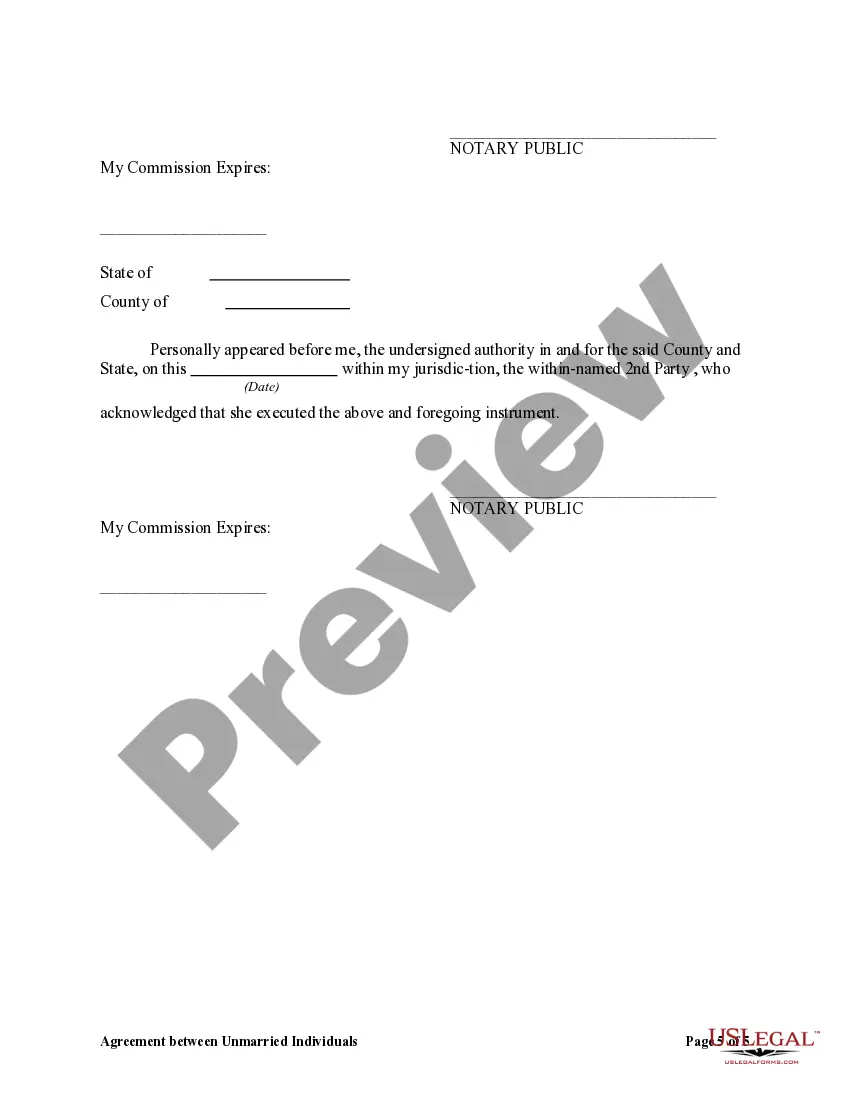

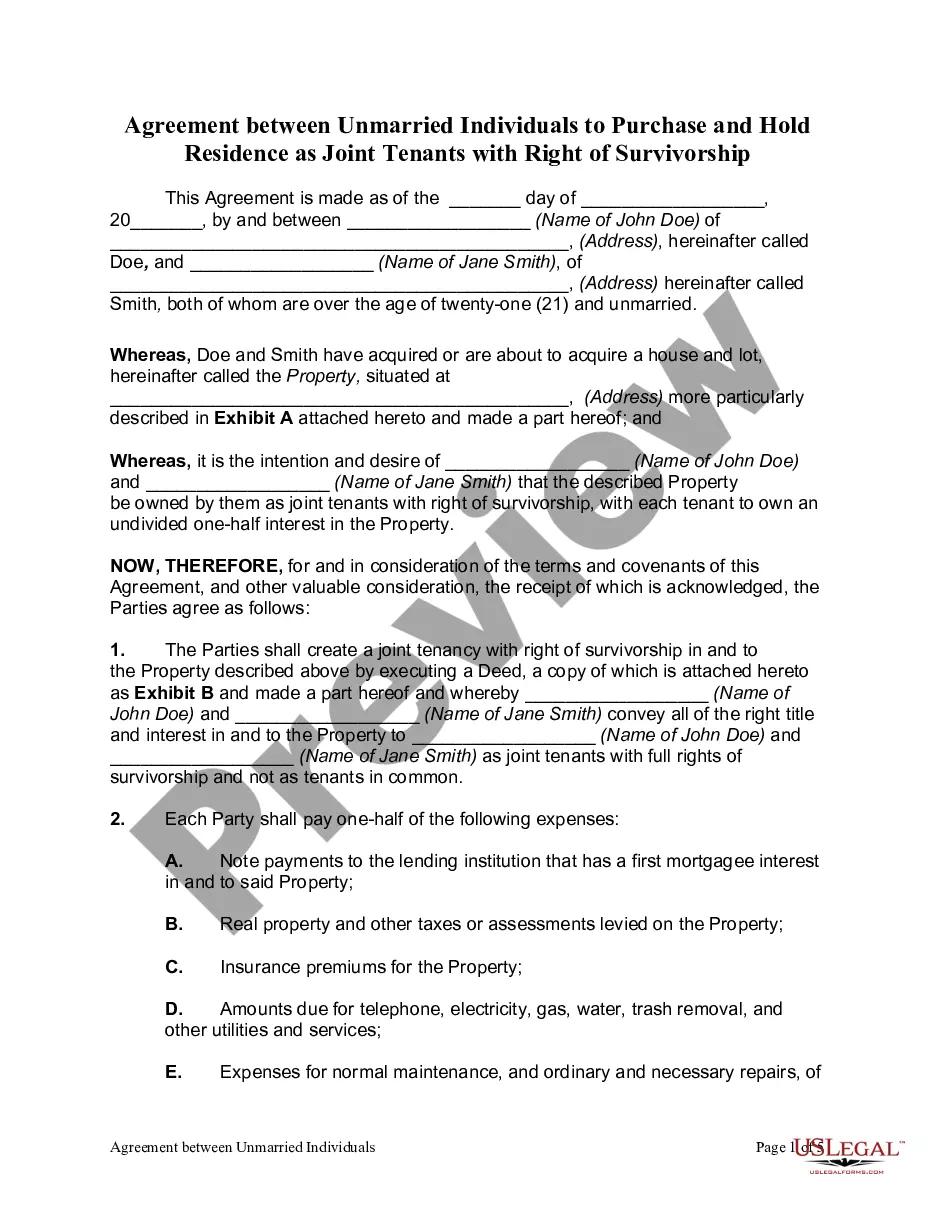
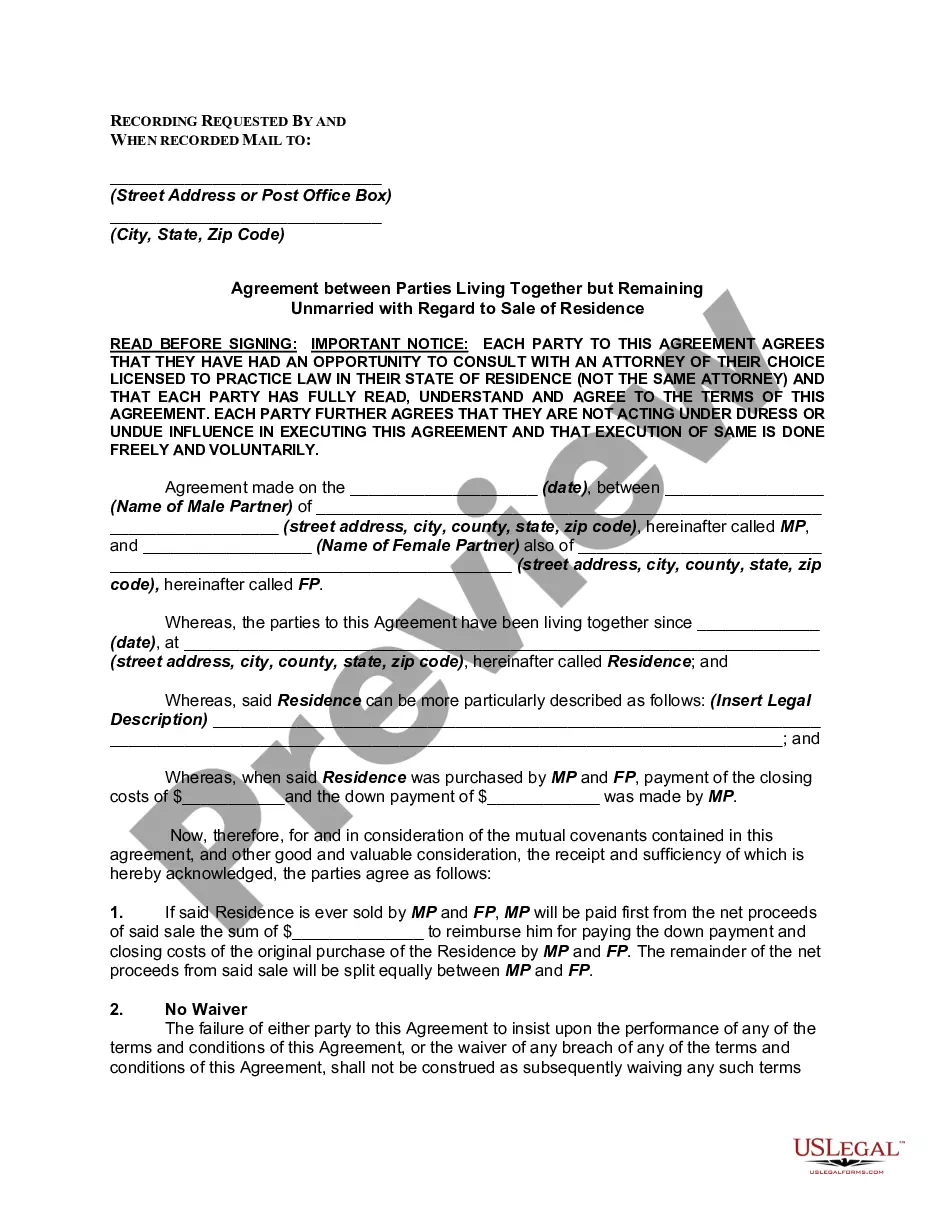
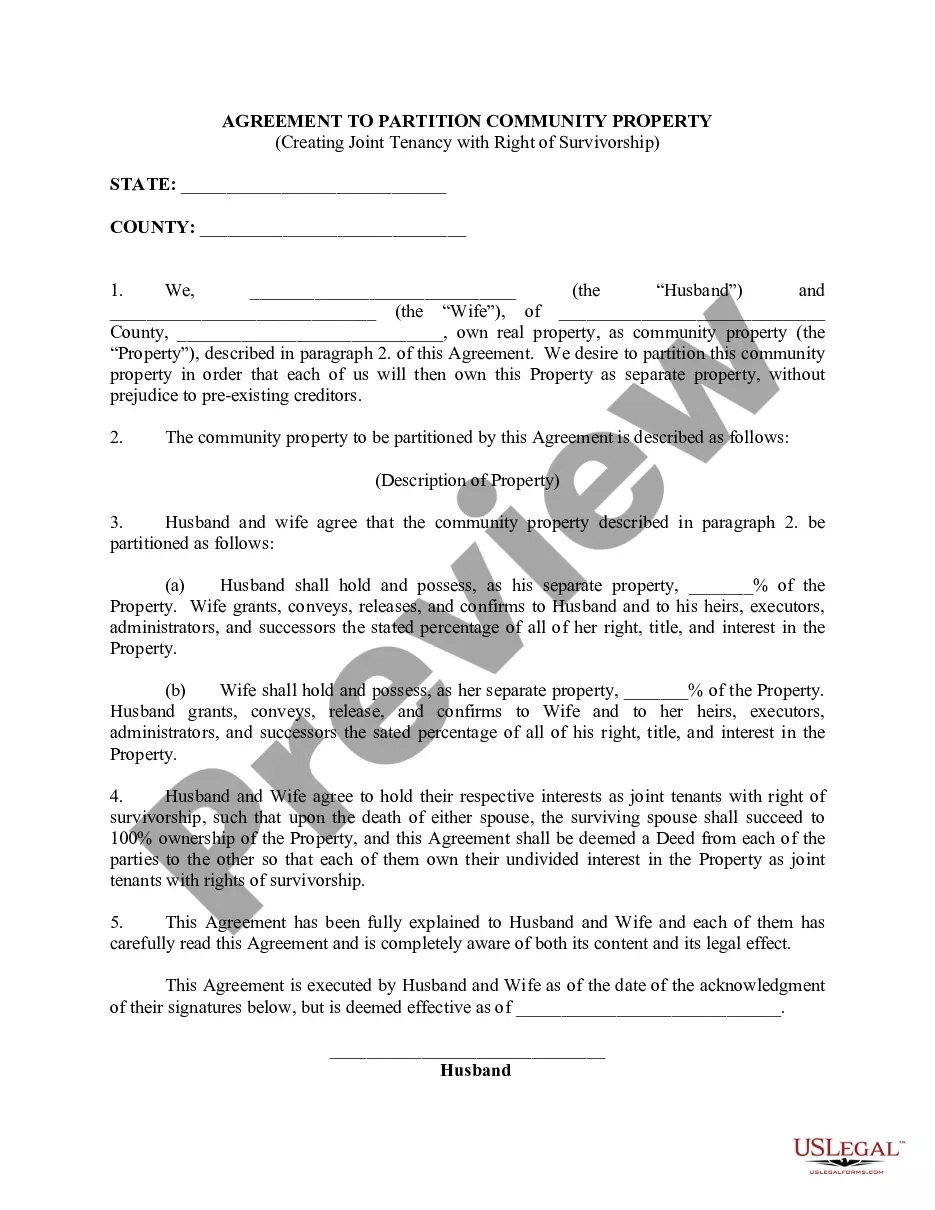
Get your form ready online
Our built-in tools help you complete, sign, share, and store your documents in one place.
Make edits, fill in missing information, and update formatting in US Legal Forms—just like you would in MS Word.
Download a copy, print it, send it by email, or mail it via USPS—whatever works best for your next step.
Sign and collect signatures with our SignNow integration. Send to multiple recipients, set reminders, and more. Go Premium to unlock E-Sign.
If this form requires notarization, complete it online through a secure video call—no need to meet a notary in person or wait for an appointment.
We protect your documents and personal data by following strict security and privacy standards.

Make edits, fill in missing information, and update formatting in US Legal Forms—just like you would in MS Word.

Download a copy, print it, send it by email, or mail it via USPS—whatever works best for your next step.

Sign and collect signatures with our SignNow integration. Send to multiple recipients, set reminders, and more. Go Premium to unlock E-Sign.

If this form requires notarization, complete it online through a secure video call—no need to meet a notary in person or wait for an appointment.

We protect your documents and personal data by following strict security and privacy standards.
Looking for another form?





How to fill out Agreement Between Unmarried Individuals To Purchase And Hold Residence As Joint Tenants With Right Of Survivorship?
Handling legal papers and operations could be a time-consuming addition to your day. Tenants In Survivorship and forms like it typically need you to search for them and navigate how to complete them appropriately. Consequently, whether you are taking care of economic, legal, or individual matters, having a extensive and hassle-free online library of forms close at hand will significantly help.
US Legal Forms is the number one online platform of legal templates, featuring more than 85,000 state-specific forms and a variety of tools to assist you complete your papers quickly. Discover the library of pertinent documents accessible to you with just a single click.
US Legal Forms offers you state- and county-specific forms offered at any moment for downloading. Protect your papers managing procedures using a high quality services that lets you prepare any form within a few minutes without having additional or hidden charges. Simply log in to your account, find Tenants In Survivorship and acquire it immediately within the My Forms tab. You may also access formerly saved forms.
Would it be the first time using US Legal Forms? Register and set up a free account in a few minutes and you will gain access to the form library and Tenants In Survivorship. Then, stick to the steps below to complete your form:
- Be sure you have discovered the correct form using the Review option and reading the form description.
- Pick Buy Now when all set, and choose the subscription plan that fits your needs.
- Choose Download then complete, sign, and print out the form.
US Legal Forms has twenty five years of expertise supporting users deal with their legal papers. Discover the form you require right now and improve any process without having to break a sweat.
Form popularity
FAQ
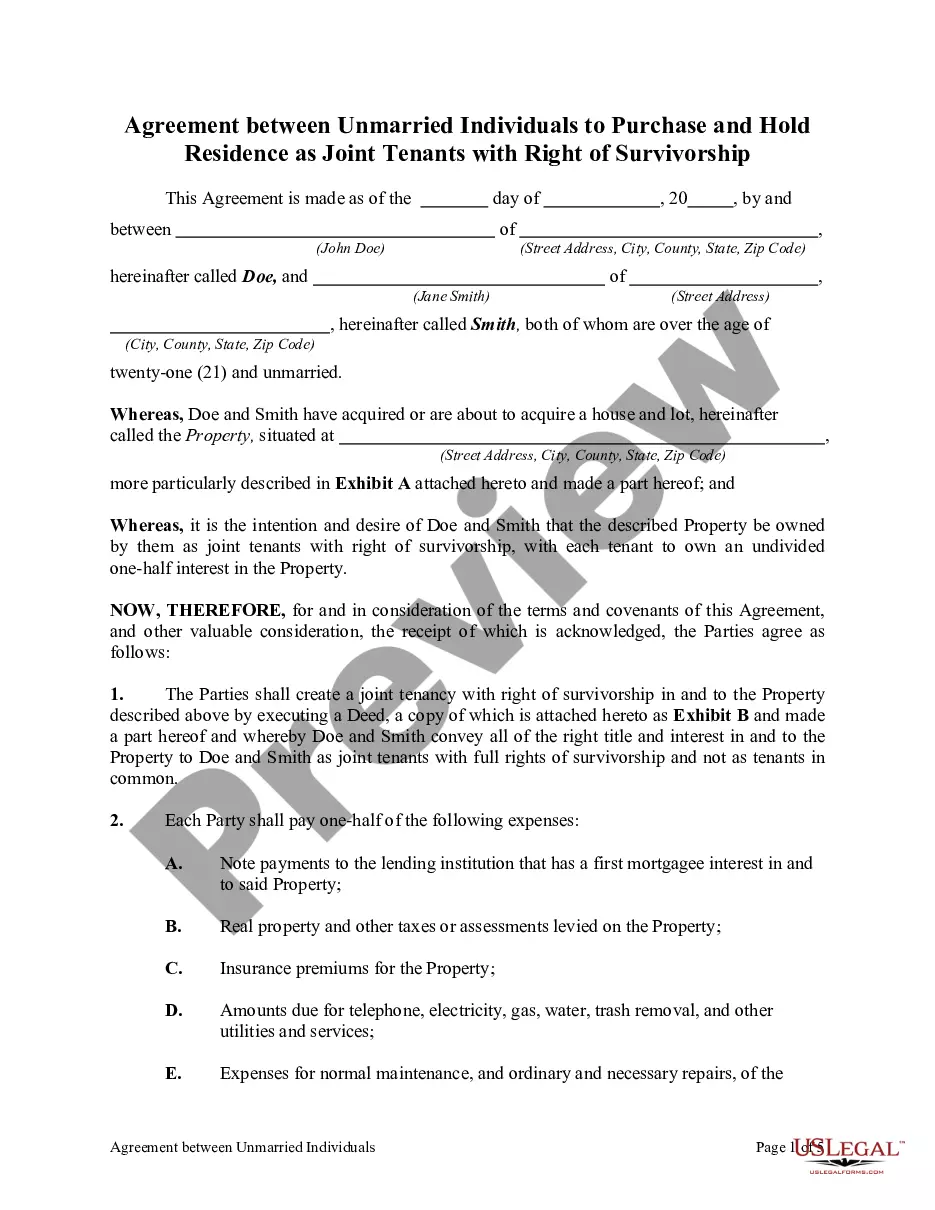
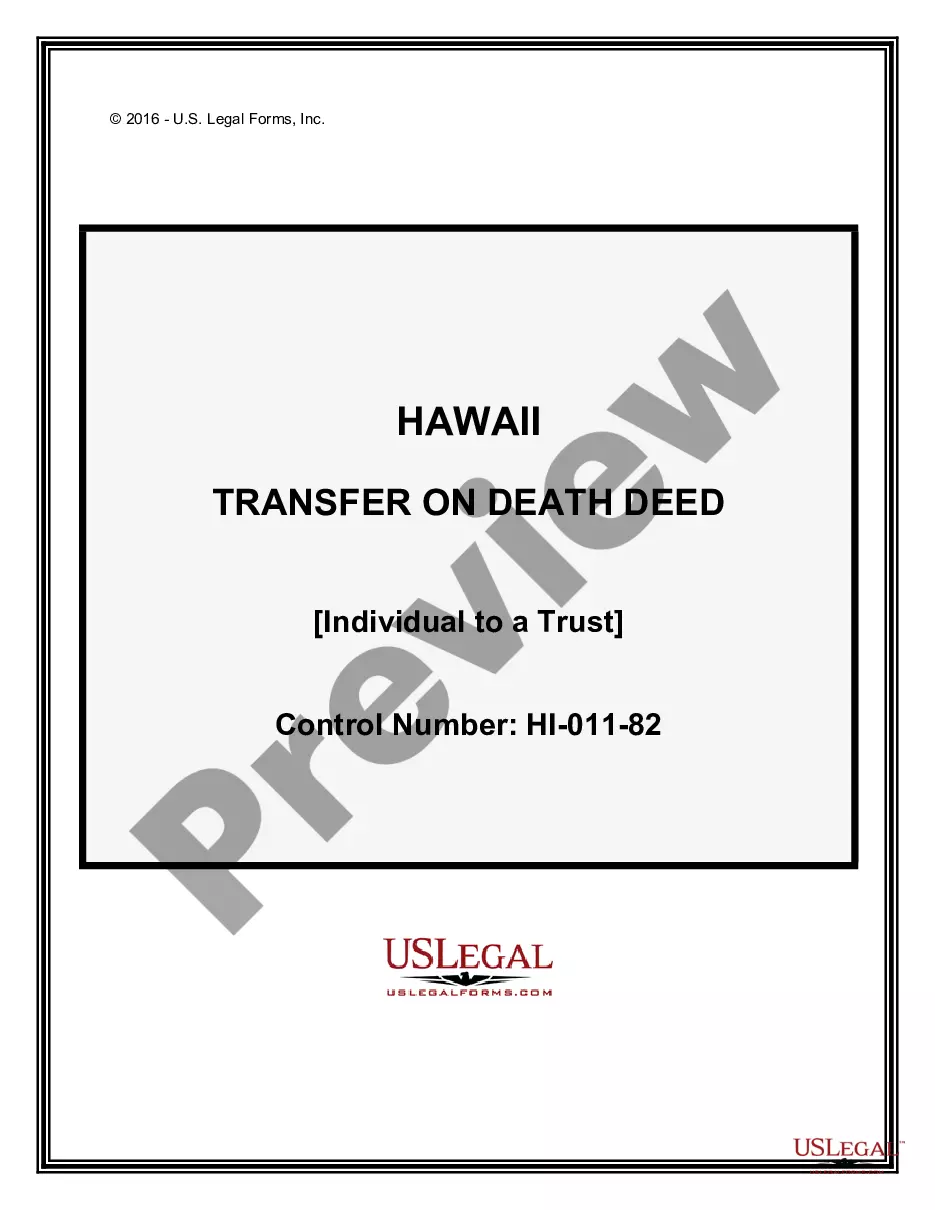
If a house is owned by two or more people as joint tenants, the other owners have the right of survivorship, which means that they inherit the entire property in their name. Real estate sometimes can be transferred without court with a transfer-on-death deed (also called a beneficiary deed).
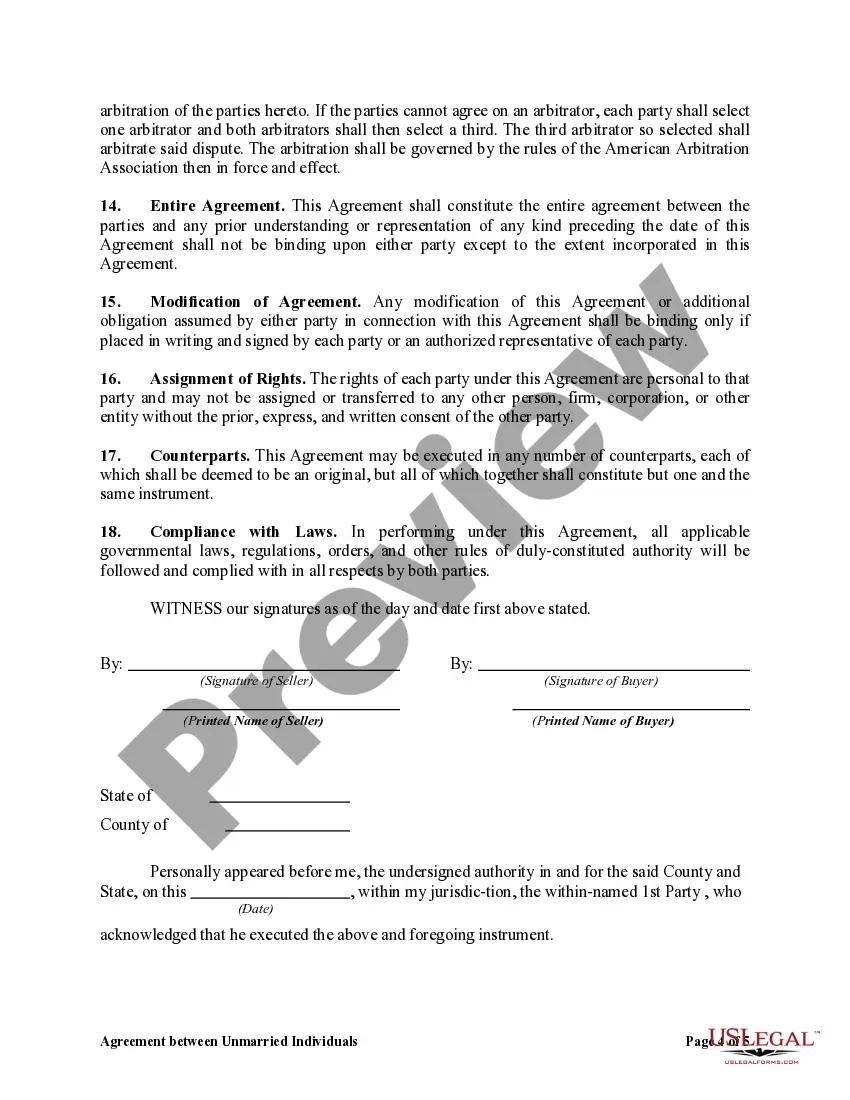
It provides several advantages, such as automatic transfer of ownership, equal ownership, protection of property, and tax benefits. However, disadvantages include limited applicability, no control over inheritance, the potential for disputes, and limited flexibility.
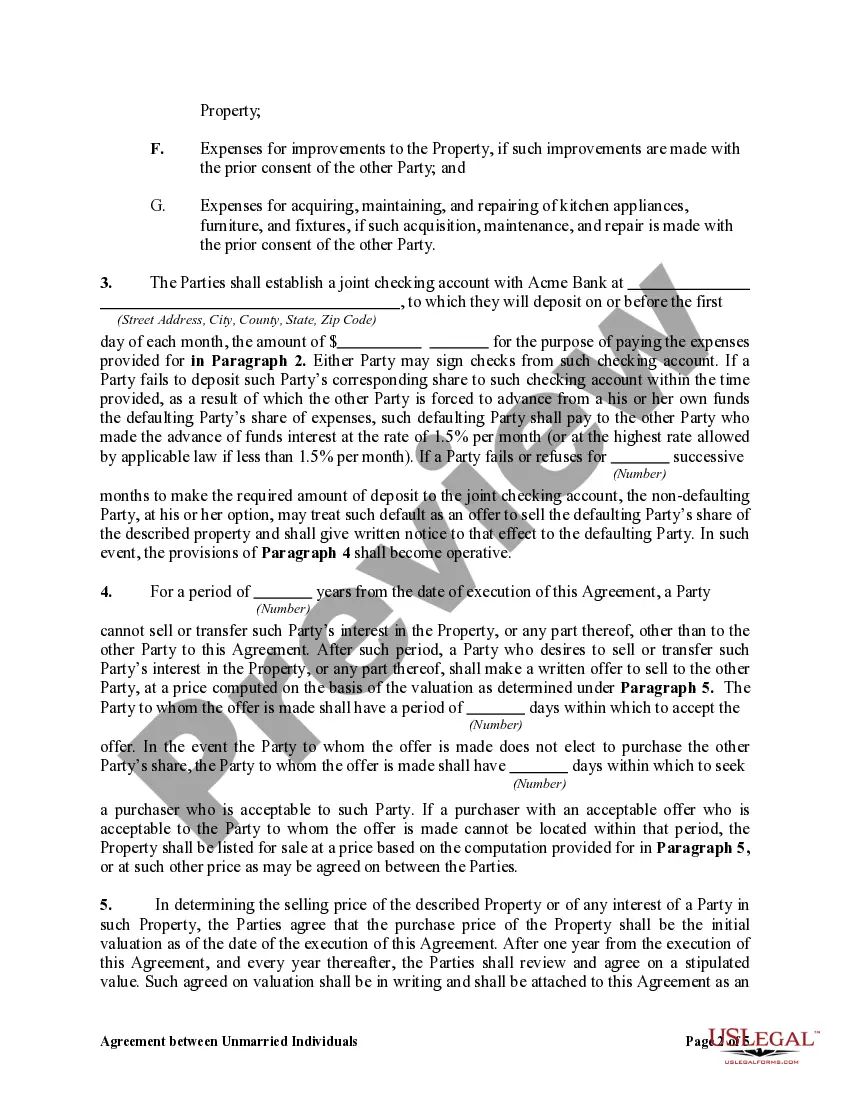
Property owned jointly with rights of survivorship is treated very much like property owned with multiple beneficiaries. The difference is often in the distribution to remaining owners if one has died. Unless percentage ownership of specific shares is spelled out, only the surviving owners will inherit the property.
For example, if two people, Mark and Amanda, own a property together and Mark dies, then Amanda will become to sole owner of the property even if this is not detailed in the will because the two of them purchased the property together.
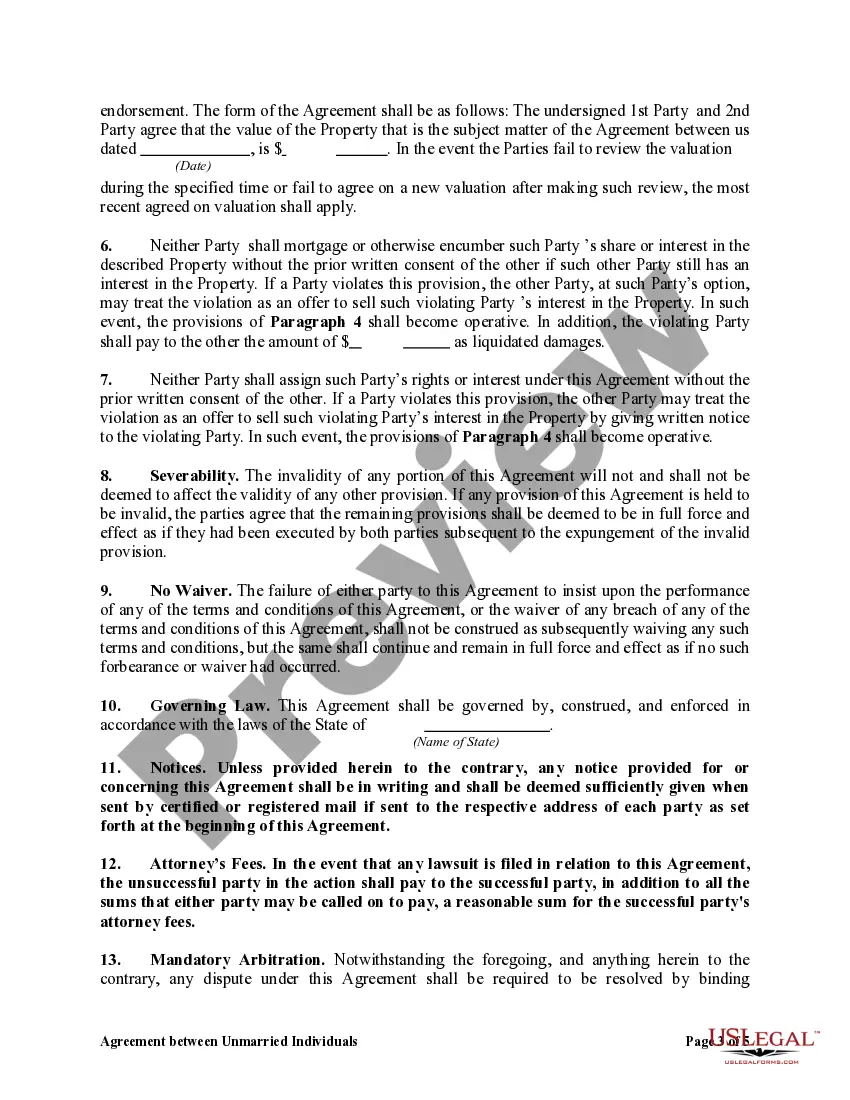
The most important difference between the two forms of ownership is that, if you enter a tenancy in common, you are not automatically creating rights of survivorship, so co-tenants can pass the property down to their heirs as a bequest.