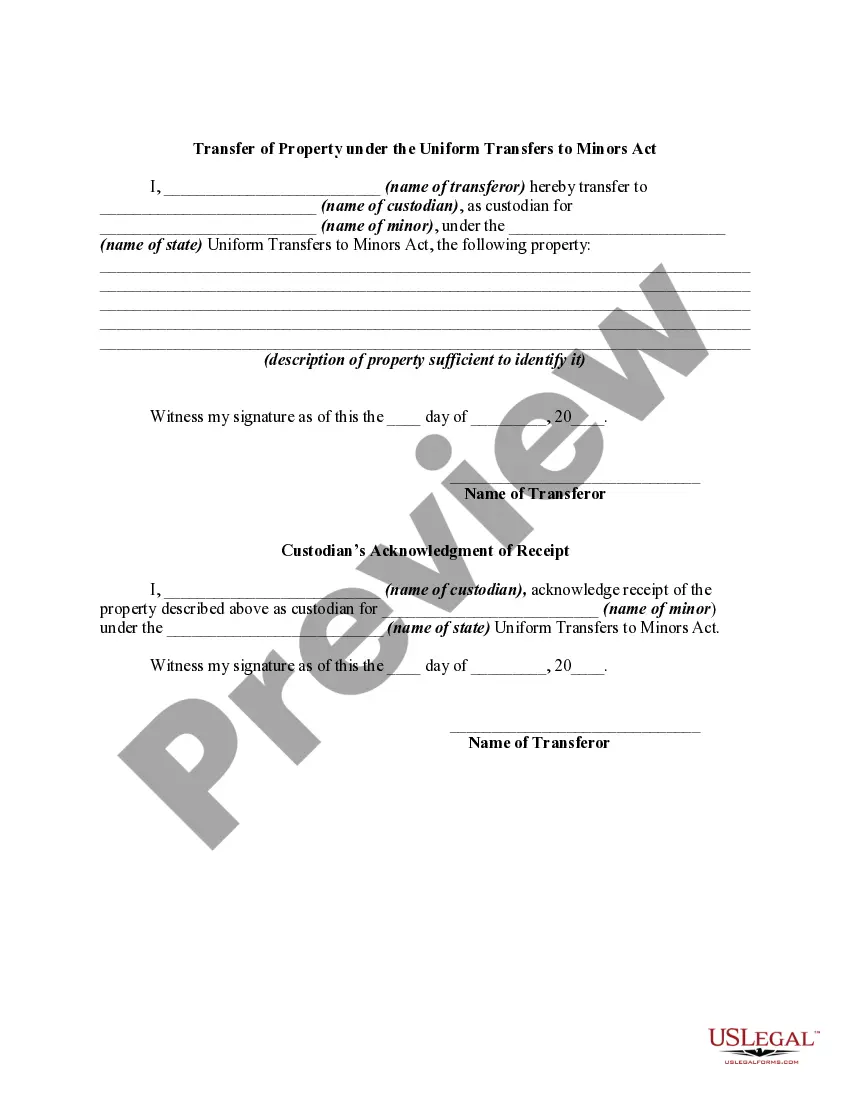
Transfer Of Property Act In Tamil
Description
Get your form ready online
Our built-in tools help you complete, sign, share, and store your documents in one place.
Make edits, fill in missing information, and update formatting in US Legal Forms—just like you would in MS Word.
Download a copy, print it, send it by email, or mail it via USPS—whatever works best for your next step.
Sign and collect signatures with our SignNow integration. Send to multiple recipients, set reminders, and more. Go Premium to unlock E-Sign.
If this form requires notarization, complete it online through a secure video call—no need to meet a notary in person or wait for an appointment.
We protect your documents and personal data by following strict security and privacy standards.

Make edits, fill in missing information, and update formatting in US Legal Forms—just like you would in MS Word.

Download a copy, print it, send it by email, or mail it via USPS—whatever works best for your next step.

Sign and collect signatures with our SignNow integration. Send to multiple recipients, set reminders, and more. Go Premium to unlock E-Sign.

If this form requires notarization, complete it online through a secure video call—no need to meet a notary in person or wait for an appointment.

We protect your documents and personal data by following strict security and privacy standards.
Looking for another form?
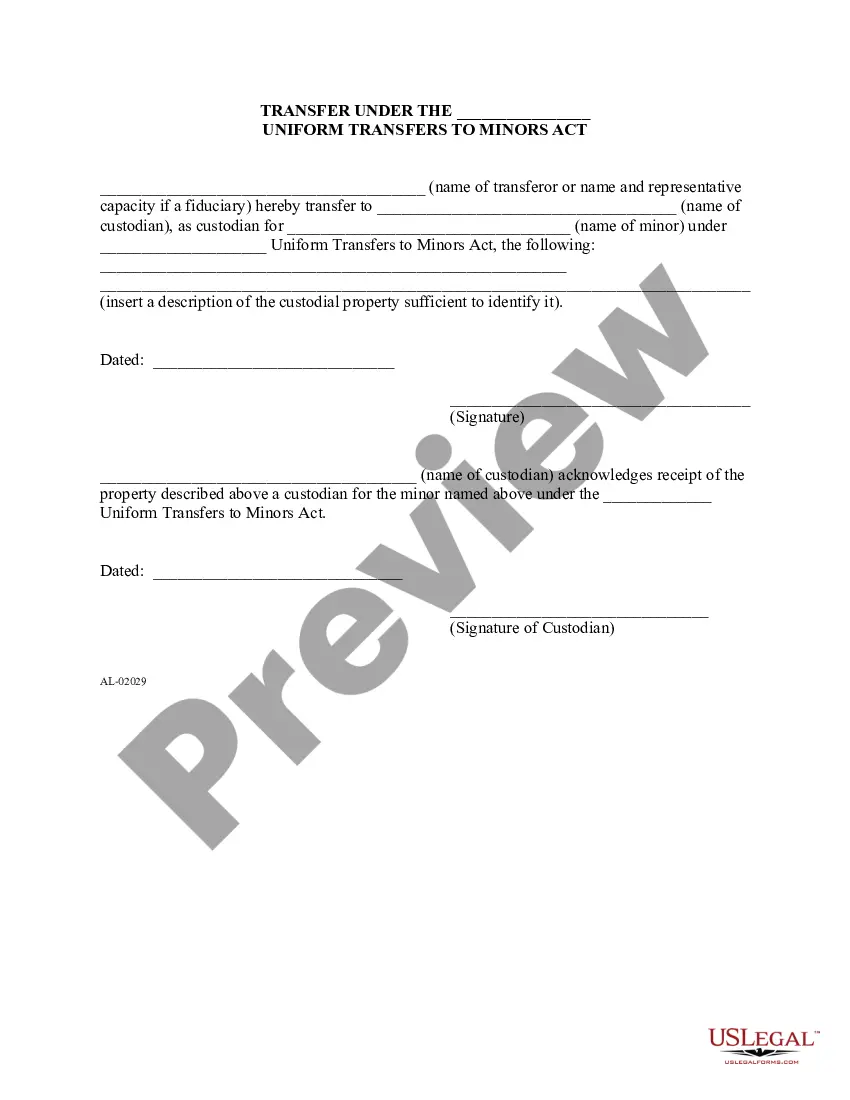
How to fill out Transfer Of Property Under The Uniform Transfers To Minors Act?
Locating a reliable source for the latest and pertinent legal samples is a significant part of navigating bureaucracy.
Selecting the appropriate legal documents necessitates precision and meticulousness, which clarifies the necessity of obtaining samples of the Transfer Of Property Act In Tamil solely from trustworthy providers, such as US Legal Forms. An incorrect template could squander your time and delay the circumstances you are facing. With US Legal Forms, you have minimal concerns.
Once you have the form on your device, you may modify it using the editor or print it out and fill it in manually. Eliminate the complications associated with your legal documentation. Explore the comprehensive US Legal Forms library to discover legal samples, assess their applicability to your circumstances, and download them immediately.
- Utilize the library navigation or search bar to locate your sample.
- Access the form’s details to verify if it meets the standards of your state and locality.
- Preview the form, if available, to confirm it is indeed the one you need.
- Return to the search to find the suitable document if the Transfer Of Property Act In Tamil does not meet your standards.
- If you are certain about the form’s applicability, download it.
- As a registered user, click Log in to verify and access your selected forms in My documents.
- If you do not possess an account yet, click Buy now to acquire the form.
- Select the pricing option that suits your needs.
- Proceed with registration to finalize your purchase.
- Complete your transaction by selecting a payment method (credit card or PayPal).
- Choose the document format for downloading the Transfer Of Property Act In Tamil.
Form popularity
FAQ
சொத்து உரிமை, ஒரு நபருக்கு சொத்துகளை வைத்திருப்பதற்கான சட்டபூர்வமான உரிமையை குறிக்கிறது. இது சொத்துகளை வாங்க, விற்க, அல்லது பரிமாறுவதற்கான அதிகாரத்தை வழங்குகிறது. சொத்து உரிமை என்பது சட்டத்தின் முன்னணி அம்சங்களில் ஒன்றாகும், மேலும் இது சொத்து இடமாற்றச் சட்டத்துடன் இணைந்துள்ளது. US Legal Forms மூலம், நீங்கள் இந்த உரிமைகளைப் பற்றிய மேலதிக தகவல்களைப் பெறலாம்.
1956 ஆம் ஆண்டு இந்து சொத்துரிமைச் சட்டம், இந்து குடும்பங்களில் சொத்துகளின் உரிமையை நிர்ணயிக்கிறது. இது குடும்ப உறுப்பினர்களுக்கு உரிமைகளை வழங்குவதுடன், பெண்கள் மற்றும் ஆண்கள் இடையிலான சமதரிசத்தைக் காக்கிறது. இந்த சட்டத்தின் மூலம், சொத்துகளின் உரிமை மற்றும் வாரிசுகள் பற்றிய சிக்கல்களை எளிதாக்கலாம். US Legal Forms இந்த சட்டத்தைப் பற்றிய விவரங்களை வழங்குகிறது.
இந்து வாரிசு சட்டம் 1956, இந்து குடும்பங்களில் சொத்துக்களை வாரிசுகளுக்கு பெறுவதற்கான விதிகளை அமைக்கிறது. இந்த சட்டம், குடும்பத்தின் உறவுகளை அடிப்படையாகக் கொண்டு சொத்துகளைப் பகிர்ந்து கொள்வதில் வழிகாட்டுகிறது. இதன் மூலம், குடும்ப உறுப்பினர்கள் இடையே உரிமை மற்றும் உரிமைச் சிக்கல்களை தீர்க்க முடிகிறது. US Legal Forms மூலம், இந்த சட்டம் பற்றிய மேலதிக தகவல்களைப் பெறலாம்.
சொத்துரிமை இடமாற்றச் சட்டம், சொத்துகளை ஒருவரிடமிருந்து மற்றொருவருக்கு மாற்றுவதற்கான விதிகளை உருவாக்குகிறது. இந்த சட்டம் சொத்துகளின் உரிமையை சரியான முறையில் மாற்றுவதற்கான சட்டபூர்வமான வழிமுறைகளை வழங்குகிறது. நீங்கள் சொத்துகளை வாங்க, விற்க, அல்லது பரிமாற விரும்பினால், இந்த சட்டம் மிகவும் முக்கியமானது. US Legal Forms போன்ற தளங்கள், இந்த சட்டத்தை புரிந்து கொள்ளவும், நடைமுறைப்படுத்தவும் உதவுகின்றன.
The doctrine of holding out in the Transfer of Property Act in Tamil refers to situations where a person represents themselves as having authority to act on behalf of another party. This principle safeguards the interests of third parties who rely on that representation. If a property is transferred under such circumstances, the true owner may still be bound by the transaction, highlighting the importance of clarity in property dealings.
The Transfer of Property Act in Tamil covers various aspects related to the sale, lease, exchange, and mortgage of properties. It outlines the rights and obligations of both parties involved in property transactions. Additionally, it addresses issues such as property leases, tenant rights, and the legal procedures for transferring ownership, making it a comprehensive guide for property dealings.
Transferring property from a father to a son after the father's death in Tamil Nadu involves a few steps under the Transfer of Property Act in Tamil. The legal heirs must obtain a death certificate and then apply for a legal heir certificate. This certificate helps establish the rightful heir, enabling the property transfer process to proceed smoothly through registration with local authorities.
Under the Transfer of Property Act in Tamil, both movable and immovable properties can be transferred. This includes land, buildings, and any rights associated with these properties. However, certain restrictions apply, particularly for properties that are not legally transferable, such as properties under dispute. Understanding these nuances is crucial for a smooth transaction.