Oil Royalties
Description
Get your form ready online
Our built-in tools help you complete, sign, share, and store your documents in one place.
Make edits, fill in missing information, and update formatting in US Legal Forms—just like you would in MS Word.
Download a copy, print it, send it by email, or mail it via USPS—whatever works best for your next step.
Sign and collect signatures with our SignNow integration. Send to multiple recipients, set reminders, and more. Go Premium to unlock E-Sign.
If this form requires notarization, complete it online through a secure video call—no need to meet a notary in person or wait for an appointment.
We protect your documents and personal data by following strict security and privacy standards.

Make edits, fill in missing information, and update formatting in US Legal Forms—just like you would in MS Word.

Download a copy, print it, send it by email, or mail it via USPS—whatever works best for your next step.

Sign and collect signatures with our SignNow integration. Send to multiple recipients, set reminders, and more. Go Premium to unlock E-Sign.

If this form requires notarization, complete it online through a secure video call—no need to meet a notary in person or wait for an appointment.

We protect your documents and personal data by following strict security and privacy standards.
Looking for another form?

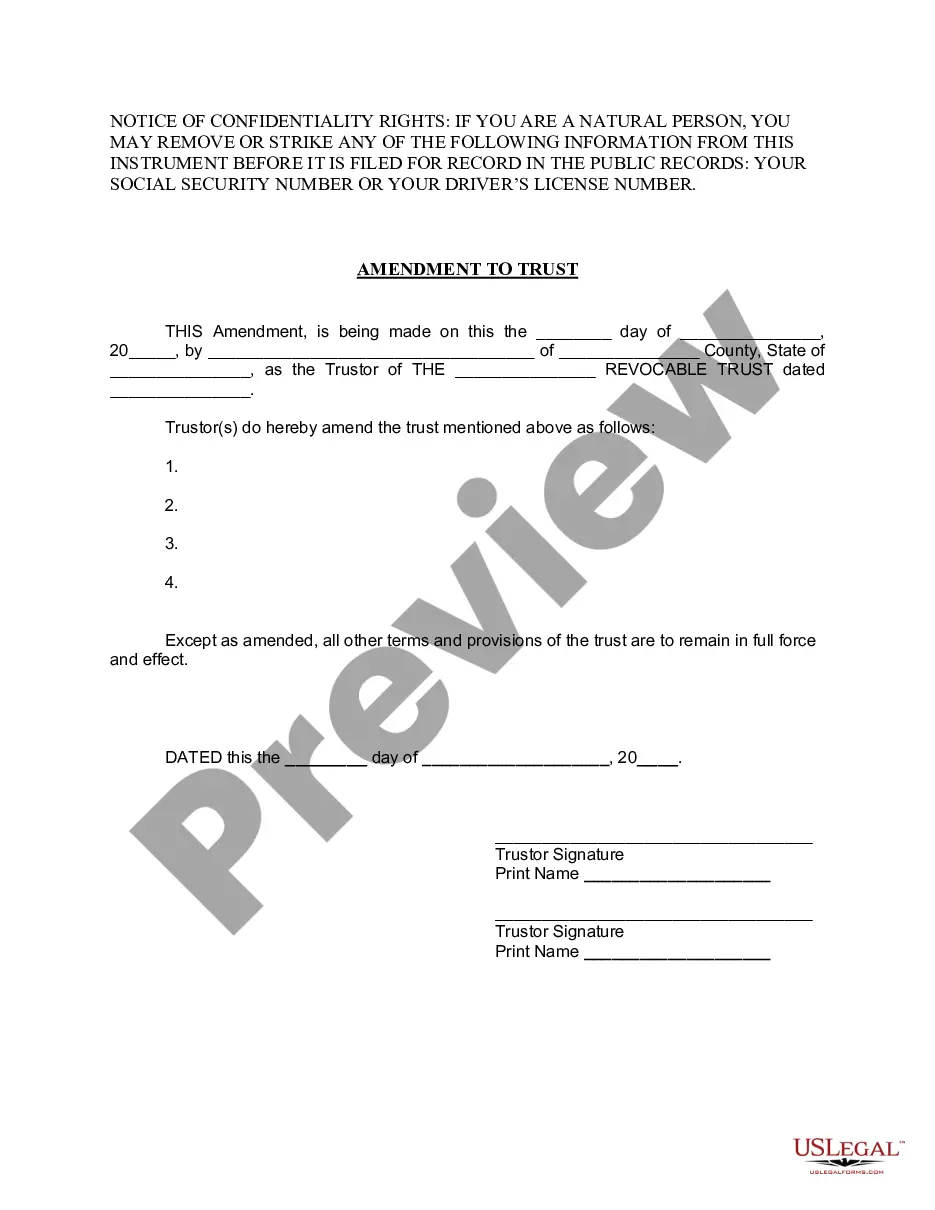
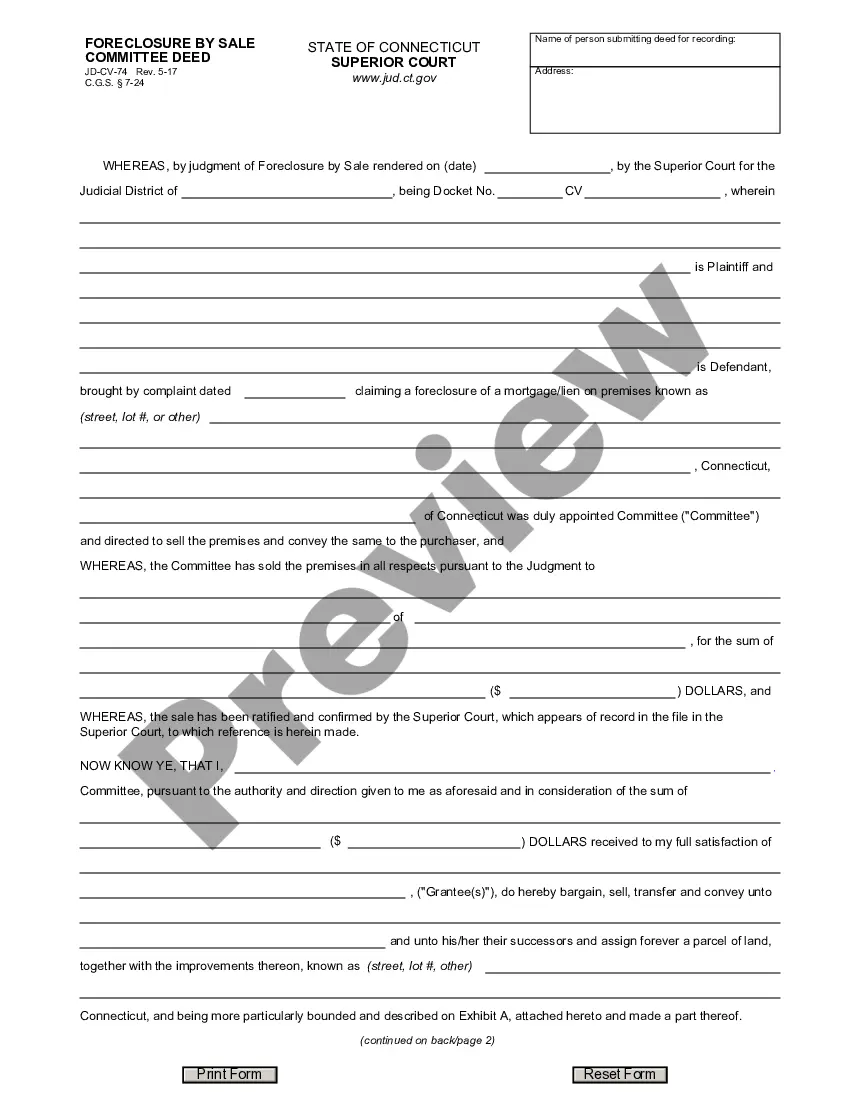





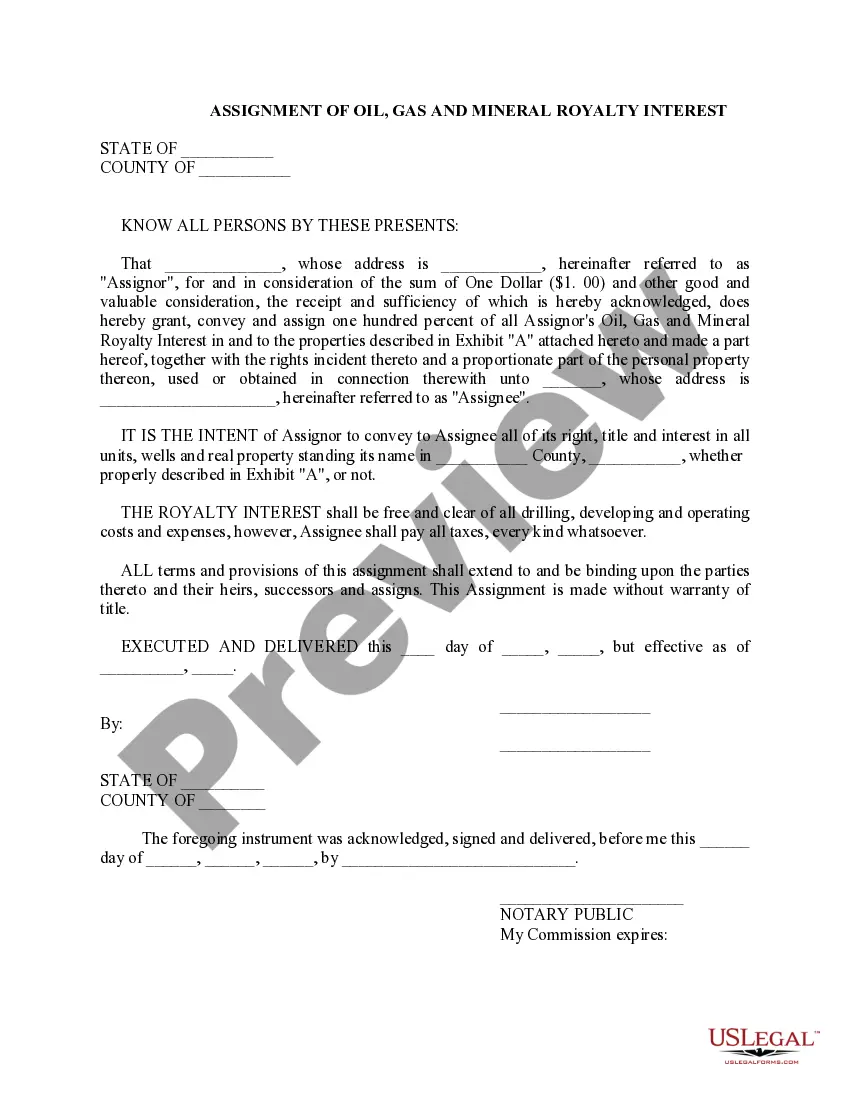
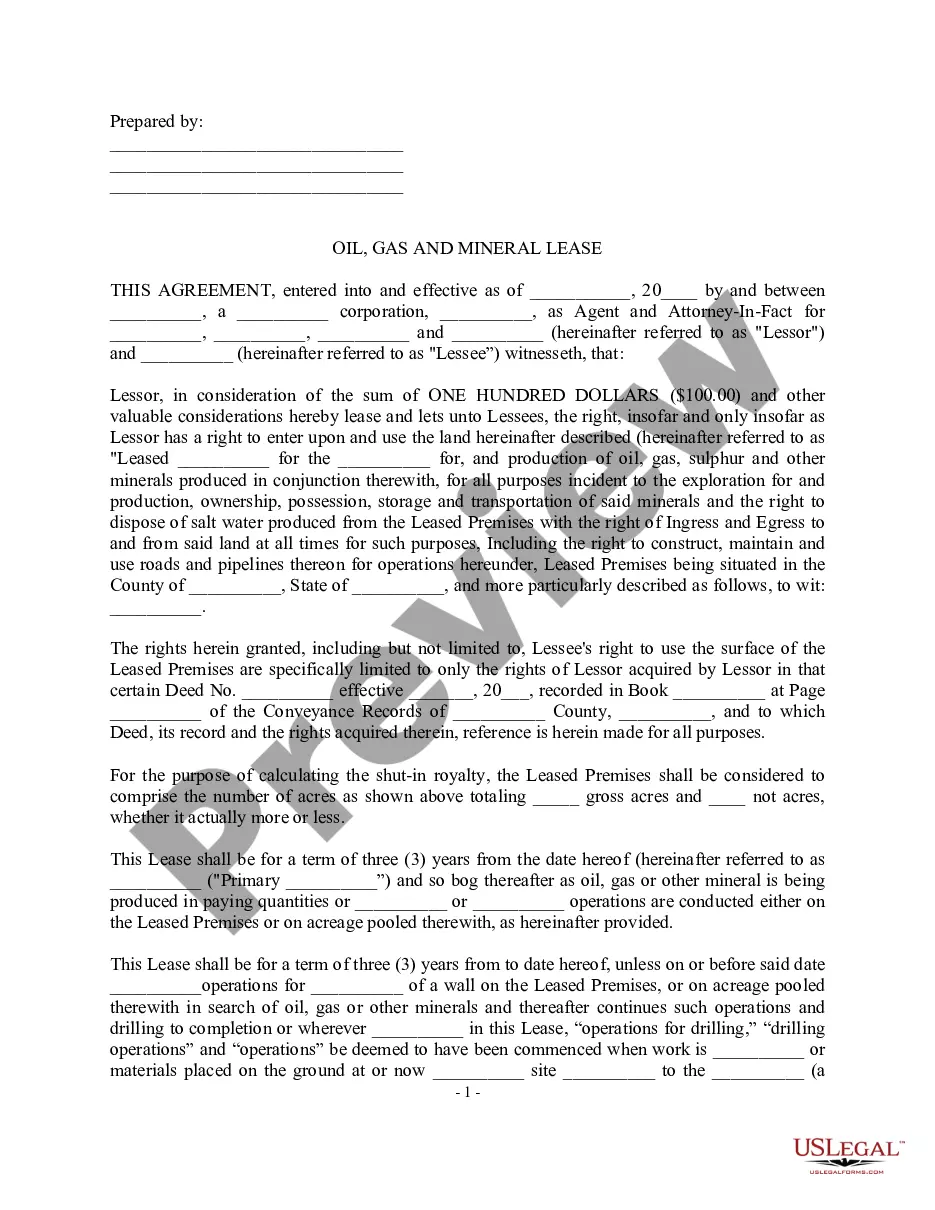
How to fill out Oil, Gas And Mineral Royalty Transfer?
- Log in to your US Legal Forms account if you're an existing user and ensure your subscription is active; otherwise, renew it as necessary.
- If you’re new, start by reviewing the document previews and descriptions to identify the correct oil royalty form based on your jurisdiction.
- Utilize the Search function if you need a different template; finding the right document is crucial for compliance.
- Select your desired document by clicking on the Buy Now button, and choose the subscription plan that fits your needs.
- Complete the payment process using your credit card or PayPal account to finalize your purchase.
- Download the form once purchased; access it anytime in the My Forms section of your profile for future use.
Using US Legal Forms not only simplifies obtaining the necessary legal documentation but also ensures you have access to a wealth of resources and expert support.
Take control of your oil royalties today by visiting US Legal Forms to access the tools and documents you need!
Form popularity
FAQ
The average royalty rate for oil wells generally falls between 12.5% and 20% of the well's revenue. However, this rate can vary significantly based on factors such as the region, well productivity, and lease negotiations. It's beneficial to research local market conditions to understand the potential for oil royalties in your area.
To receive royalties from oil, you need to own land with proven oil reserves or possess mineral rights to a property. You can lease your land to oil companies, allowing them to extract oil while paying you a set percentage of the revenue as oil royalties. Platforms like US Legal Forms can guide you through the leasing process, connecting you with essential documents.
Royalty checks for oil typically come on a monthly or quarterly basis, depending on the operator's payment schedule. The timing may also depend on the volume of oil produced and the contract terms. Therefore, it is wise to stay informed about your agreement to anticipate your oil royalties accurately.
Oil well royalties are payments made to the landowner or mineral rights owner based on the sales of oil extracted from their land. These payments are typically a percentage of the gross revenue generated by the well. To maximize your understanding, consider consulting resources like US Legal Forms, which can help clarify the complexities surrounding oil royalties.
The amount of royalties you receive from an oil well varies based on several factors, including the volume of oil produced and the terms of your lease agreement. Typically, oil royalties range from 12.5% to 25% of the revenue generated from oil sales. Thus, understanding your contract details is essential for estimating your earnings from oil royalties.
An oil royalty is a payment made to landowners or mineral rights holders based on the amount of oil extracted from their property. These payments are typically calculated as a percentage of the revenue from oil sales or production, providing income to those who own the rights. Engaging with oil royalties can create significant financial opportunities for landowners, particularly in areas with active oil production.
The standard oil royalty rate usually ranges from 12.5% to 25% of the revenue generated from oil production. This percentage can change based on factors such as market conditions, the location of the property, and negotiations between landowners and oil companies. When exploring oil royalties, it's essential to identify a fair rate that reflects the value of the resources being extracted.
Typically, individuals receive oil royalty checks quarterly or semi-annually, depending on the lease agreements made with the oil companies. It’s important to note that the timing and frequency can vary based on production levels and the specific terms outlined in the contract. Understanding these details is crucial for those engaged in oil royalties, as frequency can affect personal finances.
Yes, oil companies usually issue a Form 1099-MISC for royalty payments if they exceed the IRS threshold. This form helps you keep track of your income for tax purposes. By ensuring you receive your 1099, you can accurately report oil royalties on your tax return.
Receiving oil royalties typically involves entering into a leasing agreement with an oil company to extract resources from your land. Once extraction begins, the company pays you oil royalties based on production. Staying informed about your lease terms ensures you receive the correct royalties.