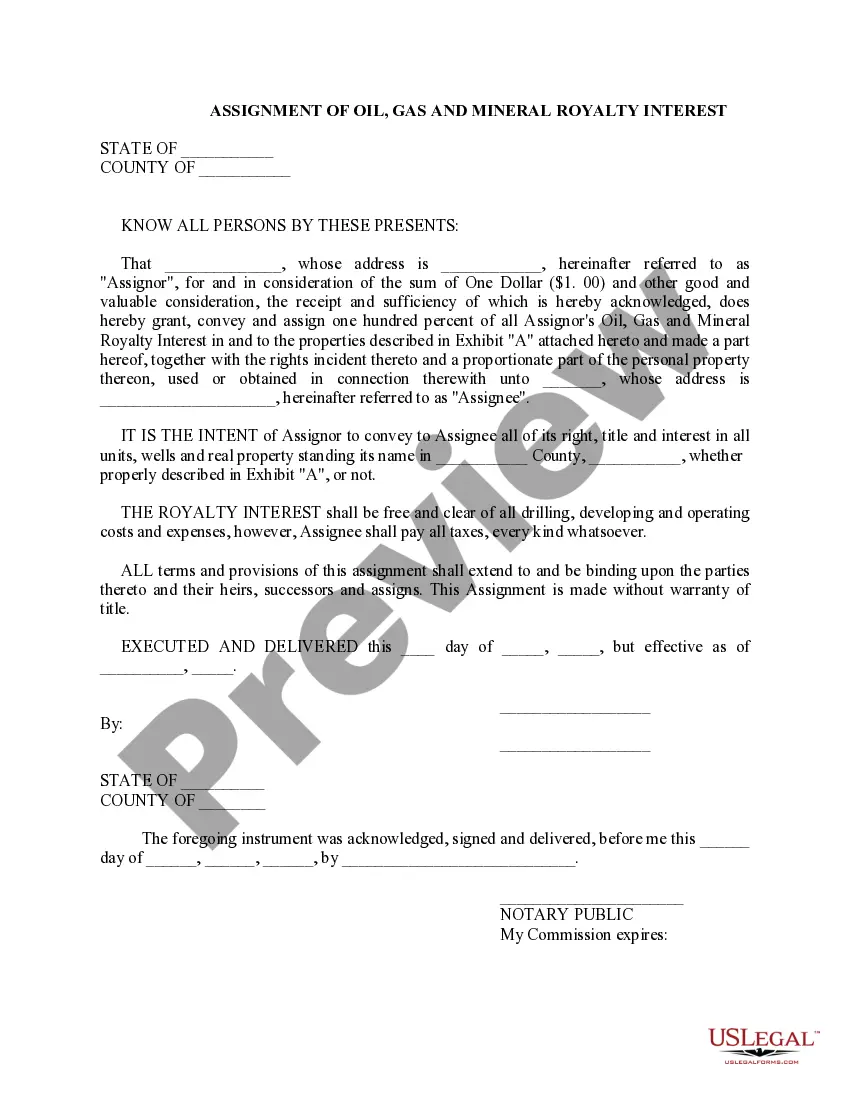
Mineral Royalty Buy With Ebt
Description
Get your form ready online
Our built-in tools help you complete, sign, share, and store your documents in one place.
Make edits, fill in missing information, and update formatting in US Legal Forms—just like you would in MS Word.
Download a copy, print it, send it by email, or mail it via USPS—whatever works best for your next step.
Sign and collect signatures with our SignNow integration. Send to multiple recipients, set reminders, and more. Go Premium to unlock E-Sign.
If this form requires notarization, complete it online through a secure video call—no need to meet a notary in person or wait for an appointment.
We protect your documents and personal data by following strict security and privacy standards.

Make edits, fill in missing information, and update formatting in US Legal Forms—just like you would in MS Word.

Download a copy, print it, send it by email, or mail it via USPS—whatever works best for your next step.

Sign and collect signatures with our SignNow integration. Send to multiple recipients, set reminders, and more. Go Premium to unlock E-Sign.

If this form requires notarization, complete it online through a secure video call—no need to meet a notary in person or wait for an appointment.

We protect your documents and personal data by following strict security and privacy standards.
Looking for another form?



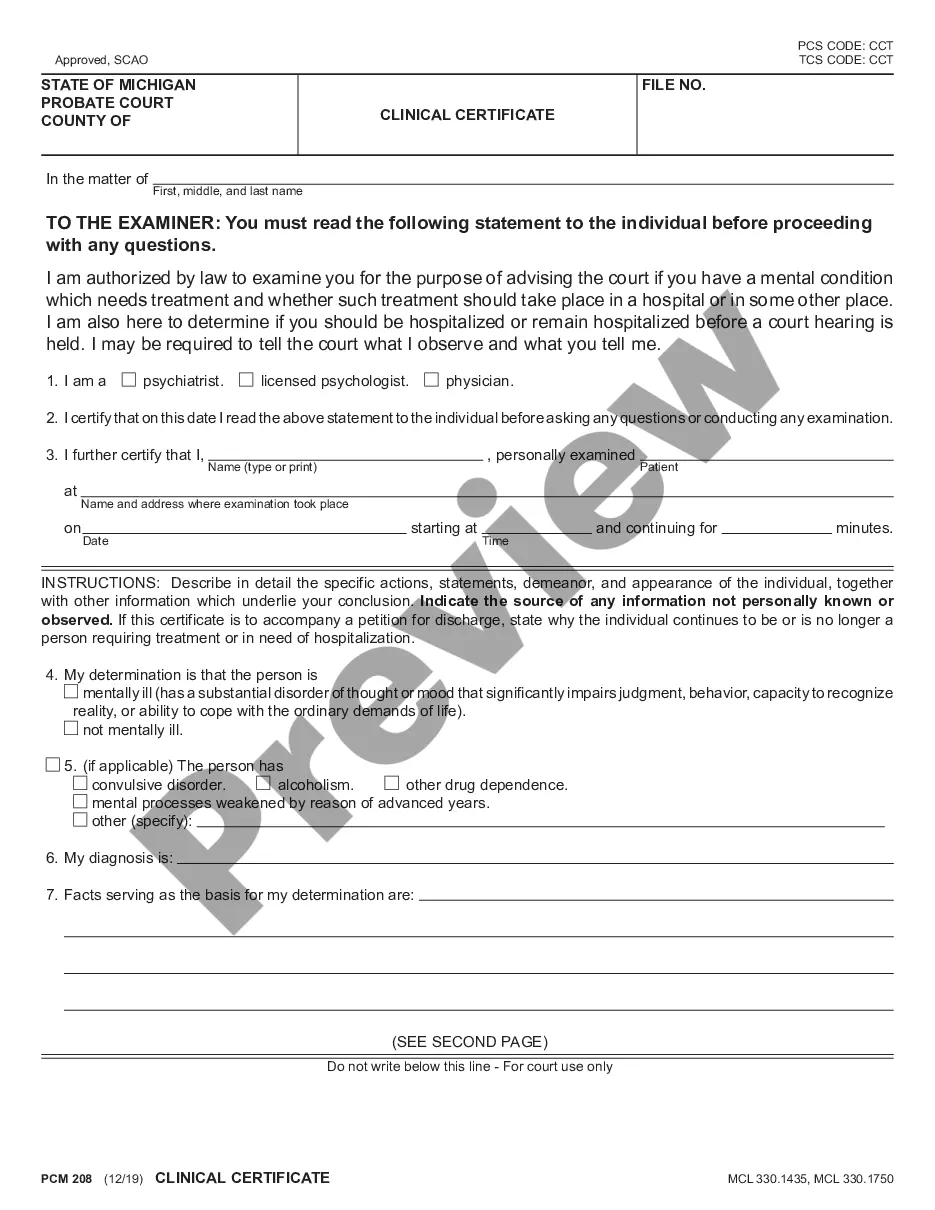
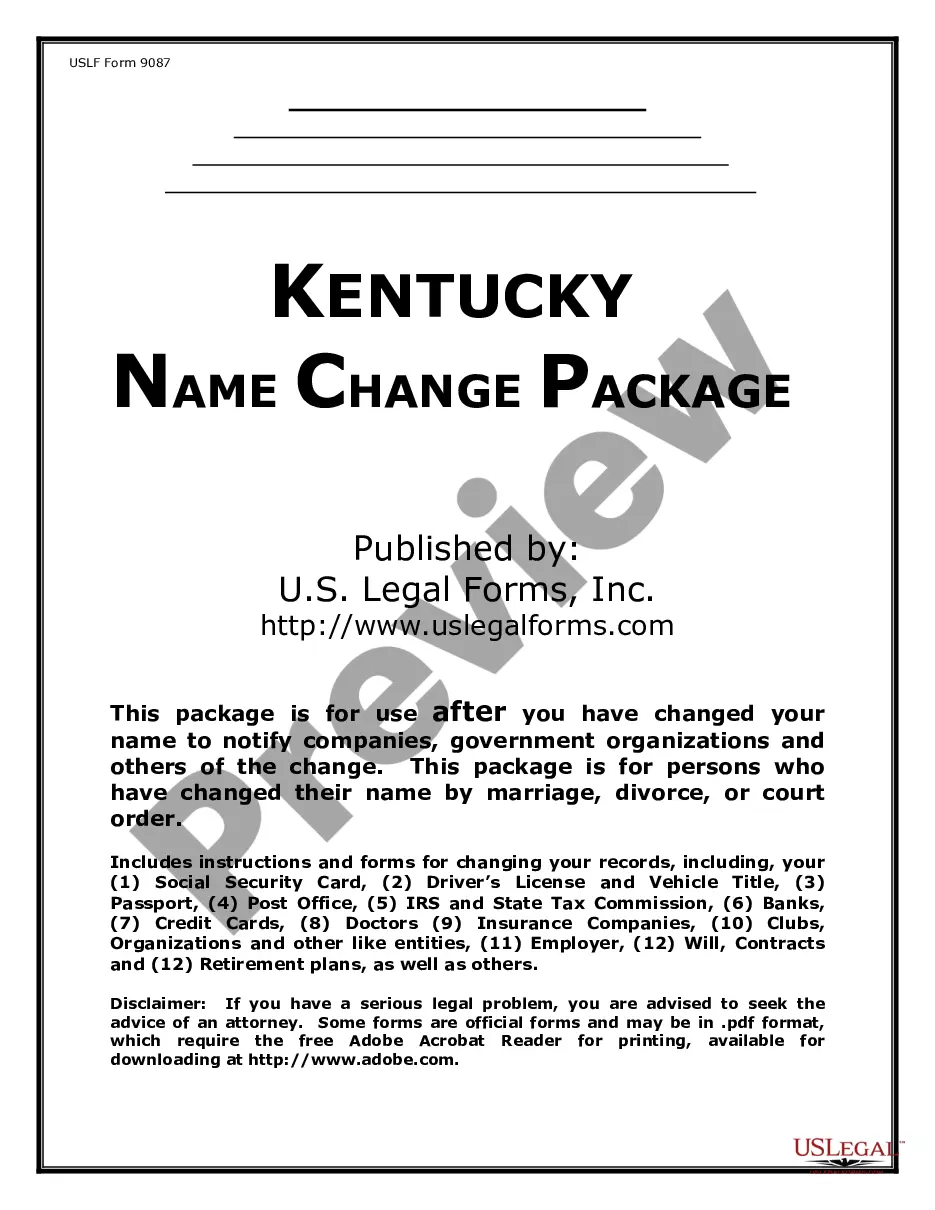
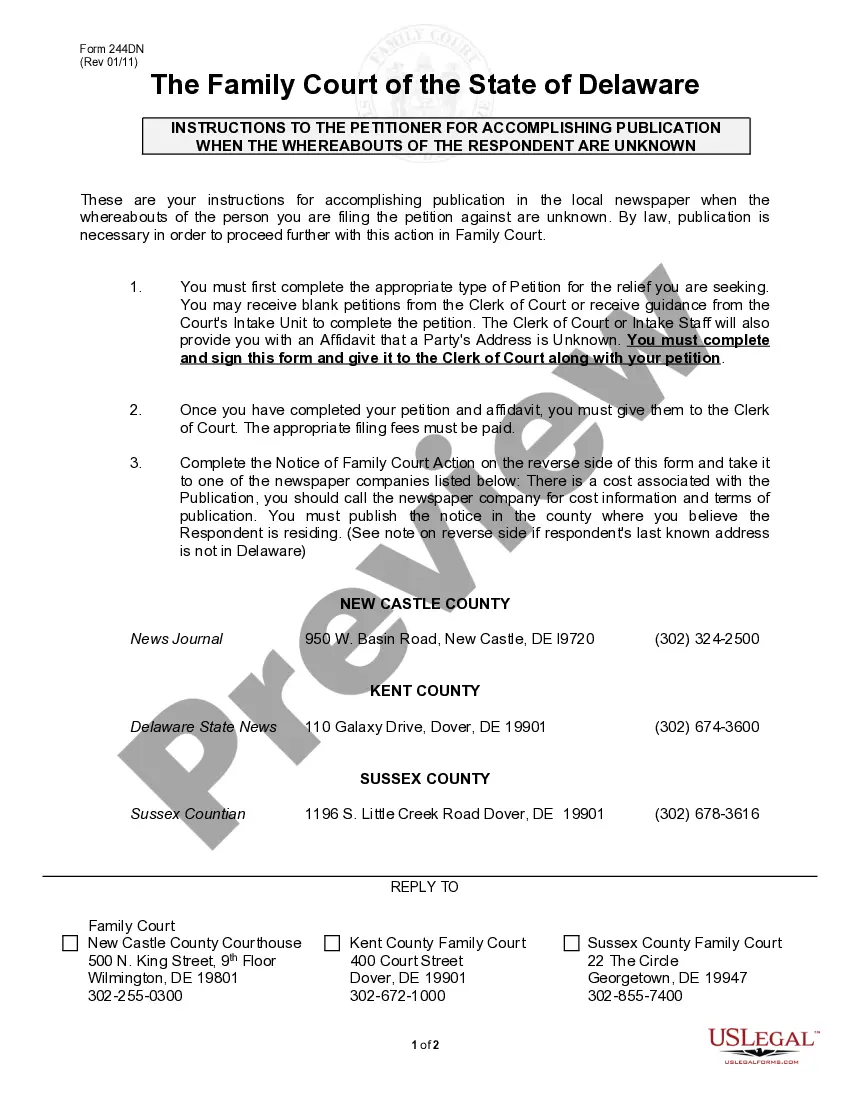

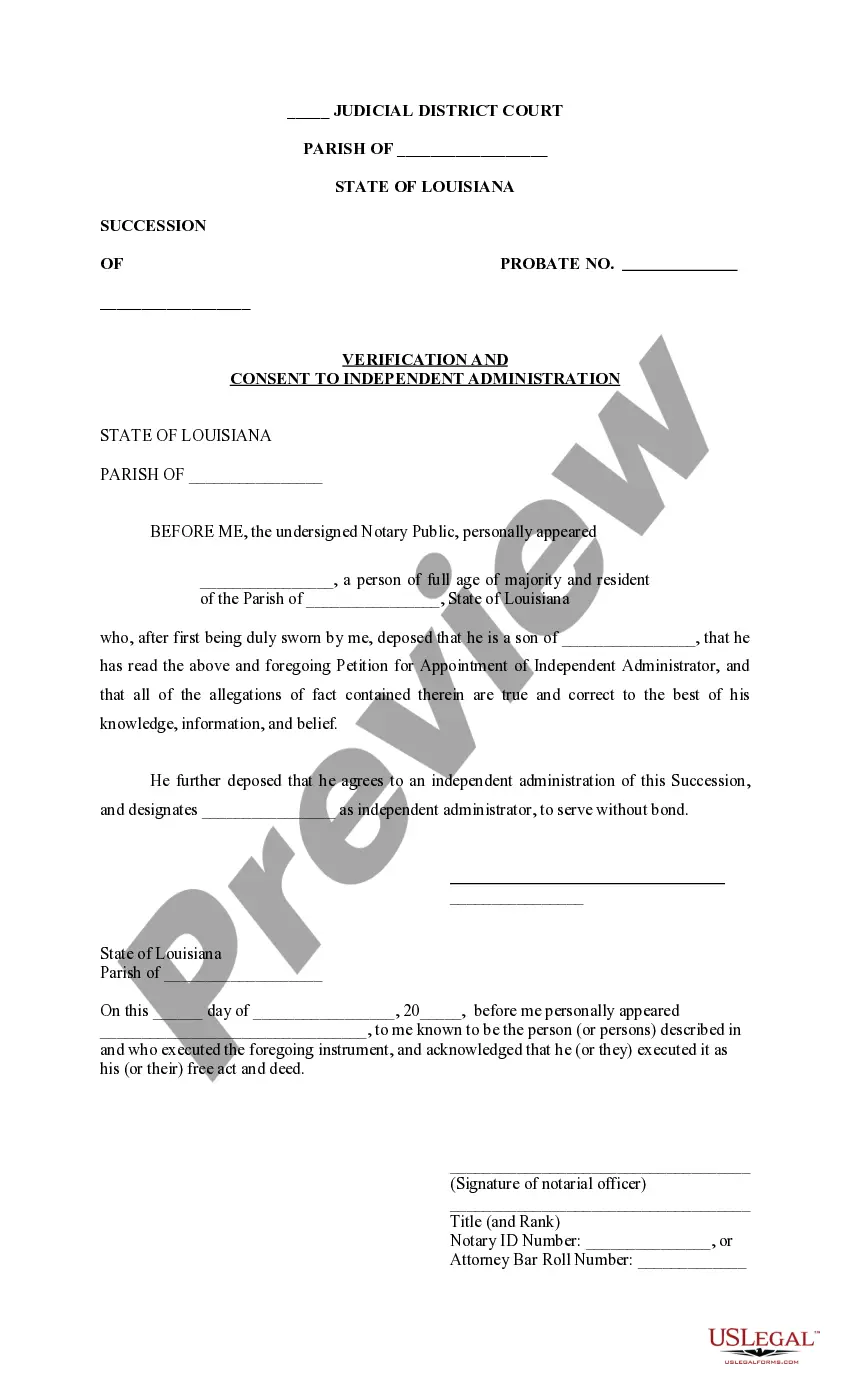
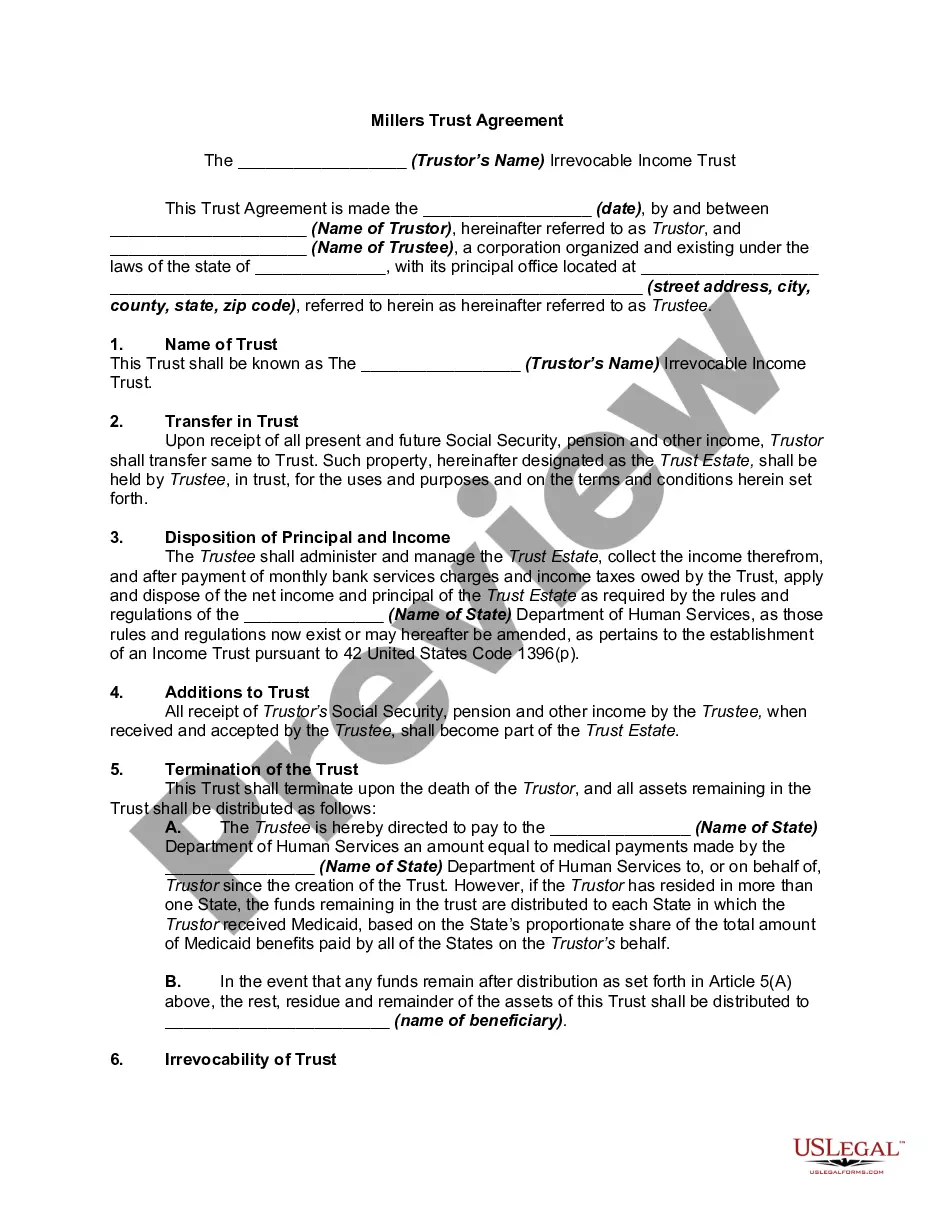
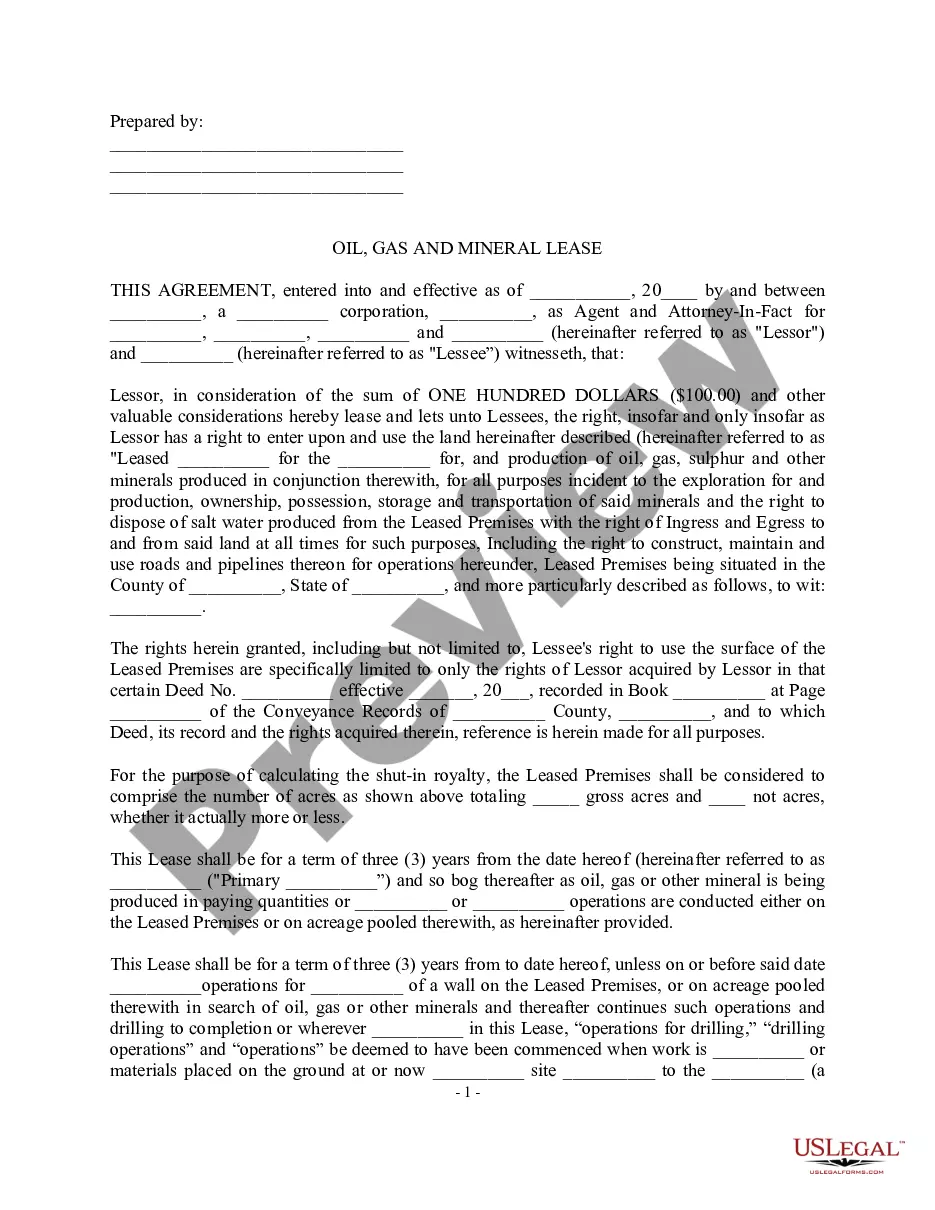
How to fill out Oil, Gas And Mineral Royalty Transfer?
Utilizing legal templates that conform with federal and state statutes is essential, and the web provides numerous selections to choose from.
However, what's the advantage of spending time looking for the correct Mineral Royalty Purchase With Ebt example online when the US Legal Forms digital repository already has such templates gathered in one location.
US Legal Forms stands as the premier online legal library hosting over 85,000 customizable templates created by attorneys for every professional and personal situation.
Take a look at the template using the Preview feature or via the text description to ensure it satisfies your requirements.
- They are straightforward to navigate with all documents organized by state and intended use.
- Our experts stay updated with legislative alterations, assuring you that your paperwork is current and compliant when acquiring a Mineral Royalty Purchase With Ebt from our site.
- Obtaining a Mineral Royalty Purchase With Ebt is quick and uncomplicated for both existing and new users.
- If you already possess an account with an active subscription, Log In and preserve the document sample you need in the preferred format.
- If you are new to our website, follow the guidelines below.
Form popularity
FAQ
The Crown owns 81% of the mineral rights (approximately 53.7 million hectares of land). * Homesteaders or Freehold Landowners have the responsibility to pay Freehold Mineral Tax on revenue derived from production.
A solid black circle on your property indicates that you own the mineral rights; a half circle means that the Crown or a third party owns them. A title search at the land registry will also confirm separation of mining and surface rights.
WHO OWNS THESE MINERAL RIGHTS? In Canada, property owners generally hold the surface rights, while mineral rights are usually owned by the provincial government.
A quick overview of the differences between mineral rights and royalty interests shows a mineral interest is a real property interest obtained by severing the minerals from the surface and a royalty interest grants an owner a portion of the production revenue generated.
The Certificate of Title from Alberta Land Titles will specify which minerals are held by the owner, if any. Gold and silver as well as surveyed water bodies and streams are always reserved to the Crown. Freehold mineral leases are negotiated bilaterally between the owner and the company.