Termination With Cause
Description
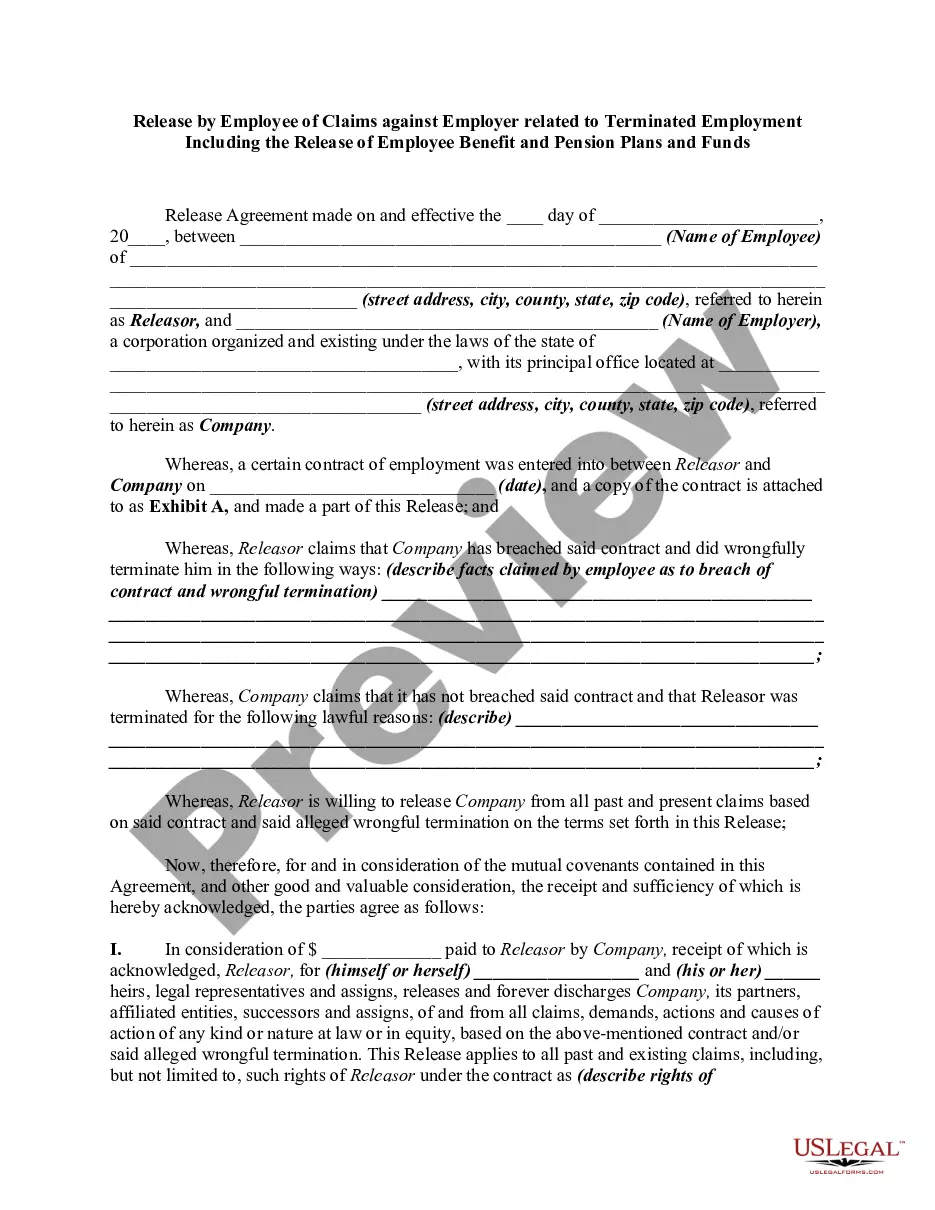
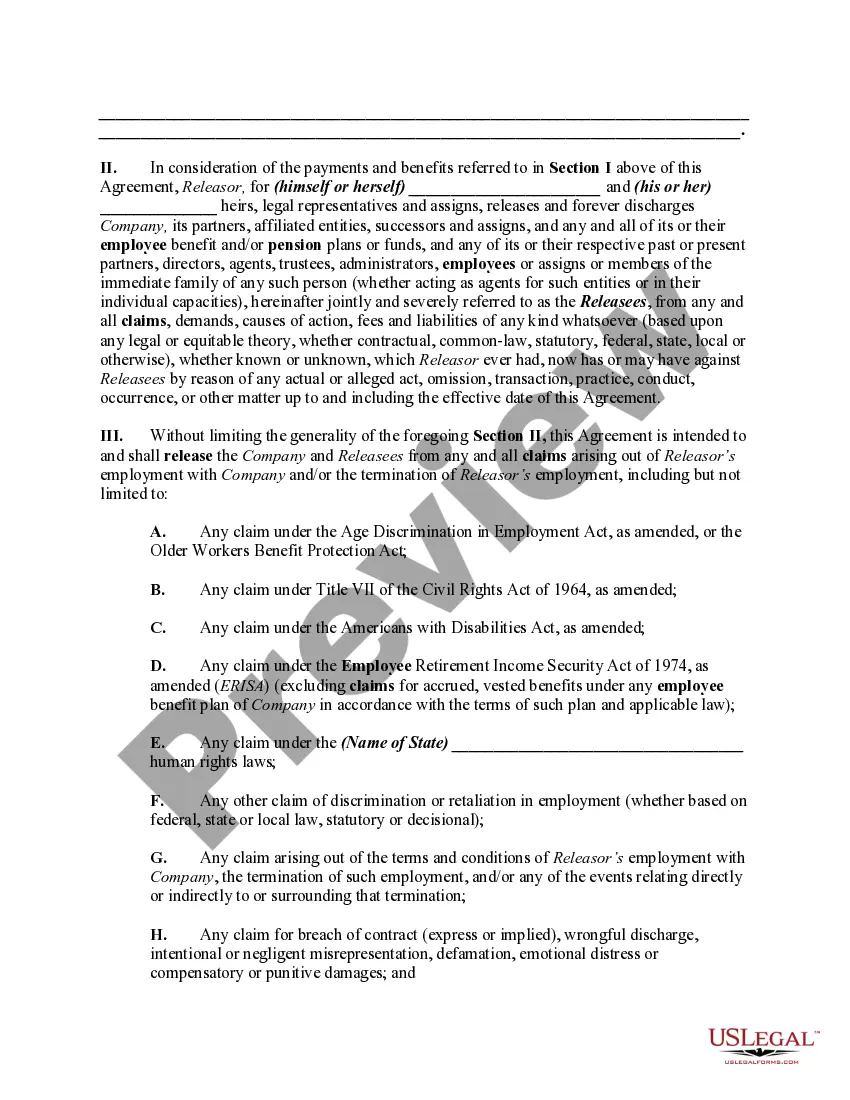
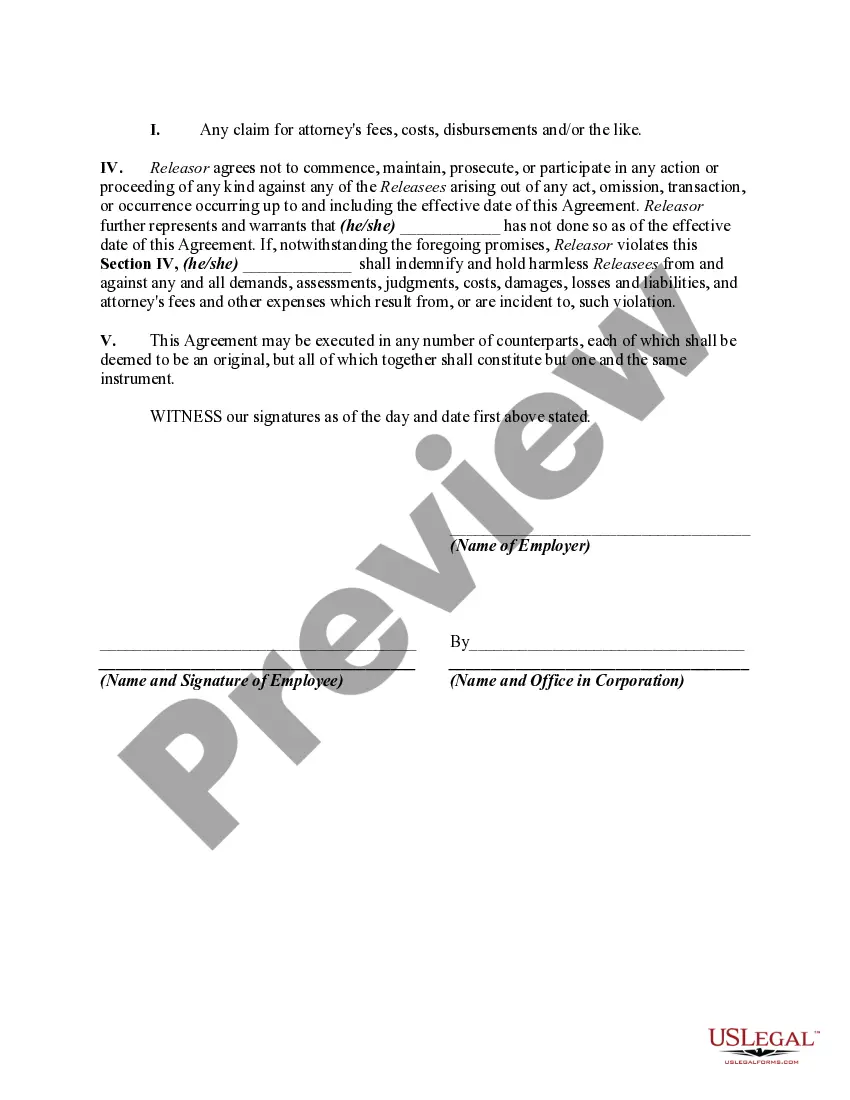
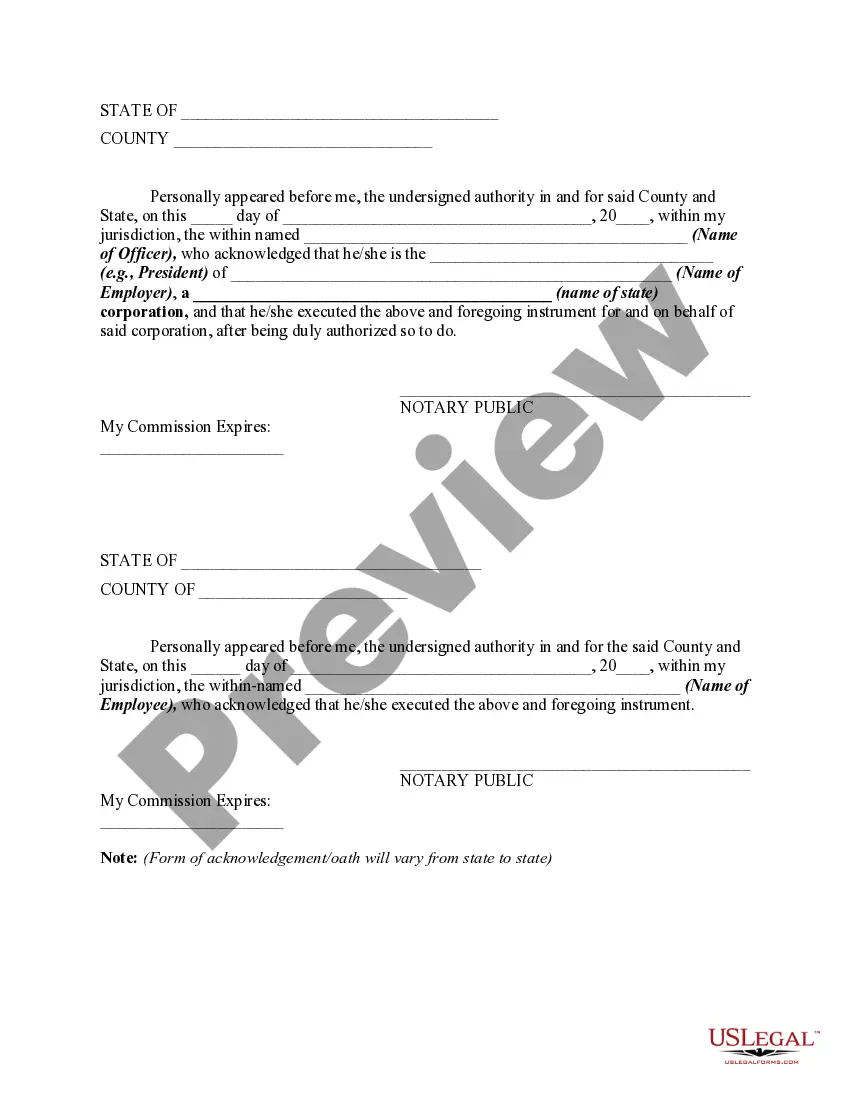
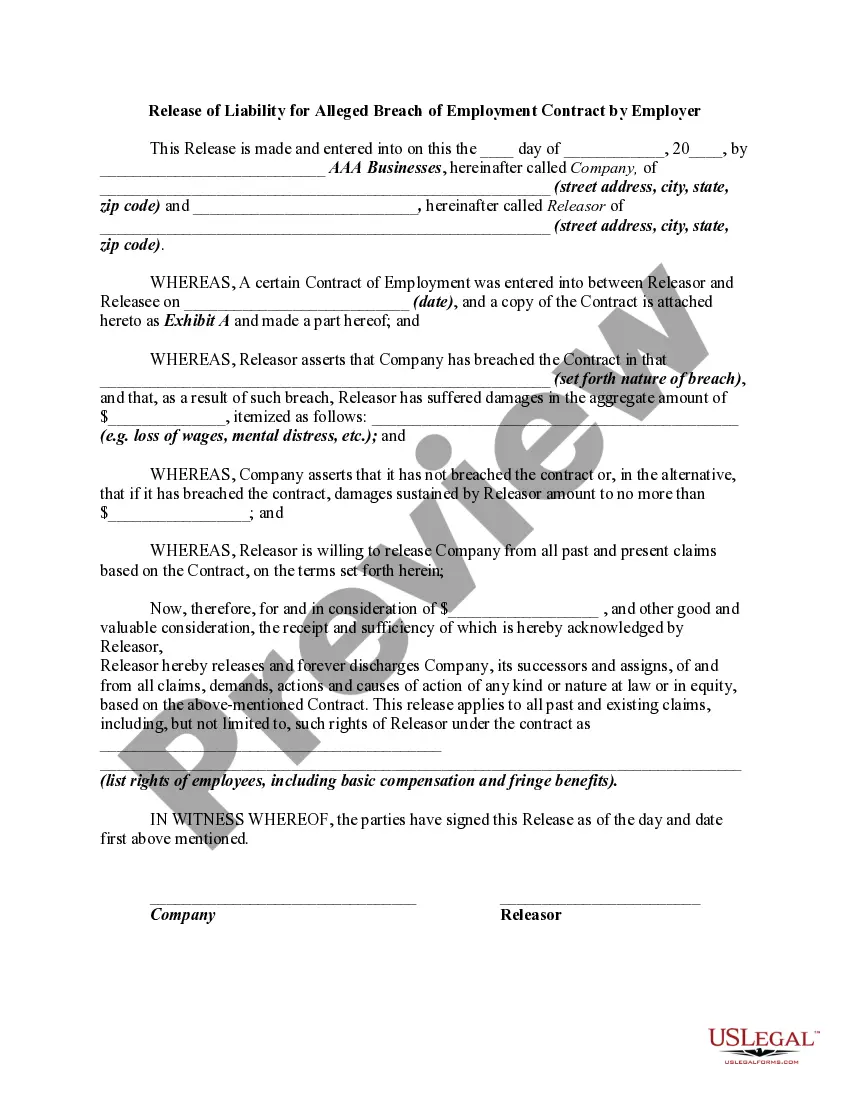
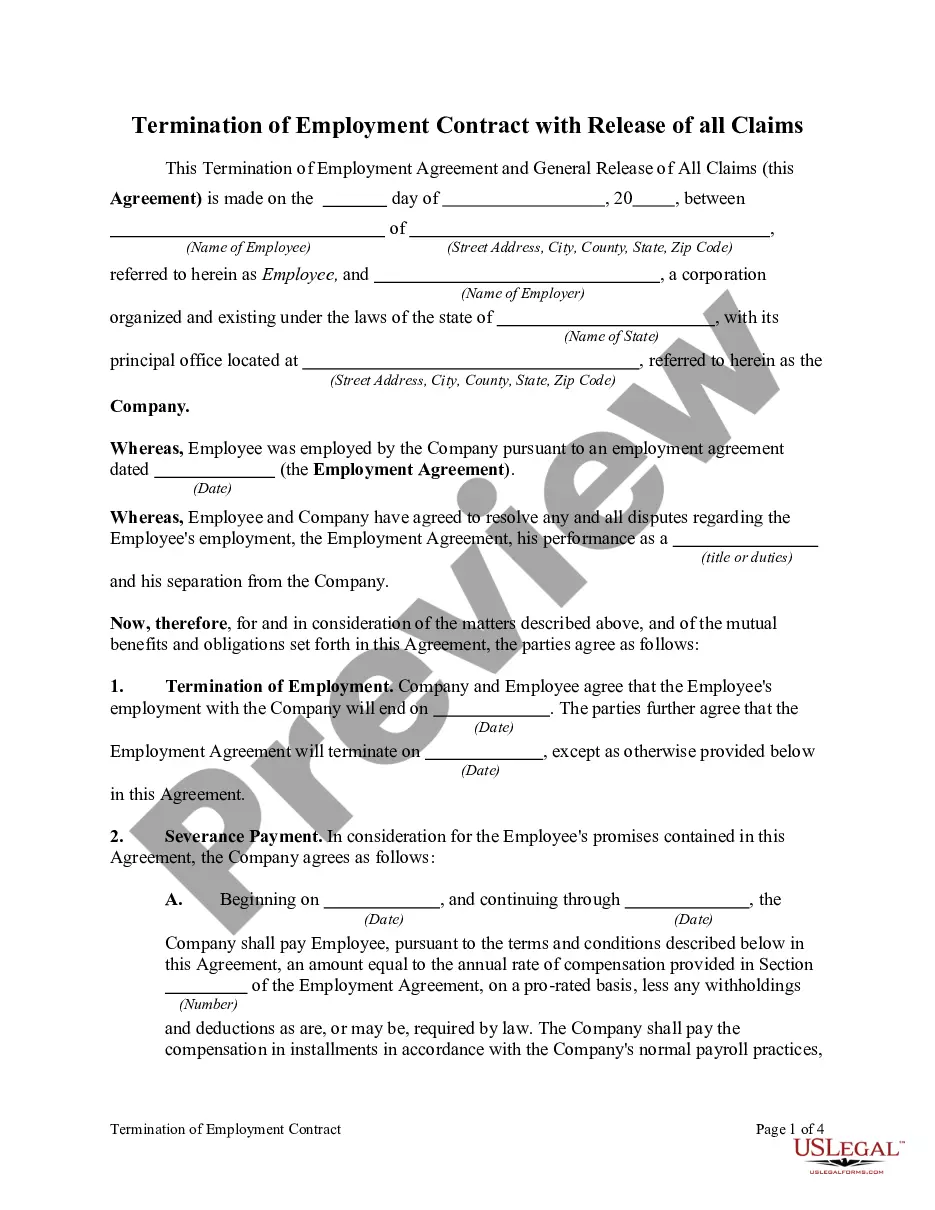
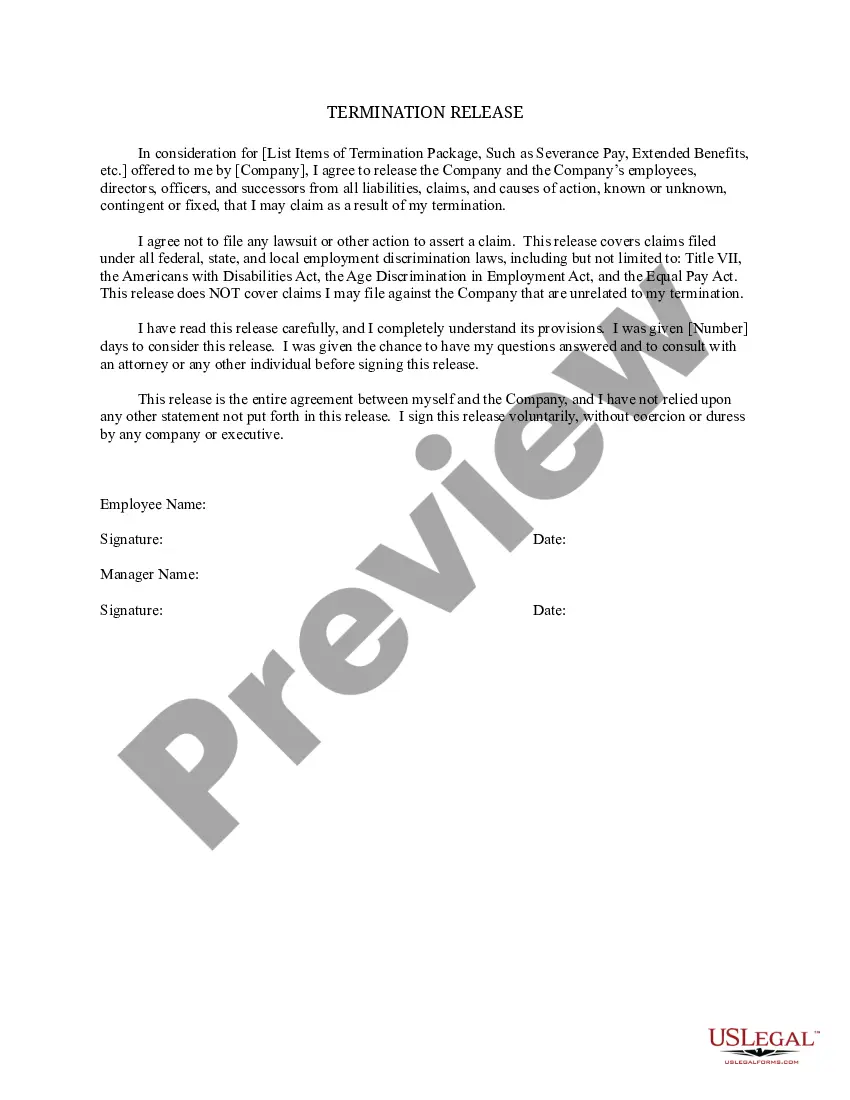
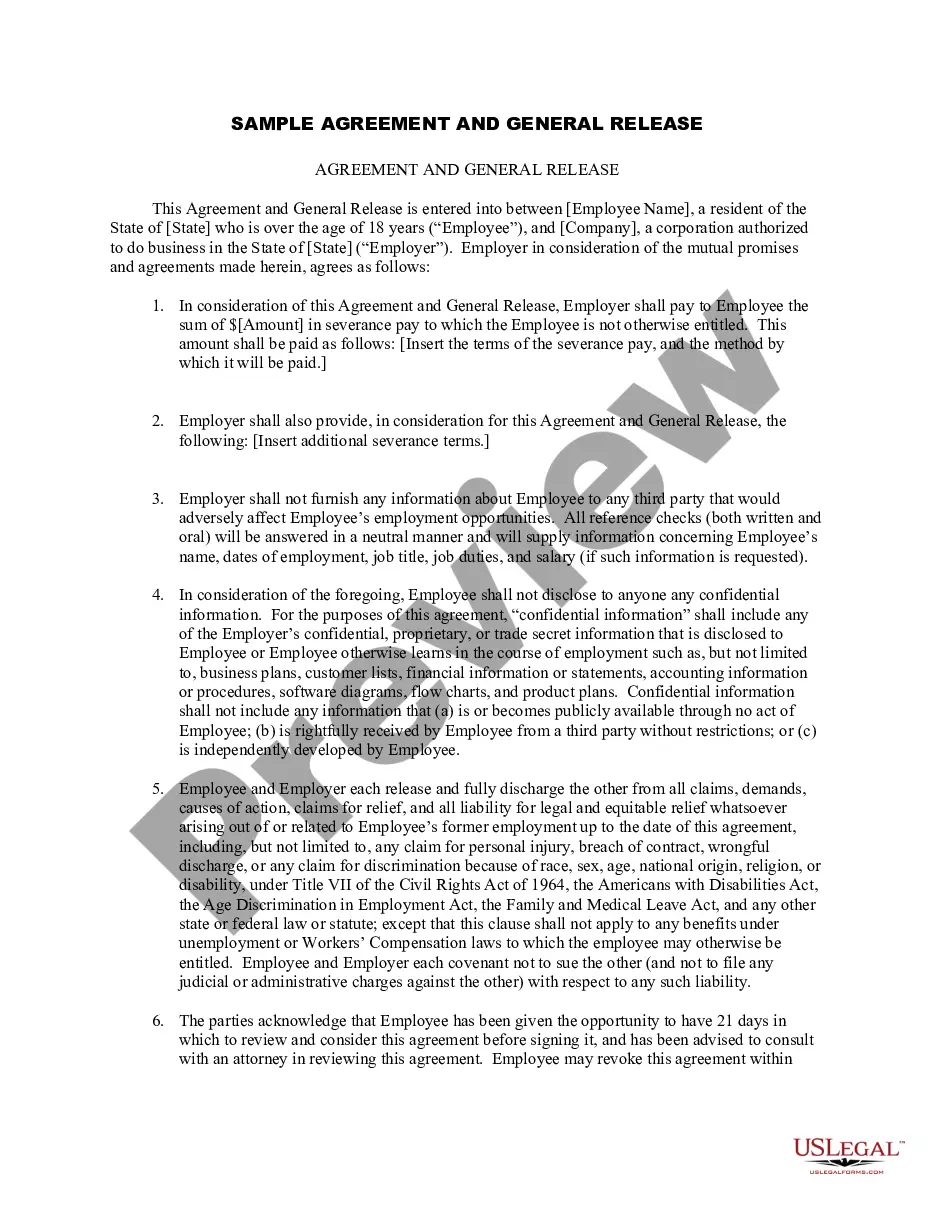
Get your form ready online
Our built-in tools help you complete, sign, share, and store your documents in one place.
Make edits, fill in missing information, and update formatting in US Legal Forms—just like you would in MS Word.
Download a copy, print it, send it by email, or mail it via USPS—whatever works best for your next step.
Sign and collect signatures with our SignNow integration. Send to multiple recipients, set reminders, and more. Go Premium to unlock E-Sign.
If this form requires notarization, complete it online through a secure video call—no need to meet a notary in person or wait for an appointment.
We protect your documents and personal data by following strict security and privacy standards.

Make edits, fill in missing information, and update formatting in US Legal Forms—just like you would in MS Word.

Download a copy, print it, send it by email, or mail it via USPS—whatever works best for your next step.

Sign and collect signatures with our SignNow integration. Send to multiple recipients, set reminders, and more. Go Premium to unlock E-Sign.

If this form requires notarization, complete it online through a secure video call—no need to meet a notary in person or wait for an appointment.

We protect your documents and personal data by following strict security and privacy standards.
Looking for another form?




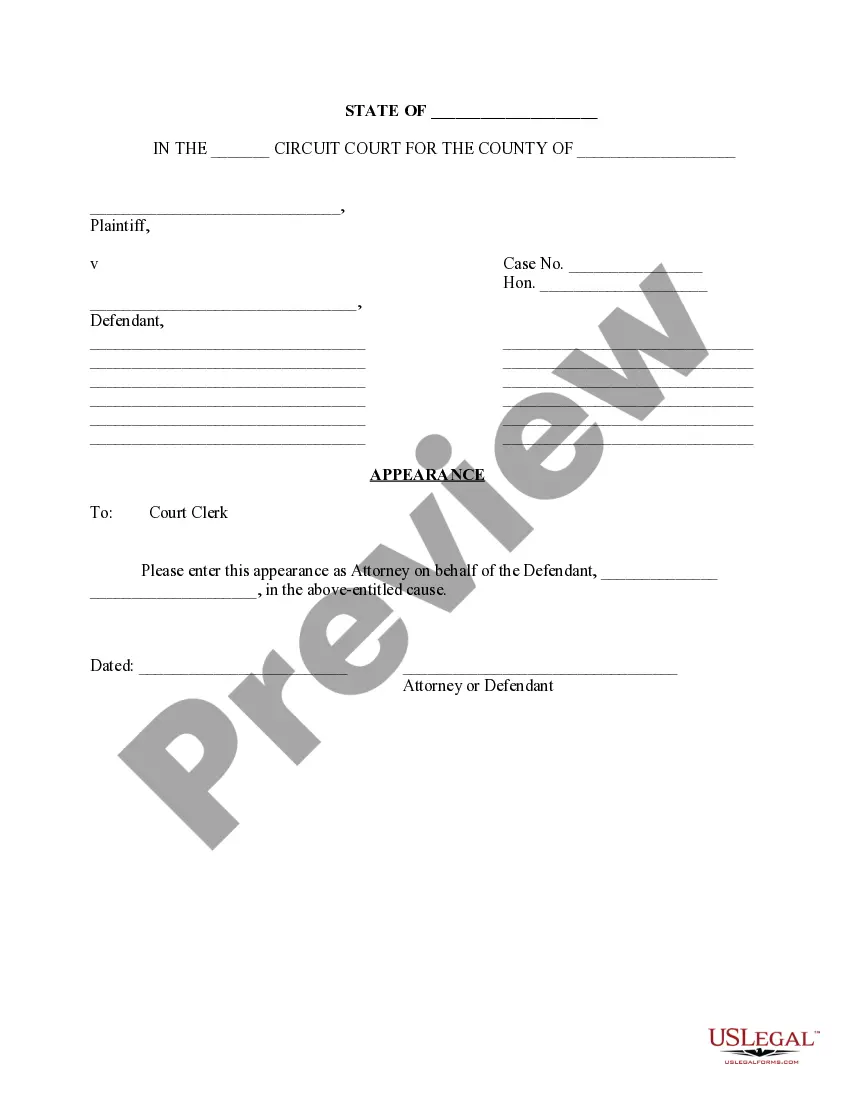
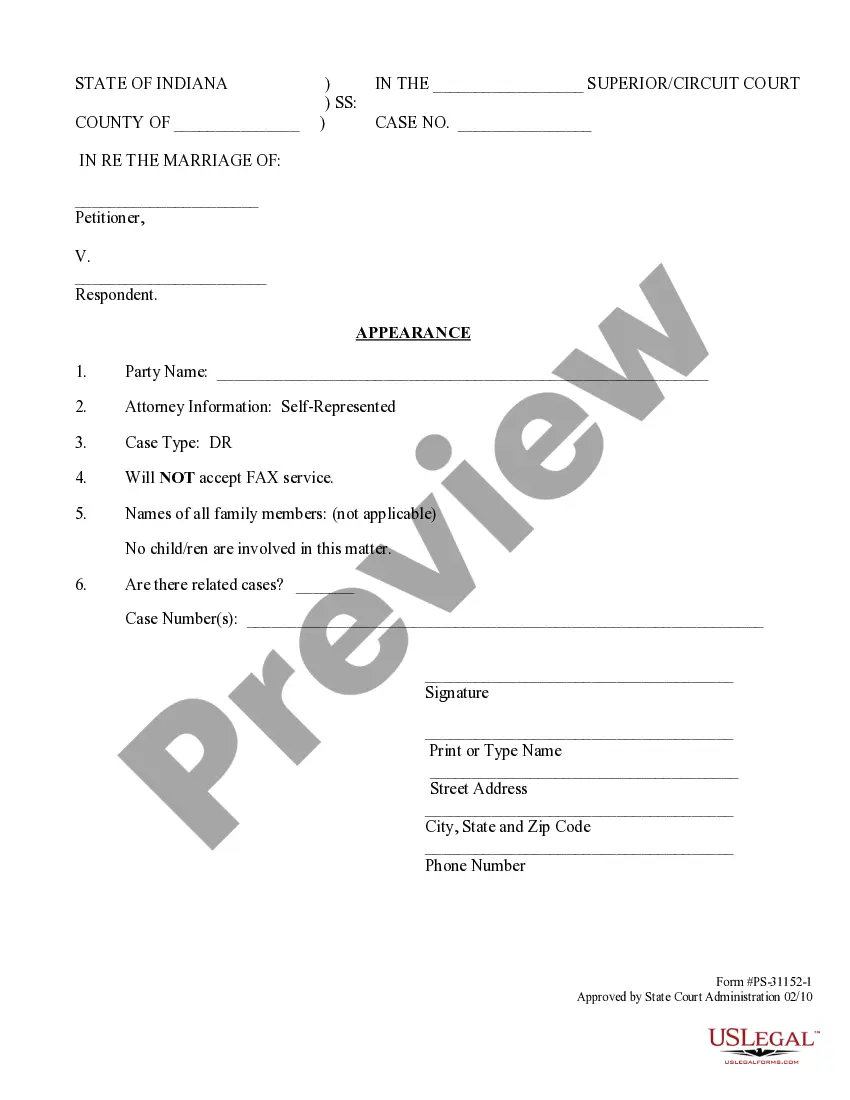
How to fill out Release By Employee Of Claims Against Employer Related To Terminated Employment Including The Release Of Employee Benefit And Pension Plans And Funds?
- Log in to your US Legal Forms account if you're a returning user, and download the necessary template by hitting the Download button. Ensure your subscription is active; if it's not, renew it as per your payment plan.
- For first-time users, start by previewing the form description to confirm it matches your requirements and adheres to your local jurisdiction's laws.
- If you find the document unsatisfactory, use the Search tool above to find a more suitable template. Ensure it aligns with your needs before proceeding.
- Purchase the chosen legal document by clicking on the Buy Now button. Select your desired subscription plan and create an account to unlock the full library of resources.
- Complete your transaction by entering your card details or opting to pay through PayPal to finalize your subscription.
- Download the template to your device for easy access. You can revisit it anytime via the 'My Forms' section in your profile.
In conclusion, US Legal Forms significantly facilitates the creation of legally robust documents like Termination with Cause, ensuring users can navigate legal necessities without hassle. Take advantage of this invaluable resource today.
Start your journey with US Legal Forms to streamline your legal documentation process!
Form popularity
FAQ
Four examples of just cause for dismissal include repeated tardiness, insubordination, workplace harassment, and falsification of records. Each of these examples illustrates serious breaches of trust or policy that warrant termination with cause. By knowing these examples, employers and employees can better navigate workplace expectations and responsibilities.
Being 'fired' is a broad term that can encompass any termination from employment, while being 'fired for cause' specifically indicates that the dismissal happened for legitimate reasons. This distinction is crucial as it affects the employee's eligibility for unemployment benefits and can have implications for future employment. Understanding this difference reinforces the importance of proper conduct in the workplace.
The standard for termination with cause varies by state and industry but generally implies that the employer has valid reasons rooted in employee misconduct or performance issues. Employers should establish clear policies and expectations, making it easier to demonstrate just cause when needed. Having comprehensive documentation and following proper procedures will significantly support employers in these situations.
The five common reasons for dismissal include theft, inappropriate behavior, chronic lateness, poor job performance, and violation of workplace policies. Each reason must be backed by proper evidence to ensure that a termination with cause is justified. Clear communication of these reasons helps maintain a transparent work environment.
Just causes for dismissal refer to legitimate reasons an employer can use to terminate an employee. These reasons usually involve substantial misconduct or incompetence that justifies the termination decision. Familiarizing yourself with the criteria for termination with cause can help both employers and employees better assess their rights and responsibilities.
The grounds for just cause dismissal typically include employee misconduct, theft, excessive absenteeism, violation of company policies, or poor performance. Each of these factors must be substantiated with clear evidence to support a claim of termination with cause. Understanding these grounds is essential for both employers and employees to navigate the termination process effectively.
Proving just cause for termination can indeed be challenging. It requires clear evidence demonstrating an employee's misconduct or failure to meet job expectations. Employers must ensure they document incidents thoroughly and adhere to company policies to strengthen their case. Utilizing resources like USLegalForms can help clarify the necessary documentation for termination with cause.
Fired with cause typically includes actions like theft, harassment, or repeated failure to meet job expectations. Employers often need to follow established disciplinary procedures before making such a decision. Understanding what qualifies as fired with cause is essential to protect your rights and navigate future job searches. Consulting resources like US Legal Forms can provide clarity on your circumstances.
The three types of termination are voluntary, involuntary, and termination with cause. Voluntary termination occurs when an employee chooses to leave, usually for personal reasons. Involuntary termination happens when an employer decides to end the employment, often due to poor performance or downsizing. Termination with cause is a specific subset, emphasizing serious misconduct or violation of company policy.
'For cause' in legal terms refers to a legitimate justification for dismissing an employee. It indicates that the employer acted on specific, documented behavior or performance issues. This concept is central to labor laws, as it helps protect both the employer's interests and the employee's rights. Knowing what 'for cause' entails safeguards your understanding of workplace policies.