Trade Secret In It
Description
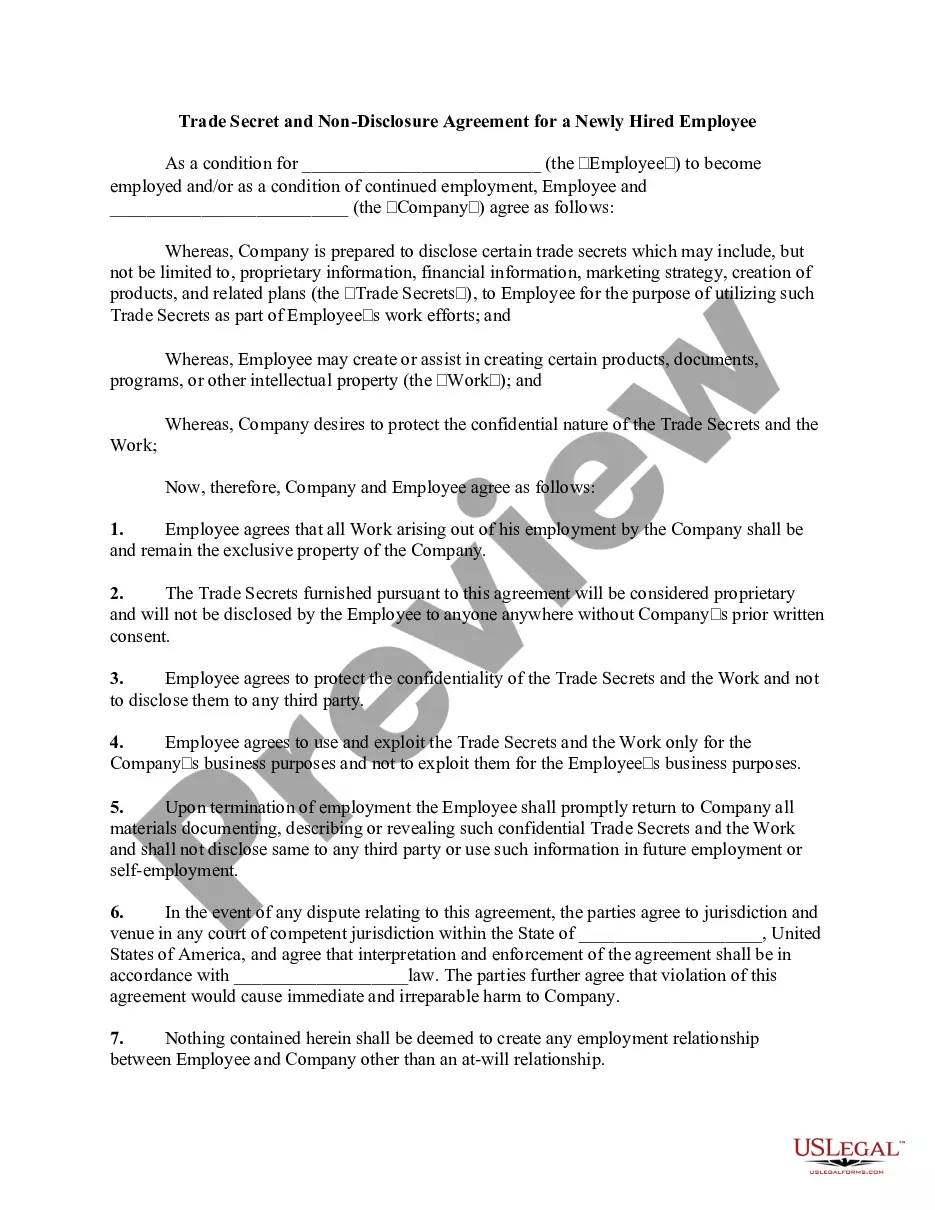
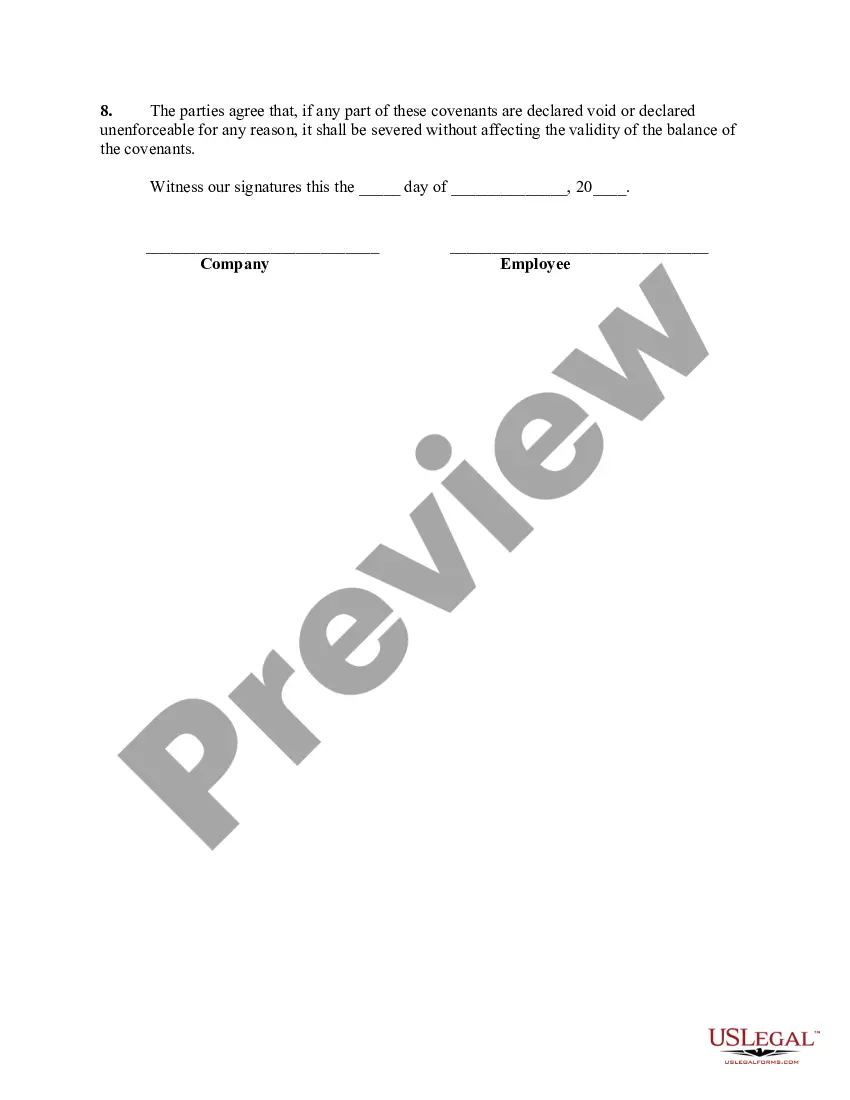
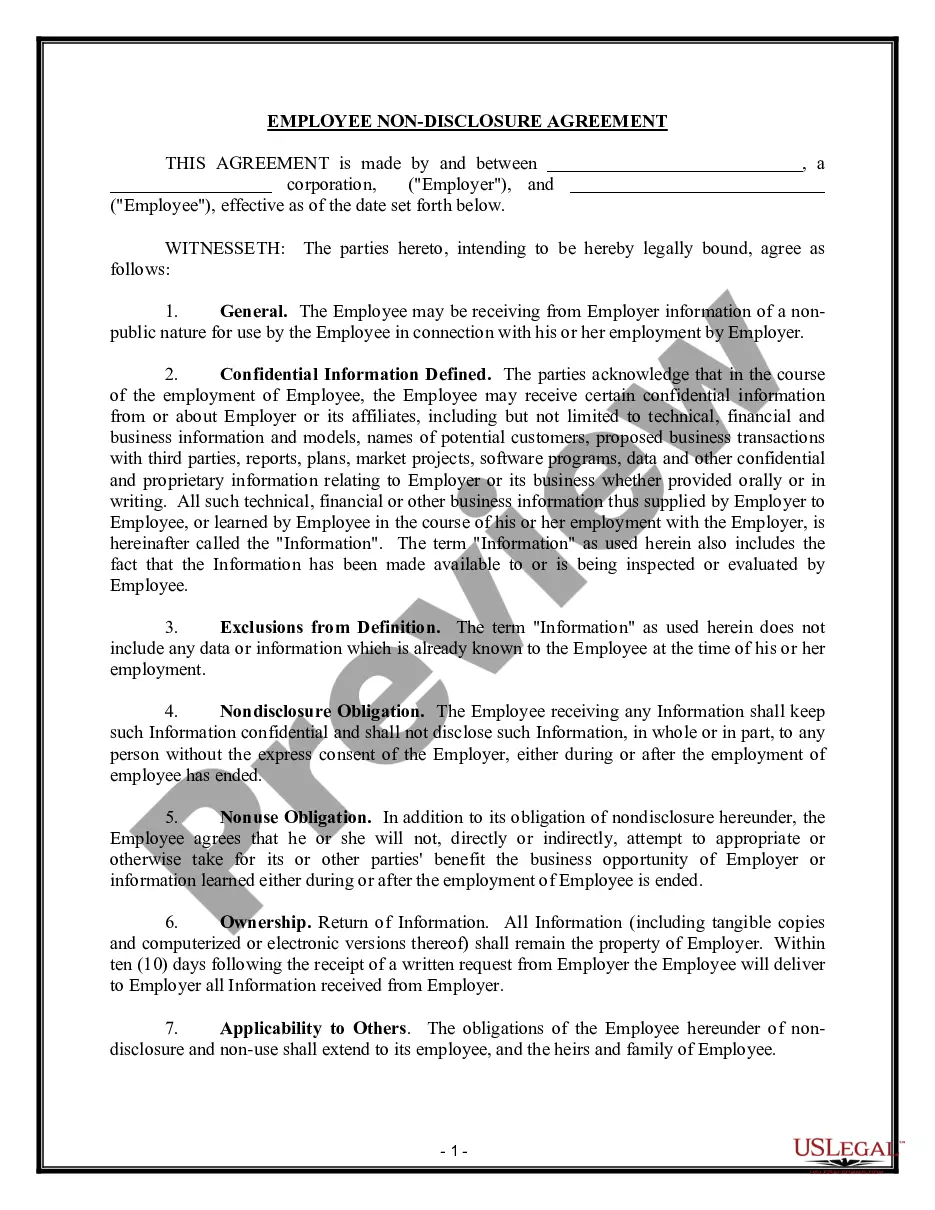


How to fill out Trade Secret And Nondisclosure Agreement For A Newly Hired Employee?
Managing legal documents can be challenging, even for seasoned experts.
When you are on the hunt for a Trade Secret In It and lack the time to seek out the correct and current iteration, the process can be overwhelming.
US Legal Forms addresses all of your requirements, from personal to business documentation, all in one location.
Utilize cutting-edge tools to create and manage your Trade Secret In It.
Here are the steps to follow after downloading the form you need: Validate that this is the correct document by previewing it and reviewing its description.
- Access a wealth of articles, guides, and resources pertinent to your circumstances and requirements.
- Save time and energy searching for the documents you require, and take advantage of US Legal Forms’ premium search and Review feature to find and obtain Trade Secret In It.
- If you possess a monthly subscription, Log In to your US Legal Forms account, locate the desired form, and obtain it.
- Check your My documents tab to review the documents you have already downloaded and manage your folders as desired.
- If you're a first-time user of US Legal Forms, register for an account to enjoy unlimited access to all platform benefits.
- A robust web form catalog can transform the experience for anyone looking to manage these scenarios effectively.
- US Legal Forms is a leader in online legal documents, offering over 85,000 state-specific forms accessible at any moment.
- With US Legal Forms, you can meet various legal and business form needs.
Form popularity
FAQ
In the context of information technology, a trade secret in it typically encompasses any confidential data or processes that provide a business with an advantage over competitors. This can include software code, user lists, and business strategies that are not publicly available. Protecting trade secrets in it is vital for maintaining a competitive edge in an increasingly digital marketplace. Utilizing platforms like USLegalForms can help you draft appropriate agreements to safeguard these critical assets.
A trade secret software refers to computer programs or algorithms that are developed to enhance a company's operations while remaining confidential. This software can contain proprietary code, unique features, and algorithms that provide a competitive advantage. When discussing trade secret in it, the confidentiality of this software is critical, as disclosure could lead to a loss of market position. Companies must implement strong measures to protect their technological innovations.
Revealing a trade secret can have serious consequences for both individuals and businesses involved. If you disclose a trade secret in it, the owner may pursue legal action under the DTSA, seeking damages and injunctive relief. Additionally, damage to your reputation and potential job loss may occur if you violate confidentiality agreements. Therefore, it's essential to respect these secrets to maintain both professional integrity and business relationships.
A trade secret under the Defend Trade Secrets Act (DTSA) refers to information that provides a business with a competitive edge. This can include formulas, practices, processes, or any confidential business information that is not generally known to the public. To qualify as a trade secret in it, the information must be subject to reasonable efforts to maintain its secrecy. Understanding this definition is crucial for businesses looking to protect their sensitive information legally.
Yes, exposure of trade secrets can result in criminal charges if the theft or misappropriation of information occurs. Consequently, this can lead to fines and imprisonment. Protecting your trade secrets is essential, and understanding the legal implications of misuse can help you avoid serious penalties.
Obtaining a trade secret usually requires developing confidential information through research and development or acquiring it through legal means. It’s important to implement measures that ensure your information remains confidential once collected. Tools like those offered by USLegalForms can assist you in drafting agreements necessary for protecting your trade secrets.
Yes, individuals can own trade secrets, especially if they create unique processes or products. Ownership implies that an individual has the right to control how the information is used or shared. Protecting these secrets is essential to maximize their value and prevent unauthorized use.
A trade secret in information technology refers to any confidential business information that provides a competitive advantage. This could include algorithms, customer databases, or proprietary software code. Protecting these trade secrets is vital to ensure your business remains competitive and secure.
Unlocking trade secrets typically involves gaining access to confidential information through legitimate means, such as obtaining permission. Unauthorized access is illegal and can lead to serious legal implications. It’s best to seek guidance on how to handle trade secrets properly to avoid any legal complications.
To qualify for trade secret protection, the information must be valuable, not generally known, and subject to reasonable efforts to maintain its secrecy. This could include formulas, practices, or processes that give a business an edge. Establishing trade secret status can help your organization secure sensitive information from theft or misuse.