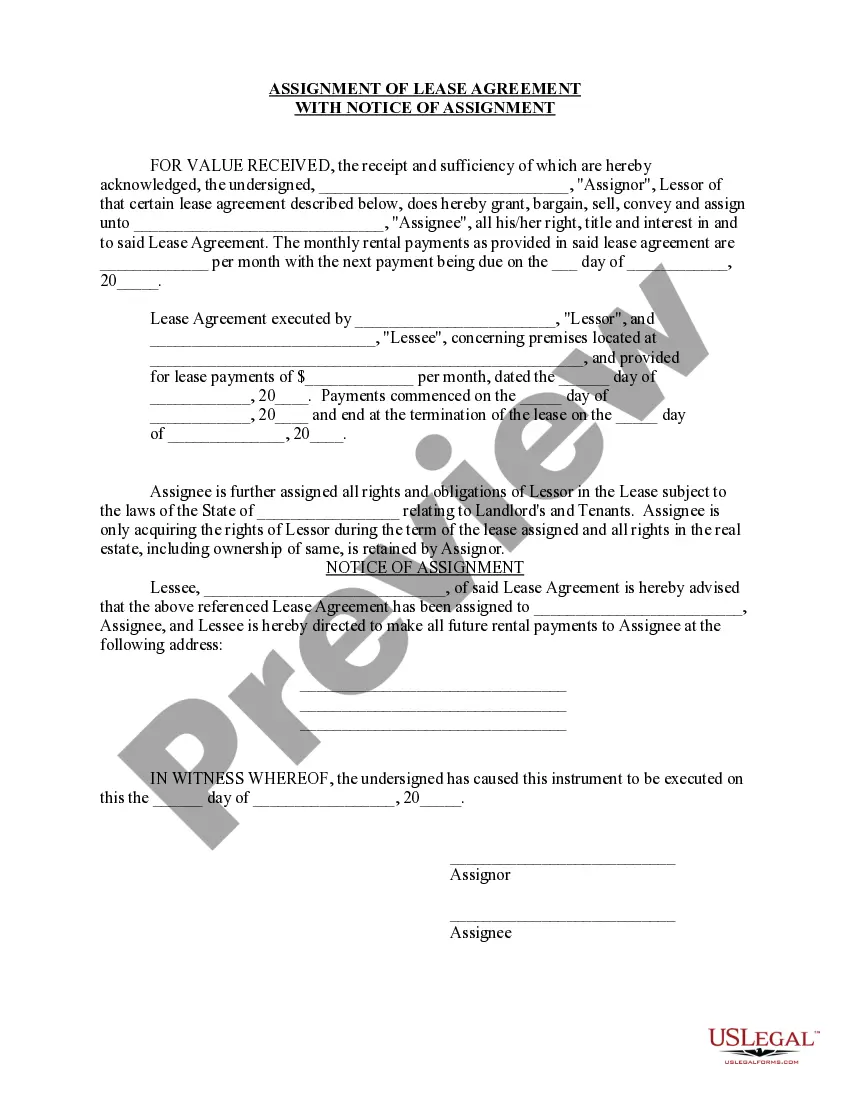
Tenancy Agreement With Council
Description
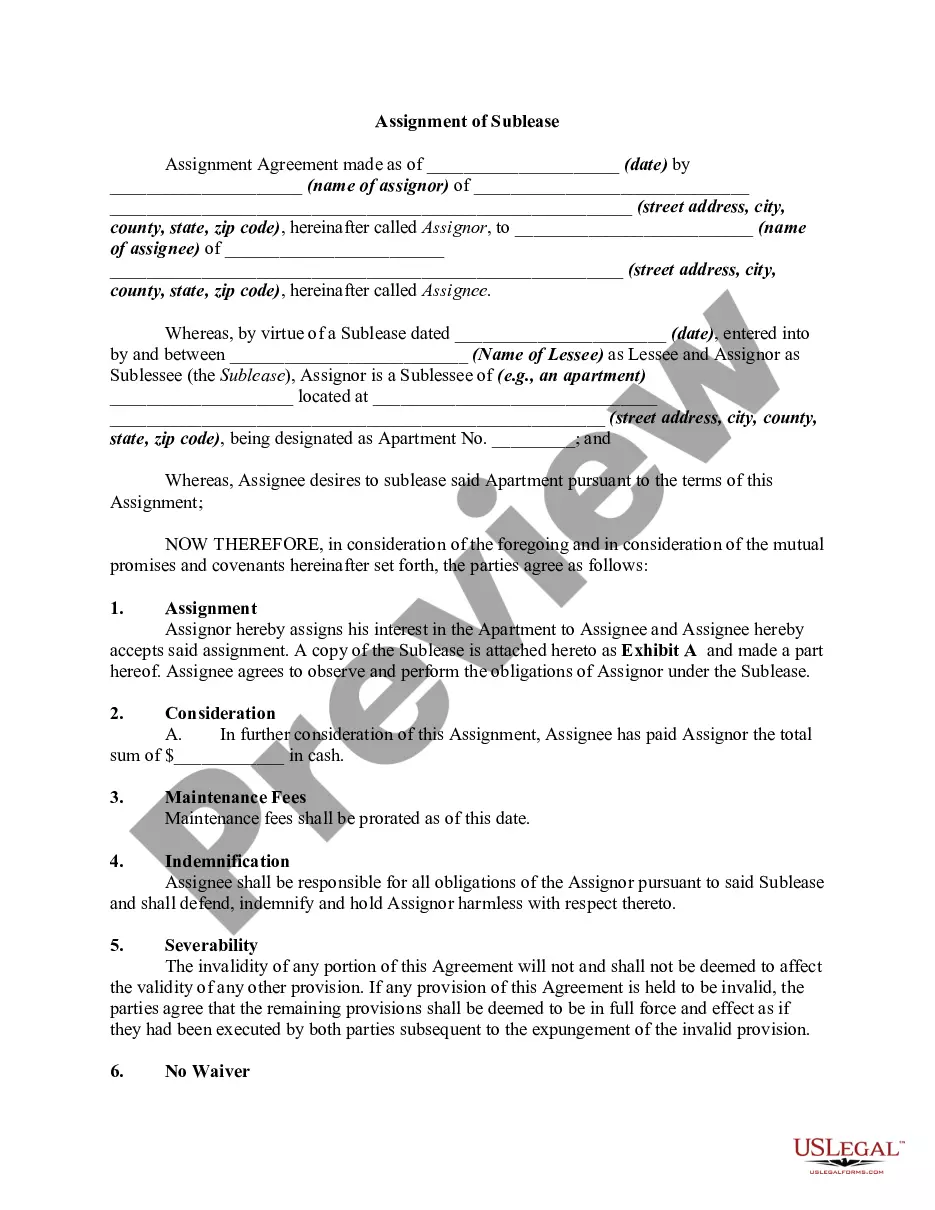
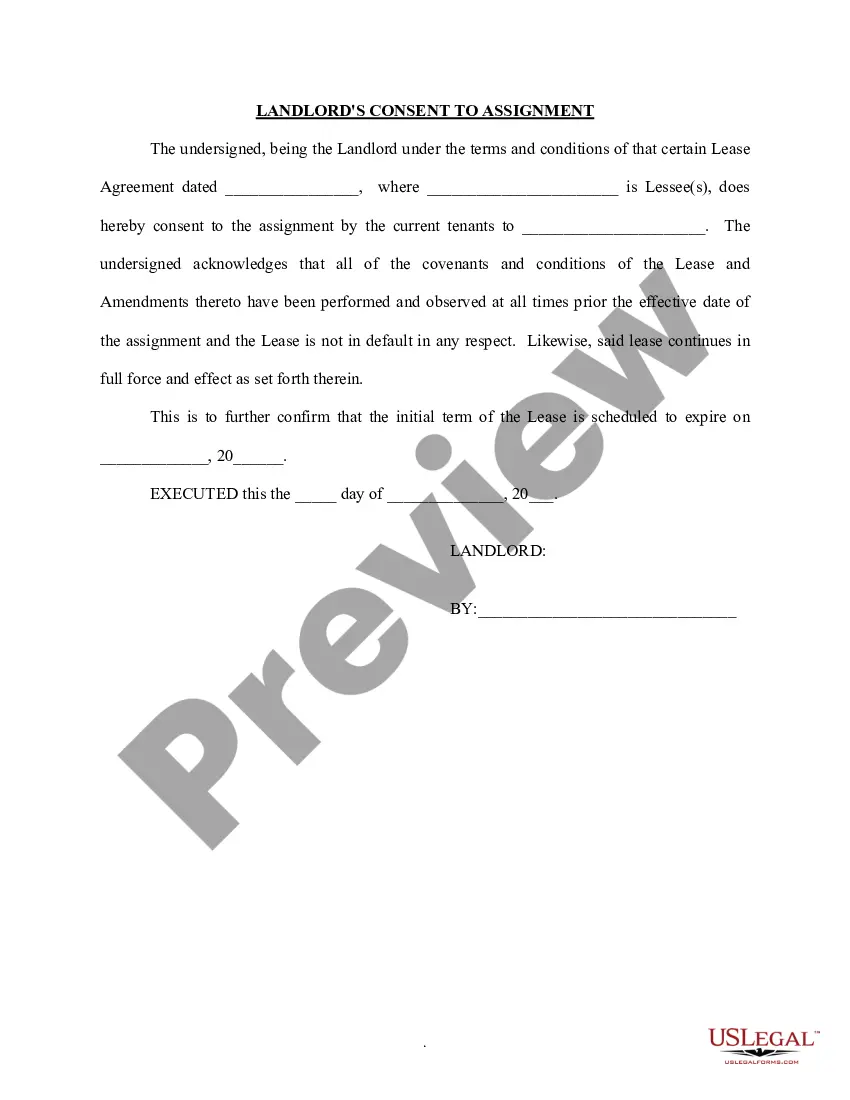
Get your form ready online
Our built-in tools help you complete, sign, share, and store your documents in one place.
Make edits, fill in missing information, and update formatting in US Legal Forms—just like you would in MS Word.
Download a copy, print it, send it by email, or mail it via USPS—whatever works best for your next step.
Sign and collect signatures with our SignNow integration. Send to multiple recipients, set reminders, and more. Go Premium to unlock E-Sign.
If this form requires notarization, complete it online through a secure video call—no need to meet a notary in person or wait for an appointment.
We protect your documents and personal data by following strict security and privacy standards.

Make edits, fill in missing information, and update formatting in US Legal Forms—just like you would in MS Word.

Download a copy, print it, send it by email, or mail it via USPS—whatever works best for your next step.

Sign and collect signatures with our SignNow integration. Send to multiple recipients, set reminders, and more. Go Premium to unlock E-Sign.

If this form requires notarization, complete it online through a secure video call—no need to meet a notary in person or wait for an appointment.

We protect your documents and personal data by following strict security and privacy standards.
Looking for another form?
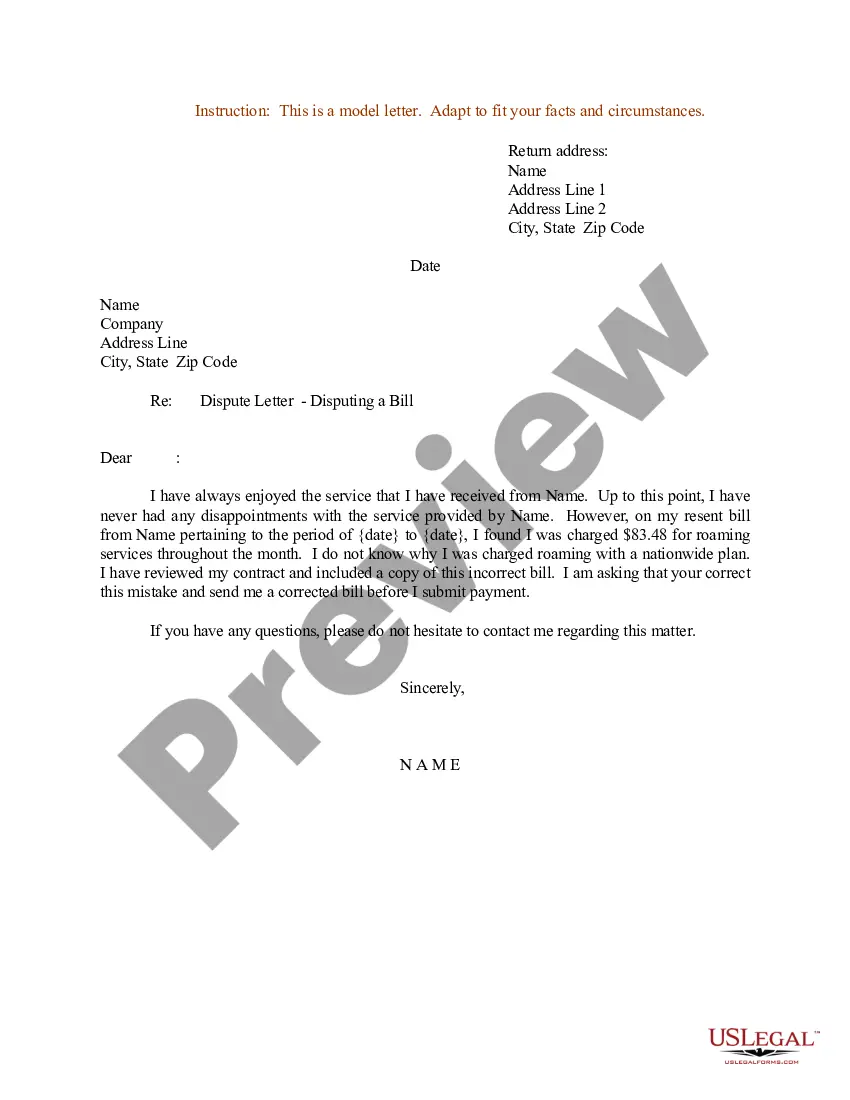



How to fill out Assignment Of Lease From Tenant?
It’s clear that you cannot transform into a legal expert instantly, nor can you swiftly master how to formulate a Tenancy Agreement With Council without having a specialized foundation.
Drafting legal documents is a lengthy undertaking necessitating specific training and expertise.
So why not entrust the creation of the Tenancy Agreement With Council to the specialists.
You can regain access to your forms from the My documents section at any time.
If you’re a current customer, you can simply Log In and locate and download the template from the same section.
- Find the form you require using the search bar at the top of the page.
- Review it (if this option is available) and examine the supporting information to determine if the Tenancy Agreement With Council is what you’re seeking.
- Initiate another search if you require a different template.
- Create a free account and select a subscription plan to purchase the form.
- Select Buy now. After the transaction is completed, you can download the Tenancy Agreement With Council, complete it, print it, and deliver it to the necessary individuals or organizations.
Form popularity
FAQ
Choosing between private and council housing depends on your unique needs and circumstances. Council housing often offers greater affordability, while private rentals might provide more housing options and flexibility. Ultimately, examining the specifics of a tenancy agreement with council compared to private agreements can help you make an informed decision.
As a renter in Oregon, you have the right to safe and habitable housing, protection against discriminatory practices, and the right to privacy. Your tenancy agreement with council will spell out your rights as well, ensuring that both you and the landlord understand your obligations. Familiarizing yourself with these rights is crucial for a positive renting experience.
Living in a council house means your home is owned and managed by the local council. These houses are designed to provide affordable housing to residents who may have difficulty accessing private rentals. Your tenancy agreement with council will establish the terms under which you live in the property and the support available to you as a tenant.
A 'council tenant' is an individual who rents a home from the local council, usually at a reduced rate compared to private rentals. The council manages and maintains these properties, providing tenants with security and support. When you become a council tenant, a tenancy agreement with council will detail your rights and responsibilities.
A 'rented local council' refers to housing provided by the local government. This arrangement allows residents to access affordable housing options that come with various benefits. When entering a tenancy agreement with council, it's important to understand the specific terms and conditions linked to this type of rental.
A tenancy agreement should include the names of the parties involved, the start and end dates of the tenancy, the rent amount, and the frequency of payments. Additionally, it should outline responsibilities for repairs, property maintenance, and any rules regarding the use of the property. Understanding these elements is crucial for both landlords and tenants, particularly when dealing with a tenancy agreement with council.
To set up a tenancy agreement, start by discussing the terms with your landlord or tenant. Once you agree on the details, you can create a document that outlines all terms, using a template or legal service for guidance. This is crucial for a clear and legally binding tenancy agreement with council.
Typically, the landlord or their representative prepares the rental agreement. However, tenants can also draft agreements using templates available from legal services that specialize in tenancy agreements with council. This collaborative approach helps ensure both parties are clear on their rights and responsibilities.
Yes, in many areas, landlords are required to register with the local council. This requirement helps promote compliance with housing standards and a fair tenancy agreement with council. It is important for landlords to check local regulations to ensure they are meeting all necessary obligations.
While you don't necessarily need a lawyer to draft a lease agreement, it can be beneficial, especially for complex situations. Using a legal service that offers a tenancy agreement with council allows you to create a legally sound document without the expense of hiring a lawyer. It can provide peace of mind knowing that the agreement meets all legal requirements.