Legal Age To 18
Description
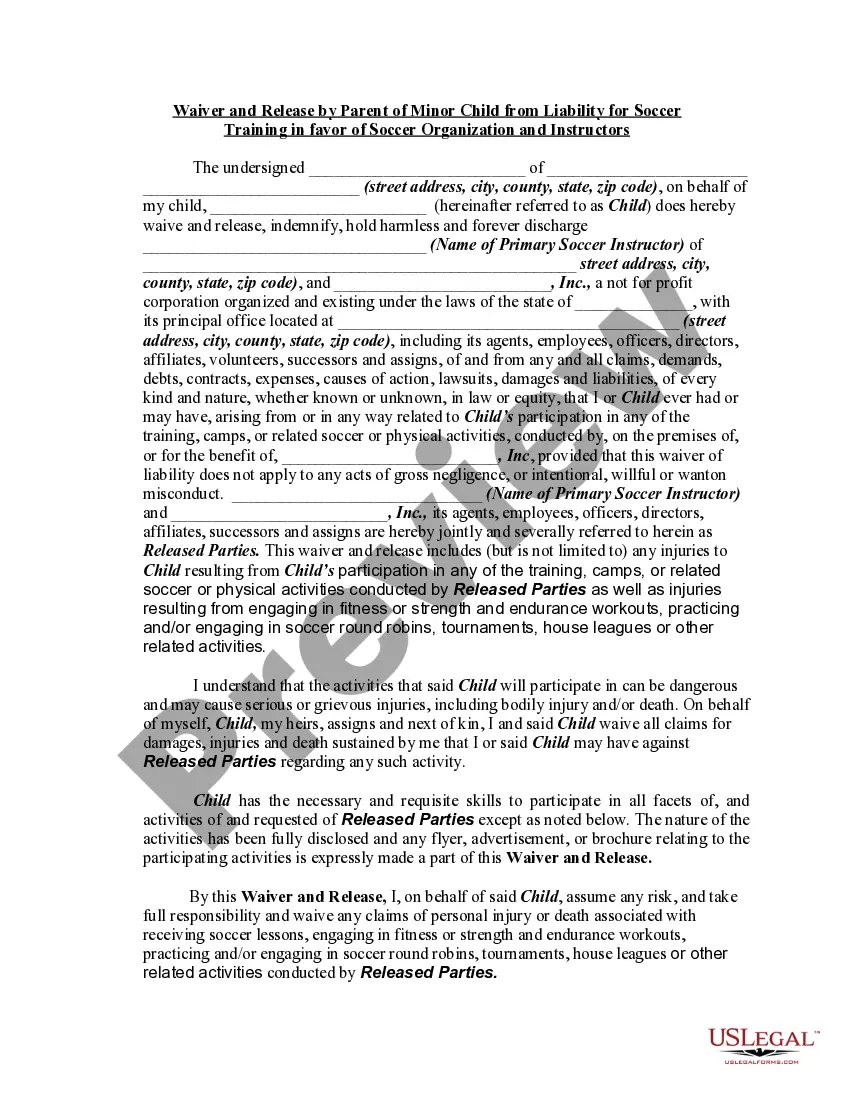
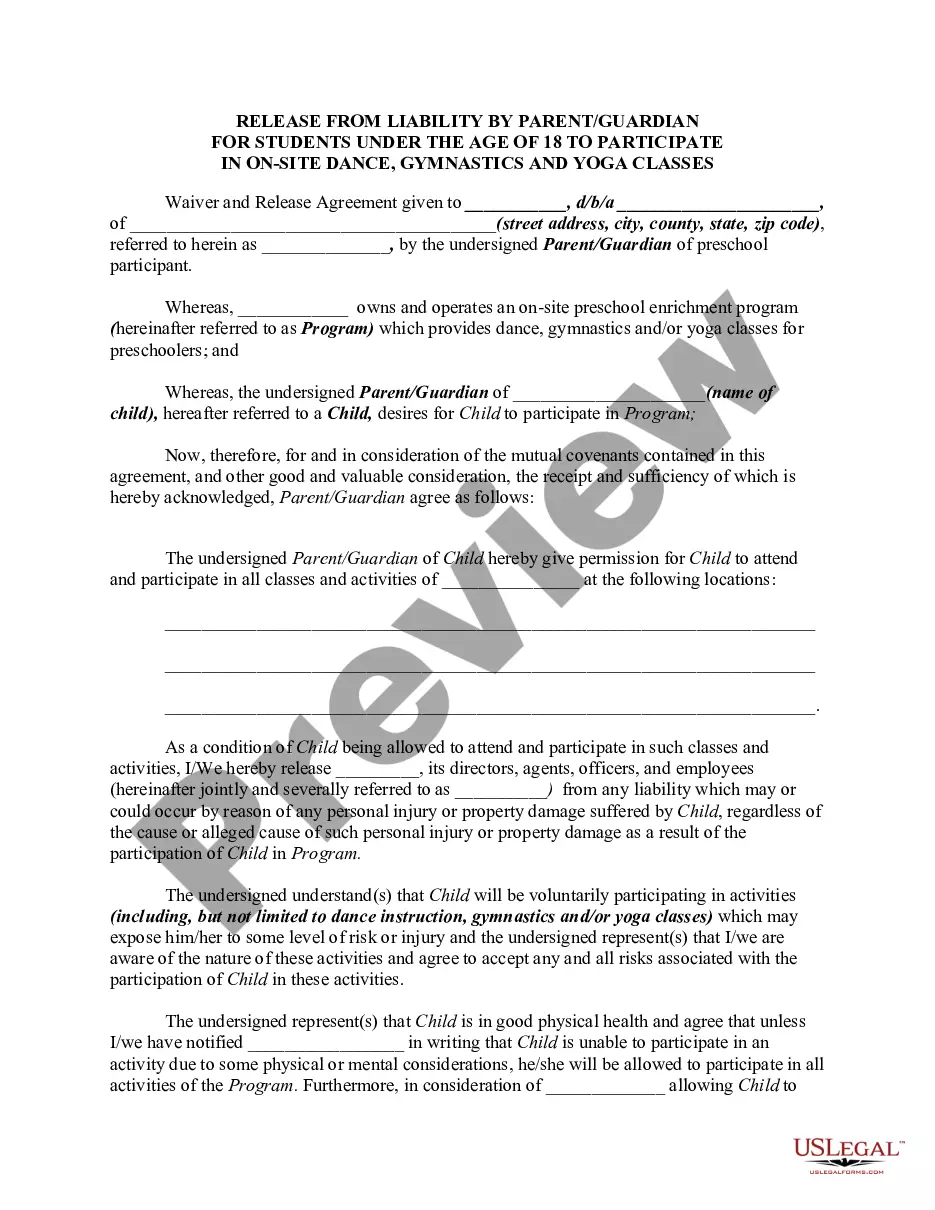
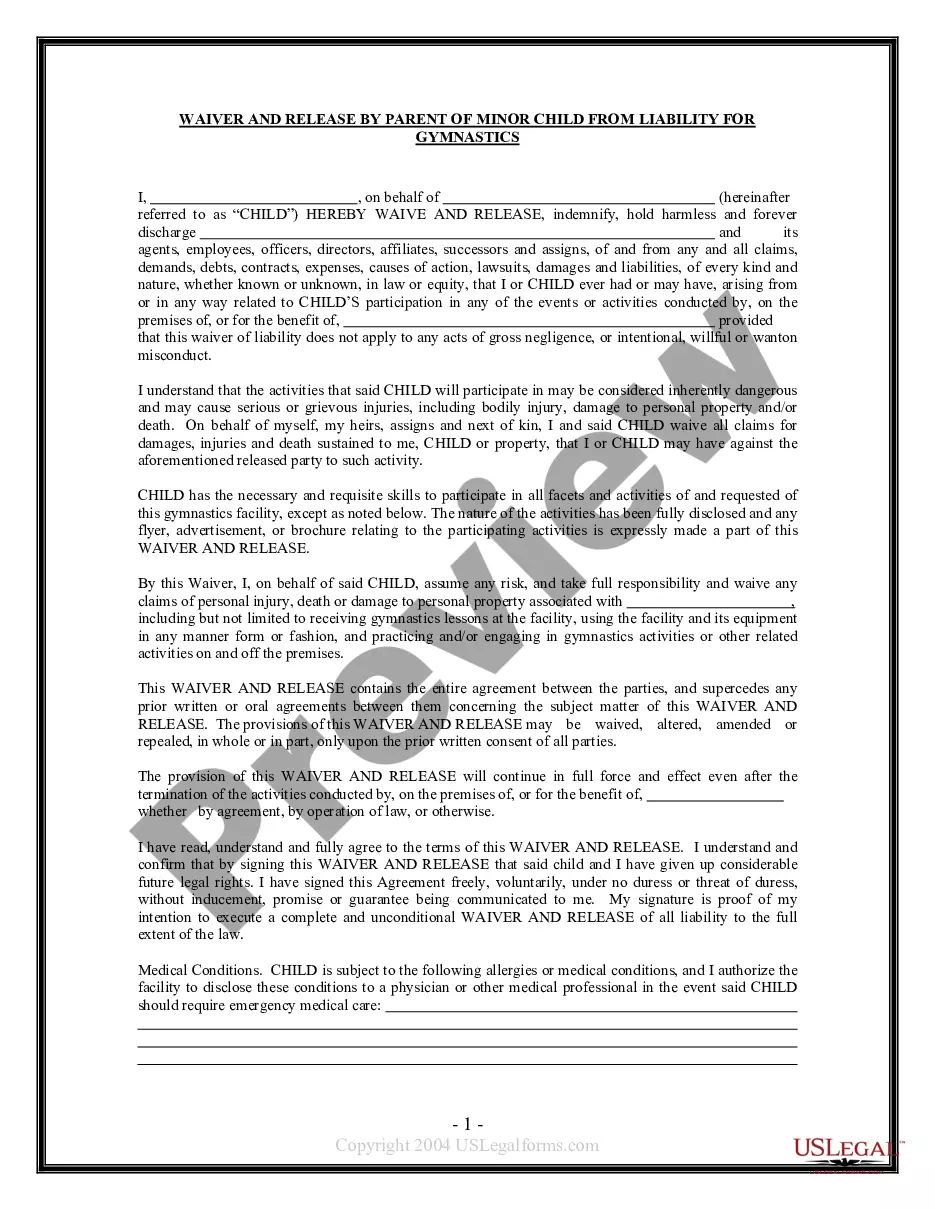
Get your form ready online
Our built-in tools help you complete, sign, share, and store your documents in one place.
Make edits, fill in missing information, and update formatting in US Legal Forms—just like you would in MS Word.
Download a copy, print it, send it by email, or mail it via USPS—whatever works best for your next step.
Sign and collect signatures with our SignNow integration. Send to multiple recipients, set reminders, and more. Go Premium to unlock E-Sign.
If this form requires notarization, complete it online through a secure video call—no need to meet a notary in person or wait for an appointment.
We protect your documents and personal data by following strict security and privacy standards.

Make edits, fill in missing information, and update formatting in US Legal Forms—just like you would in MS Word.

Download a copy, print it, send it by email, or mail it via USPS—whatever works best for your next step.

Sign and collect signatures with our SignNow integration. Send to multiple recipients, set reminders, and more. Go Premium to unlock E-Sign.

If this form requires notarization, complete it online through a secure video call—no need to meet a notary in person or wait for an appointment.

We protect your documents and personal data by following strict security and privacy standards.
Looking for another form?
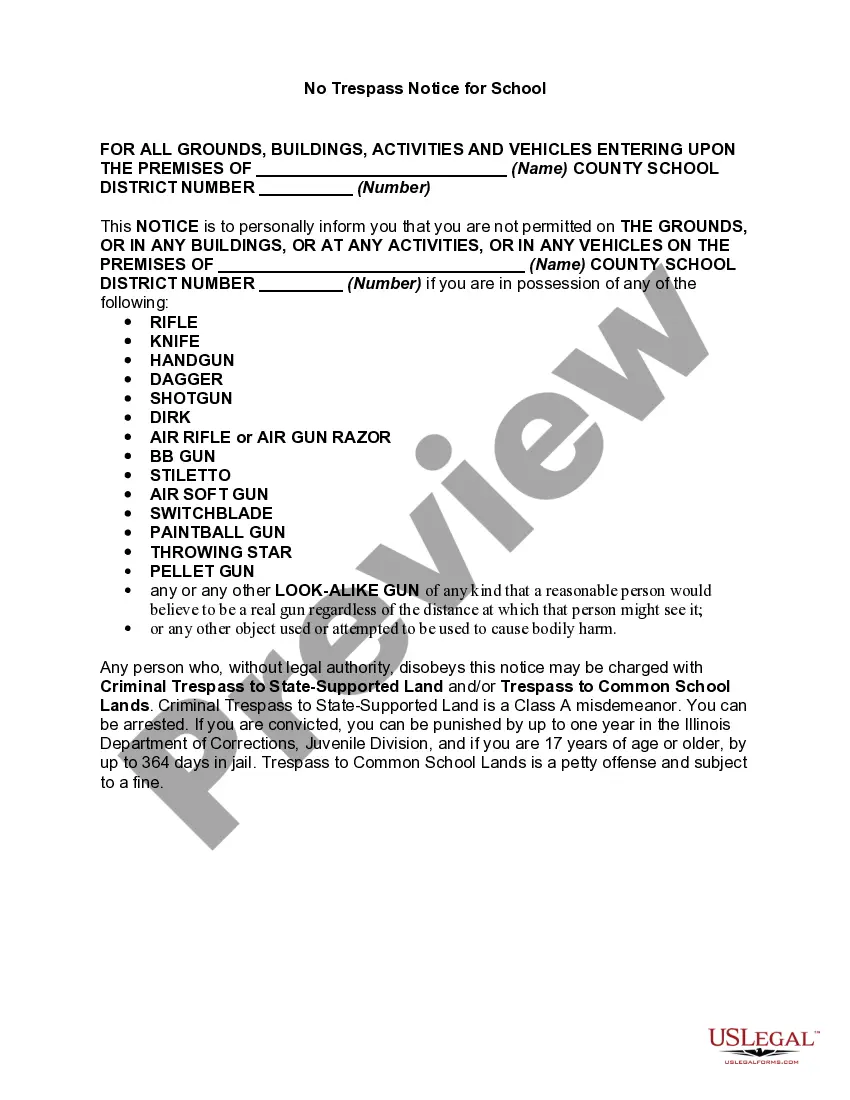

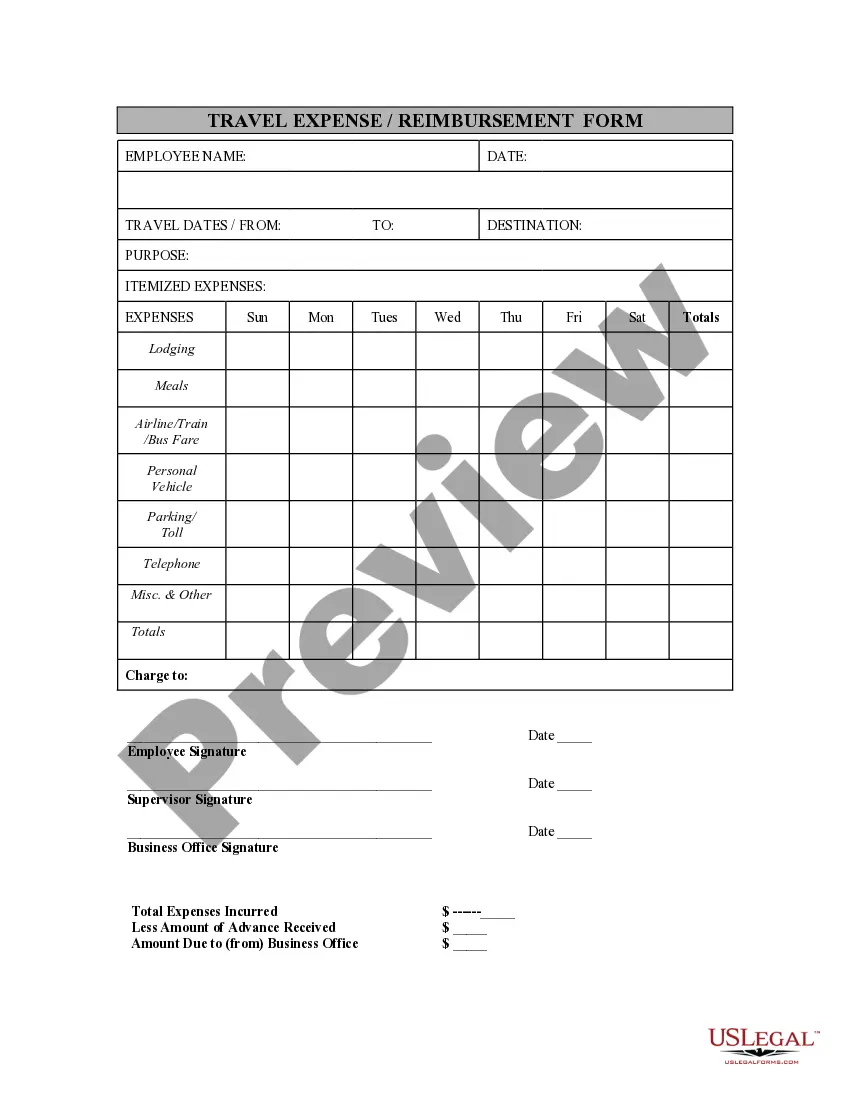

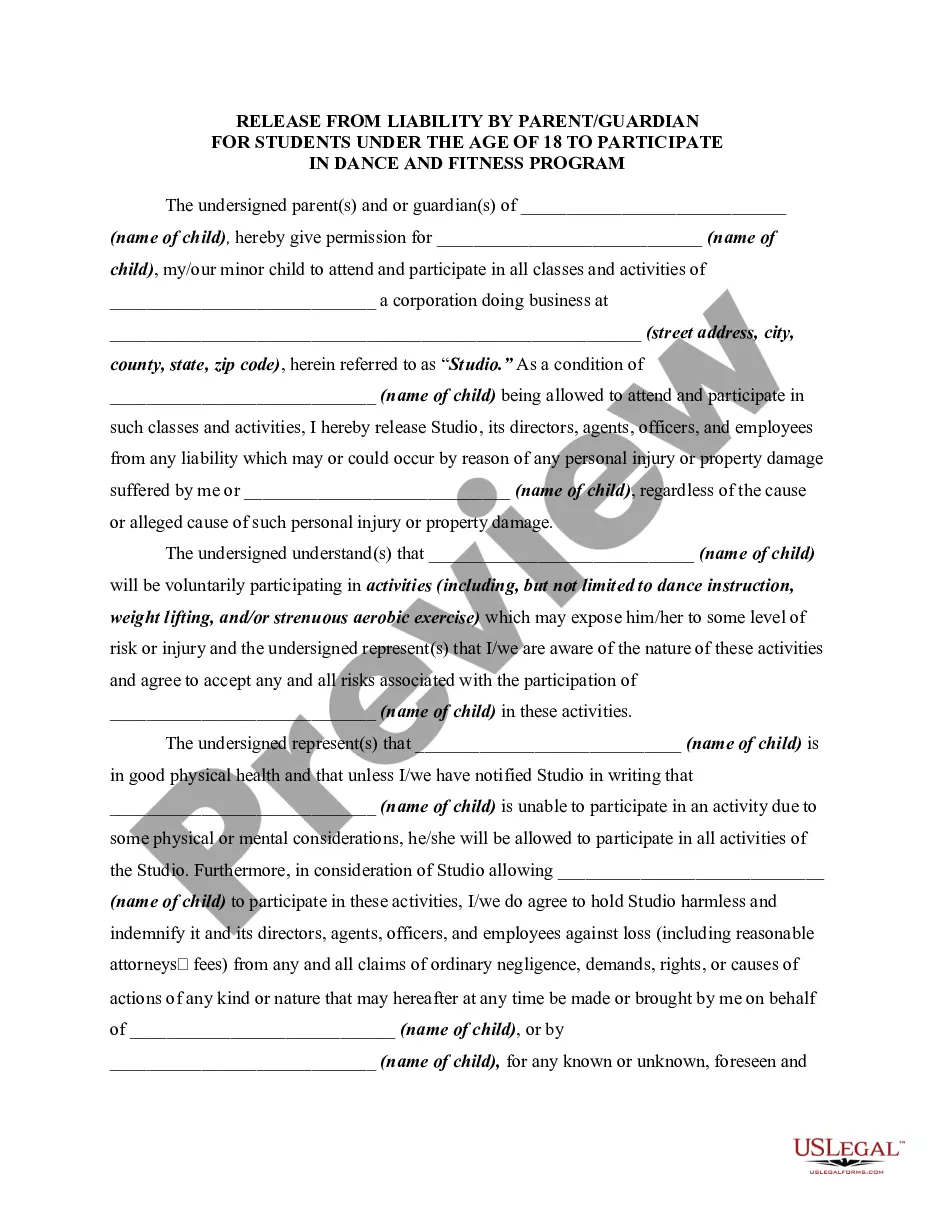
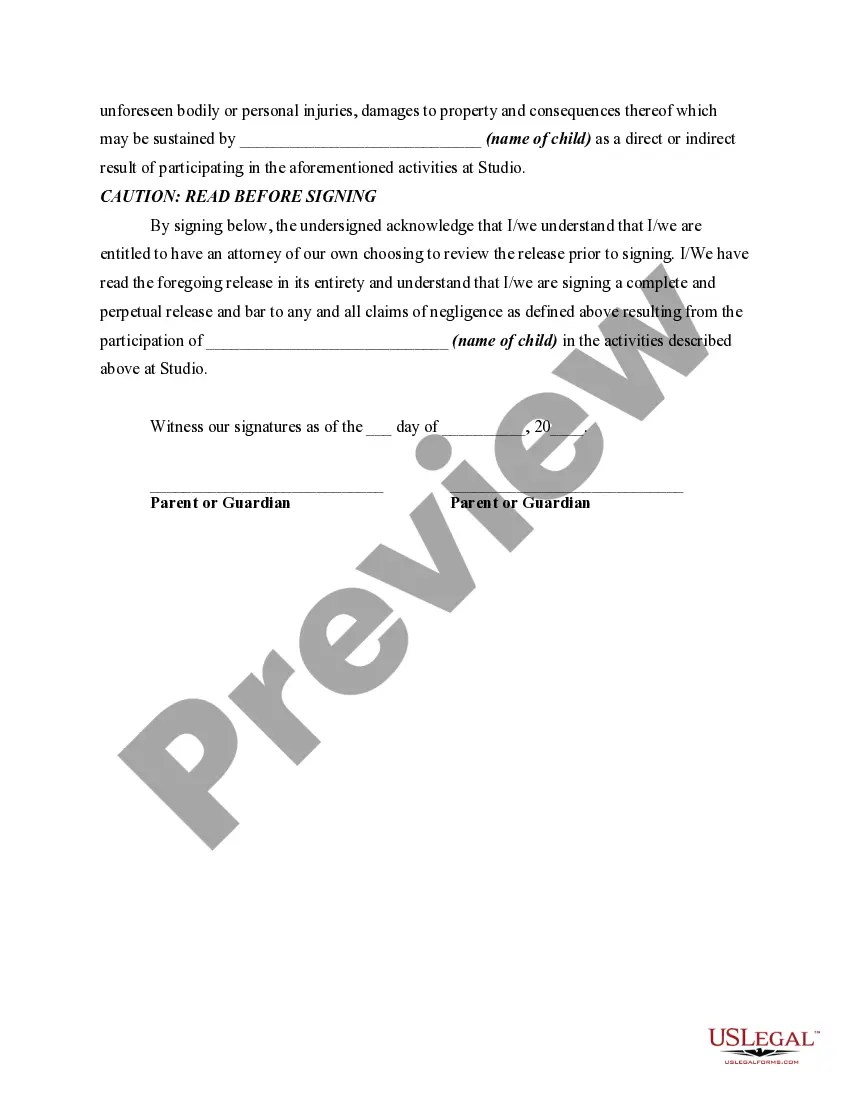
How to fill out Release From Personal Injury Liability By Parent / Guardian For Students Under The Age Of 18 To Participate In Dance And Fitness Program Or School?
Dealing with legal documents and processes can be a lengthy addition to your routine. Legal Age To 18 and similar forms often require you to locate them and figure out how to fill them out efficiently.
Therefore, if you are managing financial, legal, or personal affairs, utilizing a thorough and accessible online directory of forms readily available will be beneficial.
US Legal Forms is the premier online platform for legal templates, boasting over 85,000 state-specific forms and a variety of resources to assist you in completing your documentation effortlessly.
Browse the collection of relevant documents available to you with just a single click.
Then, follow the steps outlined below to complete your form: Ensure you have the correct form using the Review feature and checking the form details. Click Buy Now when ready, and select the subscription plan that works for you. Choose Download then fill out, eSign, and print the form. US Legal Forms has 25 years of experience helping users manage their legal documentation. Obtain the form you need today and streamline any process effortlessly.
- US Legal Forms provides you with state- and county-specific forms accessible at any time for download.
- Protect your document management processes with a superior service that enables you to assemble any form in moments without extra or hidden fees.
- Simply Log In to your account, find Legal Age To 18, and download it directly from the My documents section.
- You can also retrieve previously downloaded forms.
- Is this your first time using US Legal Forms? Sign up and create an account in just a few minutes to gain access to the form catalog and Legal Age To 18.
Form popularity
FAQ
If you have a child nearing the age of 18, here are a few critical things to watch out for: Open a Bank Account. ... Apply for a Credit Card. ... Order a Credit Report. ... Financial Literacy 101. ... Update Their Insurance. ... Watch Out for Account Changes. ... Obtain a HIPAA Release. ... Sign a Health Care Proxy and Power of Attorney.
You become a legal adult. This means that: No one can force you to do anything. This includes your parents.
It's true that when your child reaches the age of 18, they are legally seen as an adult and are legally responsible for their own behavior instead of their parents. They can't break laws, of course ? being 18 just means you can be tried as an adult, not that you're free to do anything you please.
18 Means Reaching the Age of Majority In most states, 18 years old is considered the age of majority when your teen is considered an adult. If you are not pursuing guardianship, your teen needs to give permission for you as parents to participate in meetings and receive any communication about them.
FERPA Release. HIPAA Authorization. Medical Power of Attorney. Living Will. Durable Power of Attorney. Financial Records Access. The Bottom Line.