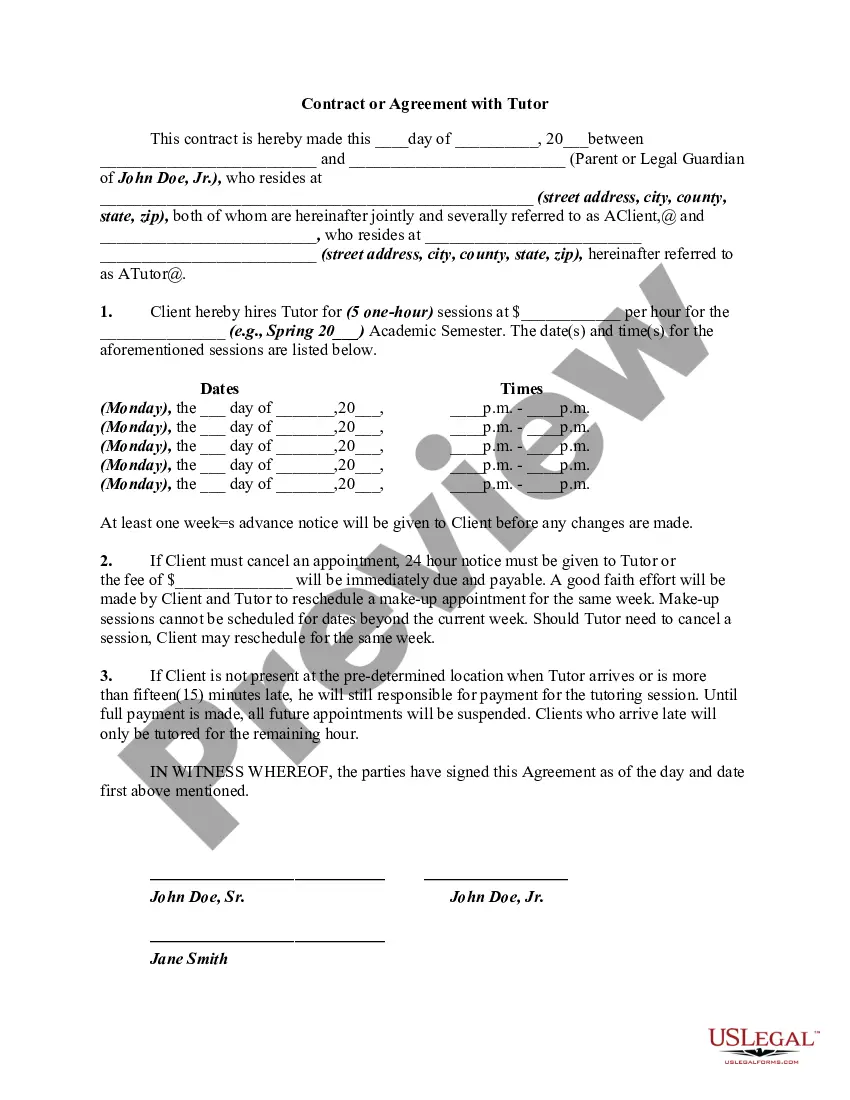
Tutor Charges
Description
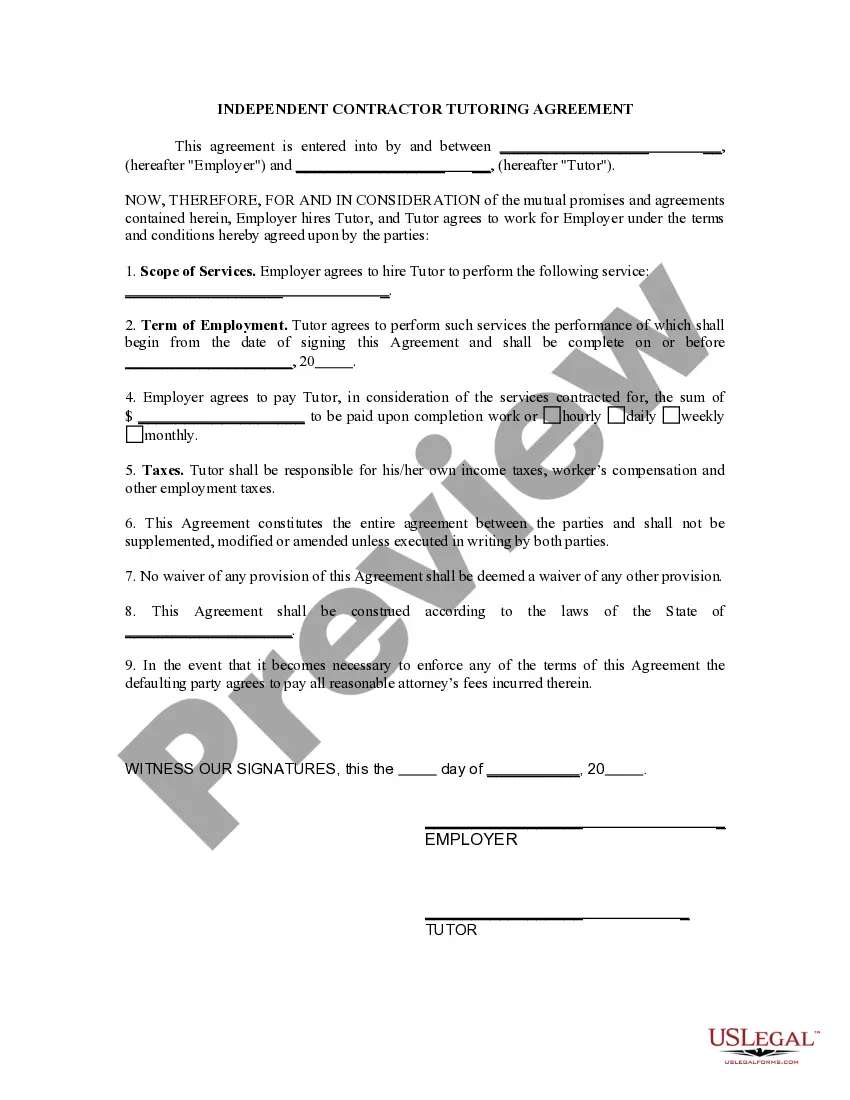
Get your form ready online
Our built-in tools help you complete, sign, share, and store your documents in one place.
Make edits, fill in missing information, and update formatting in US Legal Forms—just like you would in MS Word.
Download a copy, print it, send it by email, or mail it via USPS—whatever works best for your next step.
Sign and collect signatures with our SignNow integration. Send to multiple recipients, set reminders, and more. Go Premium to unlock E-Sign.
If this form requires notarization, complete it online through a secure video call—no need to meet a notary in person or wait for an appointment.
We protect your documents and personal data by following strict security and privacy standards.

Make edits, fill in missing information, and update formatting in US Legal Forms—just like you would in MS Word.

Download a copy, print it, send it by email, or mail it via USPS—whatever works best for your next step.

Sign and collect signatures with our SignNow integration. Send to multiple recipients, set reminders, and more. Go Premium to unlock E-Sign.

If this form requires notarization, complete it online through a secure video call—no need to meet a notary in person or wait for an appointment.

We protect your documents and personal data by following strict security and privacy standards.
Looking for another form?






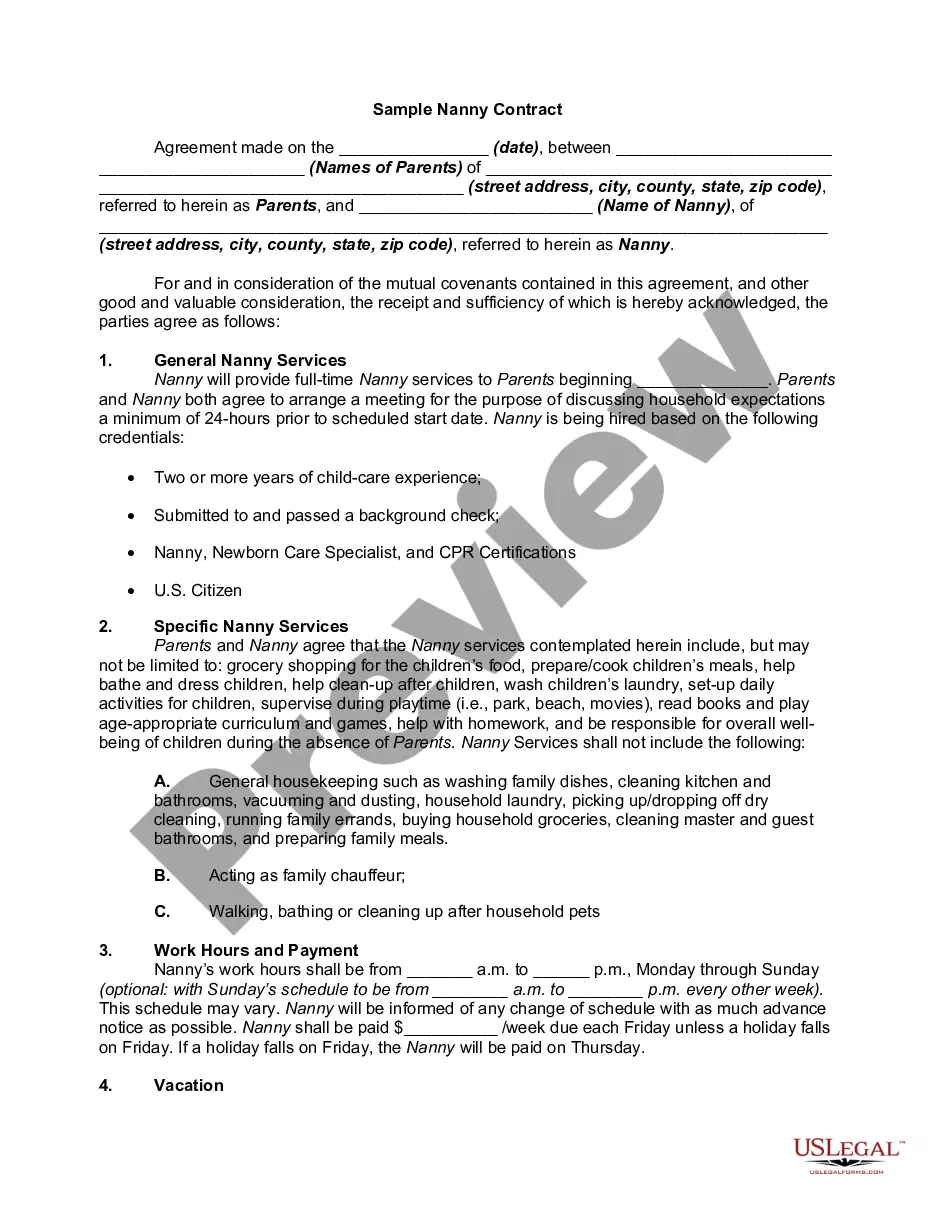
How to fill out Contract Or Agreement With Tutor?
- Log into your account if you're a returning user. Make sure your subscription is active before downloading your desired form template.
- For new users, start by browsing the extensive online library. Check the Preview mode and form description to confirm the document suits your requirements.
- Utilize the Search tab for any additional forms needed. If you find the correct template, proceed to the next step.
- Click the Buy Now button and select a subscription plan that fits your needs. You will need to create an account to access the full library.
- Complete your purchase by entering your payment details using a credit card or PayPal.
- After your purchase, save the form to your device, and you can access it anytime via the My Forms section in your account.
By following these straightforward steps, you can efficiently acquire the legal forms you need. US Legal Forms simplifies the process, ensuring you remain compliant with local regulations and requirements.
Start exploring the vast library of US Legal Forms today and unlock the tools necessary to manage your legal documents with confidence!
Form popularity
FAQ
When evaluating tutor charges, $25 an hour is often considered a solid rate for many tutoring subjects. This rate can provide you with qualified tutors who bring valuable knowledge and skills. However, it's essential to consider the tutor's experience and the subject matter when determining if this rate meets your needs. Platforms like US Legal Forms can assist you in finding the right tutor that fits your budget.
Whether $30 an hour is too much for tutoring depends on various factors, including your experience and the subject matter. For many cases, especially specialized subjects, this amount is quite reasonable. Tutor charges typically reflect the tutor’s qualifications, location, and demand. Comparing rates in your area can provide better insight into what is typical for your services.
To ask for payment for tutoring politely, start by discussing your tutoring services upfront. Set clear expectations regarding payment methods and schedules during your initial conversation. When it’s time to collect payment, you can gently remind your student about the agreed charges. Consistently being professional will help make this a seamless part of your tutoring relationship.
Not everyone needs to receive a 1099 form. For example, corporations usually do not require a 1099 for services rendered. Additionally, if your payment to a tutor is less than $600, you may not need to issue a 1099, but it's still wise to track payments for your records and tax compliance.
If you compensate a consultant for services and the total payments exceed $600 within a year, you typically need to issue them a 1099 form. This requirement helps your business document consultant charges clearly for tax purposes. Keeping all management and payment records organized can greatly ease this process.
Filing taxes as a tutor involves reporting all income from tutor charges and deducting any eligible expenses. Start by gathering documentation such as your 1099 forms and expense receipts. You might benefit from using online tax software or consulting uslegalforms to access helpful resources that guide you through your specific tax situation.
Yes, as a tutor, you must report your tutoring income on your tax return, regardless of whether you receive a 1099 form. All income received from tutor charges is taxable and should be accurately reflected in your tax documents. Consulting with a tax professional can help clarify your reporting requirements and ensure compliance.
Yes, tutors typically qualify as independent contractors. This means they operate as self-employed individuals who provide services based on a contractual arrangement. Understanding this status is important, especially when discussing tutor charges and tax obligations related to their payments.
When asking for payment, be straightforward and professional in your approach. Clearly outline the payment structure at the beginning of your tutoring relationship to avoid confusion later. You can also send polite reminders for payments due, especially after a few sessions. Emphasize the value of your time and expertise, as this can help reinforce the rationale behind your tutor charges.
The value of $30 an hour for tutoring largely depends on various factors, such as the subject being taught and your experience. In many cases, this rate is competitive for high school subjects, but may be considered low for specialized subjects or higher education. It's wise to research local market rates and compare them with your qualifications. Understand that tutor charges should equate to the quality and effectiveness of the tutoring you provide.