Farm Land For Rent In Alberta
Description
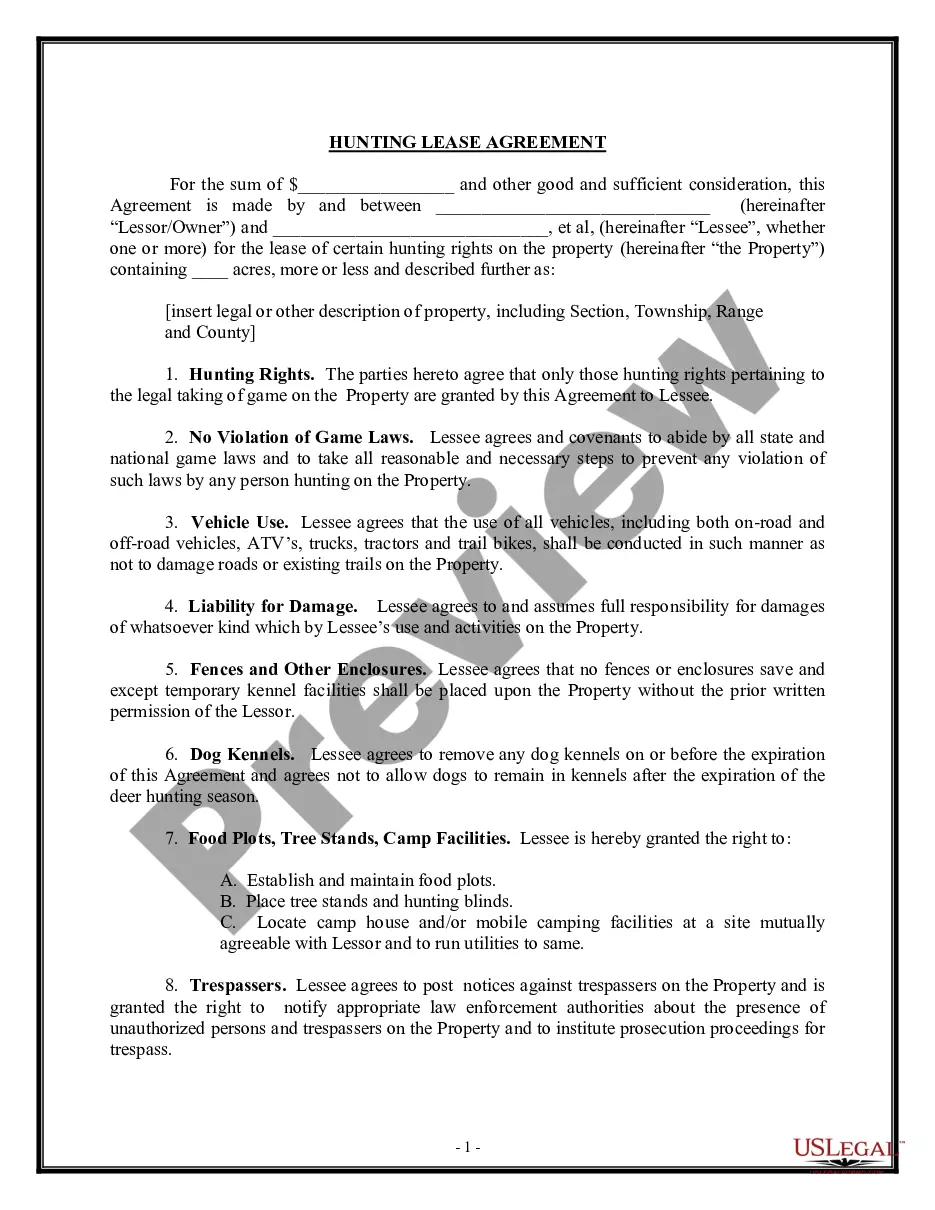
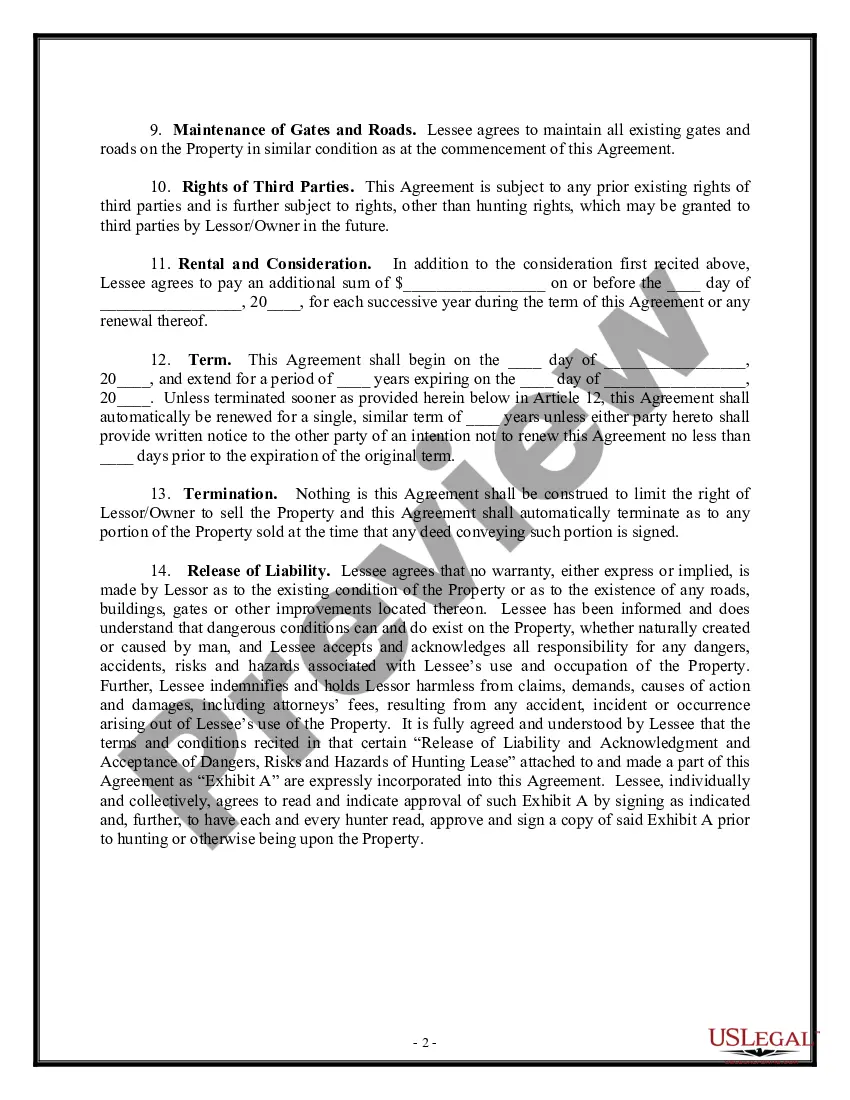
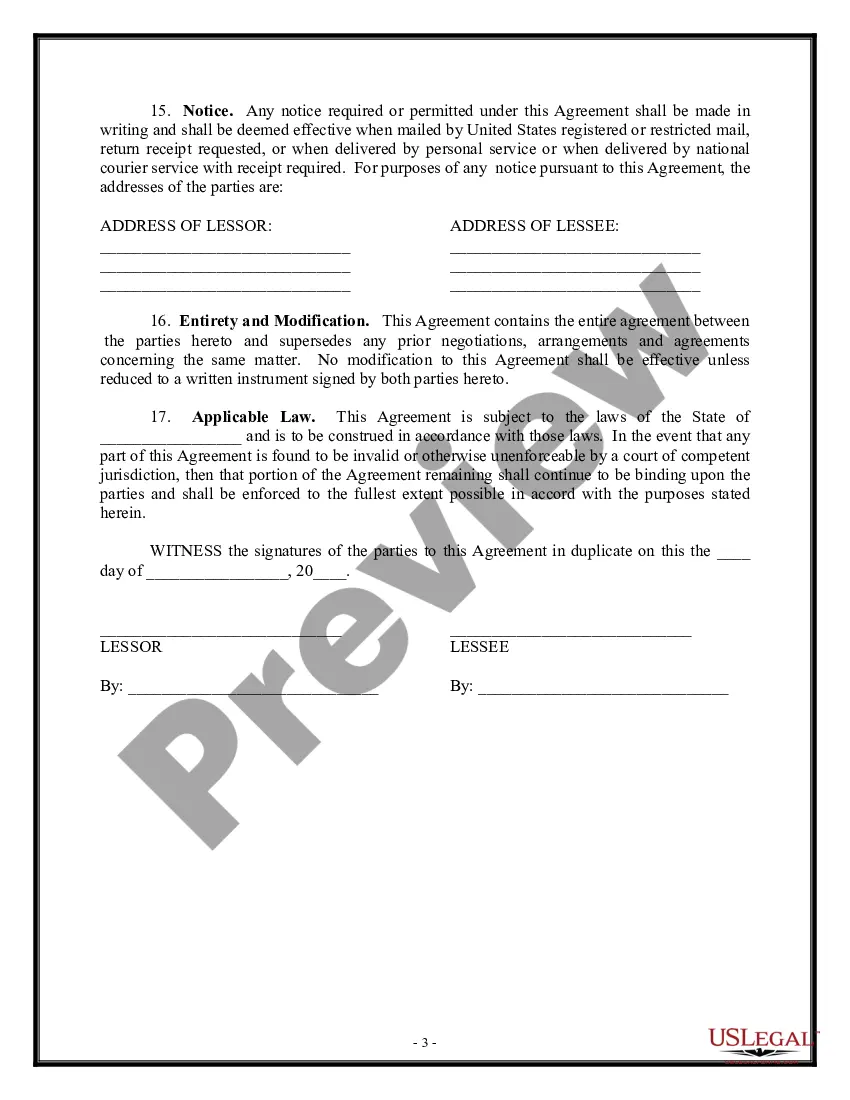
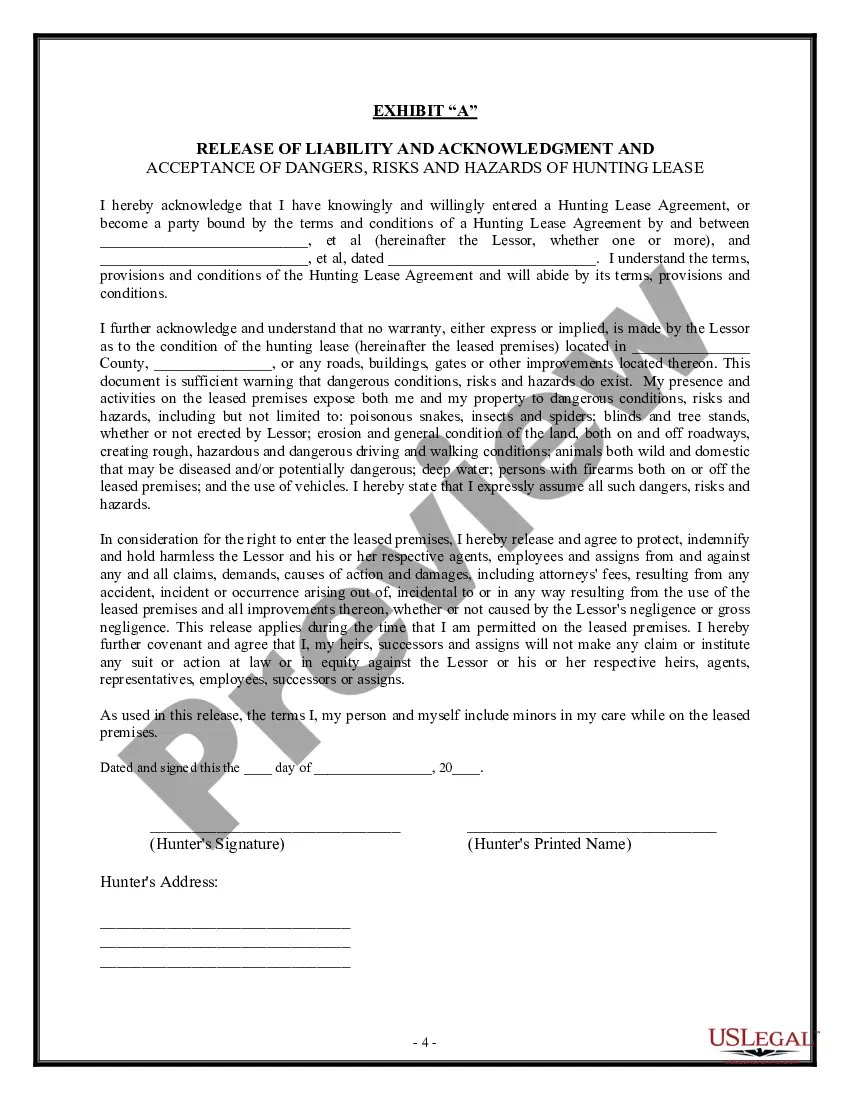
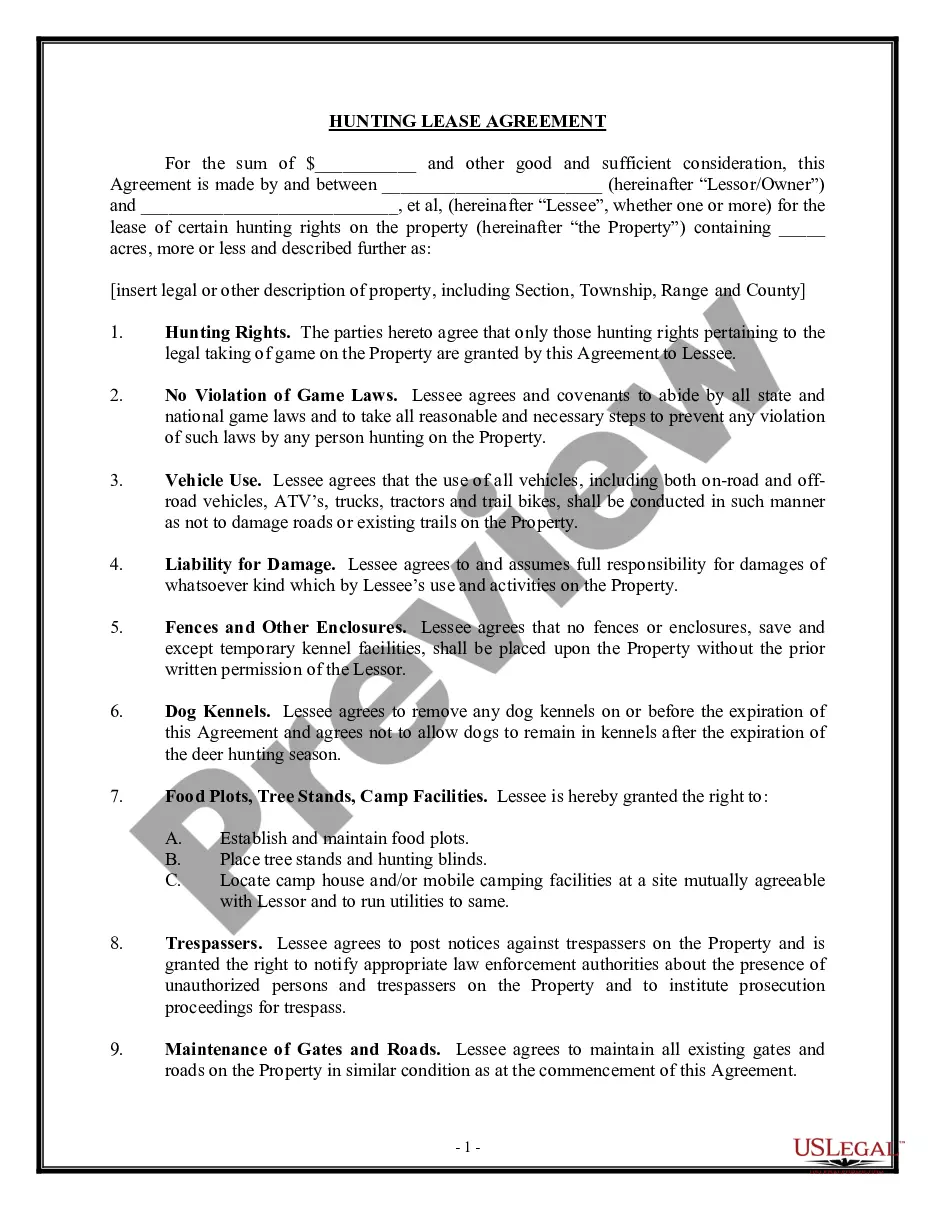
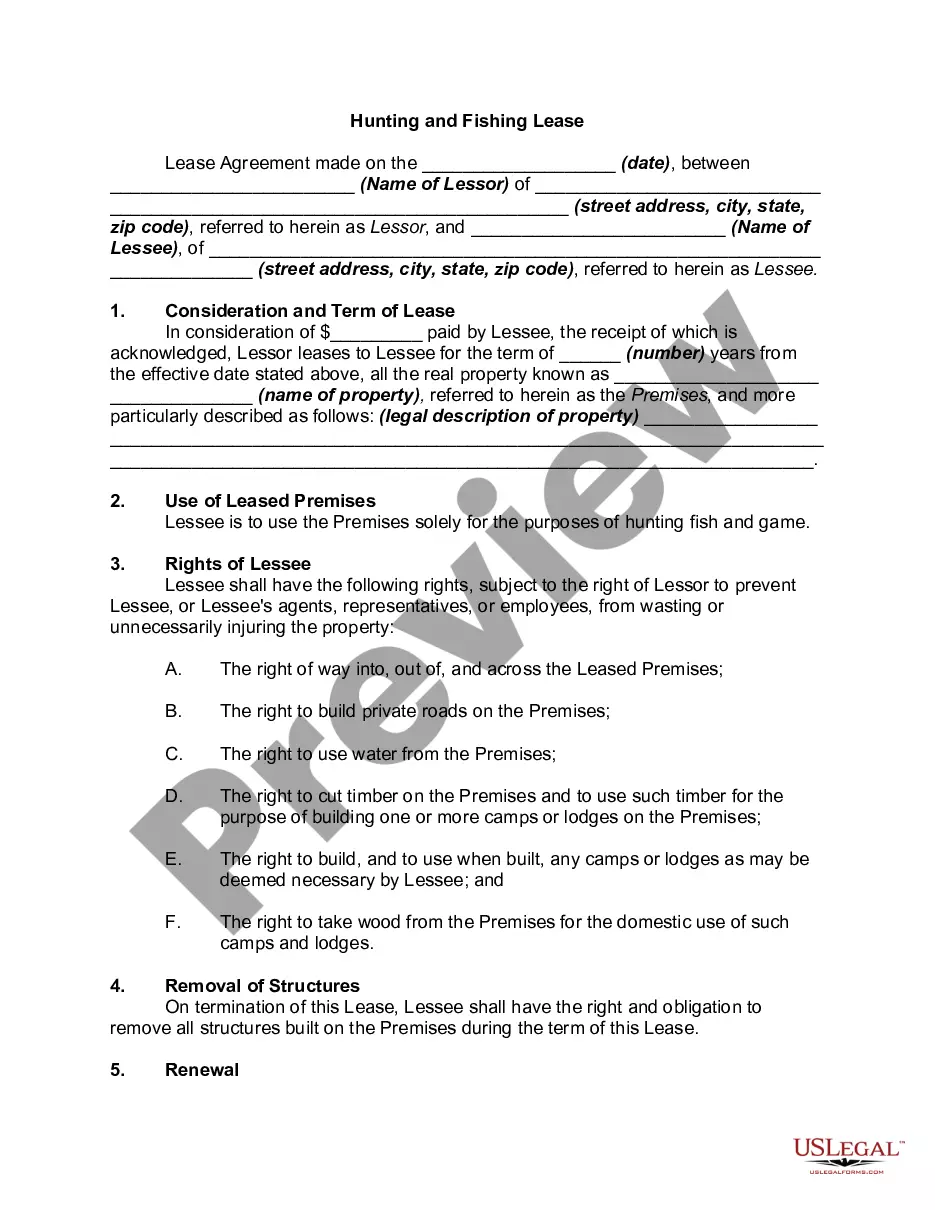
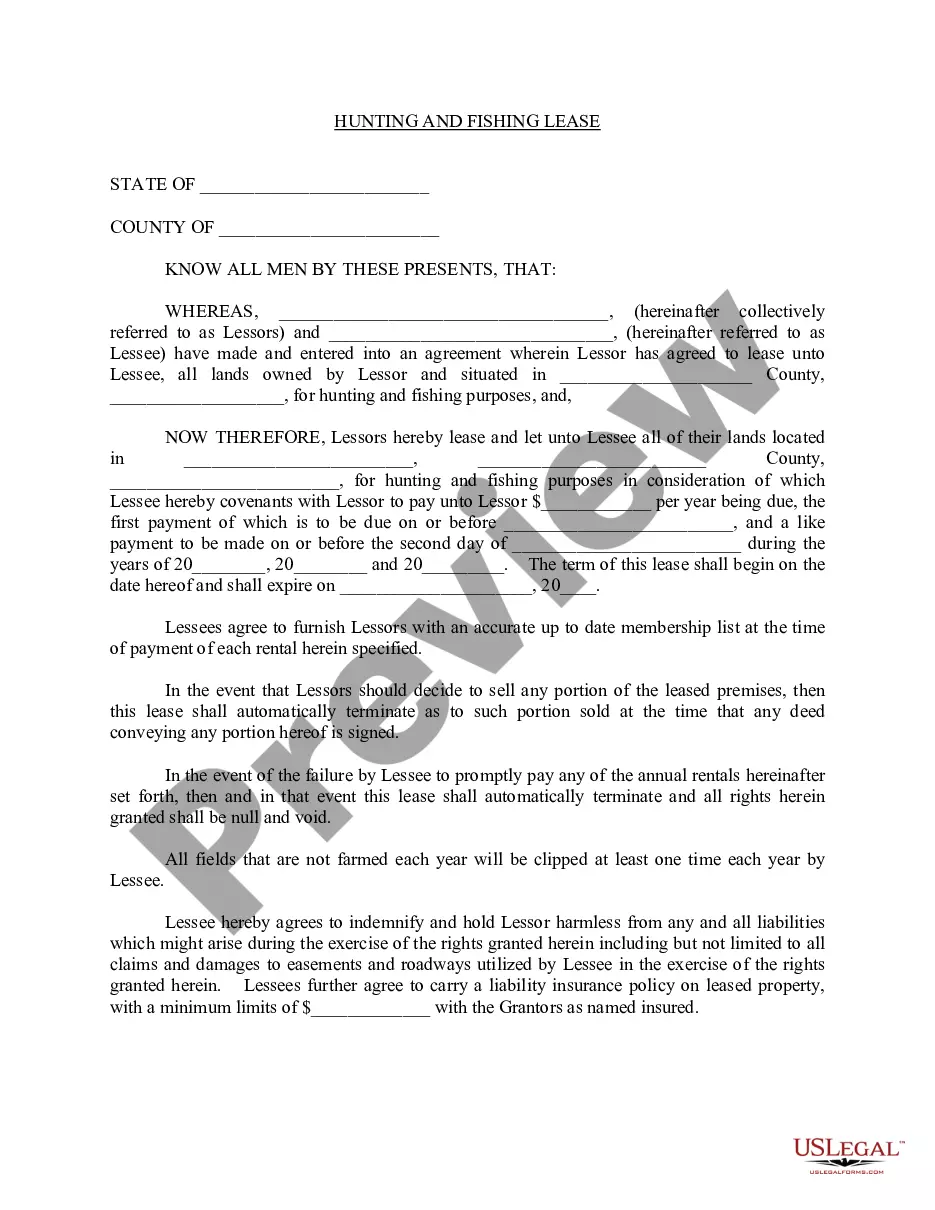
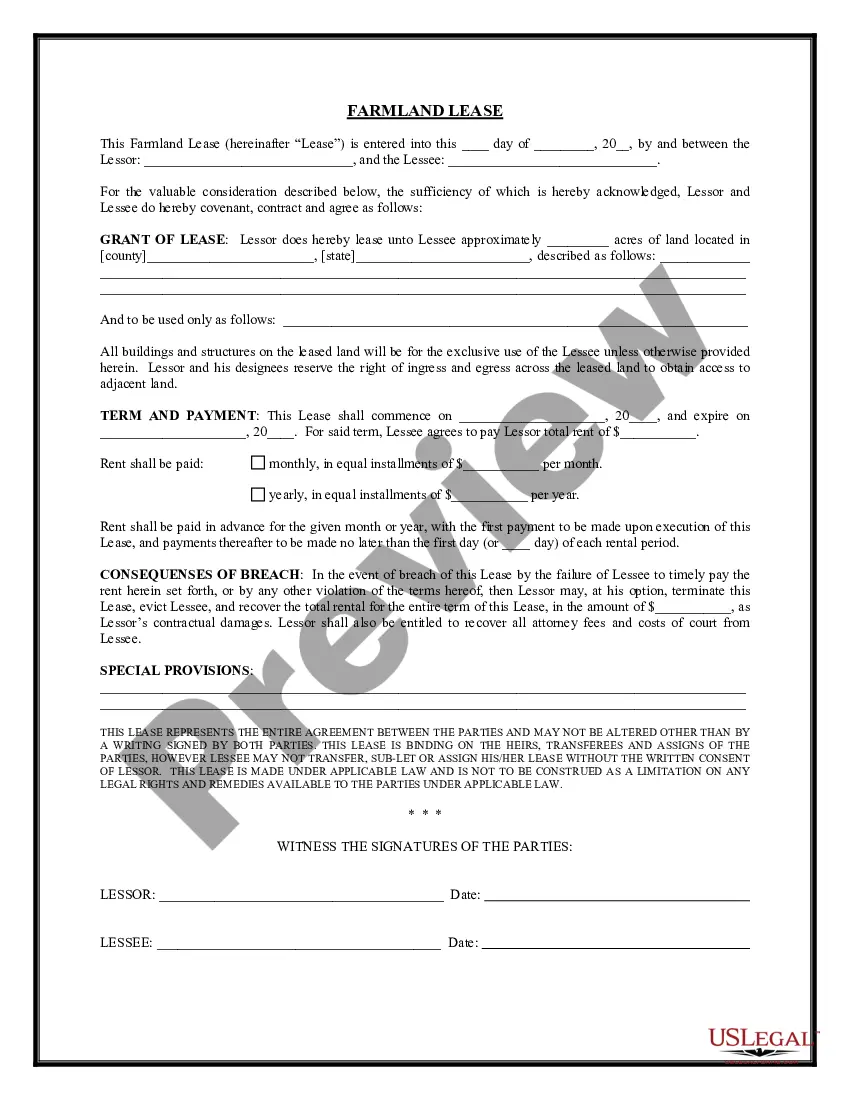
Get your form ready online
Our built-in tools help you complete, sign, share, and store your documents in one place.
Make edits, fill in missing information, and update formatting in US Legal Forms—just like you would in MS Word.
Download a copy, print it, send it by email, or mail it via USPS—whatever works best for your next step.
Sign and collect signatures with our SignNow integration. Send to multiple recipients, set reminders, and more. Go Premium to unlock E-Sign.
If this form requires notarization, complete it online through a secure video call—no need to meet a notary in person or wait for an appointment.
We protect your documents and personal data by following strict security and privacy standards.

Make edits, fill in missing information, and update formatting in US Legal Forms—just like you would in MS Word.

Download a copy, print it, send it by email, or mail it via USPS—whatever works best for your next step.

Sign and collect signatures with our SignNow integration. Send to multiple recipients, set reminders, and more. Go Premium to unlock E-Sign.

If this form requires notarization, complete it online through a secure video call—no need to meet a notary in person or wait for an appointment.

We protect your documents and personal data by following strict security and privacy standards.
Looking for another form?
How to fill out Farm Lease Or Rental - Hunting Land Or Property?
Creating legal documents from the beginning can often be daunting.
Certain situations may require extensive research and significant financial investment.
If you seek a simpler and more economical method of preparing Farm Land For Rent In Alberta or any other documentation without unnecessary complications, US Legal Forms is always accessible.
Our online collection of over 85,000 current legal forms encompasses nearly every aspect of your financial, legal, and personal issues. With just a few clicks, you can promptly acquire state- and county-specific templates meticulously prepared for you by our legal experts.
Ensure the template you choose adheres to the regulations and laws of your state and county. Select the most appropriate subscription option to obtain the Farm Land For Rent In Alberta. Download the form. Then complete, certify, and print it out. US Legal Forms has a solid reputation and over 25 years of experience. Join us today and make document processing a breeze!
- Utilize our platform whenever you require dependable and trustworthy services through which you can effortlessly locate and download the Farm Land For Rent In Alberta.
- If you are familiar with our services and have previously created an account with us, simply Log In to your account, select the template and download it or re-download it anytime in the My documents section.
- Don't have an account? No worries. It takes minimal time to register and browse the library.
- Before diving straight into downloading Farm Land For Rent In Alberta, take heed of these tips.
- Review the document preview and descriptions to ensure you are on the proper document.
Form popularity
FAQ
The IRS does not define a specific number of acres that qualifies as a farm; instead, it's determined by your operation's income and intent. In many cases, however, a farm can be as small as 5 acres, provided you are actively engaged in farming activities or earning rental income from farm land for rent in Alberta. It's crucial to demonstrate that you are using the land for production to be eligible for certain tax benefits.
You can report farmland rental income directly on your annual tax return using IRS forms based on your specific situation. For those renting out farm land for rent in Alberta, you may find Schedule E or Schedule F useful depending on your level of activity in managing the farm. It is essential to keep accurate records of all income and expenses associated with your rental farmland to streamline the reporting process and avoid potential issues with the IRS.
To report farm rental income, you should first gather all documentation of the income received from your farmland for rent in Alberta. Use Schedule E if you are classified as a passive owner without significant participation in farm operations. If you actively manage the land, consider using Schedule F for more comprehensive reporting. This will help you accurately calculate your taxable income from your rental activities.
When you earn income from farm land for rent in Alberta, it's important to report that income accurately to the IRS. Generally, you will use Schedule F on Form 1040 to report your farm income and expenses. Be sure to include all rental income generated from your farmland, as well as any expenses related to the management of that land. This helps you maintain compliance and ensures you can take advantage of any deductions available to you.
Renting farm land in Alberta can be profitable, particularly if you select the right crops and manage your resources effectively. Many farmers find that renting can lower their upfront costs and increase their flexibility. To maximize profitability, consider factors such as soil quality, market demand, and suitable farming practices.
In Alberta, you generally need a minimum of 80 acres to qualify as a recognized farm. However, smaller plots may still serve farming purposes, depending on the activities conducted and local regulations. It’s always good to check with local authorities for specific definitions related to farming in your area.
Reporting farmland rental income in Alberta is straightforward. You need to include the income on your tax return as part of your total earnings. Additionally, keep thorough records of the rental payments and any related expenses to accurately calculate your tax obligations. Using accounting software can help you manage this process more efficiently.
Leasing agricultural land in Alberta involves a few key steps. First, identify suitable land that meets your farming needs. Then, draft a lease agreement that includes essential details such as duration, payments, and responsibilities. Utilizing online resources or platforms like US Legal Forms can simplify the leasing process by providing templates and guidelines.
To rent your farm land in Alberta, start by determining the rental rate based on the specific features of your land. Next, create a rental agreement that outlines the terms and conditions clearly. You can list your property on agricultural rental platforms or connect with local farmers directly to negotiate. Remember, having a well-structured contract is beneficial for both parties.
To be recognized as a farm in Alberta, you typically need a minimum of 10 acres, although this can vary based on local regulations and the type of farming you pursue. It's important to remember that not just the size of the land matters, but how you use it for agricultural activities. If you are considering farm land for rent in Alberta, consult local guidelines to ensure your land meets the criteria.