Child Custody Agreement Without Court Ontario
Description

Get your form ready online
Our built-in tools help you complete, sign, share, and store your documents in one place.
Make edits, fill in missing information, and update formatting in US Legal Forms—just like you would in MS Word.
Download a copy, print it, send it by email, or mail it via USPS—whatever works best for your next step.
Sign and collect signatures with our SignNow integration. Send to multiple recipients, set reminders, and more. Go Premium to unlock E-Sign.
If this form requires notarization, complete it online through a secure video call—no need to meet a notary in person or wait for an appointment.
We protect your documents and personal data by following strict security and privacy standards.

Make edits, fill in missing information, and update formatting in US Legal Forms—just like you would in MS Word.

Download a copy, print it, send it by email, or mail it via USPS—whatever works best for your next step.

Sign and collect signatures with our SignNow integration. Send to multiple recipients, set reminders, and more. Go Premium to unlock E-Sign.

If this form requires notarization, complete it online through a secure video call—no need to meet a notary in person or wait for an appointment.

We protect your documents and personal data by following strict security and privacy standards.
Looking for another form?
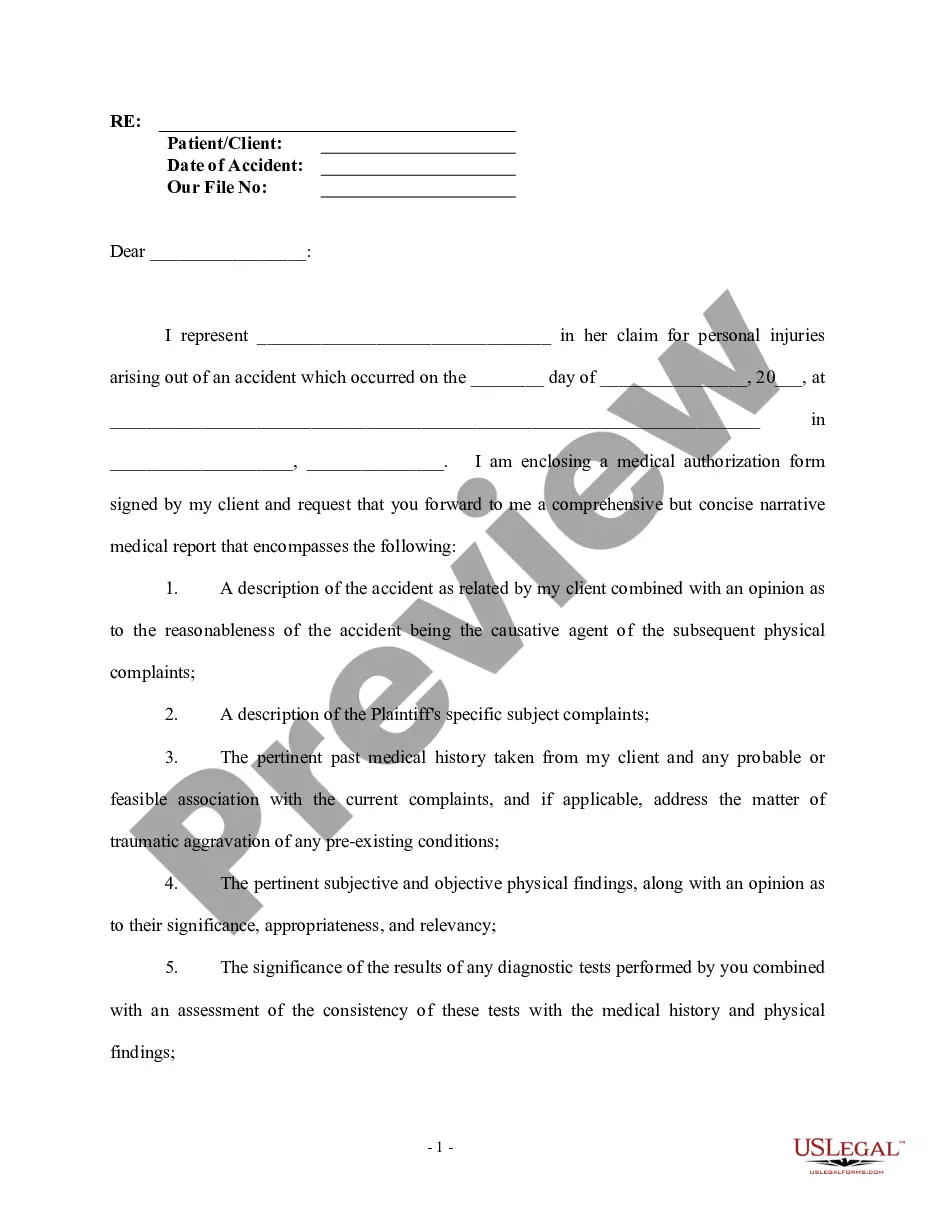
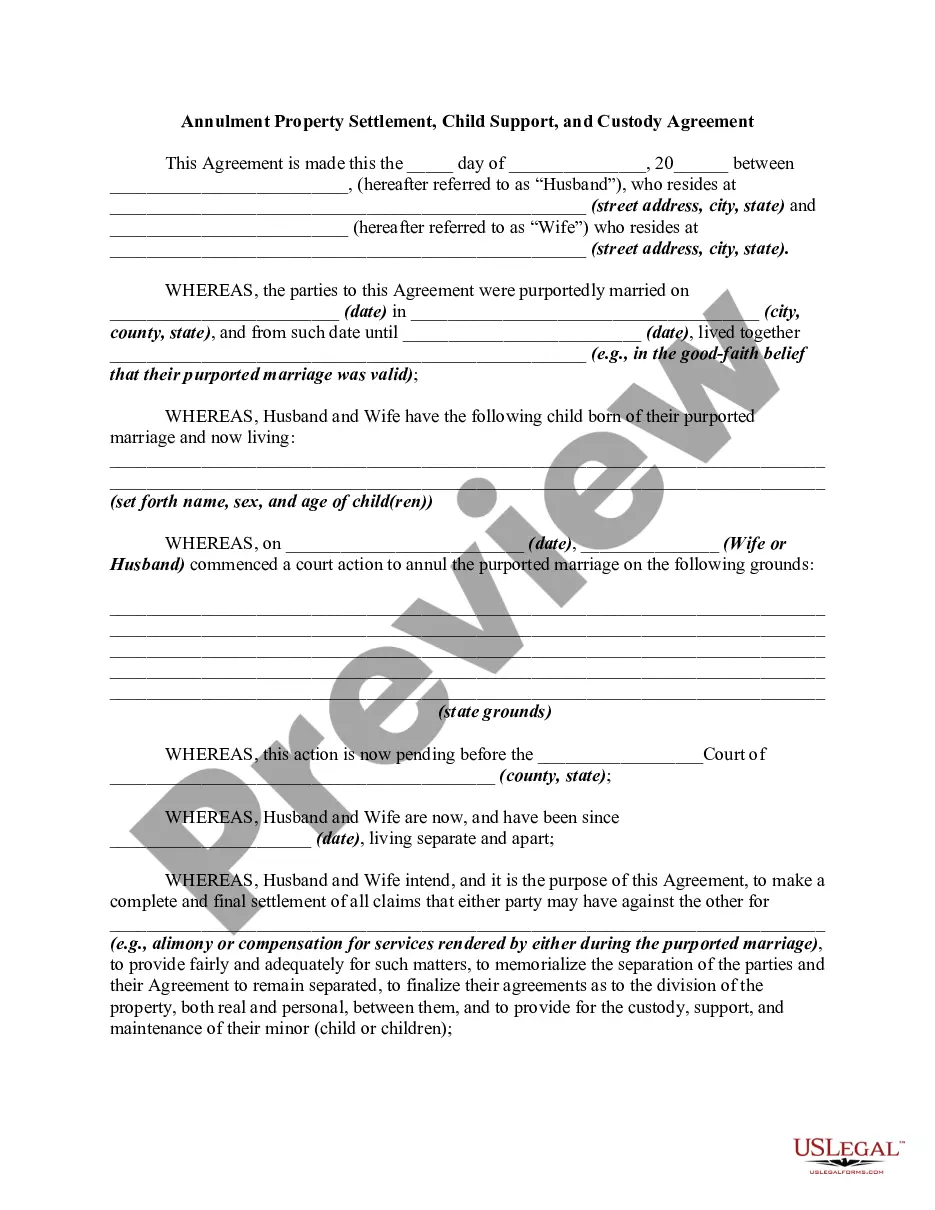
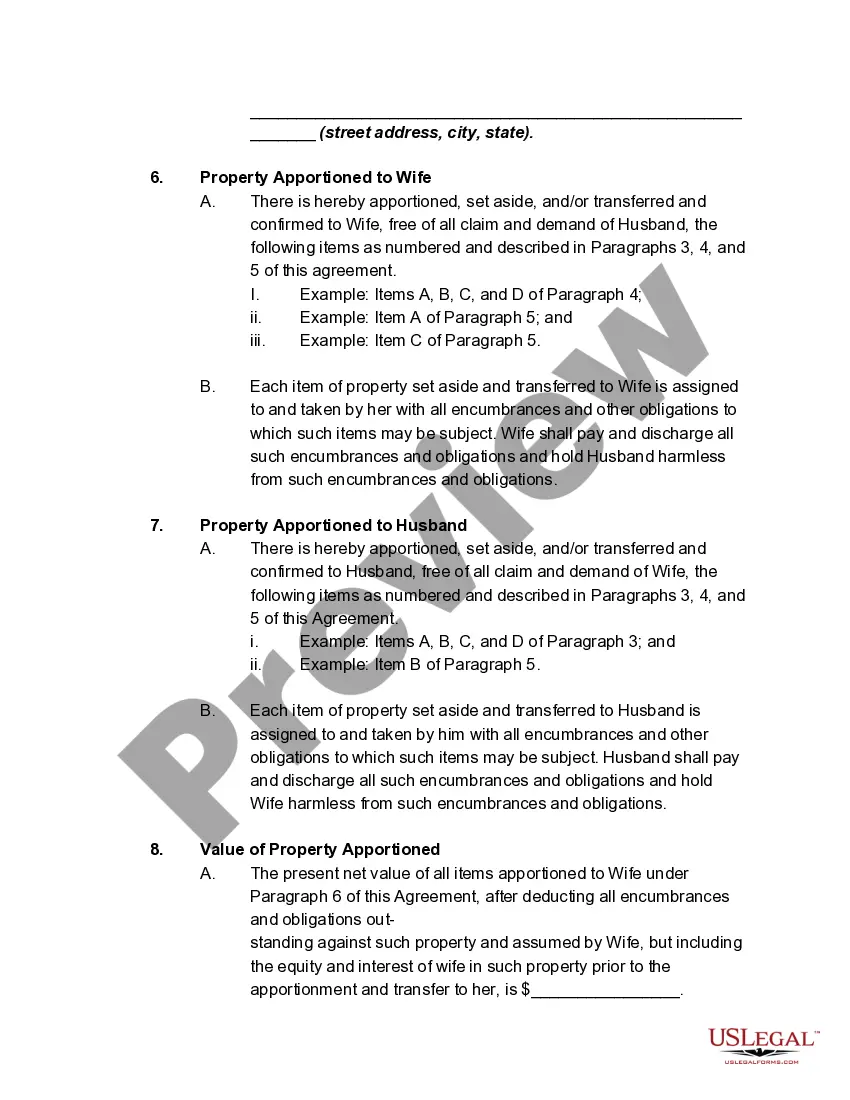
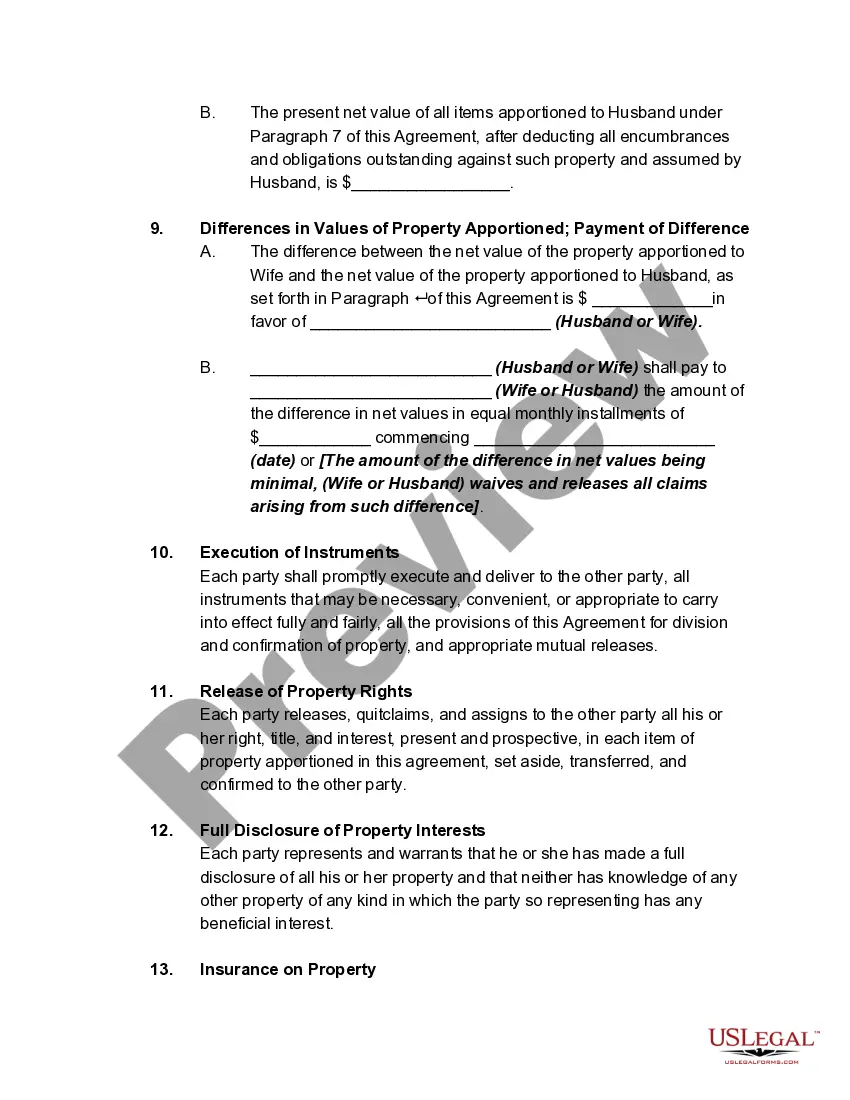
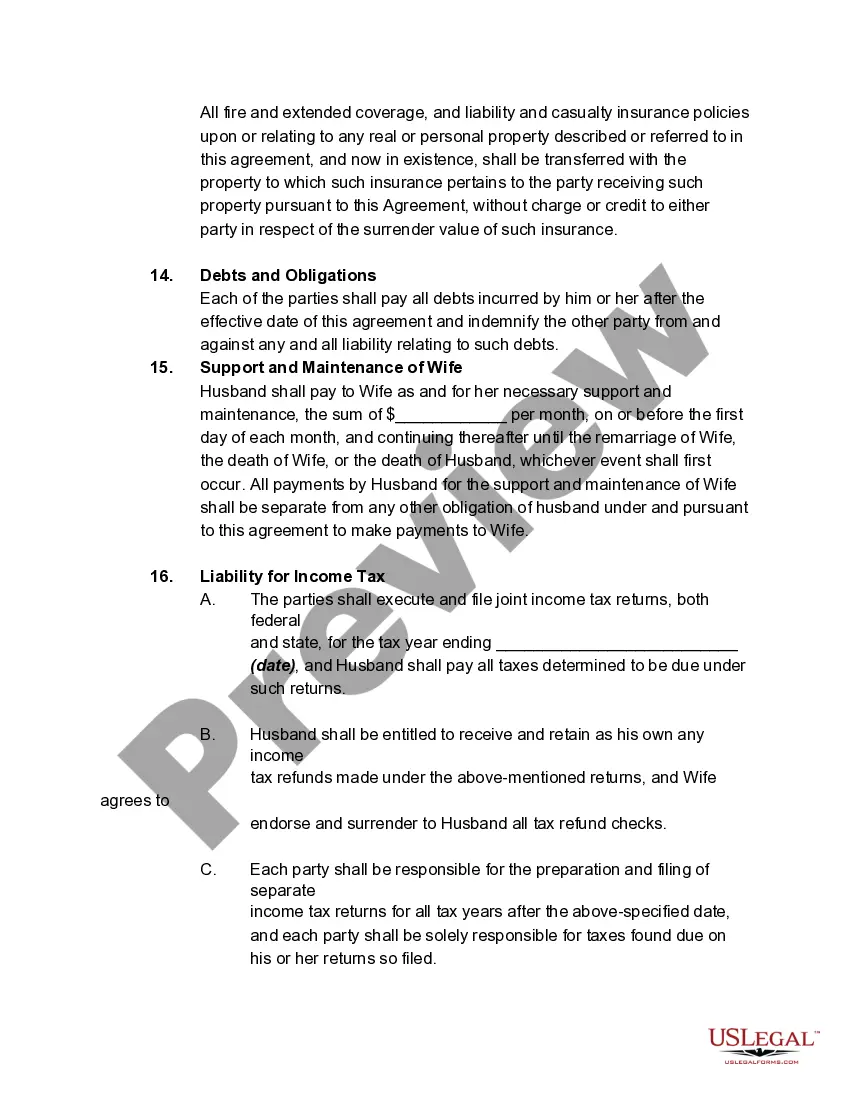
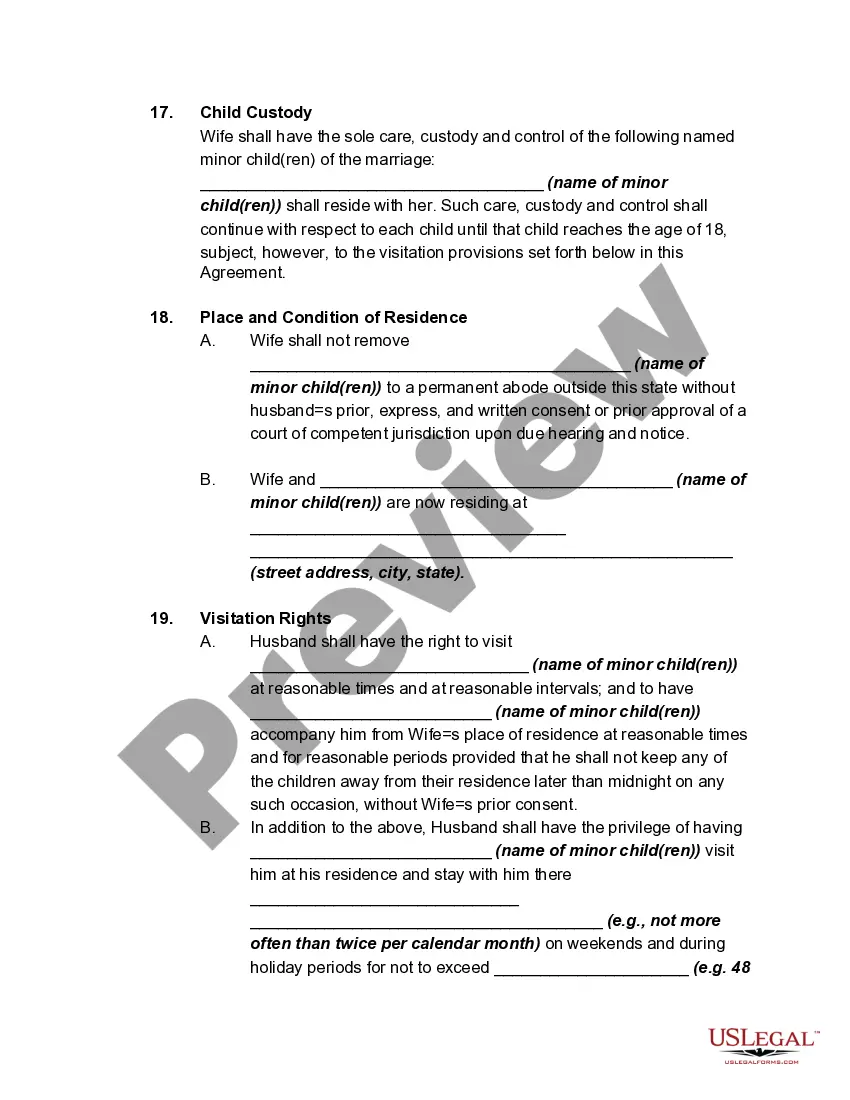
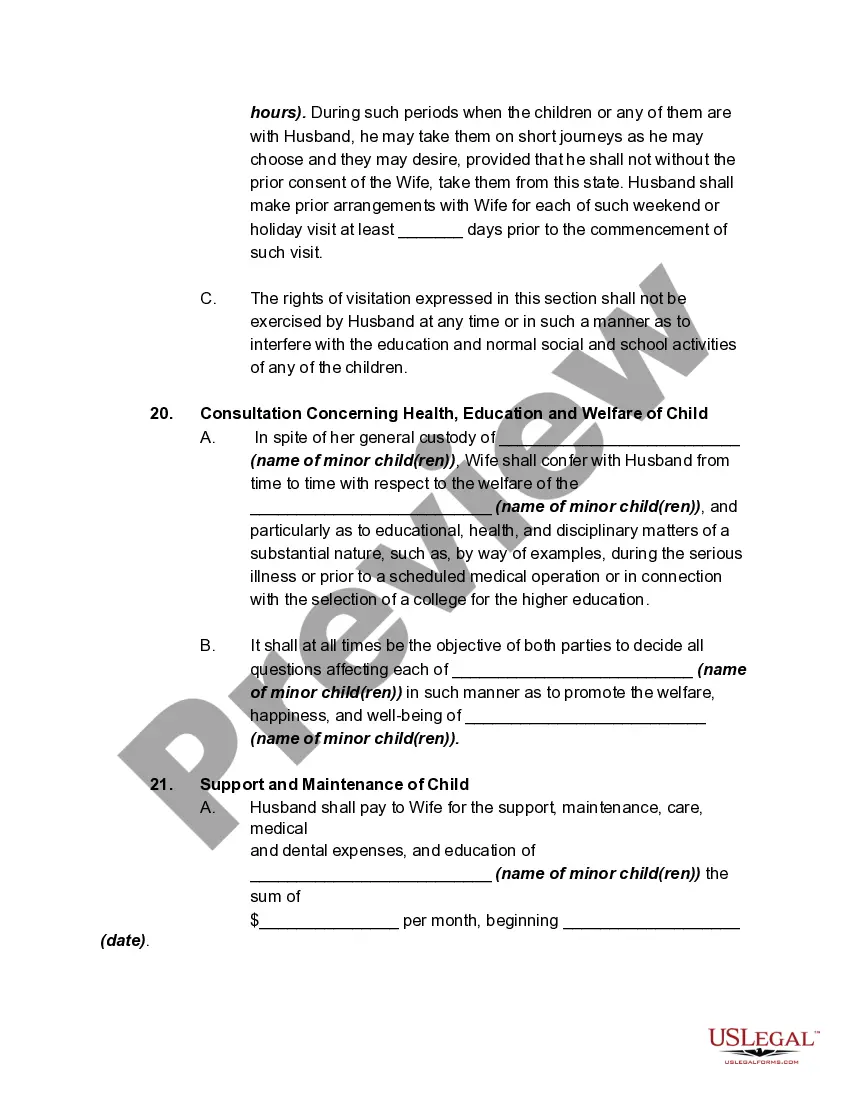
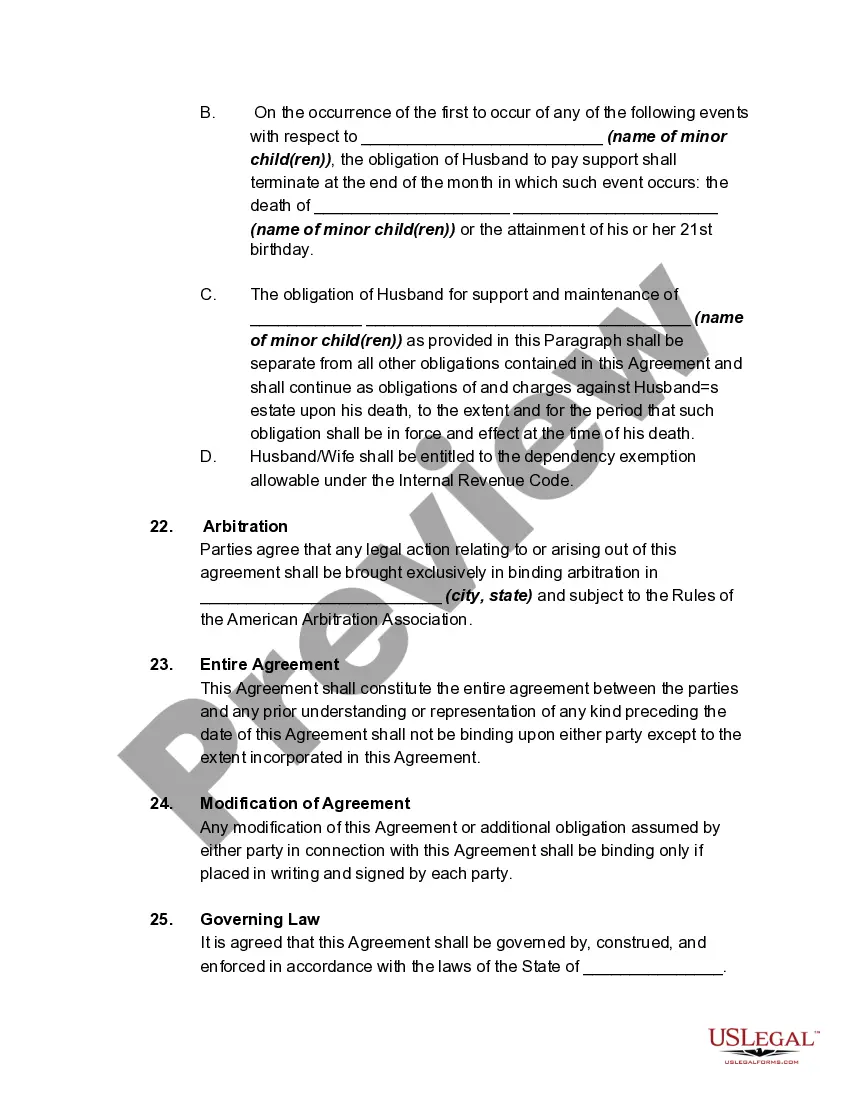
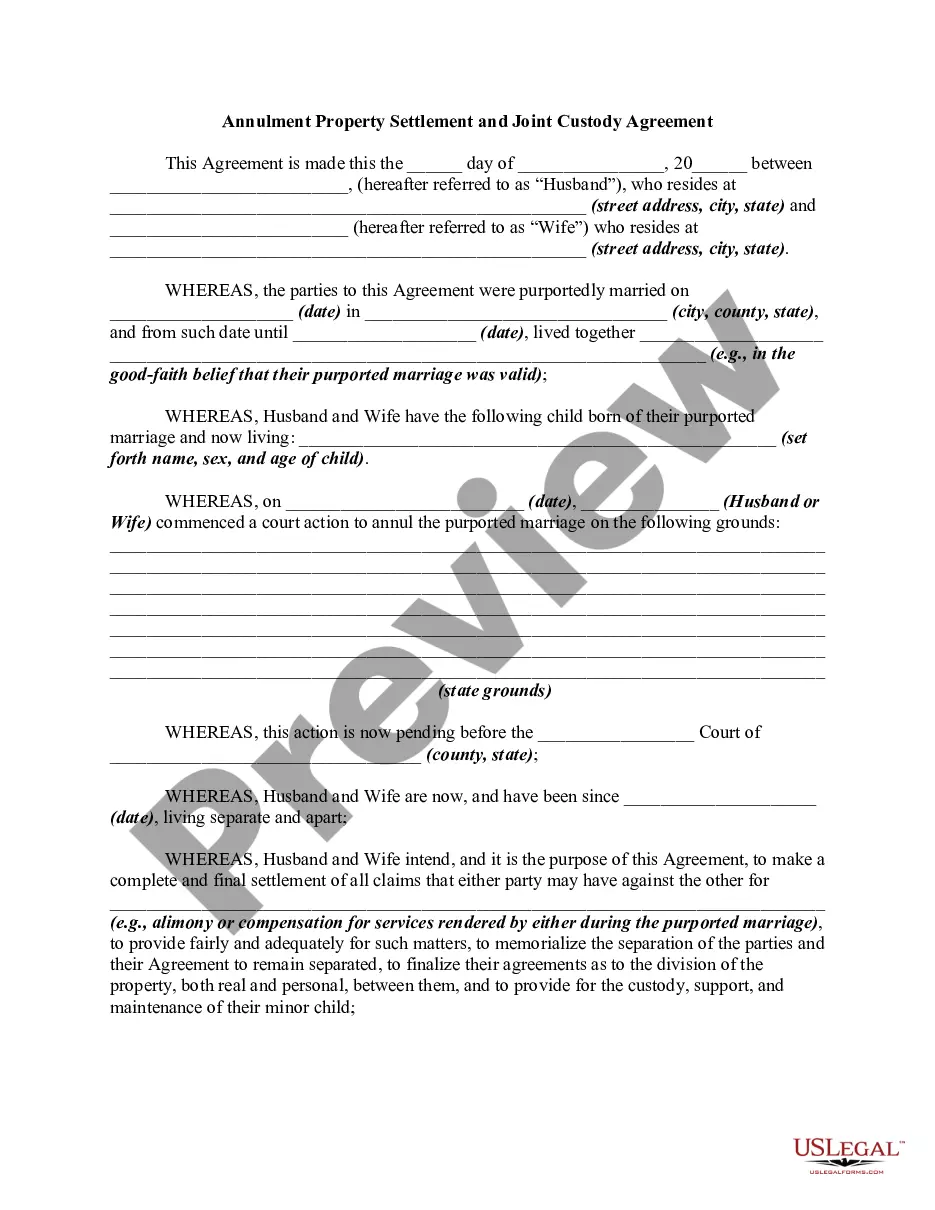
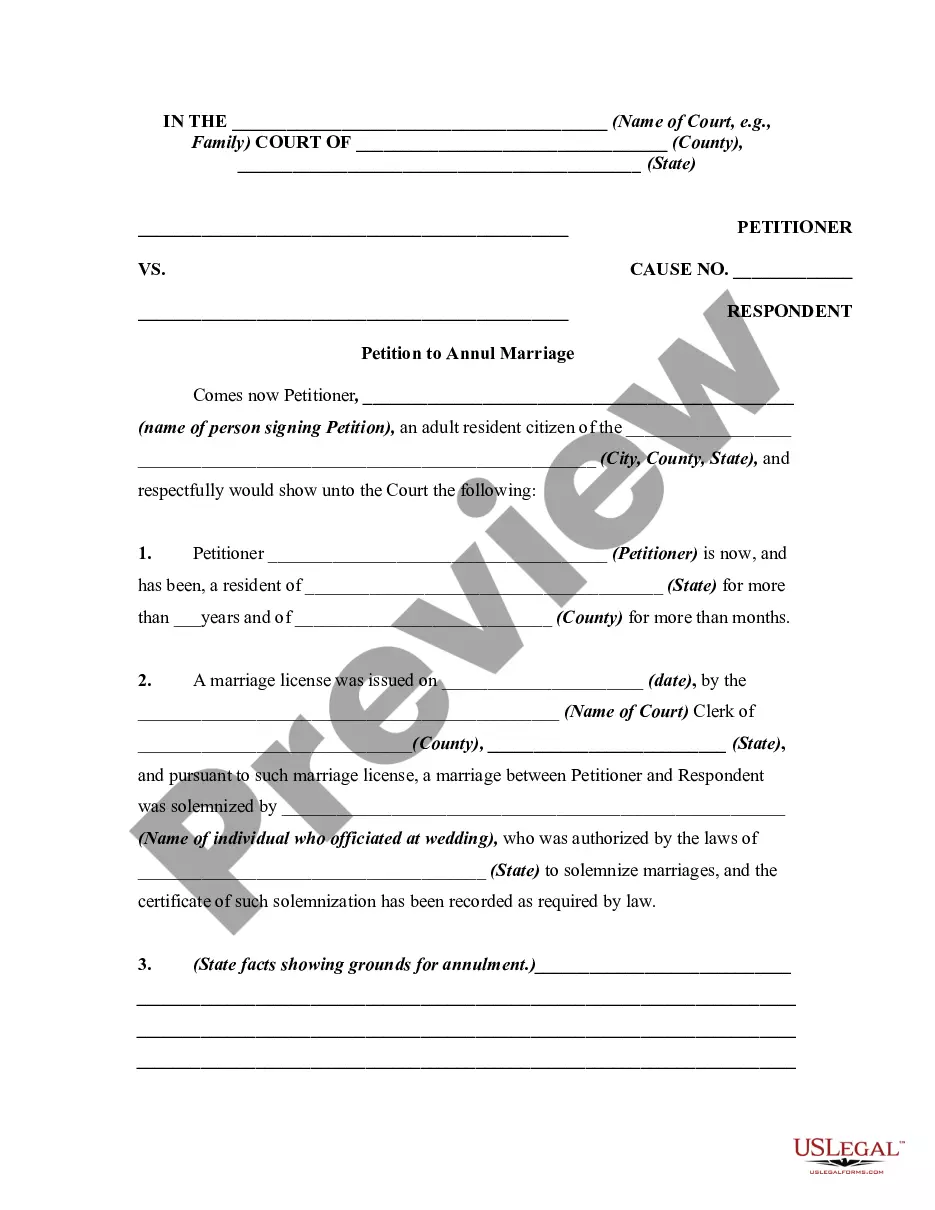
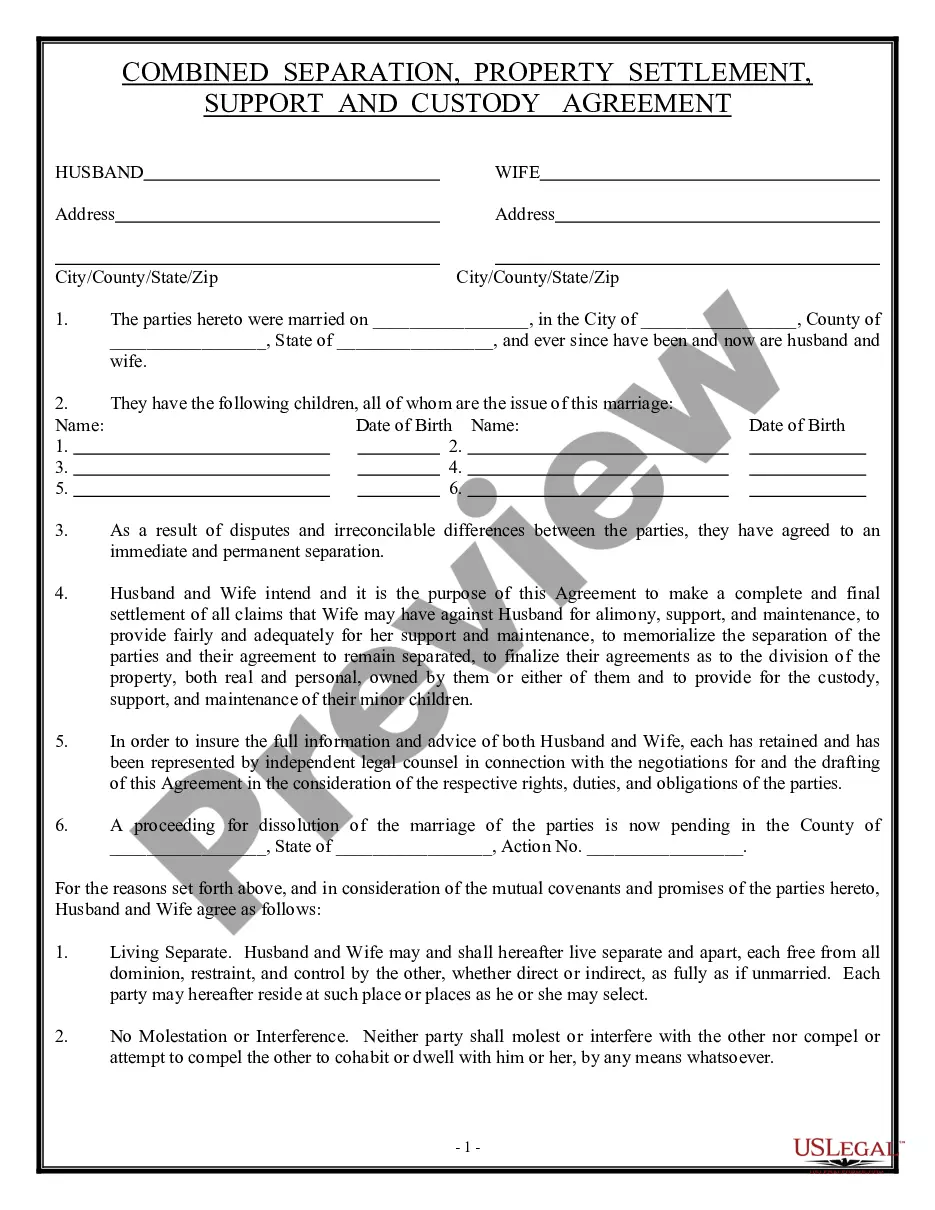
How to fill out Annulment Property Settlement, Child Support, And Custody Agreement?
Regardless of whether it's for corporate reasons or personal affairs, everyone must handle legal issues at some point in their lifetime.
Completing legal documents necessitates meticulous attention, starting with selecting the right form example.
With an extensive catalog from US Legal Forms available, you won't waste time searching for the correct sample online. Use the library’s straightforward navigation to locate the right form for any situation.
- Obtain the sample you require by utilizing the search option or catalog browsing.
- Review the information of the form to confirm it aligns with your circumstances, state, and locality.
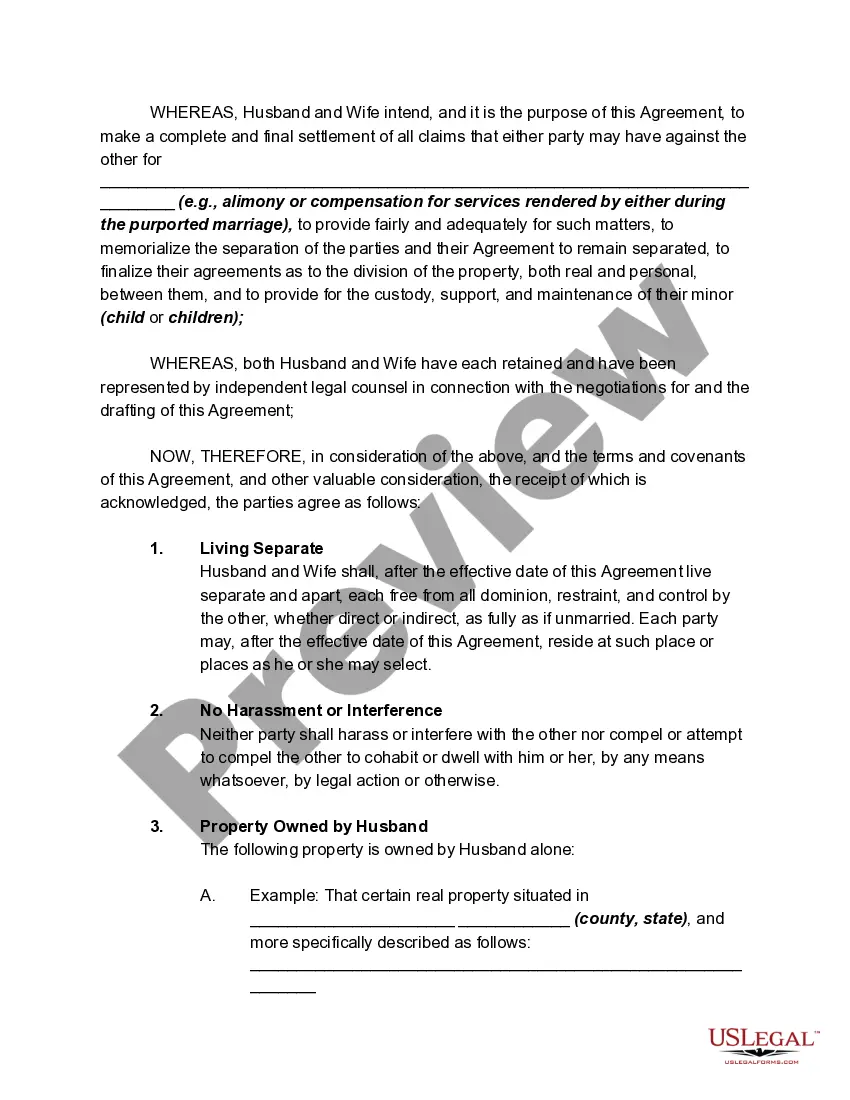
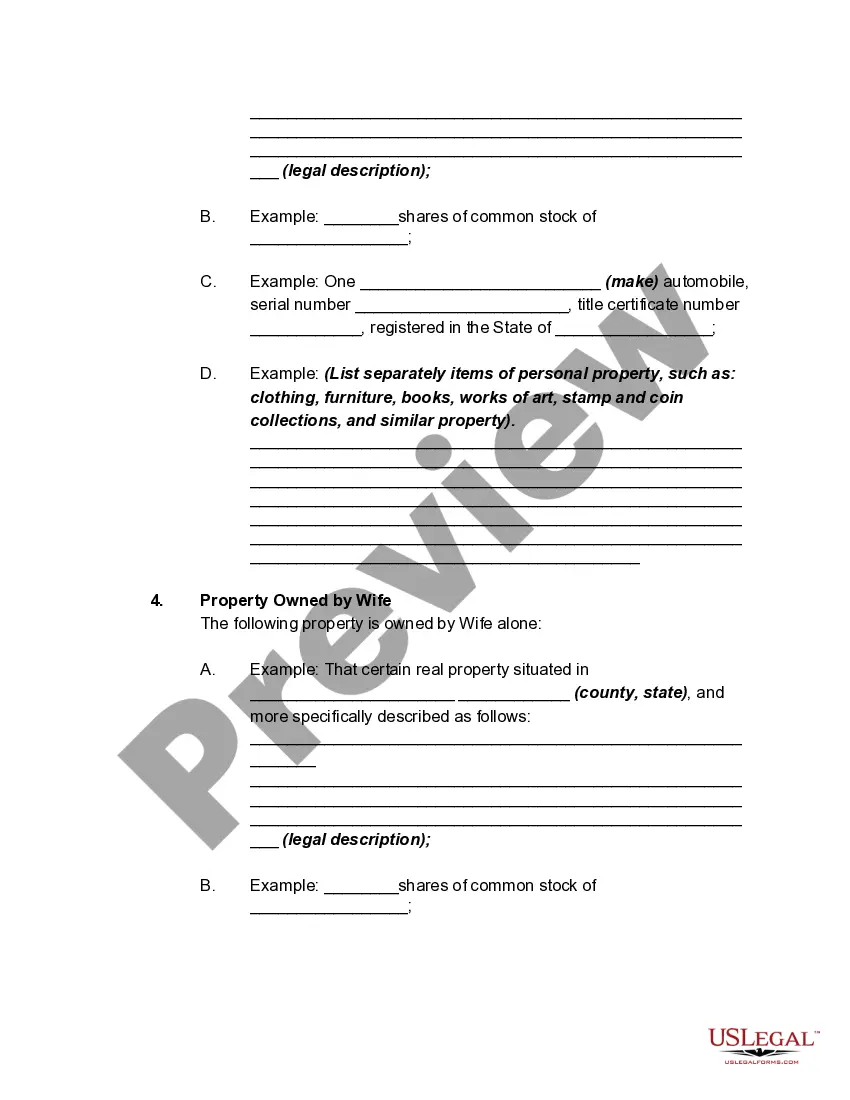
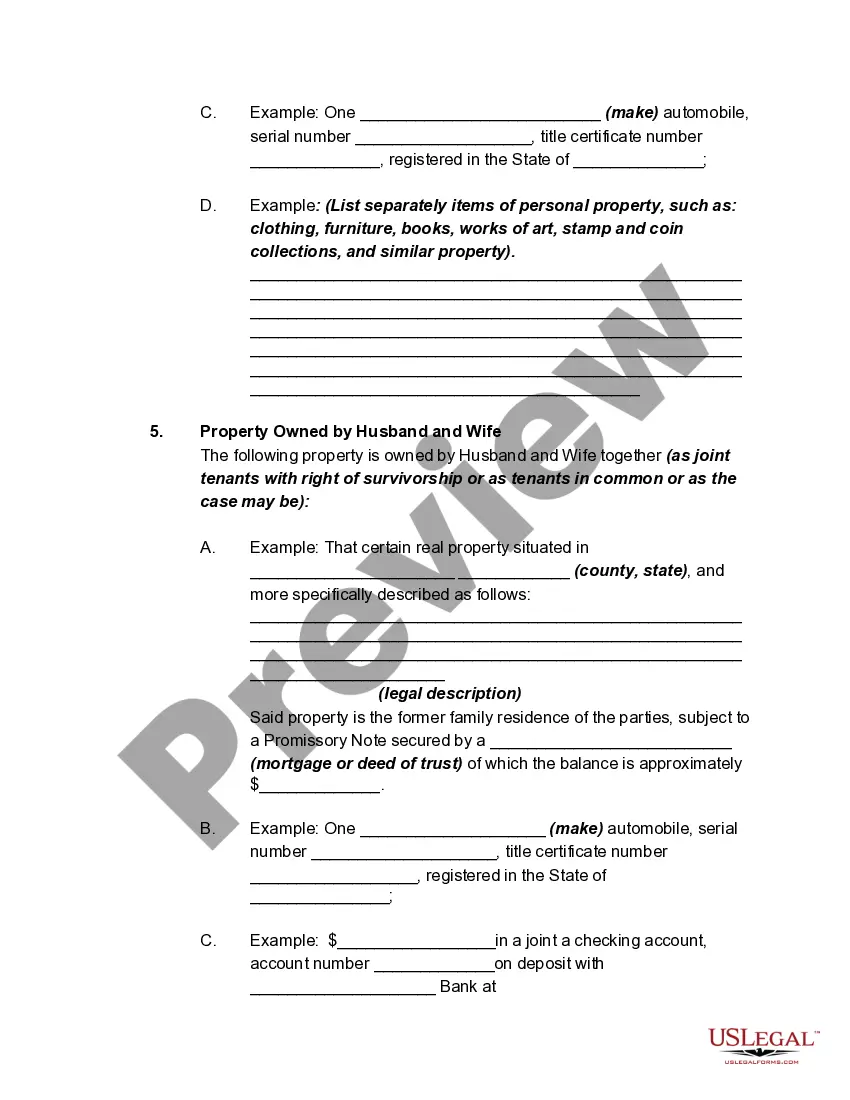
- Click on the form’s preview to examine it.
- If it is not the correct document, return to the search tool to find the Child Custody Agreement Without Court Ontario sample you want.
- Download the file once it matches your requirements.
- If you possess a US Legal Forms account, click Log in to access previously saved documents in My documents.
- In case you do not have an account yet, you can obtain the form by clicking Buy now.
- Choose the suitable pricing option.
- Complete the profile registration form.
- Select your payment method: you may utilize a credit card or a PayPal account.
- Choose the document format you desire and download the Child Custody Agreement Without Court Ontario.
- Once it is saved, you can fill out the form using editing software or print it out and complete it manually.
Form popularity
FAQ
To establish a custody agreement without court, first, discuss the terms with the other parent openly and collaboratively. Draft a written agreement that includes all necessary details, such as visitation schedules and responsibilities. Both parents should review and sign the document to solidify the arrangement. Using a child custody agreement without court Ontario is an effective way to ensure both parties agree while minimizing conflict.
Obtaining temporary custody without going to court is possible through mutual agreement between parents. You can create a written agreement detailing the custody arrangement, which both parties should sign. This method avoids court and fosters cooperation, making it easier for parents to manage responsibilities. A solid child custody agreement without court Ontario can provide a clear structure during this period.
A notarized child custody agreement can be enforceable, but it’s important to ensure it meets legal standards. Courts often recognize agreements that are mutually accepted and properly documented, so taking this step can strengthen your case. However, if there are significant changes in circumstances, a court review might still be necessary. Utilizing a child custody agreement without court Ontario can provide clarity while helping avoid potential disputes.
During a custody hearing, it’s crucial to stay composed and focused on your child's best interests. Avoid making negative comments about your child's other parent, as this could reflect poorly on you. Stick to discussing relevant facts and always aim to present a calm demeanor. Remember, a well-thought-out child custody agreement without court Ontario emphasizes cooperation over conflict.
In Ontario, judges primarily focus on the best interests of the child when making custody decisions. They evaluate the child's emotional and physical needs, the nature of the existing relationship with each parent, and the ability of each parent to provide a stable environment. Additionally, judges consider any history of family violence or substance abuse that might affect the child's wellbeing. If you wish to create a child custody agreement without court Ontario, understanding these factors can help you draft a suitable arrangement that aligns with what judges typically seek.
Yes, keeping a child away from the other parent can backfire, especially without a court order to justify your actions. The other parent could pursue legal remedies if they believe their rights are being violated. A child custody agreement without court in Ontario can prevent such scenarios by clearly outlining each parent's rights and responsibilities.
To lose 50/50 custody, a parent must typically demonstrate an inability to provide a safe environment or consistently prioritize the child's welfare. This can include neglect, substance abuse, or other behaviors that compromise the child's well-being. Establishing a child custody agreement without court in Ontario helps create a structured approach to custody that focuses on the child's needs.
Yes, one parent can withhold a child from the other if there is a valid reason, such as safety concerns. However, withholding a child without justification can lead to legal consequences. A child custody agreement without court in Ontario can outline specific terms to prevent misunderstandings and protect both parents' rights.
Deciding to keep a child away from a father may become necessary if there is a potential risk to the child's safety, such as abuse or neglect. Always document any concerning behavior, and consider seeking legal advice. A child custody agreement without court in Ontario can provide guidelines to ensure the child's best interests remain the priority during these sensitive situations.
Co-parent harassment involves actions that intentionally disrupt or undermine the other parent's relationship with the child. This can include excessive communication, threats, or negative behavior toward the other parent. Establishing a child custody agreement without court in Ontario can offer a framework for respectful interaction and minimize conflict.