Plan With
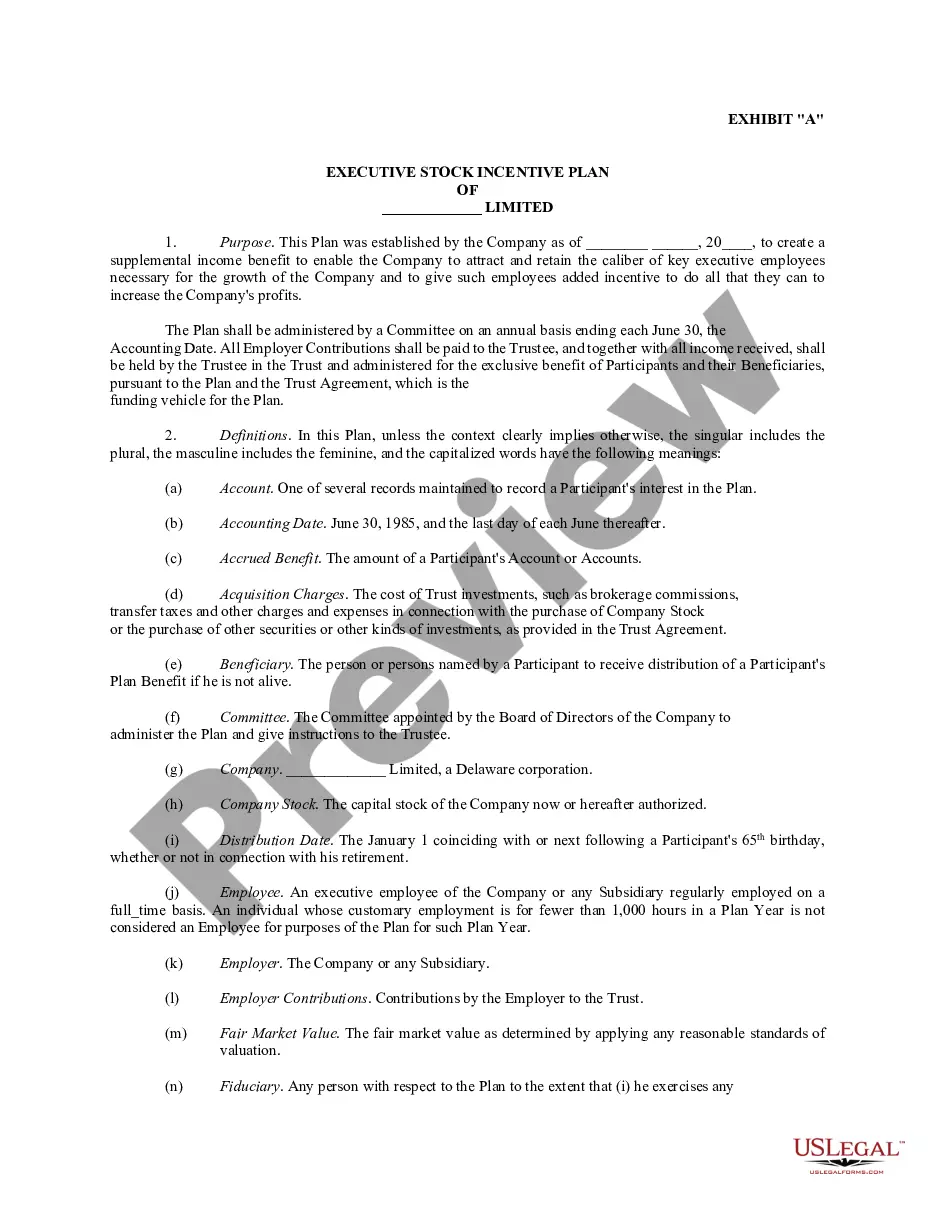
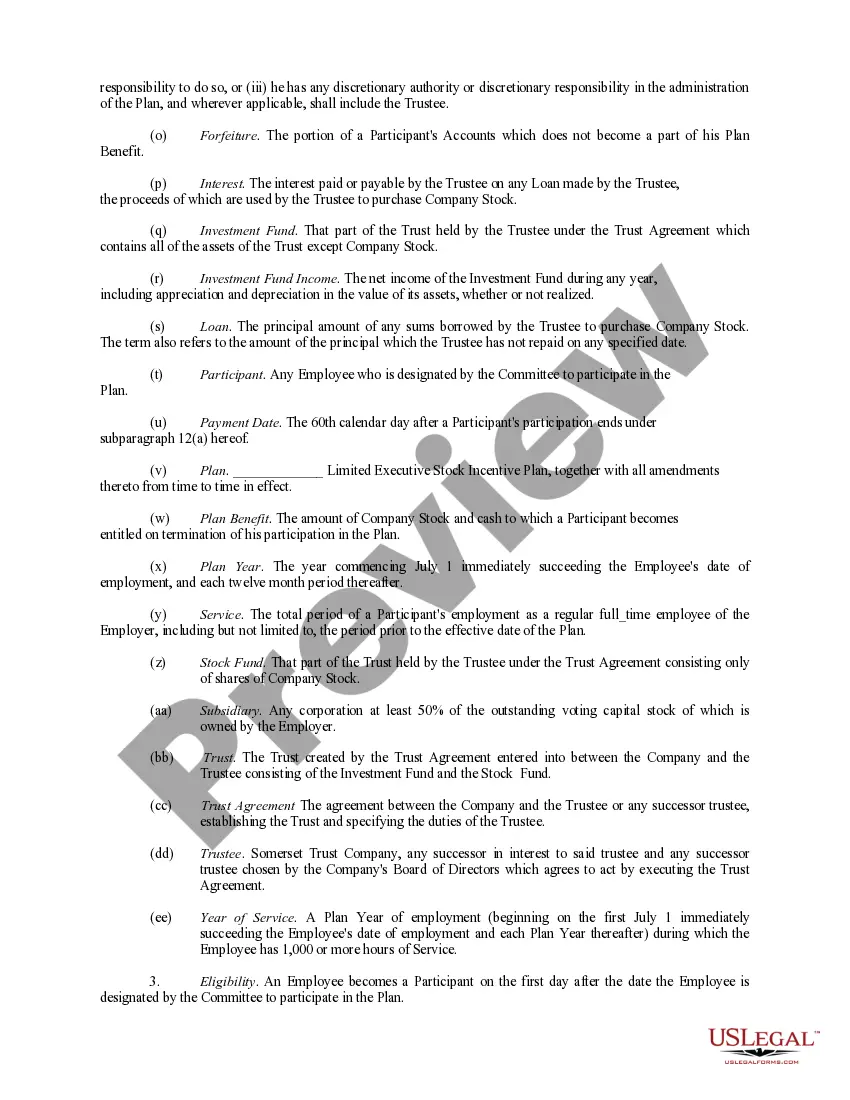
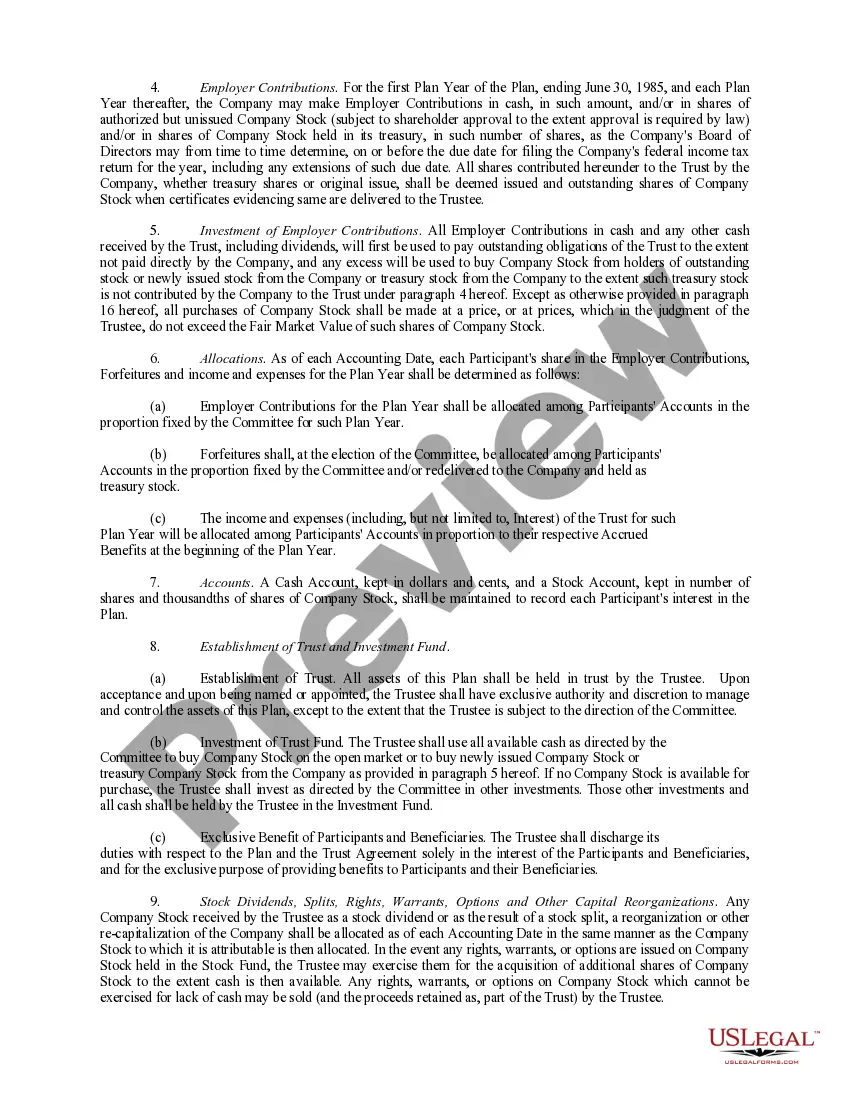
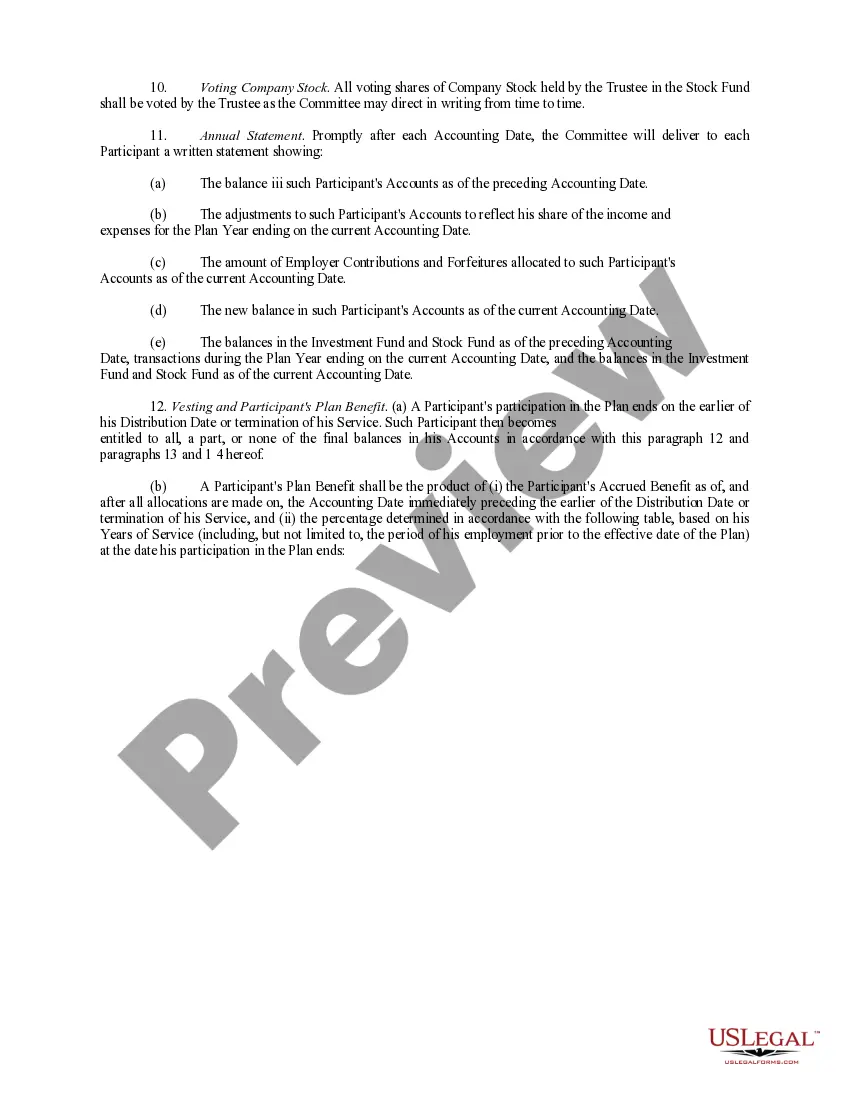
Description
Get your form ready online
Our built-in tools help you complete, sign, share, and store your documents in one place.
Make edits, fill in missing information, and update formatting in US Legal Forms—just like you would in MS Word.
Download a copy, print it, send it by email, or mail it via USPS—whatever works best for your next step.
Sign and collect signatures with our SignNow integration. Send to multiple recipients, set reminders, and more. Go Premium to unlock E-Sign.
If this form requires notarization, complete it online through a secure video call—no need to meet a notary in person or wait for an appointment.
We protect your documents and personal data by following strict security and privacy standards.

Make edits, fill in missing information, and update formatting in US Legal Forms—just like you would in MS Word.

Download a copy, print it, send it by email, or mail it via USPS—whatever works best for your next step.

Sign and collect signatures with our SignNow integration. Send to multiple recipients, set reminders, and more. Go Premium to unlock E-Sign.

If this form requires notarization, complete it online through a secure video call—no need to meet a notary in person or wait for an appointment.

We protect your documents and personal data by following strict security and privacy standards.
Looking for another form?
How to fill out Executive Employee Stock Incentive Plan?
- If you have previously used US Legal Forms, log into your account to access previously downloaded forms. Be sure your subscription remains active; if not, renew it as per your plan.
- For first-time users, begin by browsing the library. Check the Preview mode and form descriptions to ensure the template aligns with your needs and local requirements.
- Should you need a different document, utilize the Search feature at the top to find the appropriate form that meets your criteria.
- Once you've found the correct template, click on the Buy Now button and select a subscription plan. Creating an account will grant you access to the entire library.
- Next, proceed to checkout by providing your payment information, either via credit card or PayPal.
- Lastly, download the form onto your device and access it anytime through the My Forms section of your profile.
In conclusion, planning with US Legal Forms ensures you have access to a robust library of legal documents, facilitating quick and precise form completion. Whether you're familiar with legal paperwork or tackling it for the first time, their user-friendly approach makes the process seamless.
Start your journey today with US Legal Forms and empower your legal planning!
Form popularity
FAQ
Writing out a plan involves clearly stating your objectives and outlining the steps needed to achieve them. Begin with a brainstorming session to gather ideas, and then organize your thoughts into a structured format. Use tools or templates provided by uslegalforms to help you draft a cohesive and professional plan that remains easy to follow.
To plan step by step, start by identifying your overall goal, then break it down into smaller tasks. Assign deadlines and responsibilities for each task to keep you on track. By using a systematic approach, you can efficiently plan with detailed action items and timelines, ensuring nothing gets overlooked.
A comprehensive work plan generally includes a project description, goals and objectives, tasks and responsibilities, timeline, resources required, budget, and evaluation methods. As you plan with these elements, consider using tools like those from uslegalforms that can help formalize your work plan. This structured format makes tracking and accountability easier.
The seven steps in the planning process involve identifying your vision, assessing your current situation, setting goals and objectives, developing strategies, creating an action plan, implementing the plan, and reviewing the results. By following this structured approach, you can plan with confidence and clarity. Be open to adjustment based on feedback and outcomes.
The five steps of planning typically include defining your objectives, gathering relevant information, creating a strategy, implementing the plan, and evaluating the results. Successfully plan with these steps to ensure you have a clear path forward. Remember to involve your team in the process for diverse perspectives.
To create a step by step plan, begin by defining your main goal clearly. Then, break this goal down into smaller, manageable tasks that lead you to your desired outcome. As you develop your plan with specific milestones and deadlines, ensure you regularly review your progress and adjust as needed.
To create a file plan, start by assessing your document types and their retention requirements. Next, establish clear categories and decide on a filing system that suits your needs, whether digital or physical. With tools like uslegalforms, you can easily plan with templates and resources that simplify the process of developing an effective file plan.
Plan filing refers to the systematic approach to organizing and storing documents according to a predefined structure. This method enables quick access to information, reducing time spent searching for files. When you plan with a solid filing system, you enhance productivity and maintain better control over your documents.
The purpose of a file plan is to create an organized system for managing documents throughout their lifecycle. A file plan not only supports effective retrieval but also ensures compliance with legal and regulatory requirements. When you plan with a clear purpose, it leads to improved efficiency and reduces the risk of lost or misfiled documents.
In SharePoint, a file plan report organizes documents according to the established milestones and retention policies within the platform. This report helps maintain compliance and ensures that all files are structured correctly according to your organization’s needs. When you plan with SharePoint, you can streamline collaboration and enhance document management.