Employee Stock Option
Description
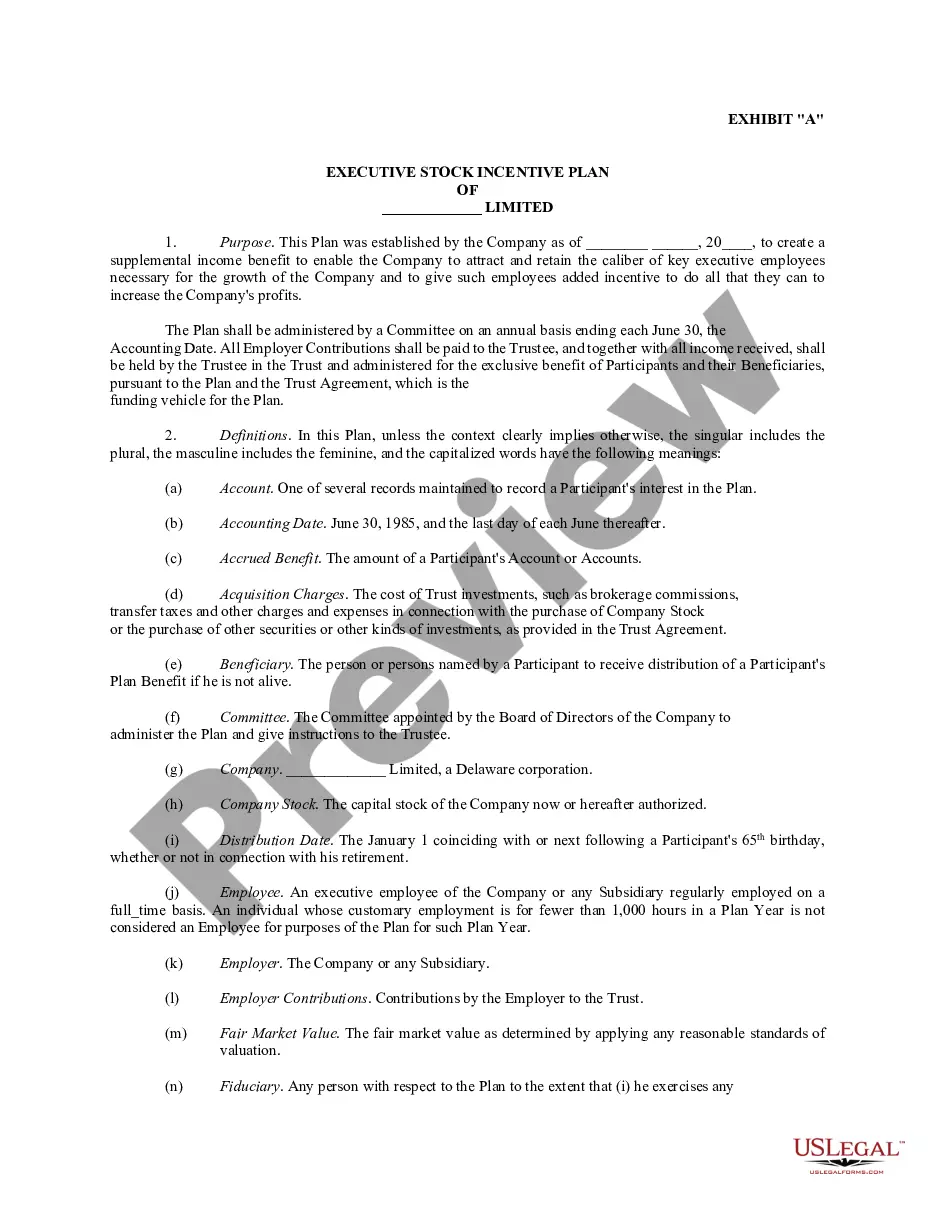
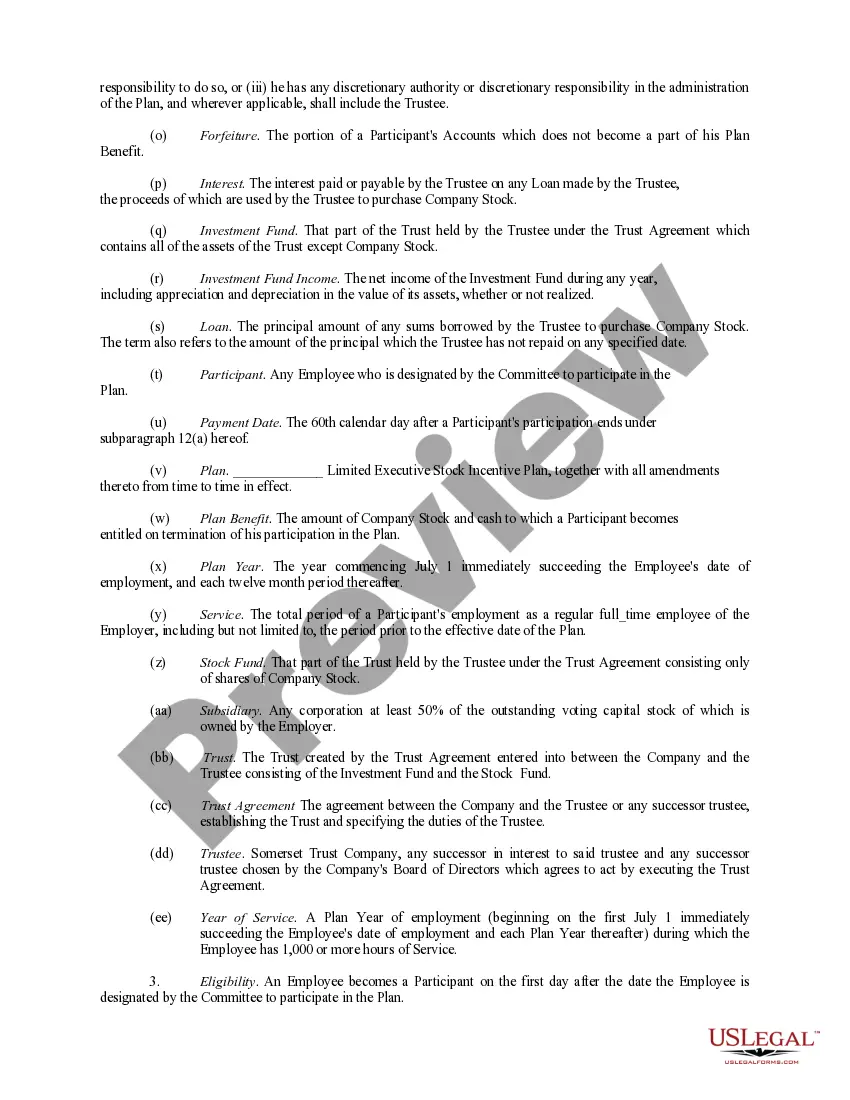
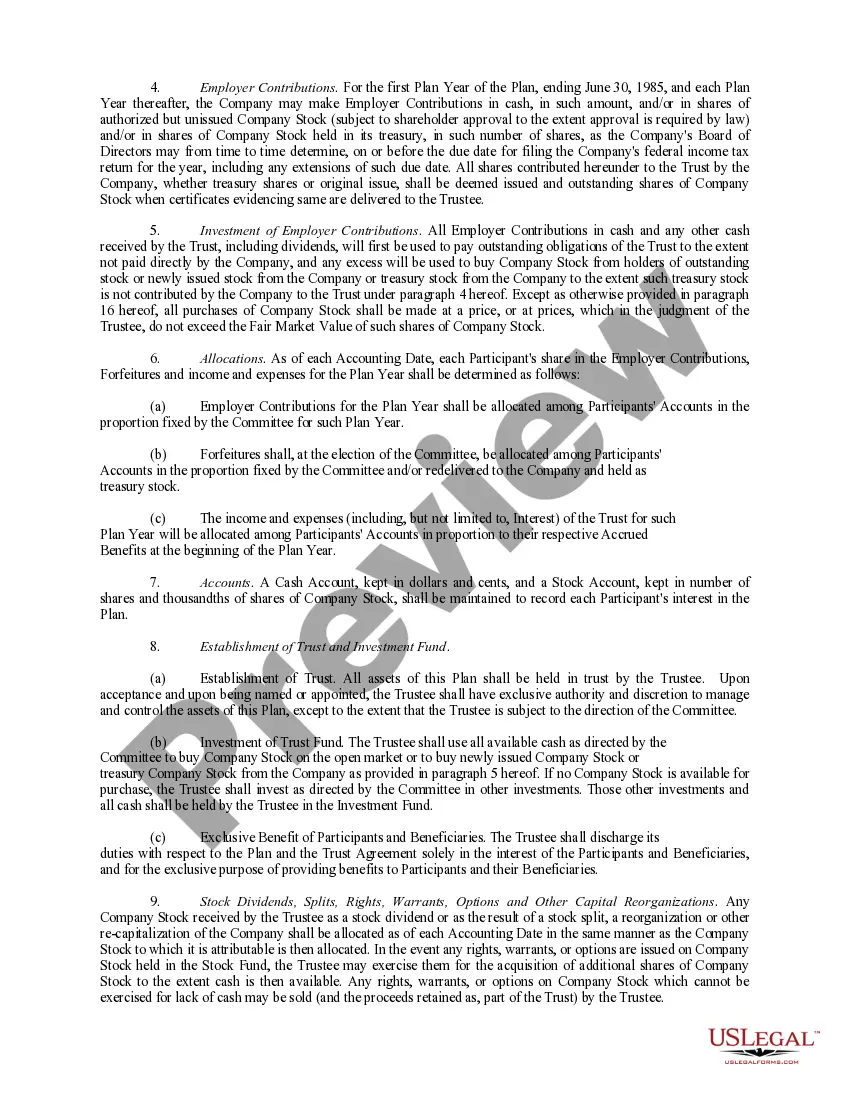

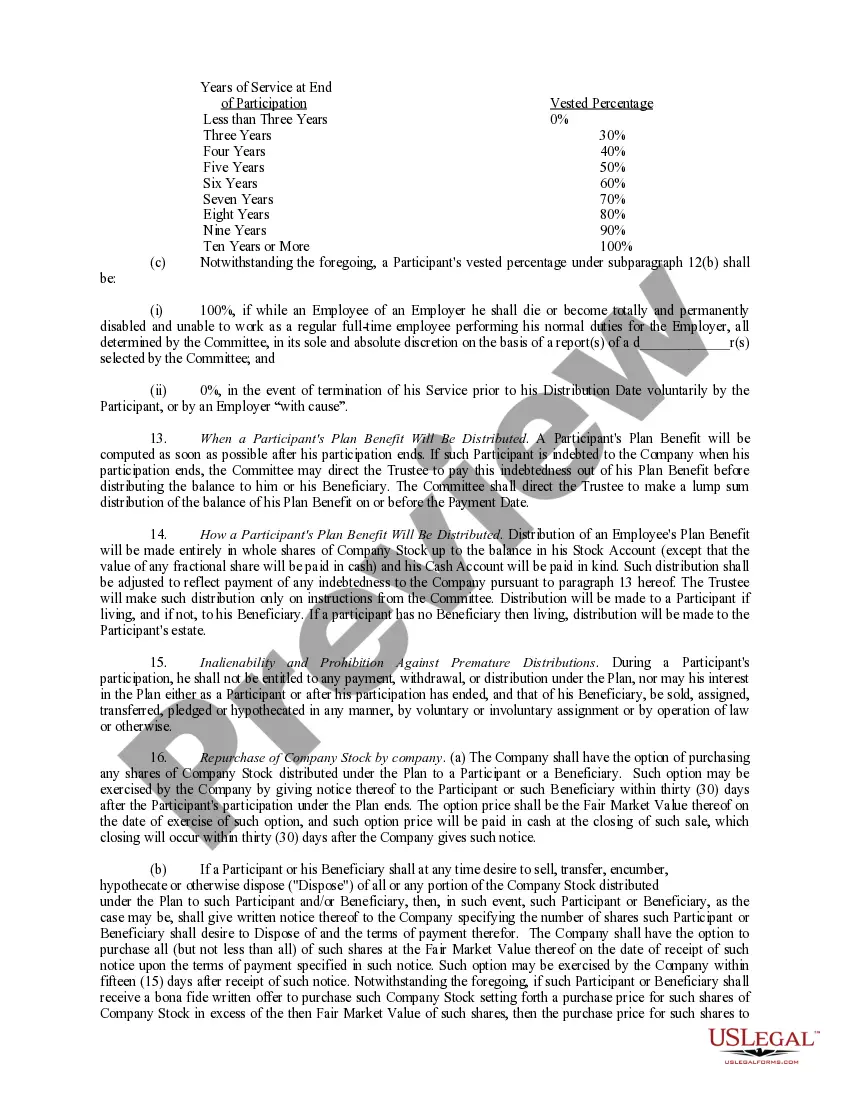
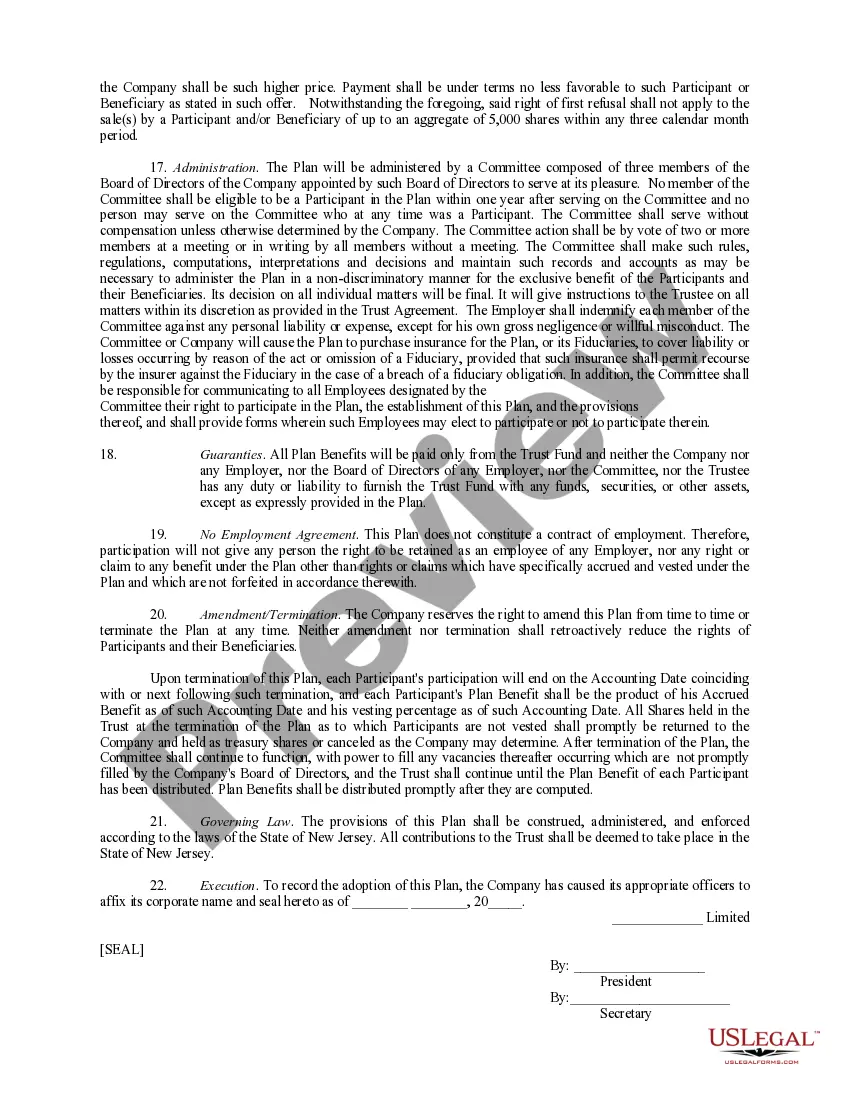
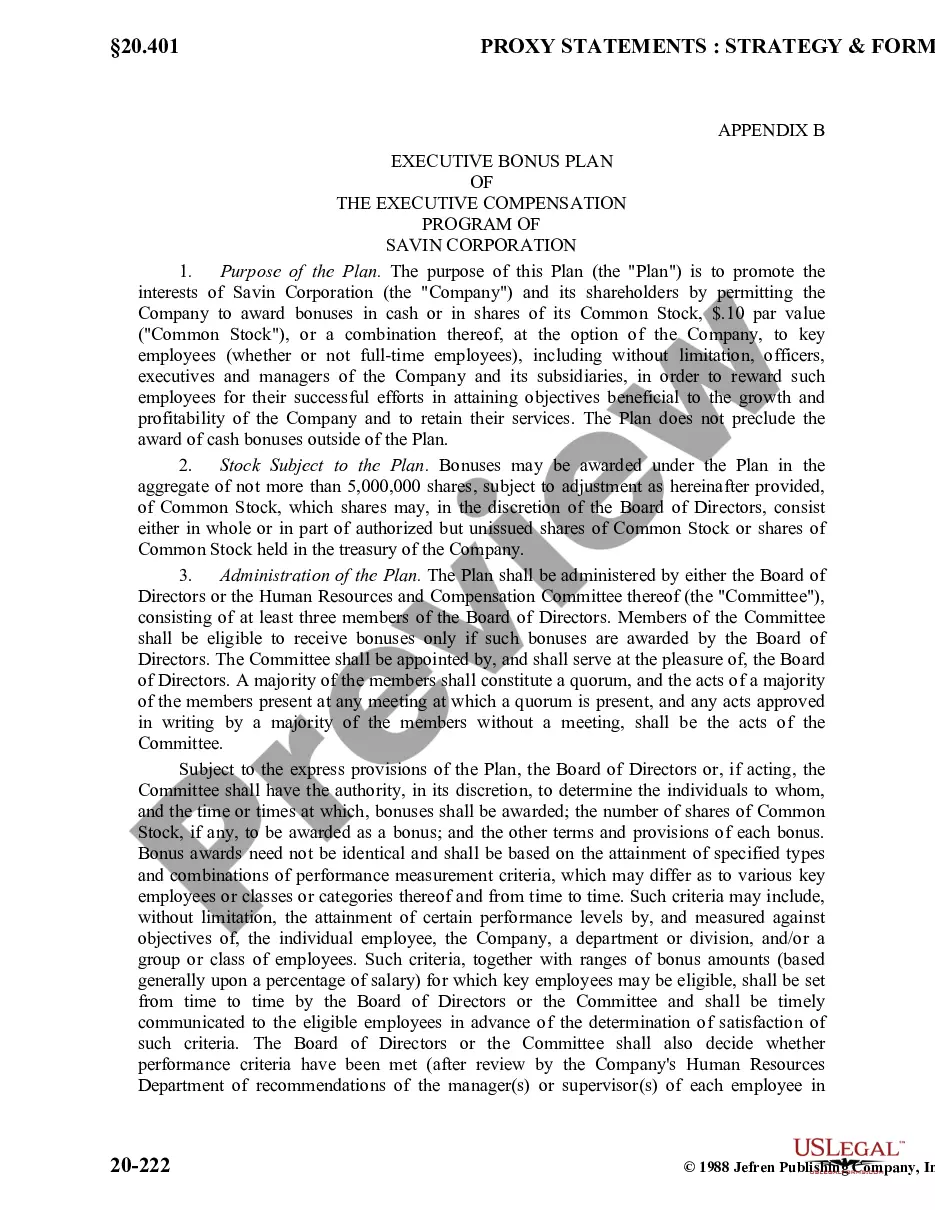
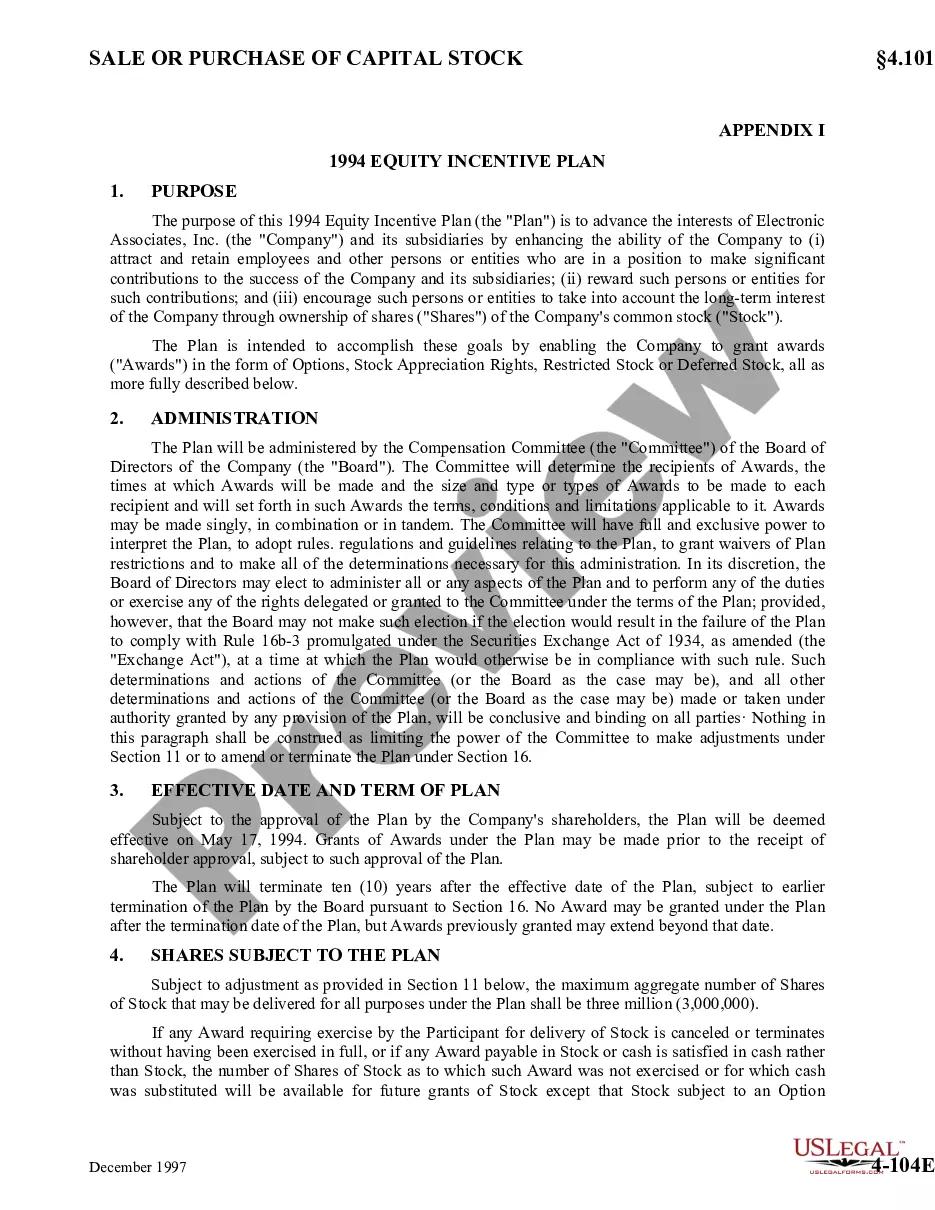

Get your form ready online
Our built-in tools help you complete, sign, share, and store your documents in one place.
Make edits, fill in missing information, and update formatting in US Legal Forms—just like you would in MS Word.
Download a copy, print it, send it by email, or mail it via USPS—whatever works best for your next step.
Sign and collect signatures with our SignNow integration. Send to multiple recipients, set reminders, and more. Go Premium to unlock E-Sign.
If this form requires notarization, complete it online through a secure video call—no need to meet a notary in person or wait for an appointment.
We protect your documents and personal data by following strict security and privacy standards.

Make edits, fill in missing information, and update formatting in US Legal Forms—just like you would in MS Word.

Download a copy, print it, send it by email, or mail it via USPS—whatever works best for your next step.

Sign and collect signatures with our SignNow integration. Send to multiple recipients, set reminders, and more. Go Premium to unlock E-Sign.

If this form requires notarization, complete it online through a secure video call—no need to meet a notary in person or wait for an appointment.

We protect your documents and personal data by following strict security and privacy standards.
Looking for another form?








How to fill out Executive Employee Stock Incentive Plan?
- Log in to your US Legal Forms account if you're a returning user. Ensure your subscription is active before proceeding.
- Preview the form details thoroughly to ensure you select the correct employee stock option document that aligns with your local jurisdiction.
- If necessary, utilize the Search tab to find alternate templates that better suit your needs.
- Click on the Buy Now button, choose your subscription plan, and create an account to gain full access to the extensive library.
- Complete your purchase by entering your payment information, whether it be a credit card or PayPal.
- Download your selected form to your device, and access it anytime via the My Forms section of your profile.
By following these streamlined steps, you can efficiently secure the necessary documents related to employee stock options.
Experience the benefits of US Legal Forms today, where quick access to a robust library of over 85,000 legal forms paired with expert assistance can simplify your legal documentation needs.
Form popularity
FAQ
Determining if Employee Stock Options (ESOPs) are good or bad depends on various factors such as your financial situation and the company's prospects. They can be an attractive addition to your compensation package, offering opportunities for substantial financial gains if the business thrives. However, the risks associated with relying heavily on a single stock should not be overlooked. It's vital to assess both the benefits and potential downsides concerning your unique circumstances.
Employee Stock Options (ESOPs) can provide a valuable opportunity to share in your company's success, especially if you believe in its long-term growth potential. If the company performs well, you could benefit financially as the stock value increases. However, it's essential to evaluate the associated risks and ensure it aligns with your overall financial strategy. Working with a financial advisor can help you navigate these decisions effectively.
One downside of an Employee Stock Option (ESOP) is that it often ties your financial future to the performance of one company. If the company faces challenges or the stock market declines, your investment value may decrease significantly. Additionally, the lack of liquidity can make accessing funds challenging, as you cannot easily sell the shares until they are fully vested. Keeping these factors in mind is crucial when considering options for your financial portfolio.
An Employee Stock Option (ESOP) and a 401k serve different purposes but can complement each other well. An ESOP allows you to own shares in your company, potentially providing significant financial benefits if the company performs well. In contrast, a 401k focuses on retirement savings through investments managed by a third party. Ultimately, the choice between an ESOP and a 401k depends on individual financial goals and preferences.
When reporting incentive stock options on your taxes, you should include the income generated from the exercise of those options. If you sell the stock afterward, you will report any gains or losses based on how long you held the shares. Precise reporting can be complex, so it's wise to utilize the resources available through US Legal Forms.
To report an Employee Stock Ownership Plan (ESOP) on your tax return, you should include any distributions received and ensure to report the correct amounts on your Form 1040. Depending on your situation, different tax rules may apply to dividends or distributions from the ESOP. Understanding these nuances is essential for accurate reporting. Leverage US Legal Forms for clarity and compliance.
To report incentive stock options, you typically must file the appropriate forms in relation to your tax return. The gains can be classified as ordinary income if you don't meet specific holding periods. However, if you meet the holding requirements, you may be eligible for capital gains treatment. Consider US Legal Forms as your go-to resource for ensuring you report correctly.
Stock options need to be reported according to the type you hold—whether incentive stock options or nonstatutory stock options. Nonstatutory stock options are reported as ordinary income when exercised, while incentive stock options may be subject to different rules based on holding periods. Proper documentation and understanding the tax implications are crucial for compliance. Check out US Legal Forms for straightforward filing assistance.
To file an Employee Stock Ownership Plan (ESOP), you must adopt a formal plan document and determine the terms of the plan. You then need to file Form 5500 with the IRS annually to report the plan's financial condition and operations. Additionally, compliance with ERISA guidelines is essential. US Legal Forms can help you navigate these requirements effortlessly.
The amount of employee stock options you should grant depends on various factors, including your company’s size, financial situation, and compensation strategy. It's crucial to strike a balance that motivates employees while keeping your objectives in mind. A common approach is to offer stock options that represent a small percentage of the company’s total shares. This ensures that your employee stock option plan remains attractive without over-diluting existing ownership.