Executor Of Estate Without Bond
Description
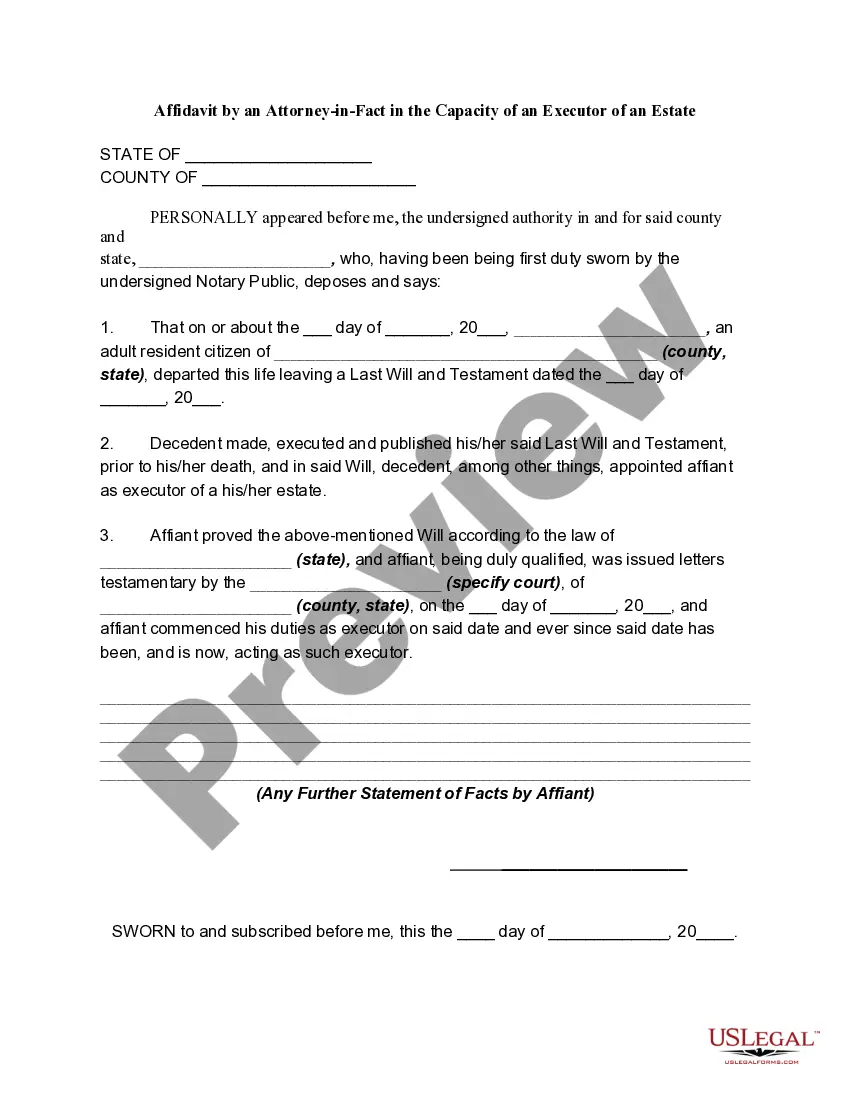
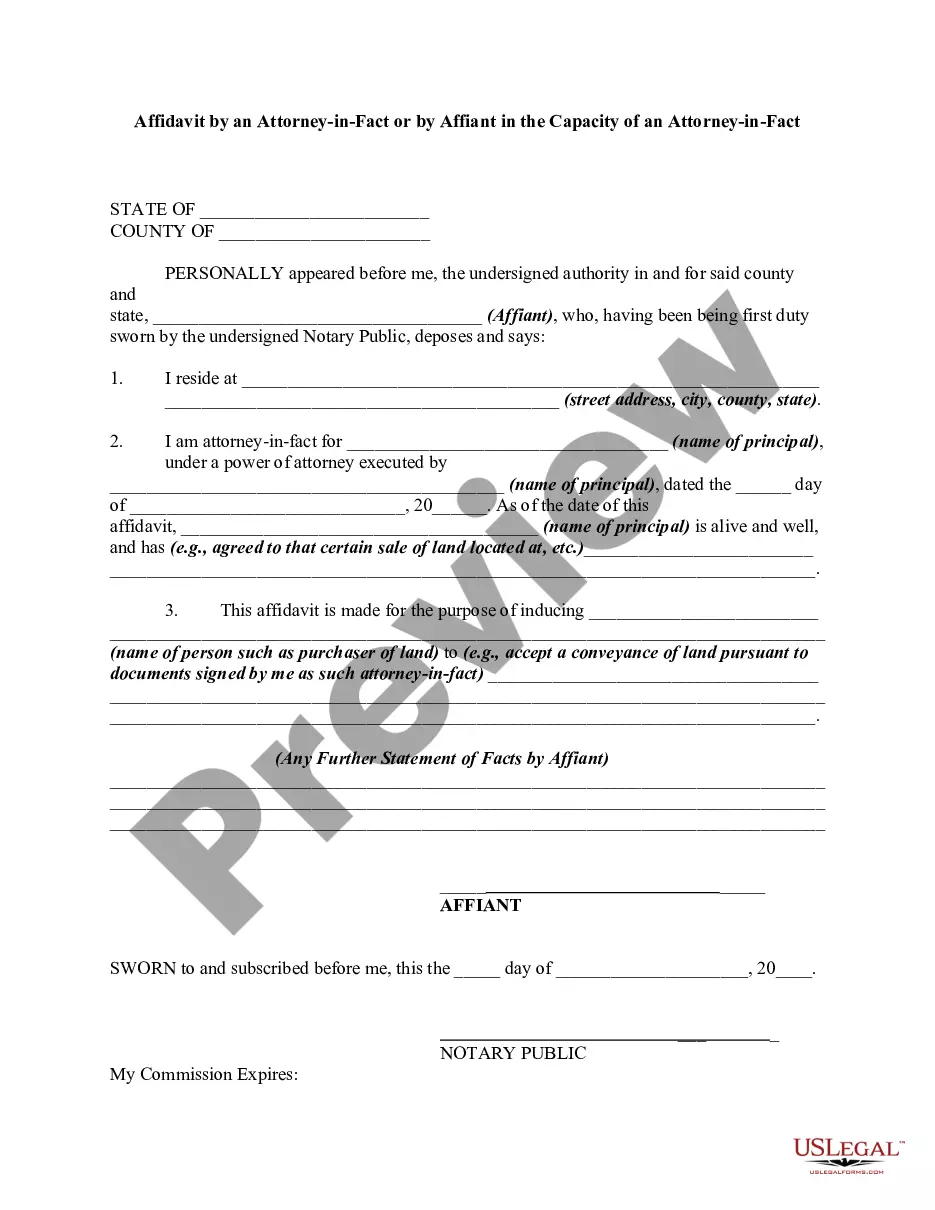
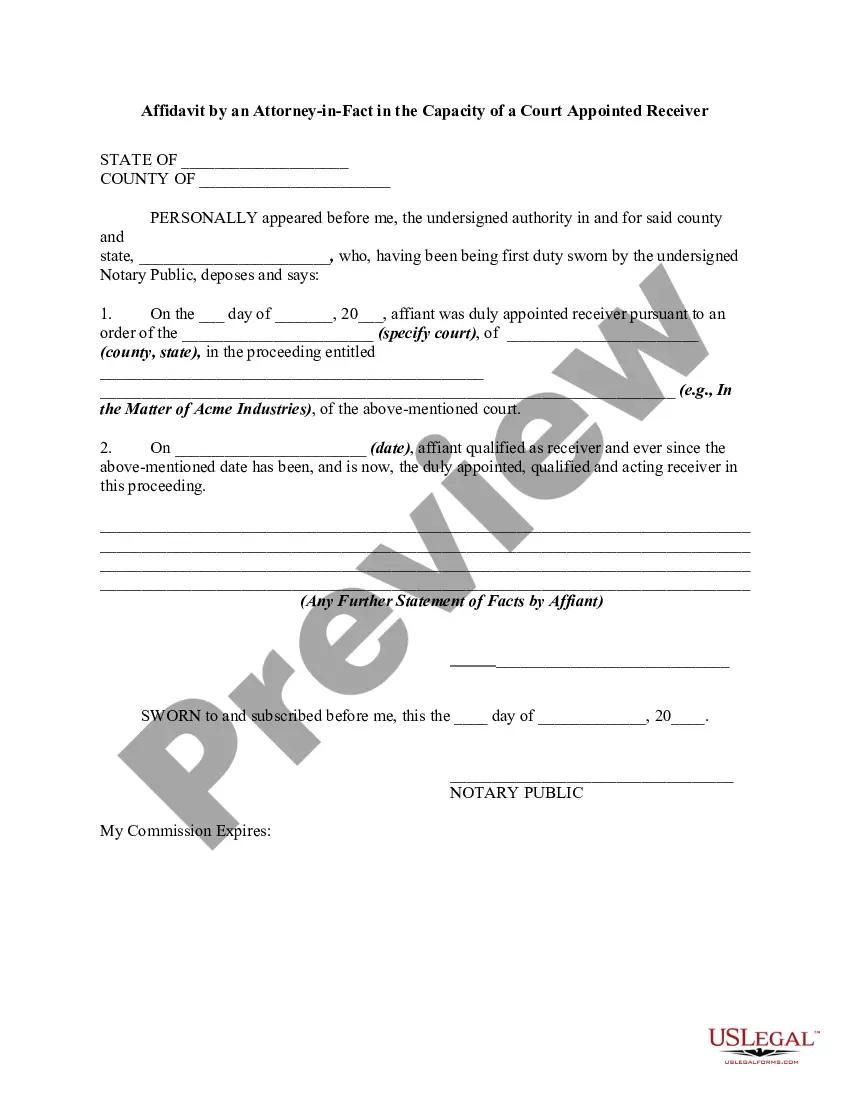
Get your form ready online
Our built-in tools help you complete, sign, share, and store your documents in one place.
Make edits, fill in missing information, and update formatting in US Legal Forms—just like you would in MS Word.
Download a copy, print it, send it by email, or mail it via USPS—whatever works best for your next step.
Sign and collect signatures with our SignNow integration. Send to multiple recipients, set reminders, and more. Go Premium to unlock E-Sign.
If this form requires notarization, complete it online through a secure video call—no need to meet a notary in person or wait for an appointment.
We protect your documents and personal data by following strict security and privacy standards.

Make edits, fill in missing information, and update formatting in US Legal Forms—just like you would in MS Word.

Download a copy, print it, send it by email, or mail it via USPS—whatever works best for your next step.

Sign and collect signatures with our SignNow integration. Send to multiple recipients, set reminders, and more. Go Premium to unlock E-Sign.

If this form requires notarization, complete it online through a secure video call—no need to meet a notary in person or wait for an appointment.

We protect your documents and personal data by following strict security and privacy standards.
Looking for another form?



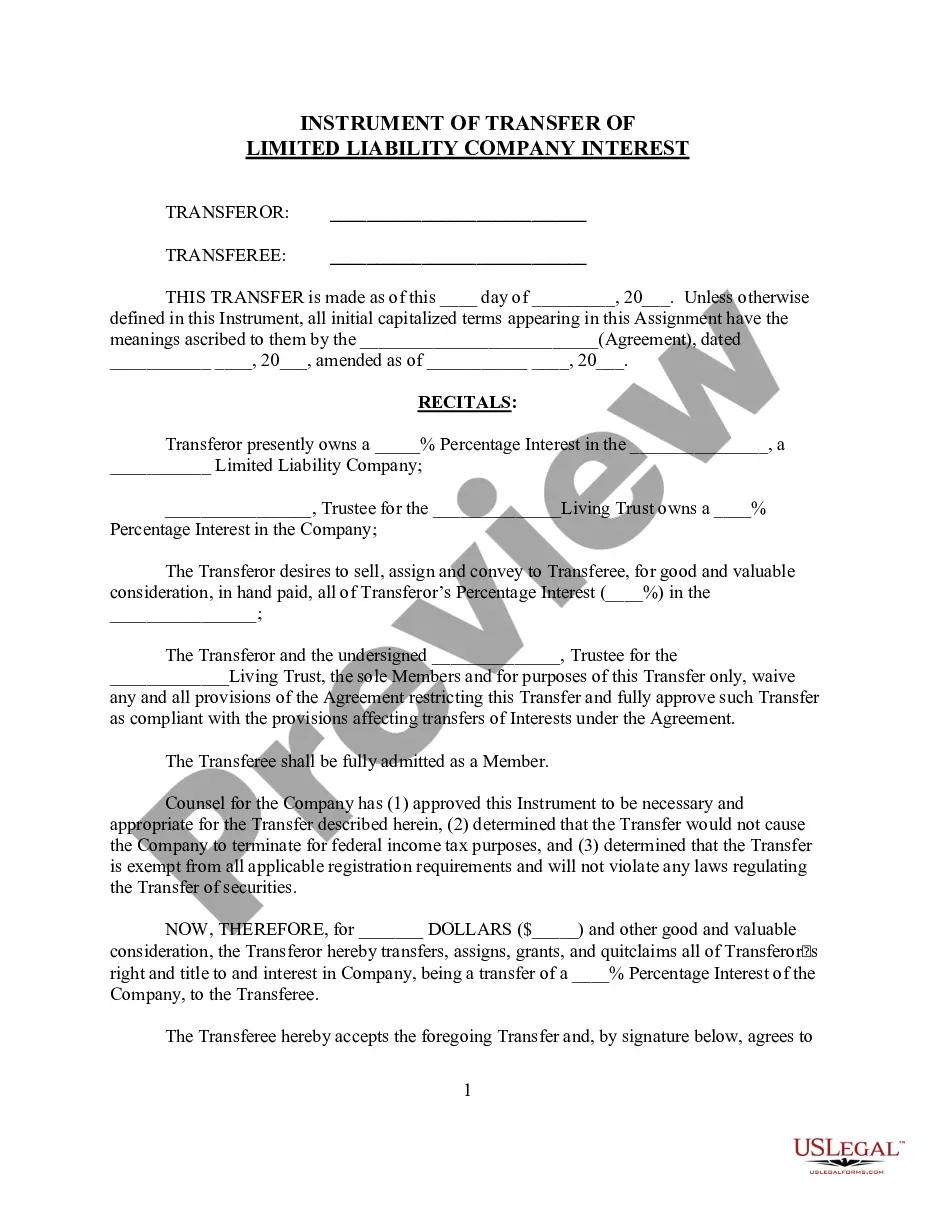
How to fill out Affidavit By An Attorney-in-Fact In The Capacity Of An Executor Of An Estate?
Accessing legal document examples that comply with federal and local regulations is vital, and the web provides numerous choices to select from.
However, what is the purpose of spending time searching for the properly formulated Executor Of Estate Without Bond sample online if the US Legal Forms digital library already compiles such templates in one location.
US Legal Forms is the most extensive online legal resource with over 85,000 editable templates created by attorneys for various business and personal circumstances. They are easy to navigate with all documents categorized by state and intended use. Our experts keep abreast of legal changes, allowing you to be confident that your form is current and compliant when obtaining a Executor Of Estate Without Bond from our site.
All documents you discover through US Legal Forms are reusable. To re-download and fill out previously purchased forms, access the My documents section in your account. Take advantage of the most comprehensive and user-friendly legal document service!
- Acquiring a Executor Of Estate Without Bond is straightforward and quick for both existing and new users.
- If you already possess an account with an active subscription, Log In and store the document sample you require in your preferred format.
- If you are new to our platform, adhere to the steps below.
- Examine the template using the Preview feature or through the text description to confirm it satisfies your requirements.
- Search for another template using the search functionality at the top of the page if needed.
- Click Buy Now when you have located the appropriate form and select a subscription plan.
- Create an account or Log In and complete payment via PayPal or credit card.
- Select the correct format for your Executor Of Estate Without Bond and download it.
Form popularity
FAQ
An executive investment bond is a financial product that offers potential returns based on the performance of underlying investments. Often used as part of estate planning, such bonds help manage and grow assets for beneficiaries. While this concept differs from an executor of estate without bond, understanding these financial tools can help maximize the value of an estate for loved ones.
Being an executor without a bond means you are managing the estate without the added financial guarantee typically required. This arrangement can simplify the process, especially in cases where there is a strong level of trust among beneficiaries. When you choose to act as an executor of estate without bond, you take on the responsibility for managing the estate directly, which can ease the burden on all parties involved.
Executive bonds are legal contracts that require an executor to perform their duties faithfully and in accordance with the law. These bonds ensure that if the executor fails to act responsibly, the bond company can provide compensation to the estate or beneficiaries. Choosing an executor of estate without bond can minimize costs and expedite the settling of the estate when a bond is unnecessary.
The purpose of an executor bond is to protect the estate from potential mismanagement by the executor. This bond serves as a financial guarantee, ensuring that the executor adheres to the will's stipulations and manages the estate responsibly. However, many individuals opt for the executor of estate without bond, particularly when trust exists among heirs or when the estate is straightforward.
Proof of an executor of estate typically includes formal documents issued by the probate court, such as letters testamentary or letters of administration. These documents verify your authority to manage and distribute the estate's assets. Engaging with a platform like USLegalForms can help you understand what documentation you need and assist in preparing these essential forms efficiently.
To apply for the position of executor of an estate, first, file a petition in the local probate court. You will need to provide necessary information about the deceased, including their assets and liabilities. If there is no will, you may need to demonstrate why you are a suitable choice for executor of estate without bond. Ensure all paperwork is complete to avoid delays in the process.
An executor is accountable to the probate court, beneficiaries, and any other parties with an interest in the estate. They must act in the best interest of all involved and adhere to the terms laid out in the probate process. If you are a beneficiary, you can request periodic updates from the executor regarding asset distribution and estate management. A transparent approach helps ensure accountability.
To apply as an executor of an estate without a will, you need to file a petition with your local probate court. Start by gathering relevant documents, such as the deceased's assets, debts, and any other necessary information. It is essential to prove that you qualify to serve as executor of estate without bond, which might involve a court hearing. Consulting a legal professional can help streamline this process.
When an executor serves without a bond, they are allowed to administer the estate without posting a security deposit. This situation often arises when beneficiaries trust the executor, believing they will act in the best interest of the estate. Serving without a bond can simplify the process of settling the estate, making it less burdensome for everyone involved. If you need assistance, US Legal Forms offers valuable resources and forms to help you navigate the requirements of being an executor of an estate without a bond.
Serving without a bond means that an executor of an estate is not required to obtain a financial guarantee before performing their duties. Typically, a bond protects the estate against potential losses resulting from the executor's actions. However, in certain circumstances, courts may waive this requirement, allowing the executor to manage the estate with greater flexibility. This process benefits families by saving time and reducing costs associated with bond premiums.