Executor Estate Form For Estate
Description
Get your form ready online
Our built-in tools help you complete, sign, share, and store your documents in one place.
Make edits, fill in missing information, and update formatting in US Legal Forms—just like you would in MS Word.
Download a copy, print it, send it by email, or mail it via USPS—whatever works best for your next step.
Sign and collect signatures with our SignNow integration. Send to multiple recipients, set reminders, and more. Go Premium to unlock E-Sign.
If this form requires notarization, complete it online through a secure video call—no need to meet a notary in person or wait for an appointment.
We protect your documents and personal data by following strict security and privacy standards.

Make edits, fill in missing information, and update formatting in US Legal Forms—just like you would in MS Word.

Download a copy, print it, send it by email, or mail it via USPS—whatever works best for your next step.

Sign and collect signatures with our SignNow integration. Send to multiple recipients, set reminders, and more. Go Premium to unlock E-Sign.

If this form requires notarization, complete it online through a secure video call—no need to meet a notary in person or wait for an appointment.

We protect your documents and personal data by following strict security and privacy standards.
Looking for another form?






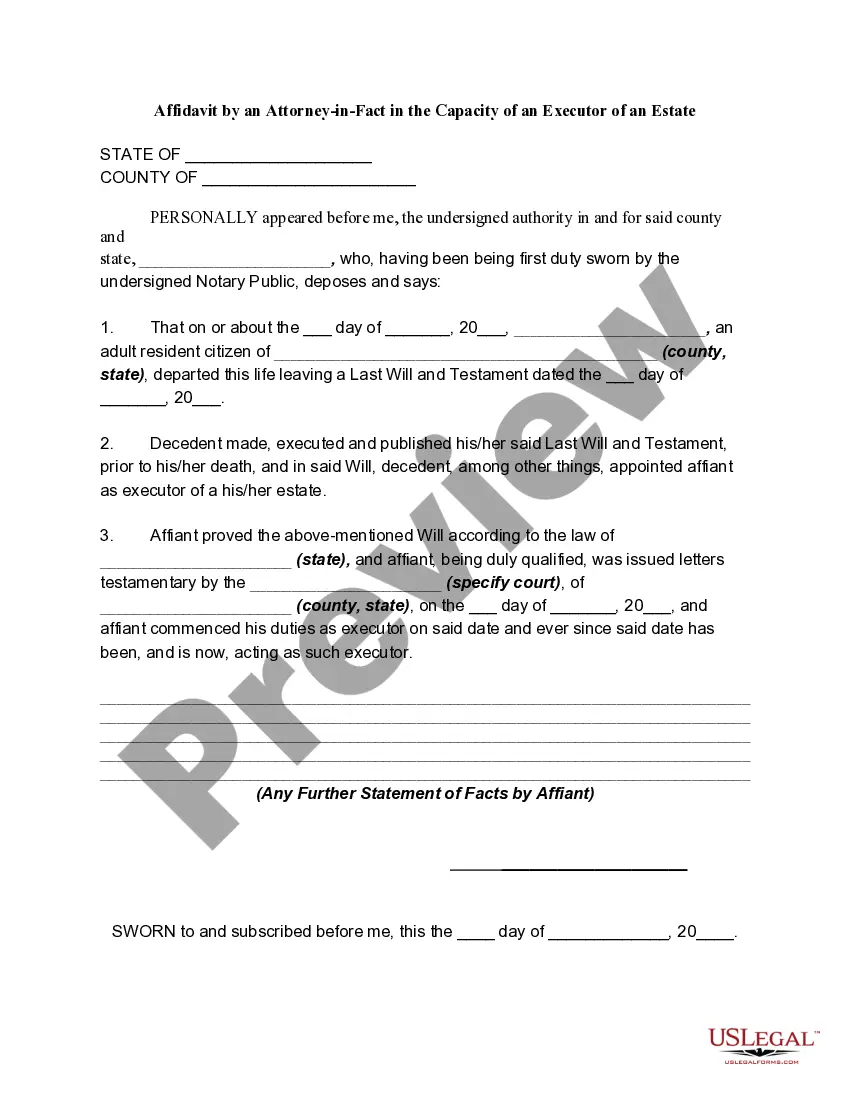
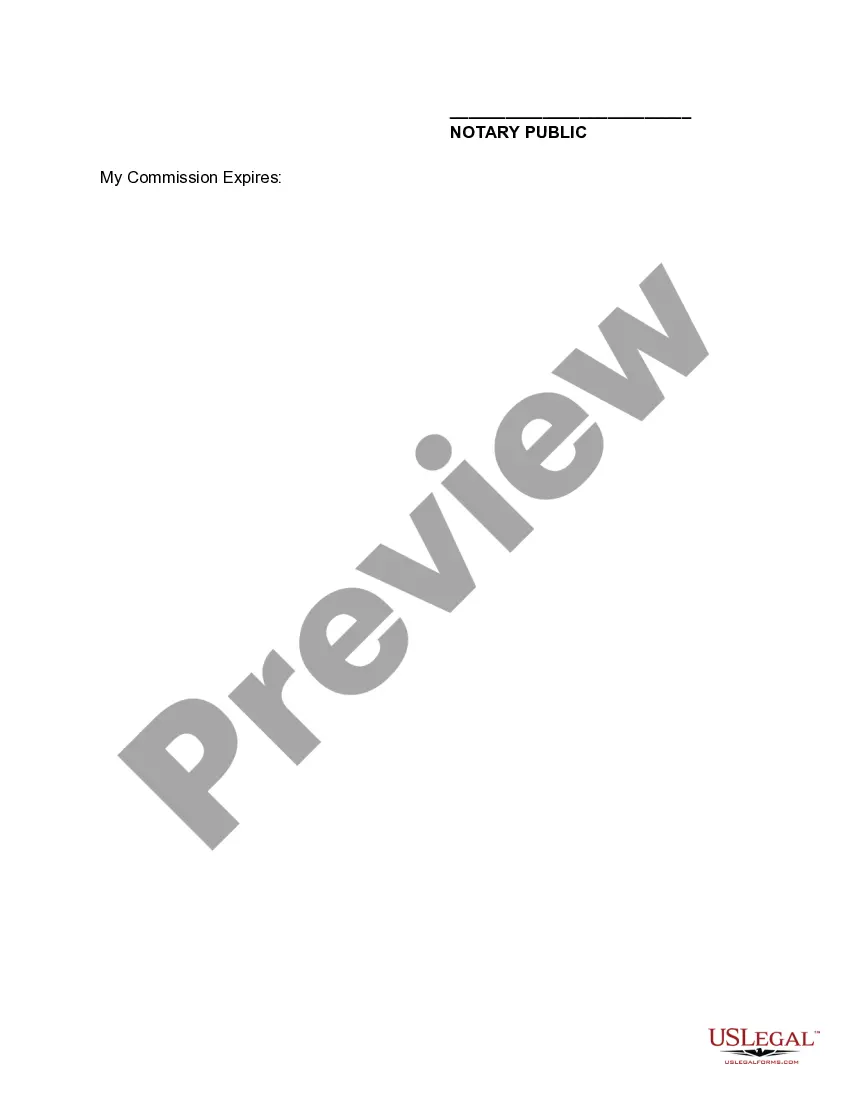
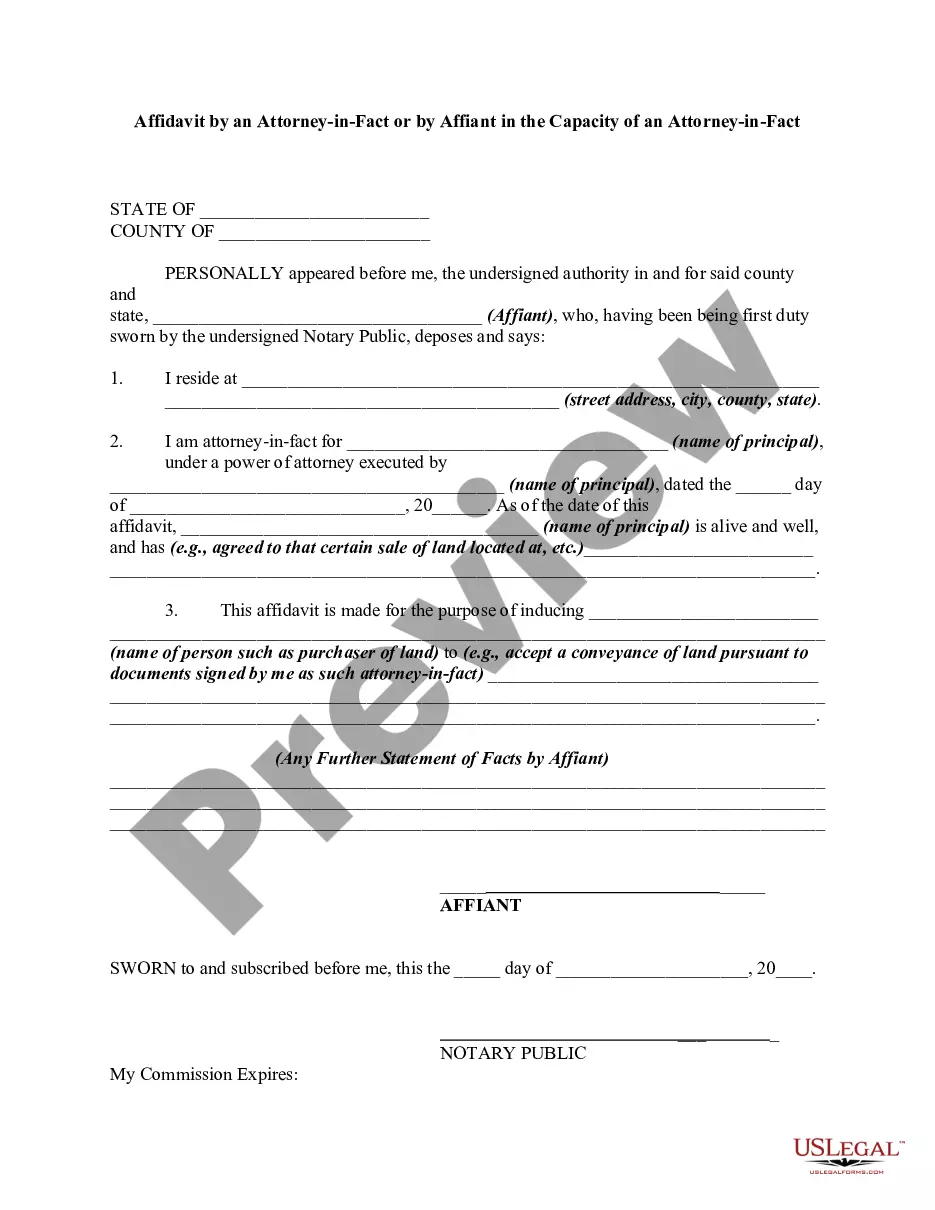
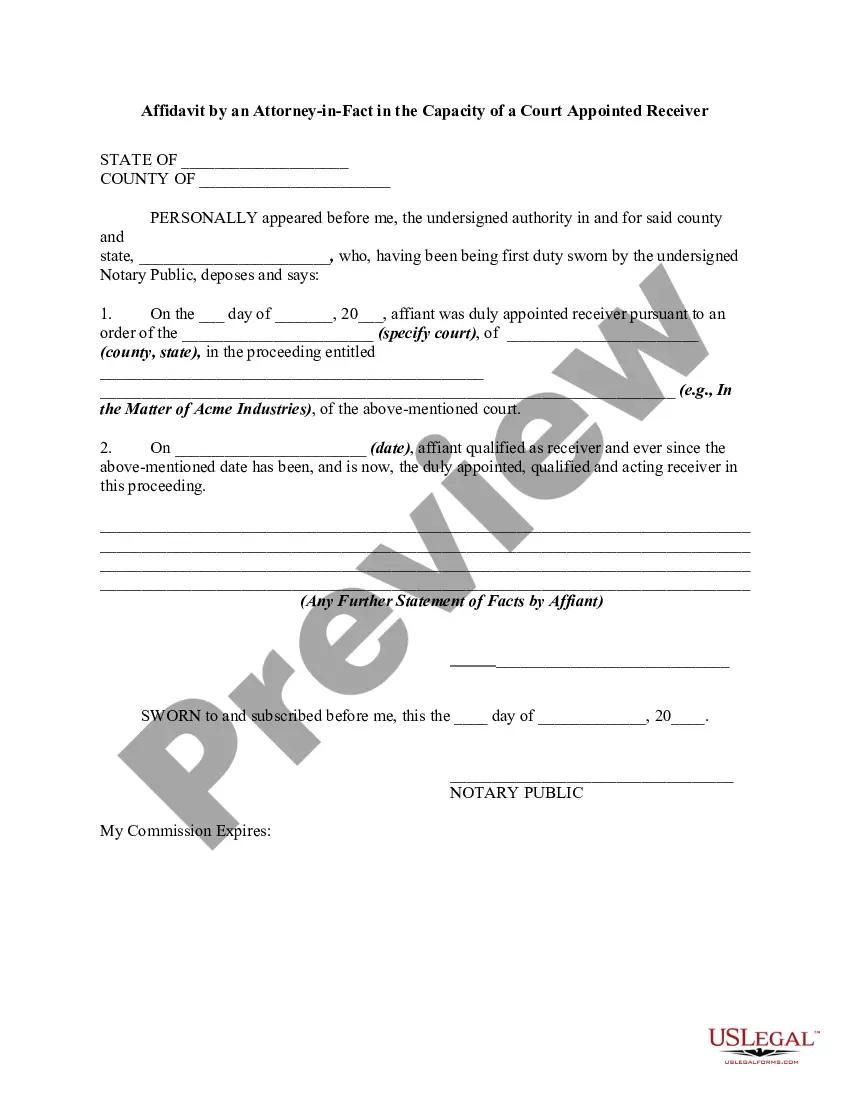
How to fill out Affidavit By An Attorney-in-Fact In The Capacity Of An Executor Of An Estate?
Managing legal papers and activities can be a tedious addition to your schedule.
Executor Estate Form For Estate and similar forms typically require you to locate them and comprehend how to fill them out accurately.
Hence, if you are handling financial, legal, or personal issues, utilizing a comprehensive and user-friendly online directory of forms readily available will be highly beneficial.
US Legal Forms is the premier online resource for legal templates, featuring over 85,000 state-specific forms and a range of tools to help you complete your paperwork efficiently.
Is this your first time using US Legal Forms? Register and create a free account in just a few minutes, and you will gain access to the form directory and Executor Estate Form For Estate. Then, follow the steps below to complete your form.
- Explore the assortment of relevant documents accessible to you with just one click.
- US Legal Forms offers you state- and county-specific forms available for download at any time.
- Safeguard your document management processes using a high-quality platform that enables you to prepare any form in minutes without additional or hidden fees.
- Simply Log In to your account, find Executor Estate Form For Estate, and download it instantly from the My documents tab.
- You can also access previously downloaded forms.
Form popularity
FAQ
To prove you're an executor, you need the letters testamentary, issued by the probate court. This document serves as legal proof of your authority to manage the estate according to the deceased's wishes. Presenting this executor estate form for estate at banks and other institutions will facilitate access to estate assets. Remember, having proper documentation is essential for carrying out your duties effectively.
To get an executor of estate document, you must first file the will with the probate court. After filing, the court reviews it and may issue letters testamentary or another form of validation. This process often involves completing the executor estate form for estate. Following the correct procedures will help you receive the necessary document to act legitimately on behalf of the estate.
While it's not strictly necessary to hire a lawyer to become an executor, legal assistance can simplify the process significantly. A lawyer can guide you through the complex probate procedures and help you fill out necessary documents properly. Using resources like the executor estate form for estate can also be beneficial in managing your responsibilities. Ultimately, legal counsel can be an invaluable asset in ensuring everything is handled correctly.
A letter stating you are the executor, often referred to as 'letters testamentary,' is an official document provided by the probate court. This letter confirms your authority to manage estate affairs according to the deceased's will. Having this letter is crucial when dealing with banks, creditors, and estate assets. You can acquire this document by submitting the appropriate executor estate form for estate to the probate court.
Yes, in Alabama, some estates may be settled without probate if they meet specific criteria. Small estates, typically under a certain dollar amount, can often use a simplified process. Utilizing the executor estate form for estate can help streamline this process. It's advisable to consult with legal resources for guidance tailored to your situation.
To obtain proof of executor status, you usually need a copy of the court-issued letters testamentary. This document officially validates a person's authority to act as executor. You can secure these letters during the probate process using the executor estate form for estate. Often, the probate court will supply necessary documents to validate your position.
The will is the primary document that outlines who the executor is for an estate. This legal document provides detailed information about the deceased's wishes, including the choice of executor. If you need an official record, the executor estate form for estate may also document this information. Accessing the will through probate court can confirm the executor's identity.
A letter stating the executor of an estate serves as an official document confirming the appointment of the executor. This letter is typically issued by the probate court and includes essential details such as the deceased's information and the executor's responsibilities. It's important for providing legal authority and is often part of the Executor estate form for estate, which assists in managing the estate's affairs.
To streamline the process, the executor of an estate needs several key documents. You will require the original will, copies of the death certificate, and a completed Executor estate form for estate. Additionally, gathering information about assets and debts will facilitate smoother estate administration.