Site Safety Plan For Construction
Description
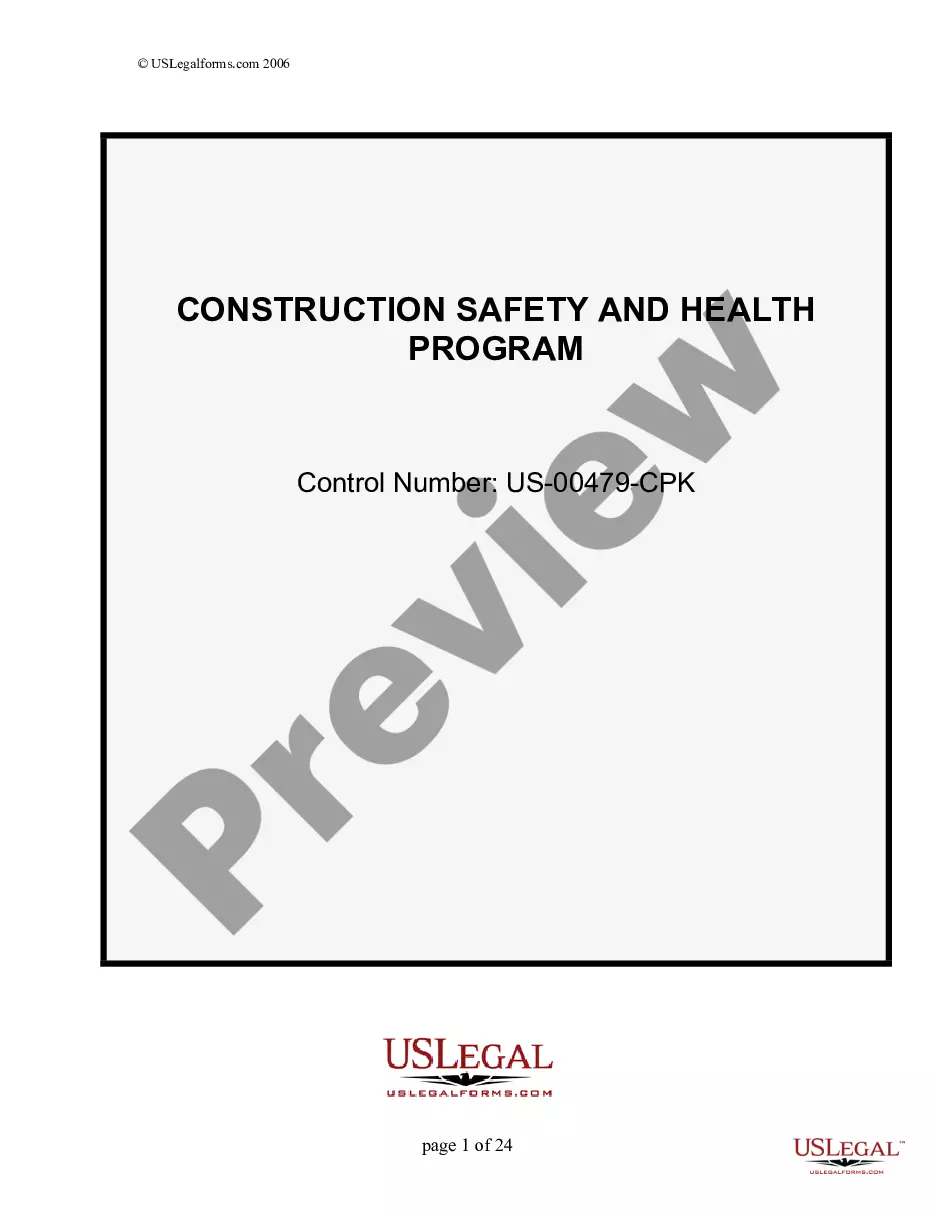
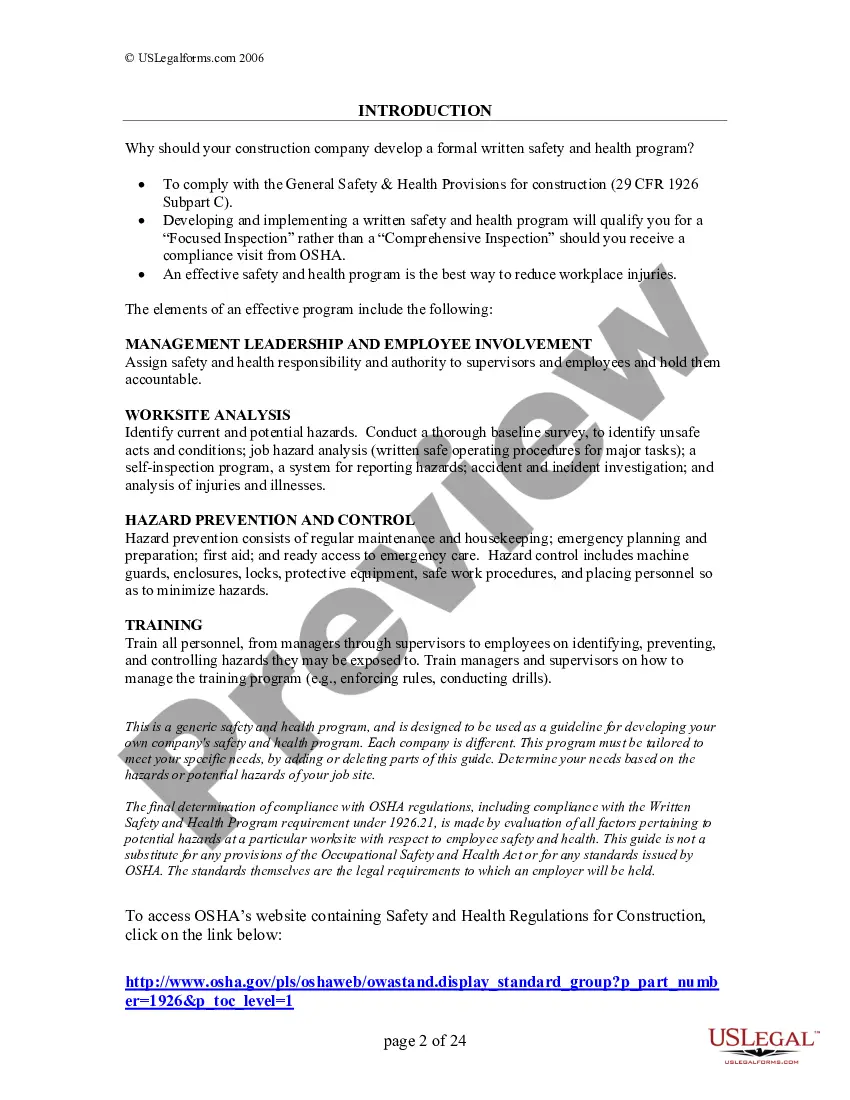
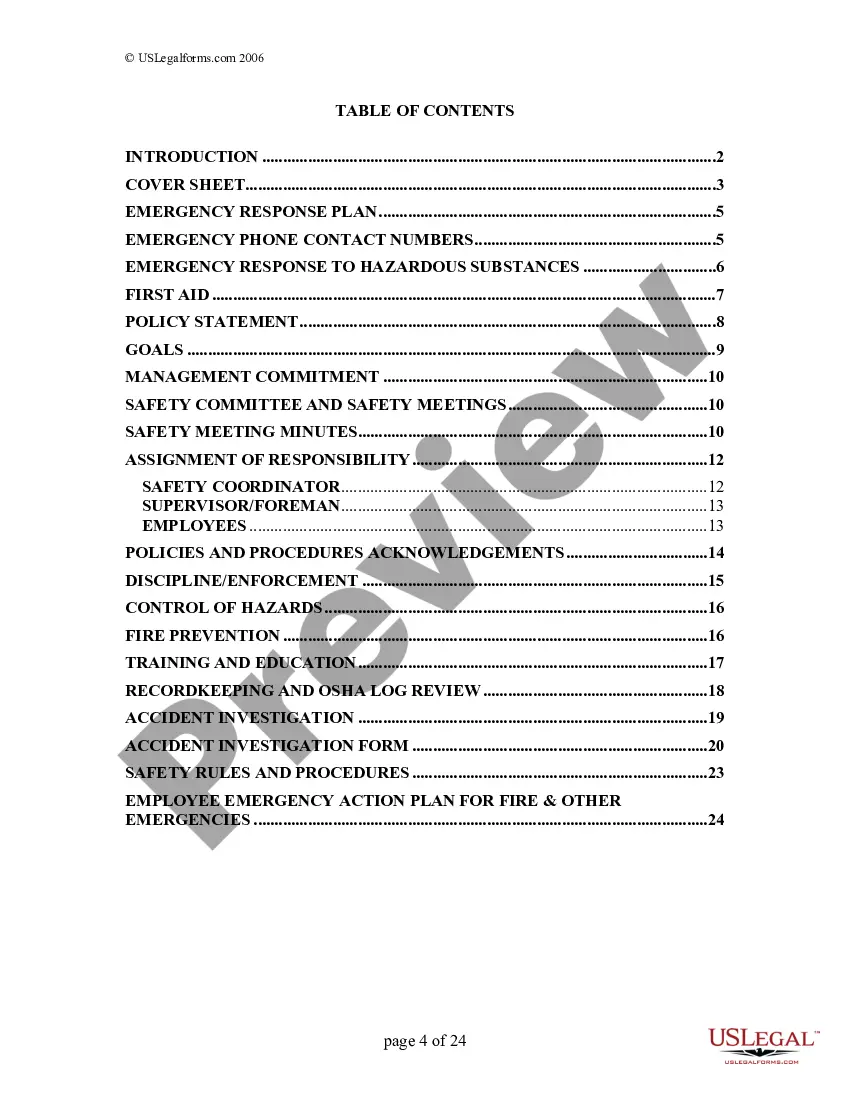
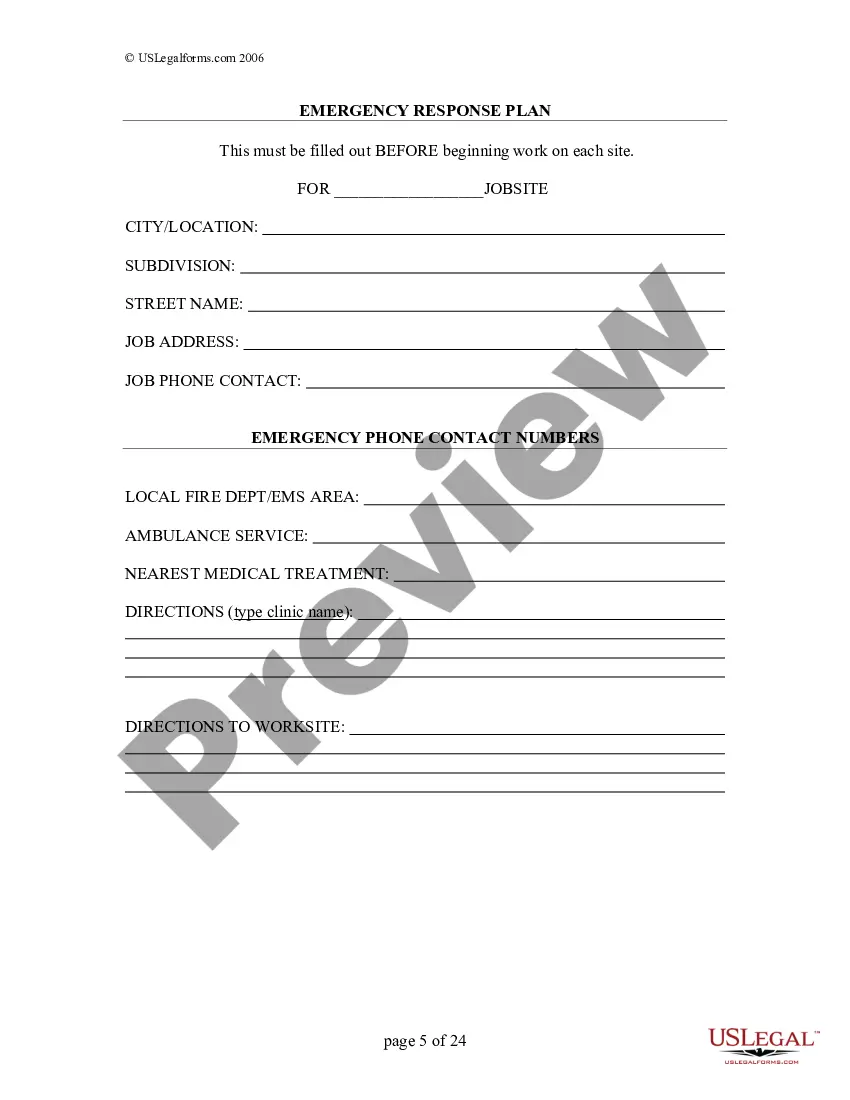
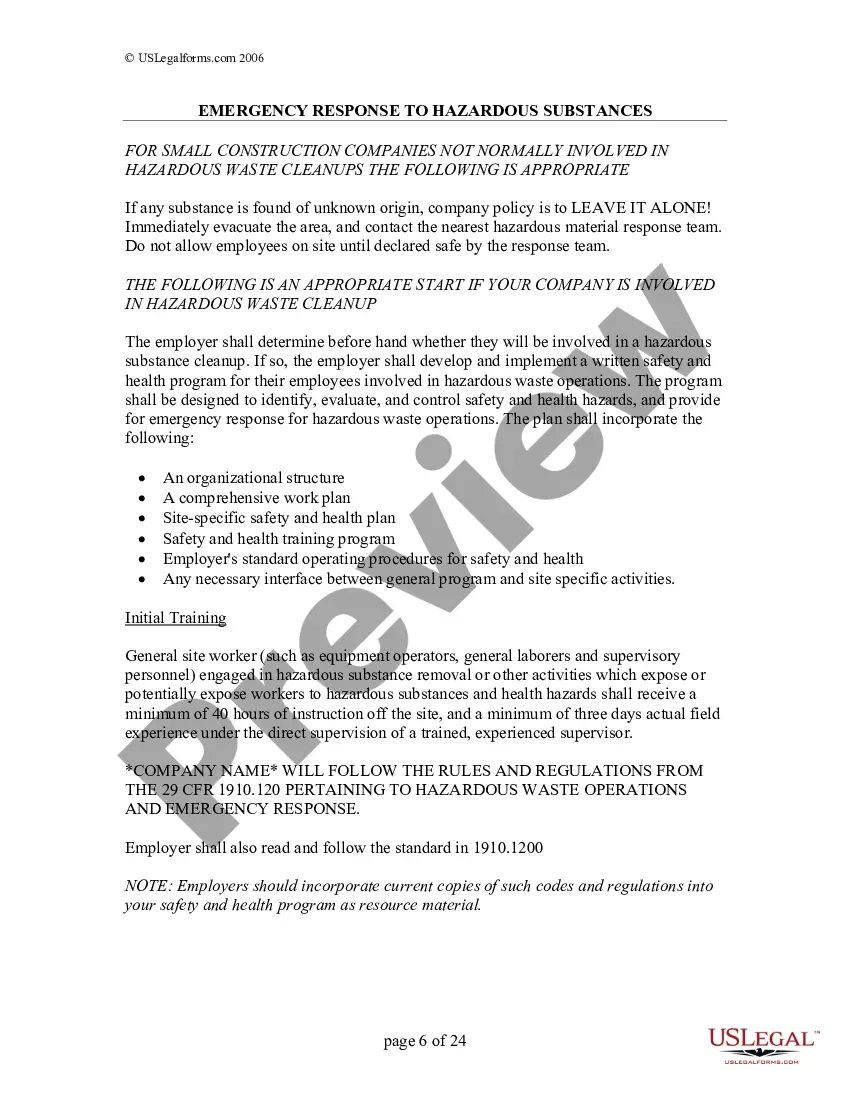
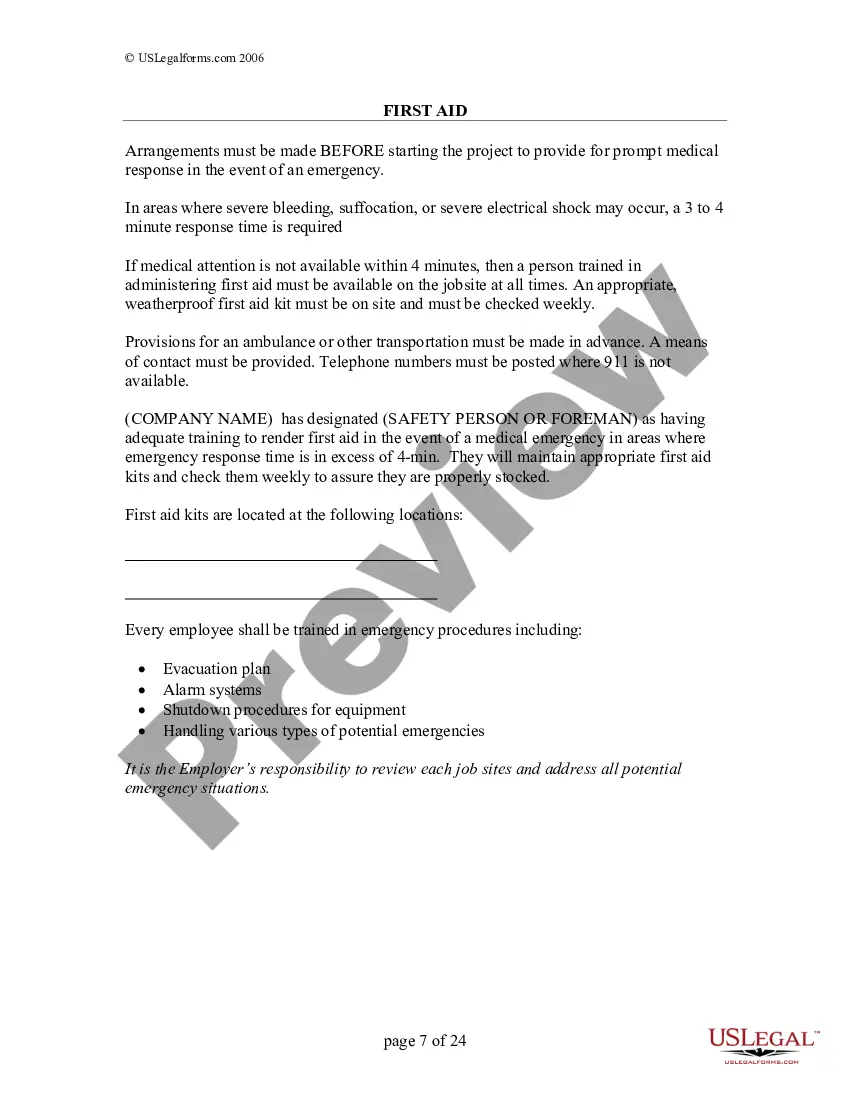
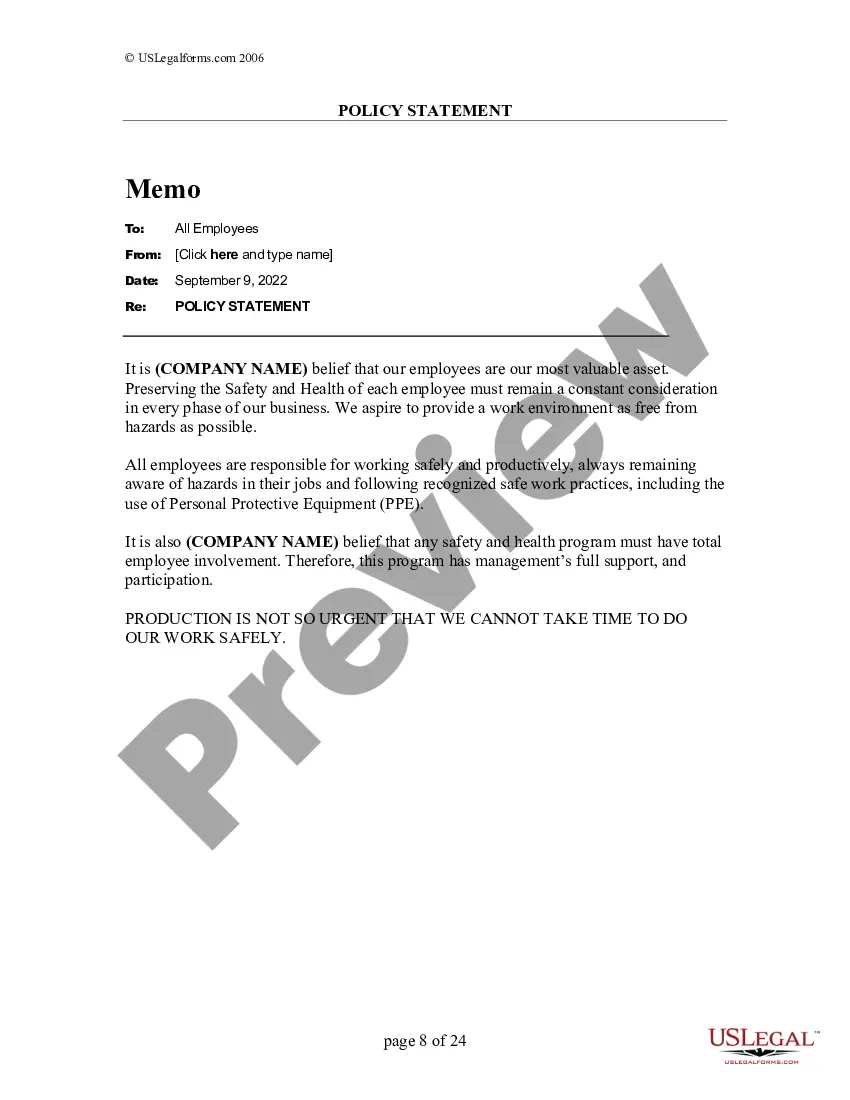

Get your form ready online
Our built-in tools help you complete, sign, share, and store your documents in one place.
Make edits, fill in missing information, and update formatting in US Legal Forms—just like you would in MS Word.
Download a copy, print it, send it by email, or mail it via USPS—whatever works best for your next step.
Sign and collect signatures with our SignNow integration. Send to multiple recipients, set reminders, and more. Go Premium to unlock E-Sign.
If this form requires notarization, complete it online through a secure video call—no need to meet a notary in person or wait for an appointment.
We protect your documents and personal data by following strict security and privacy standards.

Make edits, fill in missing information, and update formatting in US Legal Forms—just like you would in MS Word.

Download a copy, print it, send it by email, or mail it via USPS—whatever works best for your next step.

Sign and collect signatures with our SignNow integration. Send to multiple recipients, set reminders, and more. Go Premium to unlock E-Sign.

If this form requires notarization, complete it online through a secure video call—no need to meet a notary in person or wait for an appointment.

We protect your documents and personal data by following strict security and privacy standards.
Looking for another form?

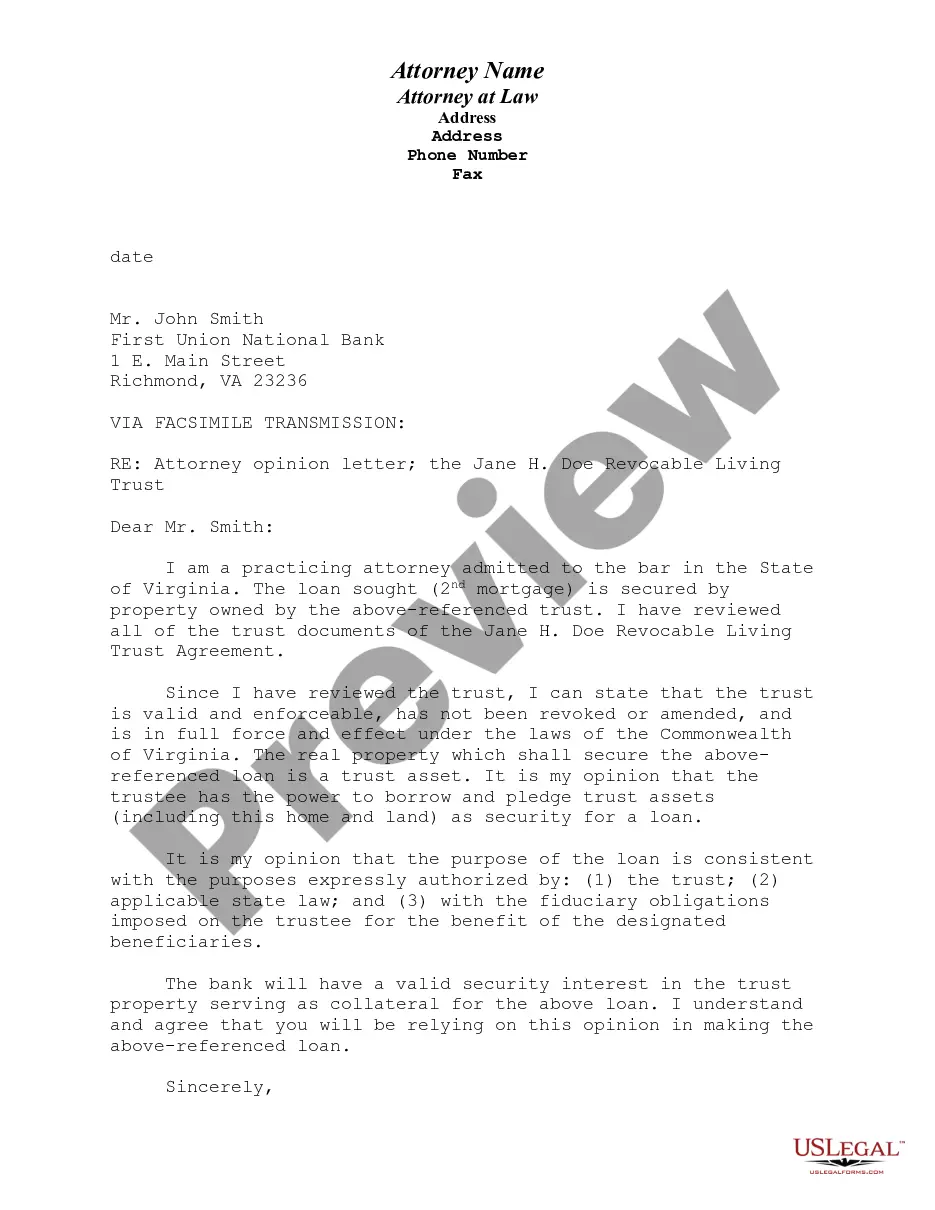

How to fill out Construction Safety And Health Plan?
When you are required to complete the Site Safety Plan For Construction that adheres to your local state's rules and regulations, there can be several alternatives available.
There's no necessity to review every document to confirm it meets all the legal requirements if you are a US Legal Forms member.
It is a trustworthy resource that can assist you in obtaining a reusable and current template on any subject.
Utilizing US Legal Forms makes obtaining properly drafted formal documents easy. Moreover, Premium subscribers can also benefit from the robust integrated features for online document editing and signing. Give it a try today!
- US Legal Forms is the most extensive online directory with an archive of over 85,000 ready-to-use documents for business and personal legal matters.
- All templates have been verified to comply with each state's statutes.
- Consequently, when you download the Site Safety Plan For Construction from our platform, you can be assured that you possess a legitimate and up-to-date document.
- Acquiring the necessary sample from our platform is remarkably simple.
- If you already have an account, just Log In to the system, ensure your subscription is currently active, and save the selected file.
- In the future, you can access the My documents tab in your profile and maintain access to the Site Safety Plan For Construction anytime.
- If this is your first experience with our site, please follow the instructions below.
- Review the recommended page and verify it for alignment with your needs.
Form popularity
FAQ
On-site safety is a shared responsibility, rooted in the site safety plan for construction. The site supervisor typically leads this effort, ensuring that all safety protocols are followed. However, every worker contributes to safety by being aware of their surroundings and reporting potential hazards, fostering a proactive safety culture.
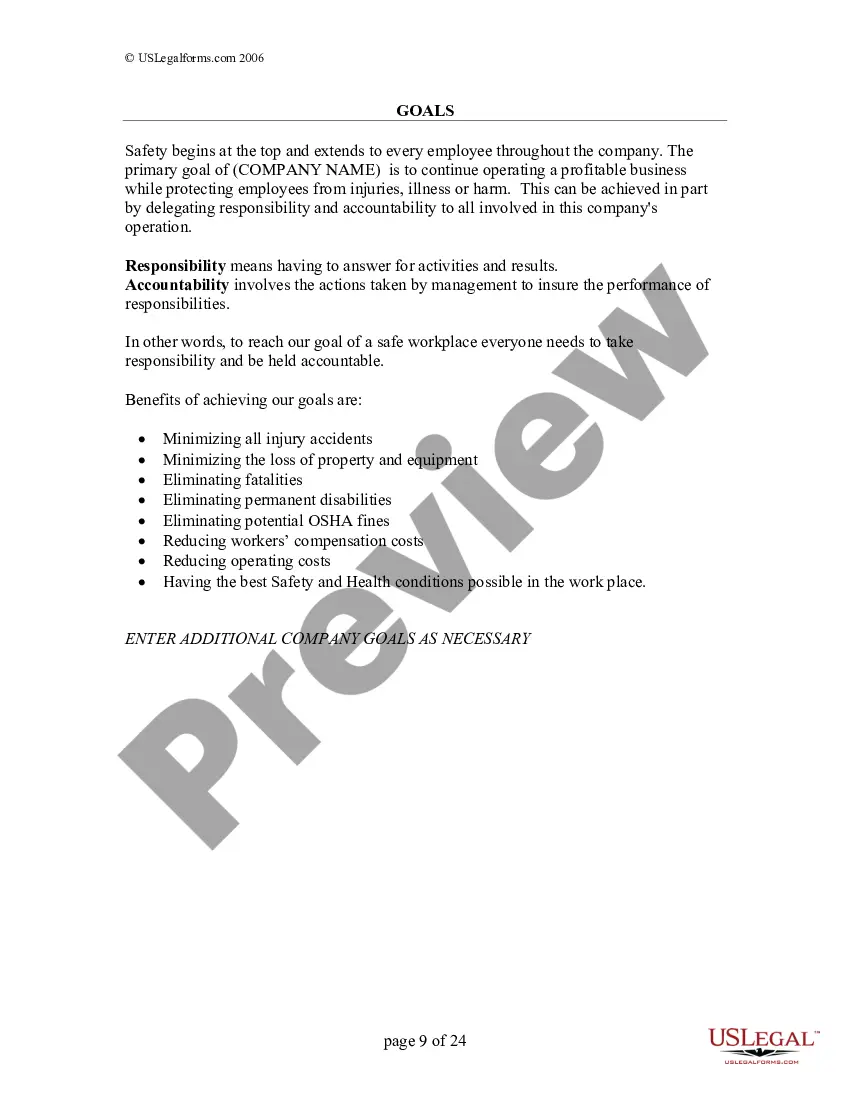
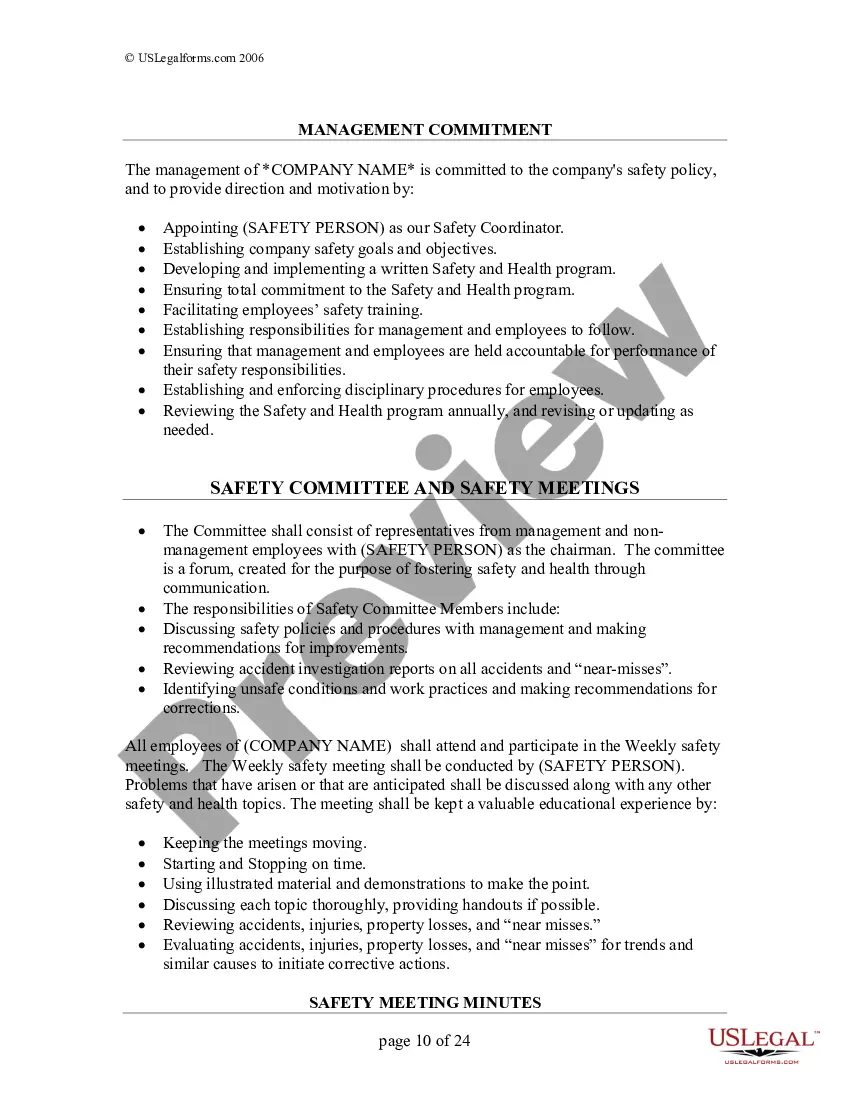
A comprehensive site safety plan for construction should include risk assessments, emergency procedures, safety protocols, and training requirements. Additionally, it should outline responsibilities for all team members and provide detailed information on equipment usage. By including these elements, the safety plan promotes a culture of safety and compliance throughout the project.
The responsibility for safety signage on a construction site falls to the project manager and the safety officer, as outlined in the site safety plan for construction. They must ensure that all signs comply with regulations and effectively communicate hazards. Clear and informative signage is vital in helping workers understand safety protocols and navigate the site safely.
In the context of a site safety plan for construction, the responsibility for job site safety falls primarily on the employer. However, all workers share in the responsibility, which includes adhering to safety protocols and reporting hazards. This collaborative effort fosters a safe work environment where everyone plays a role in maintaining safety standards.
The site safety plan for construction requires approval from a designated safety officer, typically a qualified individual with expertise in safety regulations. This person ensures that the plan meets all legal requirements and reflects best practices. Additionally, project managers and company officials may also need to review and sign off on the plan to affirm its implementation on the job site.
Typically, a safety plan can be written by a qualified safety professional, such as a safety officer or consultant. However, project managers or team leaders with a strong understanding of safety protocols can also develop it. When in doubt, consider using services like UsLegalForms to access industry-standard templates that help you craft an effective site safety plan for construction.
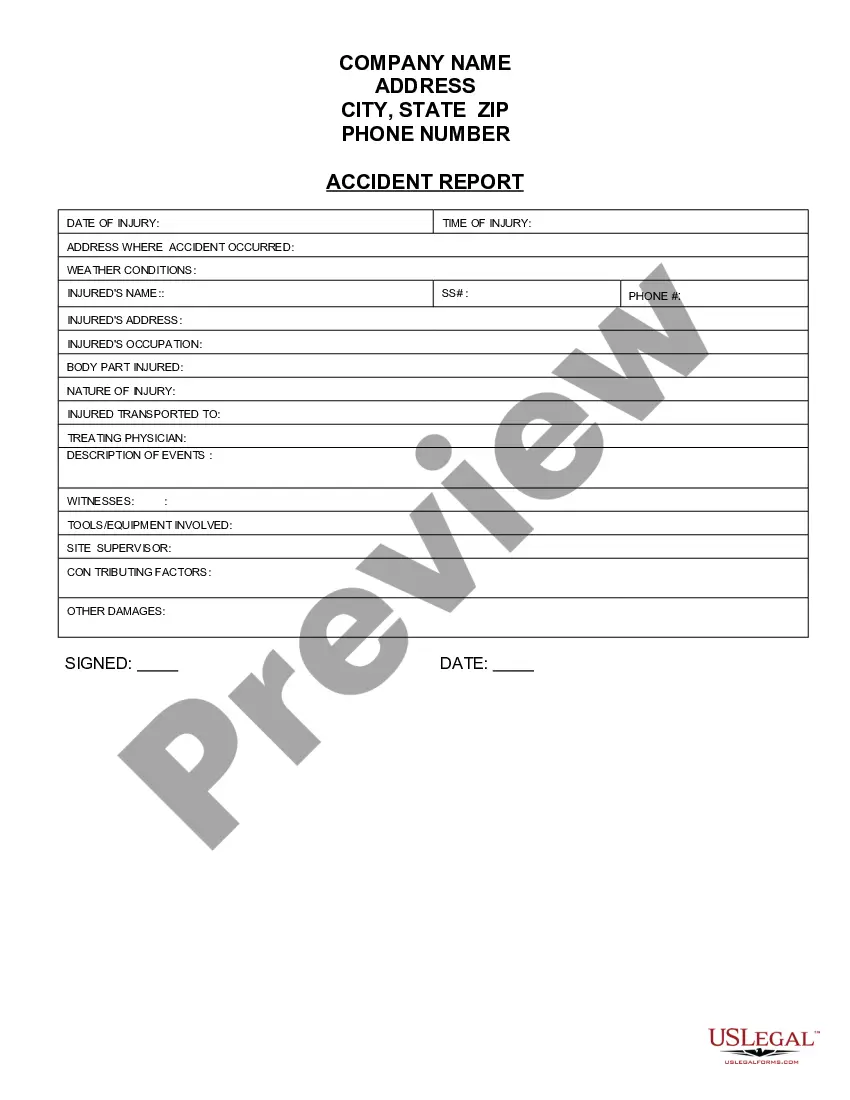
A construction site safety plan is a document that outlines safety protocols and procedures specific to a construction project. It addresses potential hazards, emergency responses, and worker responsibilities. This plan ensures compliance with regulations and helps foster a culture of safety on site. Having a well-drafted plan minimizes risks and protects everyone involved.
To get a site safety plan for construction, start by identifying your specific safety needs. Access pre-made templates from platforms like UsLegalForms or consult with industry professionals for guidance. Remember, your plan should reflect your project’s unique circumstances and comply with local regulations.
You can obtain a site safety plan for construction through various means, including contracting a safety professional or using online resources. Platforms like UsLegalForms provide templates that can be customized to meet your specific needs. Additionally, consider collaborating with experienced safety consultants to develop a tailored plan.
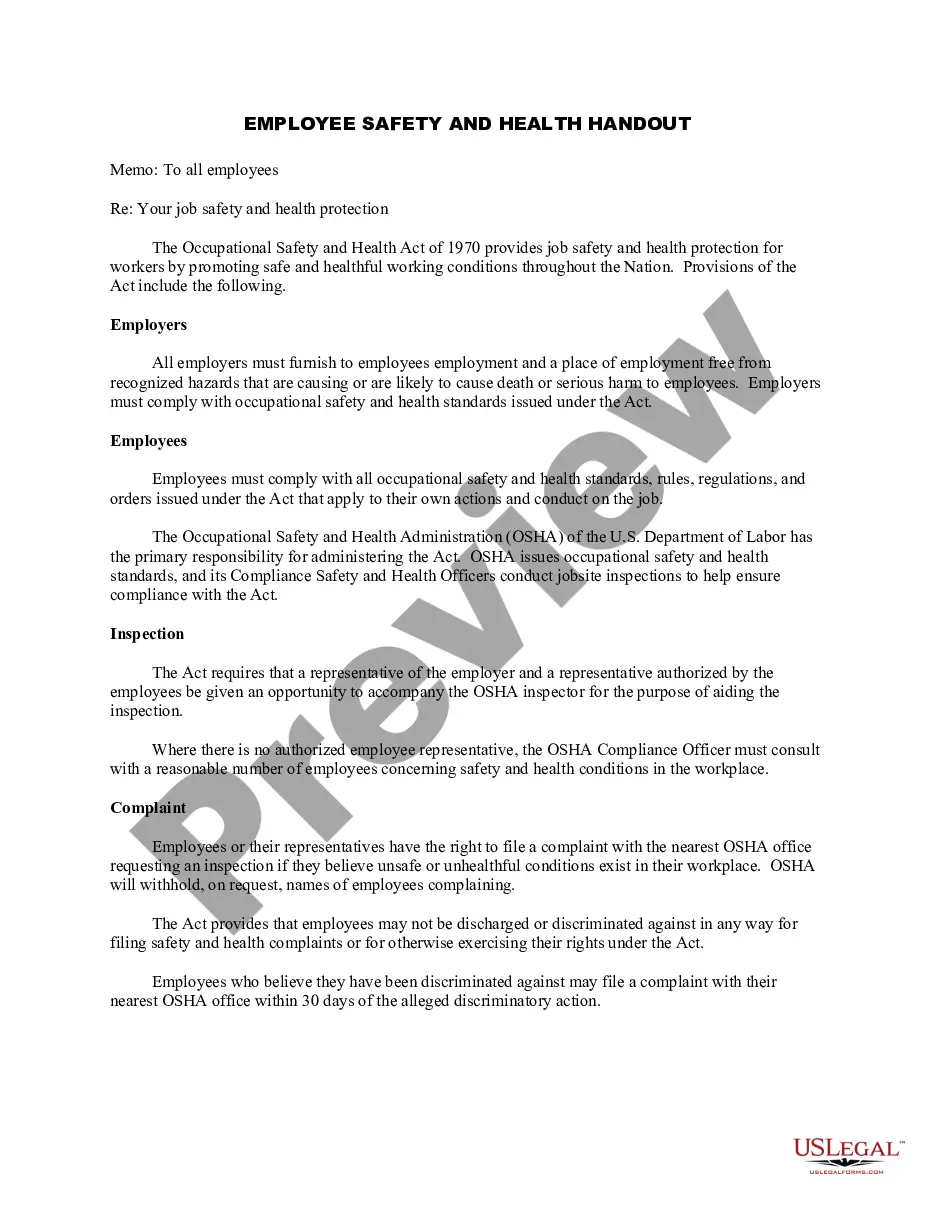
Yes, OSHA requires a site safety plan for construction if there are specific hazards present. This requirement helps ensure that all workers are informed of safety measures and protocols. Employers must implement these plans to promote a safe work environment. Regular training and updates are key to compliance.