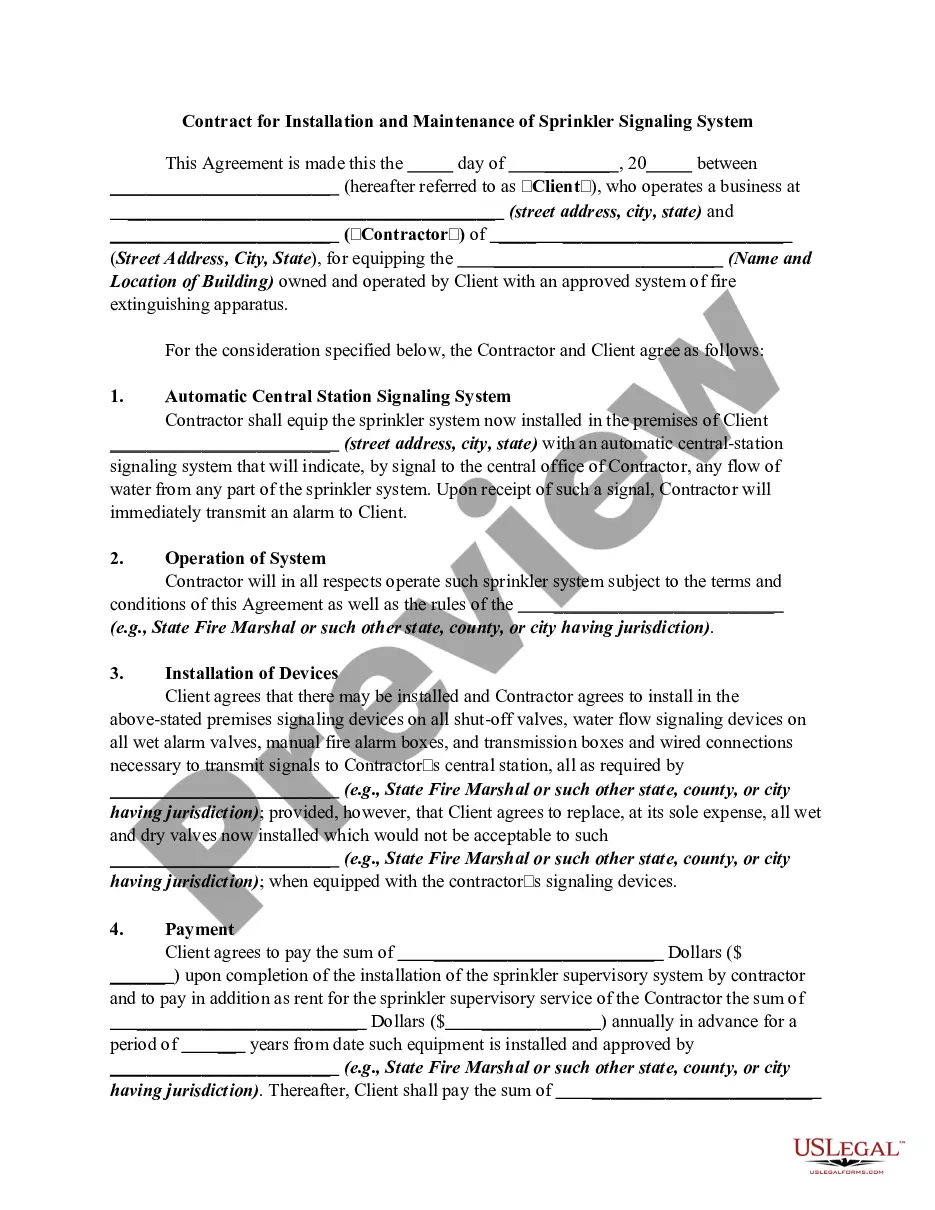
Building Contract For Renovations In San Antonio
Description


Get your form ready online
Our built-in tools help you complete, sign, share, and store your documents in one place.
Make edits, fill in missing information, and update formatting in US Legal Forms—just like you would in MS Word.
Download a copy, print it, send it by email, or mail it via USPS—whatever works best for your next step.
Sign and collect signatures with our SignNow integration. Send to multiple recipients, set reminders, and more. Go Premium to unlock E-Sign.
If this form requires notarization, complete it online through a secure video call—no need to meet a notary in person or wait for an appointment.
We protect your documents and personal data by following strict security and privacy standards.

Make edits, fill in missing information, and update formatting in US Legal Forms—just like you would in MS Word.

Download a copy, print it, send it by email, or mail it via USPS—whatever works best for your next step.

Sign and collect signatures with our SignNow integration. Send to multiple recipients, set reminders, and more. Go Premium to unlock E-Sign.

If this form requires notarization, complete it online through a secure video call—no need to meet a notary in person or wait for an appointment.

We protect your documents and personal data by following strict security and privacy standards.
Looking for another form?







Form popularity
FAQ
How to draft a contract in 13 simple steps Start with a contract template. Understand the purpose and requirements. Identify all parties involved. Outline key terms and conditions. Define deliverables and milestones. Establish payment terms. Add termination conditions. Incorporate dispute resolution.
How to Get a General Contractor License in Minnesota Step 1: Register for the How to Pass the Minnesota Contractor Licensing Exam® Course Step 2: Register for Your Minnesota Residential Contractor Exam. Step 3: Attend How to Pass the Minnesota Contractor Licensing Exam Course. Step 4: Take the Exam.
Typically a building permit is required if you decide to build, remodel, repair or demolish a structure on your property. We have a few exceptions for some general repairs.
How To Write A Construction Contract With 7 Steps Step 1: Define the Parties Involved. Step 2: Outline the Scope of Work. Step 3: Establish the Timeline. Step 4: Determine the Payment Terms. Step 5: Include Necessary Legal Clauses. Step 6: Address Change Orders and Modifications. Step 7: Sign and Execute the Contract.
How to Write a Contractor Agreement Outline Services Provided. The contractor agreement should list all services the contractor will provide. Document Duration of the Work. Specify the duration of the working relationship. Outline Payment Terms. Outline Confidentiality Agreement. Consult with a Lawyer.
In San Antonio, contractors are required to register with Development Services and obtain liability insurance. There are two types of licenses available for general contractors: Home Improvement Contractor and Residential Building Contractor.
Permits can be applied for online or in person at Development Services located at 1901 South Alamo, San Antonio, Texas. The hours of operation are Monday through Friday am to pm. You may contact Development Services by calling (210) 207-1111.
You may contact DSD regarding your residential permit by calling (210) 207-1111. Development Services is located at 1901 South Alamo, San Antonio, Texas and is operated Monday through Friday am to pm. View more about Residential Permits here.
Typically a building permit is required if you decide to build, remodel, repair or demolish a structure on your property. We have a few exceptions for some general repairs.
The following list of construction or remodeling projects typically do not require a permit. One-story detached accessory structures used as tool and storage sheds, playhouses and similar uses, provided the floor area does not exceed 300 square feet. Cabinets & counter tops. Carpeting and wood/laminate flooring.
