Construction Contracts Oregon Forestry In Pima
Description


Get your form ready online
Our built-in tools help you complete, sign, share, and store your documents in one place.
Make edits, fill in missing information, and update formatting in US Legal Forms—just like you would in MS Word.
Download a copy, print it, send it by email, or mail it via USPS—whatever works best for your next step.
Sign and collect signatures with our SignNow integration. Send to multiple recipients, set reminders, and more. Go Premium to unlock E-Sign.
If this form requires notarization, complete it online through a secure video call—no need to meet a notary in person or wait for an appointment.
We protect your documents and personal data by following strict security and privacy standards.

Make edits, fill in missing information, and update formatting in US Legal Forms—just like you would in MS Word.

Download a copy, print it, send it by email, or mail it via USPS—whatever works best for your next step.

Sign and collect signatures with our SignNow integration. Send to multiple recipients, set reminders, and more. Go Premium to unlock E-Sign.

If this form requires notarization, complete it online through a secure video call—no need to meet a notary in person or wait for an appointment.

We protect your documents and personal data by following strict security and privacy standards.
Looking for another form?






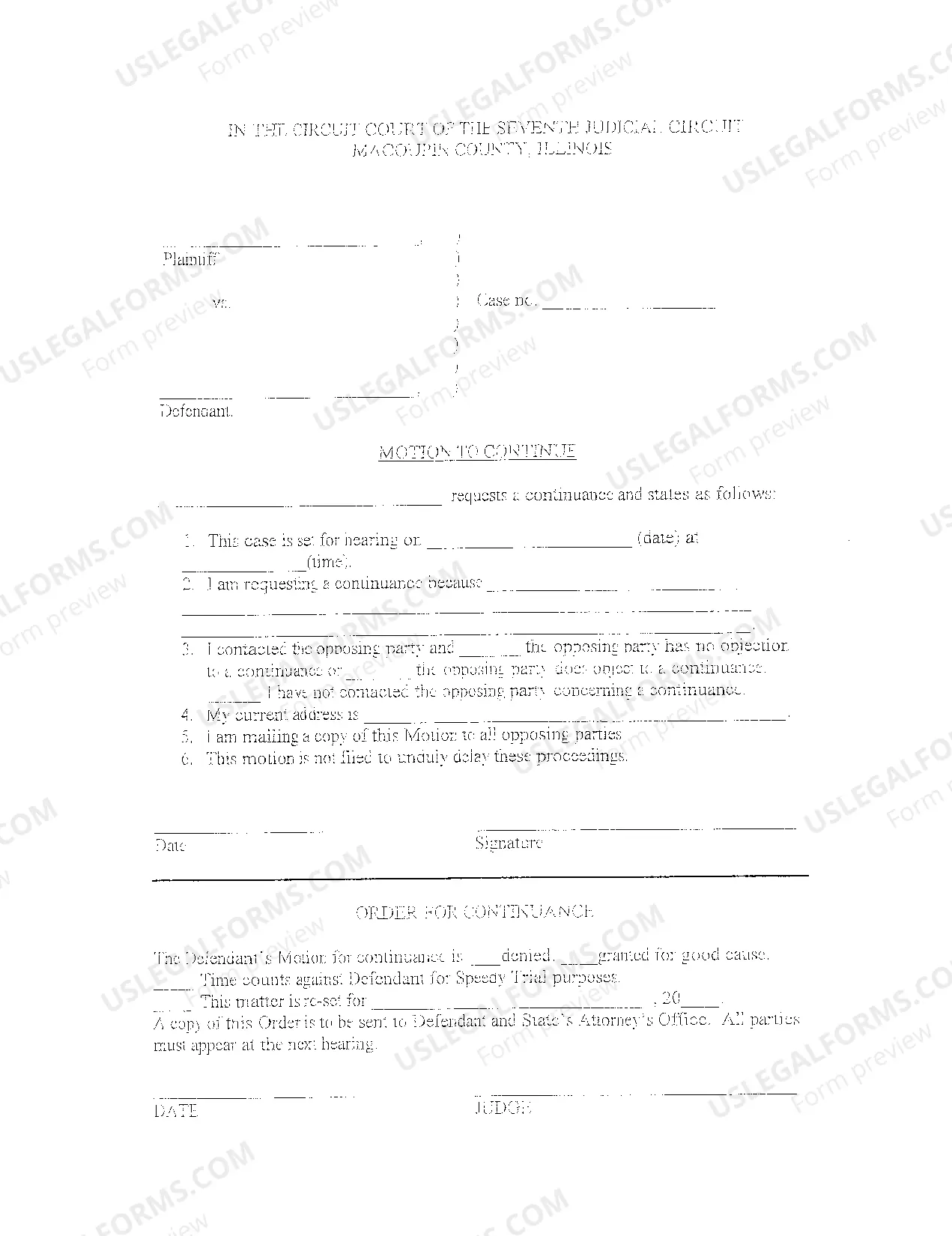
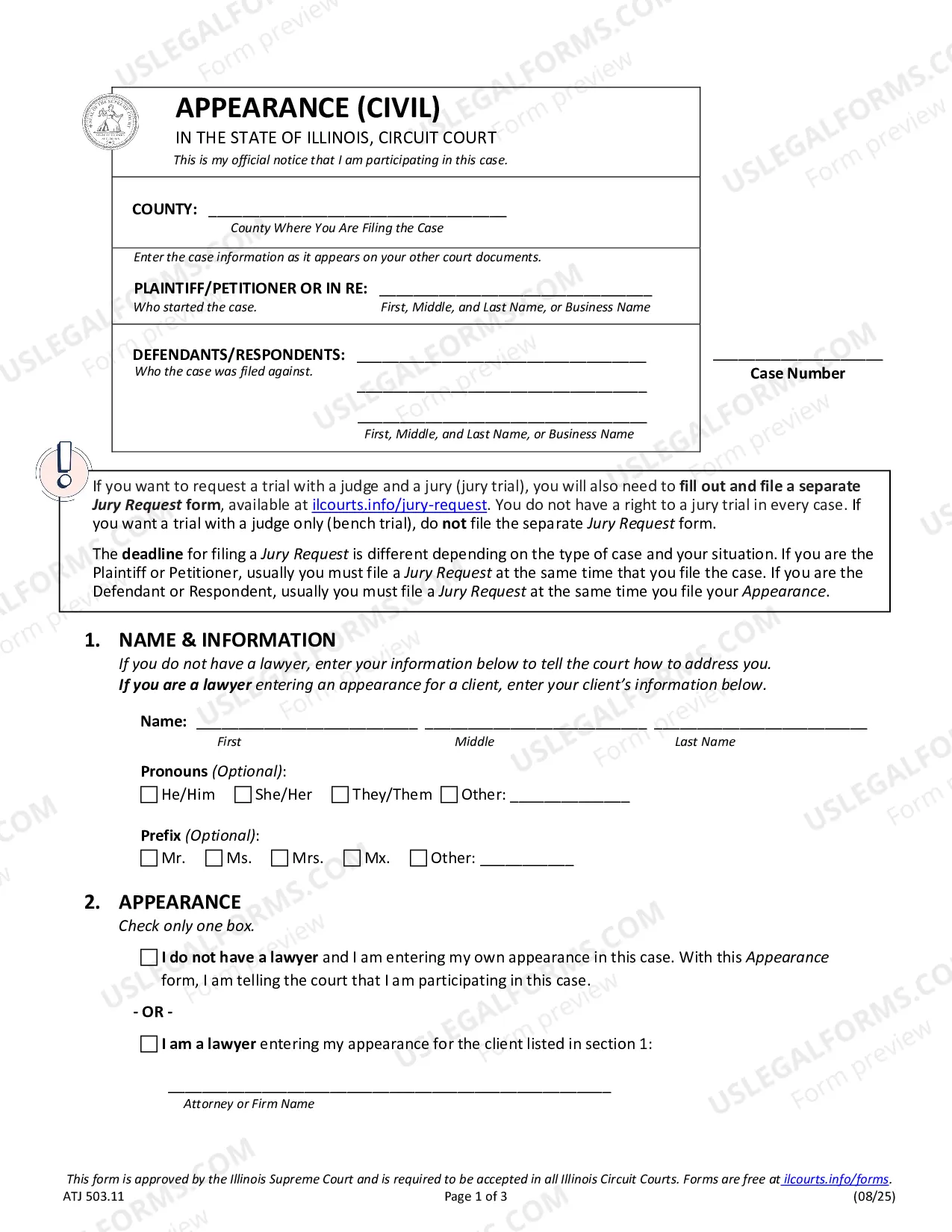
Form popularity
FAQ
Forestland Ownership In terms of ownership, the federal government manages 61% of Oregon forests; private owners manage 34%; state and county governments manage 4%; and Native American tribes manage 2%.
The Oregon Forest Practices Act (FPA) sets standards for all commercial activities involving the establishment, management, or harvesting of trees on Oregon's non-federal forestlands. Oregon law gives the Board of Forestry primary responsibility to interpret the FPA and set rules for forest practices.
Clearcutting is limited by state law Oregon rules limit the size of clearcuts (when a forestland owner removes most of the trees in a given area) to 120 acres. Clearcuts must be no closer than 300 feet to another clearcut.
Oregon was the first state to have rules required the replanting of trees after a timber harvest. Reforestation rules ensure the continuous harvest of timber on private lands. The Oregon Forest Practices Act regulates activities on forestland including reforestation.
Its forests are diverse and provide important habitat for fish and wildlife. Oregon's Forest Action Plan maps three types of high priority forests: those facing landscape wildfire risk, those vulnerable to conversion out of forest use, and those with important fish and wildlife habitats.
There is no law in Oregon requiring landowners to get permission from any neighbors before logging. Logging on all private land in Oregon is governed exclusively by the Oregon Forest Practices Act. Unlike in some states, Oregon counties are not allowed to have their own forestry rules.
The general public owns most of Oregon's forests, which are held by the federal government or the state of Oregon. Private landowners of both large and small tracts of forestland own 34 percent of Oregon's forests. The remaining 2 percent of forests is in tribal ownership.
ODF manages approximately 745,000 acres of forestlands across Oregon. These state forestlands are actively managed under forest management plans to provide economic, environmental, and social benefits to Oregonians.
The Oregon Forest Practices Act (FPA) sets standards for all commercial activities involving the establishment, management, or harvesting of trees on Oregon's non-federal forestlands. Oregon law gives the Board of Forestry primary responsibility to interpret the FPA and set rules for forest practices.
Clearcutting is limited by state law Oregon rules limit the size of clearcuts (when a forestland owner removes most of the trees in a given area) to 120 acres. Clearcuts must be no closer than 300 feet to another clearcut.
