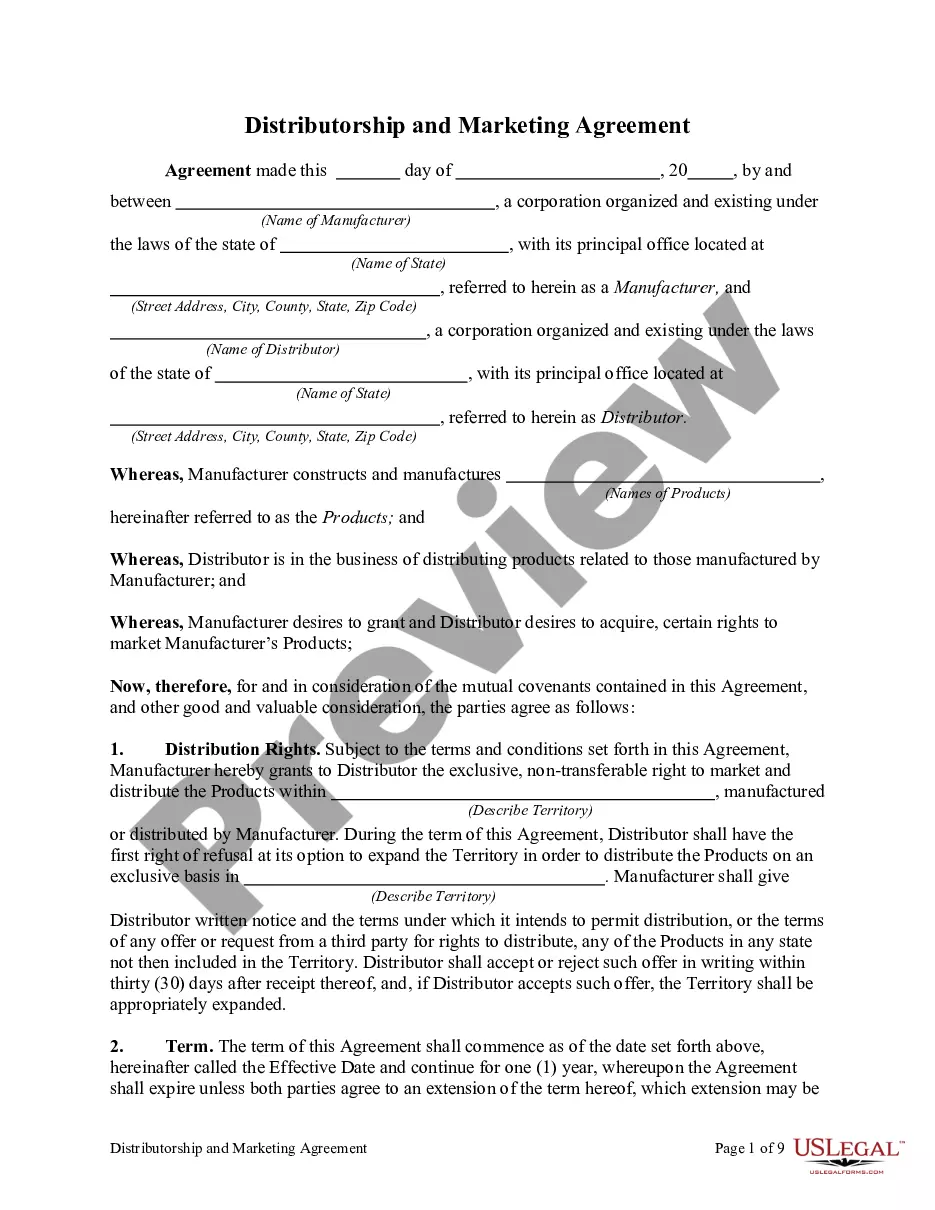
Cost Plus Contract For Contractors In Pennsylvania
Description


Get your form ready online
Our built-in tools help you complete, sign, share, and store your documents in one place.
Make edits, fill in missing information, and update formatting in US Legal Forms—just like you would in MS Word.
Download a copy, print it, send it by email, or mail it via USPS—whatever works best for your next step.
Sign and collect signatures with our SignNow integration. Send to multiple recipients, set reminders, and more. Go Premium to unlock E-Sign.
If this form requires notarization, complete it online through a secure video call—no need to meet a notary in person or wait for an appointment.
We protect your documents and personal data by following strict security and privacy standards.

Make edits, fill in missing information, and update formatting in US Legal Forms—just like you would in MS Word.

Download a copy, print it, send it by email, or mail it via USPS—whatever works best for your next step.

Sign and collect signatures with our SignNow integration. Send to multiple recipients, set reminders, and more. Go Premium to unlock E-Sign.

If this form requires notarization, complete it online through a secure video call—no need to meet a notary in person or wait for an appointment.

We protect your documents and personal data by following strict security and privacy standards.
Looking for another form?







Form popularity
FAQ
The contract should describe, in detail, the products to be used and how the work will be performed, i.e., size, color, who will be doing what work, amounts of materials provided, manufacturer model number, etc. There must be a detailed, written payment schedule in the contract.
Consideration: The parties must exchange something of value. Without such an exchange, there is no agreement. Offer and Acceptance: One party must make an offer, and the other must accept it. Mutual Consent: Both parties agree to the terms without coercion.
This should include the scope of work to be performed, any confidentiality agreements, ownership of work, payment terms, payment schedule as well as any operational or legal parameters unique to your business.
Pennsylvania has strict criminal laws that apply to contractors who negotiate contracts and perform home improvement jobs. A conviction for home improvement fraud can impact your freedom and privilege to work as a contractor in the future.
Pennsylvania's statute of repose sets a hard deadline of 12 years after the completion of construction for bringing any action related to construction defects. This applies regardless of when the defect was discovered, with some exceptions for fraud or intentionally concealed defects.
As a general rule of thumb your contractor rate should be at least 50% more than you'd get for the same work as an employee.
Lawsuits filed by owners against contractors are usually filed in civil court. To obtain more information on suing a contractor in Pennsylvania, an individual should reach out to a local attorney in Pennsylvania.