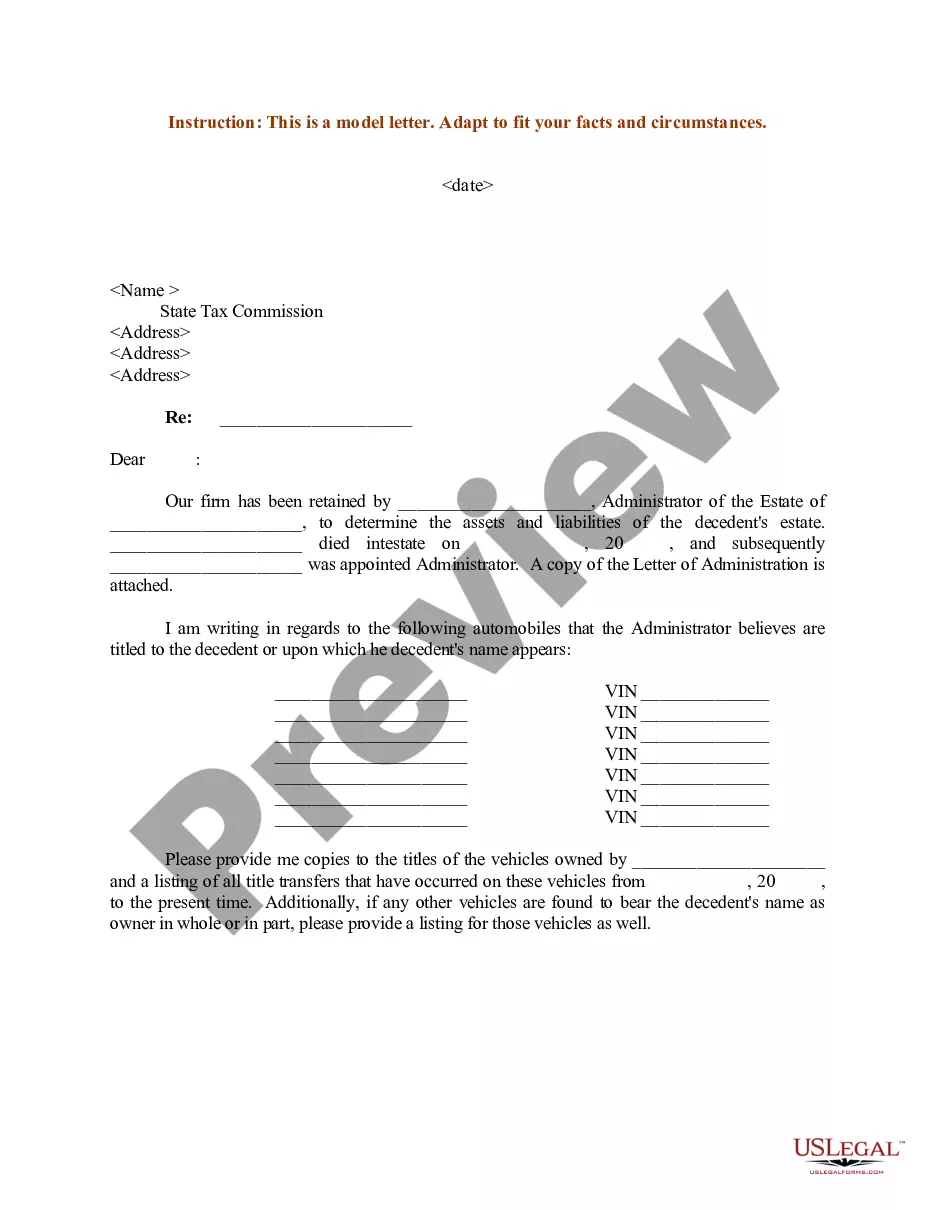
Contractor Work Project With Gst In North Carolina
Description

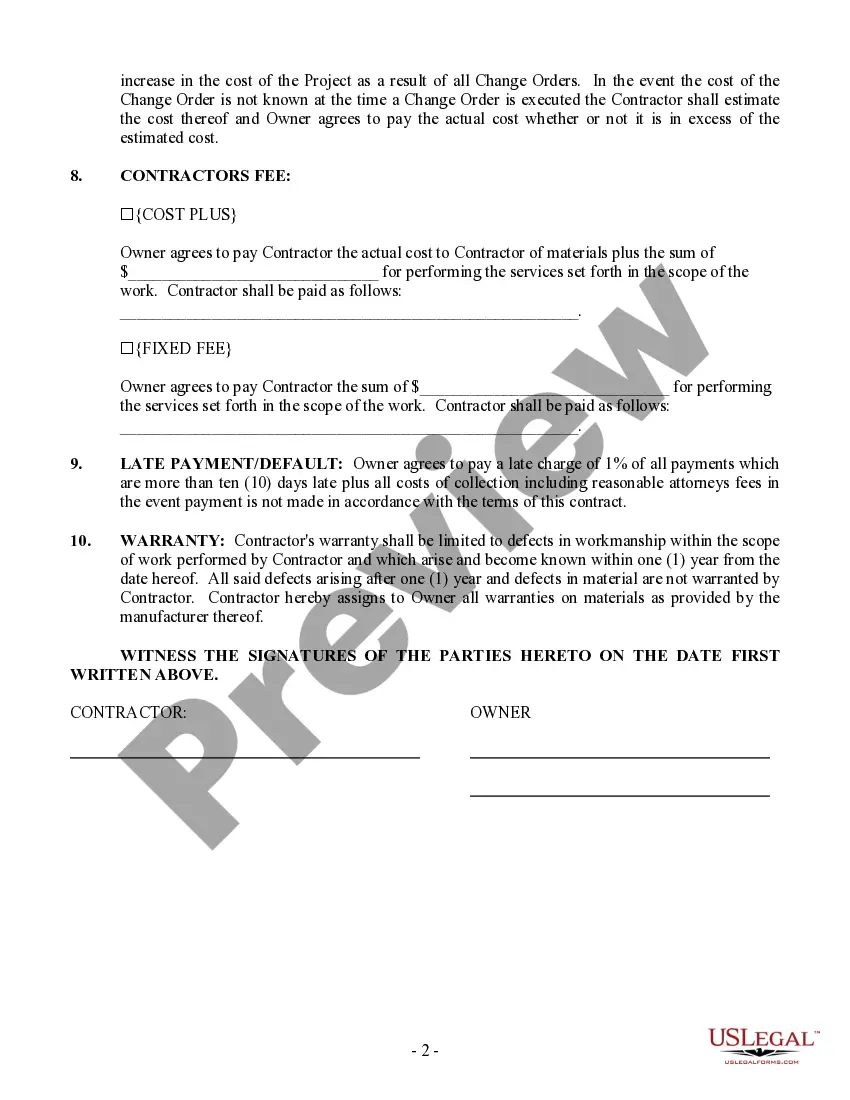
Get your form ready online
Our built-in tools help you complete, sign, share, and store your documents in one place.
Make edits, fill in missing information, and update formatting in US Legal Forms—just like you would in MS Word.
Download a copy, print it, send it by email, or mail it via USPS—whatever works best for your next step.
Sign and collect signatures with our SignNow integration. Send to multiple recipients, set reminders, and more. Go Premium to unlock E-Sign.
If this form requires notarization, complete it online through a secure video call—no need to meet a notary in person or wait for an appointment.
We protect your documents and personal data by following strict security and privacy standards.

Make edits, fill in missing information, and update formatting in US Legal Forms—just like you would in MS Word.

Download a copy, print it, send it by email, or mail it via USPS—whatever works best for your next step.

Sign and collect signatures with our SignNow integration. Send to multiple recipients, set reminders, and more. Go Premium to unlock E-Sign.

If this form requires notarization, complete it online through a secure video call—no need to meet a notary in person or wait for an appointment.

We protect your documents and personal data by following strict security and privacy standards.
Looking for another form?






Form popularity
FAQ
In North Carolina, self-employed individuals must also file a state income tax return. The state income tax rate is a flat rate of 5.25% as of 2023. Self-employed individuals must report their income using Form D-400, the North Carolina Individual Income Tax Return.
Services in North Carolina are generally not taxable, with important exceptions: if the service you provide includes creating or manufacturing a product, you may have to deal with the sales tax on products. some counties also consider a limited number of services (such as laundry and dry cleaning) taxable.
Gross receipts derived from repair, maintenance, and installation services and the sales and use tax thereon are to be reported to the Department on Form E-500, Sales and Use Tax Return, or through the Department's online filing and payment system.
Currently, the following services are taxable: Dry Cleaning and Laundry Services. Telecommunications Service and Ancillary Service. Prepaid Telephone Calling Service. Video Programming Service. Satellite Digital Audio Radio Service. Admission Charges to an Entertainment Activity. Service Contracts.
Some goods are exempt from sales tax under North Carolina law. Examples include most non-prepared food items, food stamps, and medical supplies. We recommend businesses review the laws and rules put forth by the NCDOR to stay up to date on which goods are taxable and which are exempt, and under what conditions.
An NC general contractor license is required for any project $40,000 or more. Navigating the North Carolina Licensing Board for General Contractors can be confusing. You must understand the licensing requirements, which type of license to apply for and how the application process works.
Anything below $40,000 as of October 1st, 2023, is fine. You don't have to have a general contractor license in the state of North Carolina to do any sort of work that would be qualified as a general contracting type job.
Get yourself a contracting license. It is common for a city or county to only allow independent contractors to work if they have a contracting license.
Services in North Carolina are generally not taxable, with important exceptions: if the service you provide includes creating or manufacturing a product, you may have to deal with the sales tax on products. some counties also consider a limited number of services (such as laundry and dry cleaning) taxable.