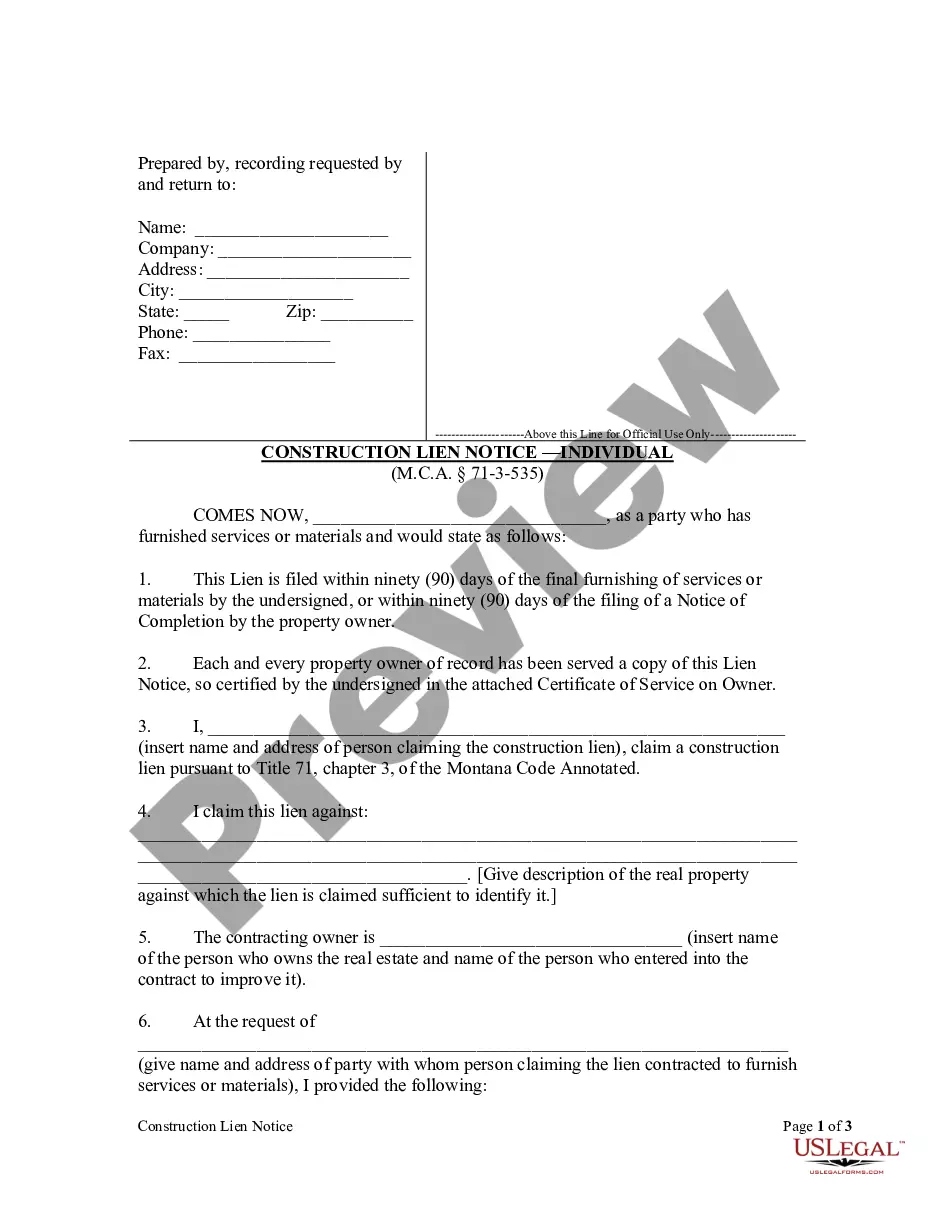
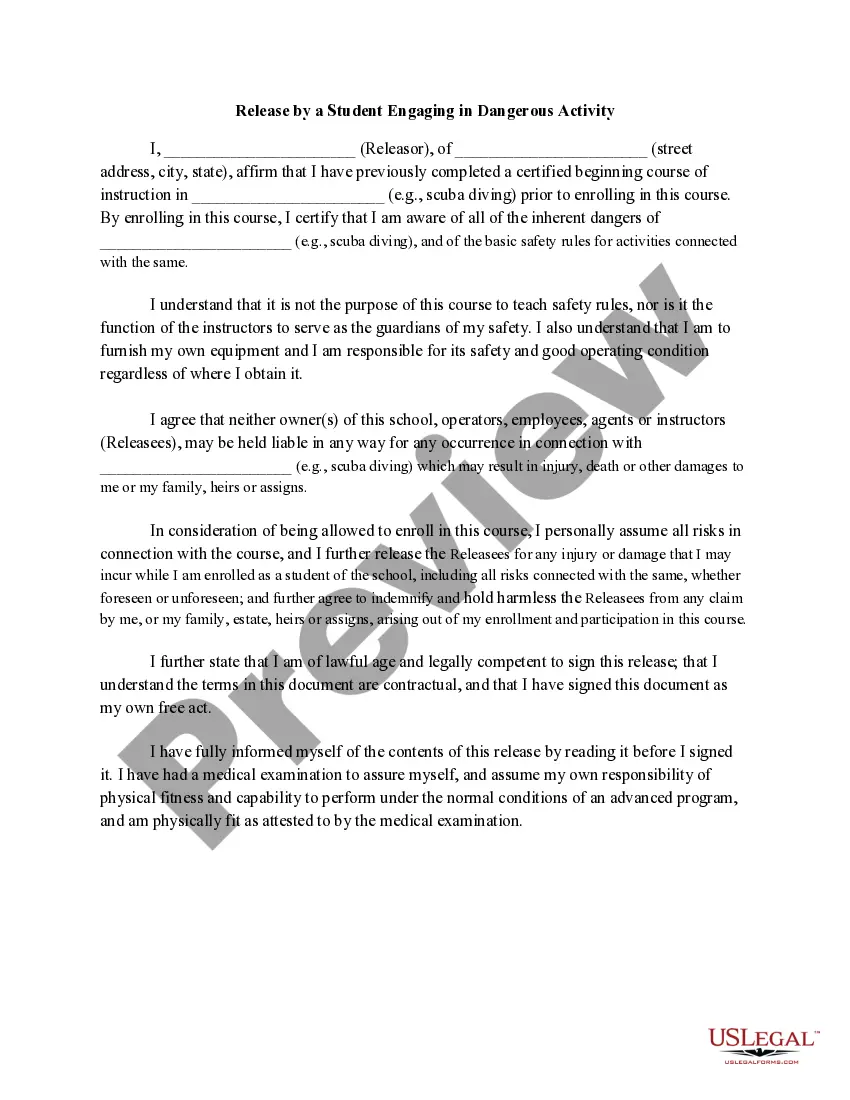
Construction Contracts In Uk In North Carolina
Description


Get your form ready online
Our built-in tools help you complete, sign, share, and store your documents in one place.
Make edits, fill in missing information, and update formatting in US Legal Forms—just like you would in MS Word.
Download a copy, print it, send it by email, or mail it via USPS—whatever works best for your next step.
Sign and collect signatures with our SignNow integration. Send to multiple recipients, set reminders, and more. Go Premium to unlock E-Sign.
If this form requires notarization, complete it online through a secure video call—no need to meet a notary in person or wait for an appointment.
We protect your documents and personal data by following strict security and privacy standards.

Make edits, fill in missing information, and update formatting in US Legal Forms—just like you would in MS Word.

Download a copy, print it, send it by email, or mail it via USPS—whatever works best for your next step.

Sign and collect signatures with our SignNow integration. Send to multiple recipients, set reminders, and more. Go Premium to unlock E-Sign.

If this form requires notarization, complete it online through a secure video call—no need to meet a notary in person or wait for an appointment.

We protect your documents and personal data by following strict security and privacy standards.
Looking for another form?




Form popularity
FAQ
An NC general contractor license is required for any project $40,000 or more. Navigating the North Carolina Licensing Board for General Contractors can be confusing. You must understand the licensing requirements, which type of license to apply for and how the application process works.
JCT contracts facilitate the process of constructing buildings. In simple terms, contracts set out the responsibilities of all parties within the construction process and their obligations, so it is clear as to what work needs to be done, who is doing it, when are they doing it by, and for how much.
A contract that cannot, by its own terms, be performed within one year from the day after the contract is formed does not need to be in writing to be enforceable under the Statute of Frauds.
For contract formation, the offer and acceptance are essential terms. The offer and acceptance form the agreement between the parties. The offer must be communicated, it must be complete and the offer must be accepted in its exact terms. Mutuality of agreement is a must.
Delegation of performance; assignment of rights. (1) A party may perform his duty through a delegate unless otherwise agreed or unless the other party has a substantial interest in having his original promisor perform or control the acts required by the contract.
Anything below $40,000 as of October 1st, 2023, is fine. You don't have to have a general contractor license in the state of North Carolina to do any sort of work that would be qualified as a general contracting type job.
JCT contracts facilitate the process of constructing buildings. In simple terms, contracts set out the responsibilities of all parties within the construction process and their obligations, so it is clear as to what work needs to be done, who is doing it, when are they doing it by, and for how much.
Broadly speaking, the JCT contract centres on liabilities and risk in the way a traditional contract would, whereas NEC commands and enables a proactive and collaborative approach to managing the contract. It is critical to understand the details of both contract types to assess their benefits and disadvantages.
JCT: Offers less flexibility once the contract is signed. NEC: Designed to be flexible, allowing changes and variations with mutual agreement. FIDIC: Slightly less flexible but well-structured for international projects with clear guidelines for changes.
