Construction Contract Form With Material In New York
Description

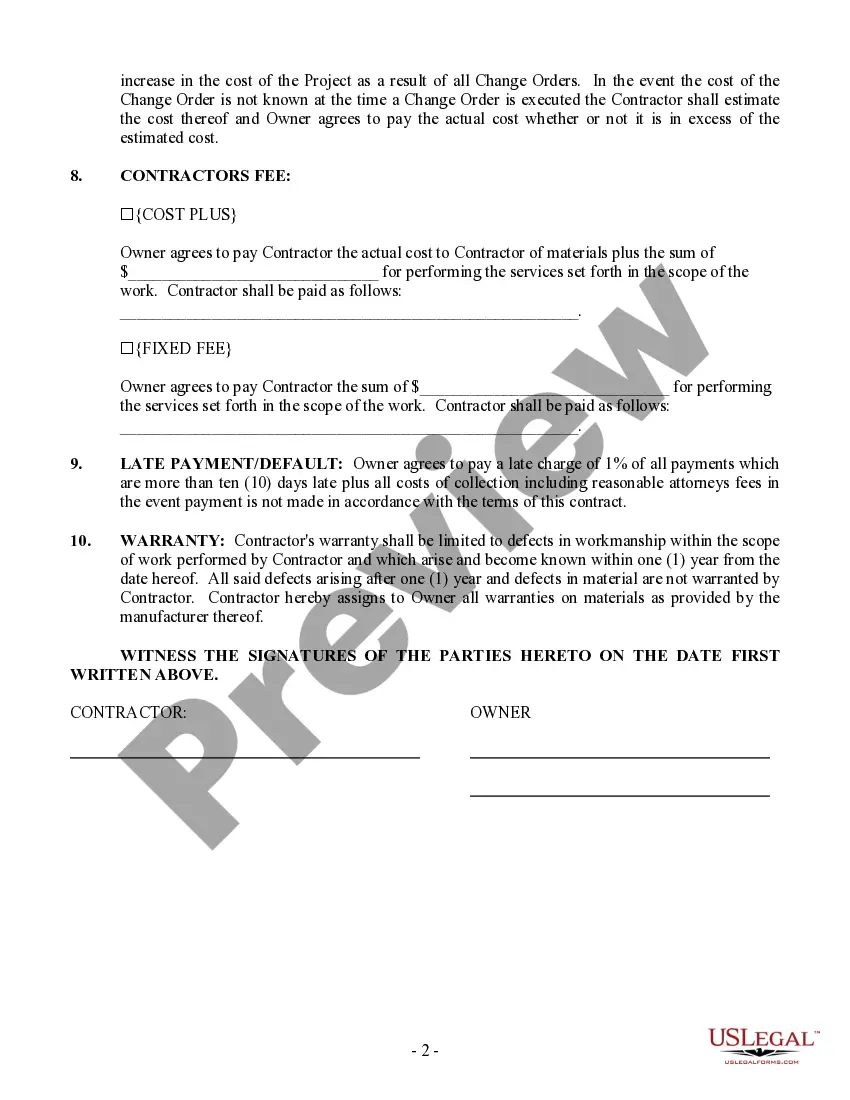
Get your form ready online
Our built-in tools help you complete, sign, share, and store your documents in one place.
Make edits, fill in missing information, and update formatting in US Legal Forms—just like you would in MS Word.
Download a copy, print it, send it by email, or mail it via USPS—whatever works best for your next step.
Sign and collect signatures with our SignNow integration. Send to multiple recipients, set reminders, and more. Go Premium to unlock E-Sign.
If this form requires notarization, complete it online through a secure video call—no need to meet a notary in person or wait for an appointment.
We protect your documents and personal data by following strict security and privacy standards.

Make edits, fill in missing information, and update formatting in US Legal Forms—just like you would in MS Word.

Download a copy, print it, send it by email, or mail it via USPS—whatever works best for your next step.

Sign and collect signatures with our SignNow integration. Send to multiple recipients, set reminders, and more. Go Premium to unlock E-Sign.

If this form requires notarization, complete it online through a secure video call—no need to meet a notary in person or wait for an appointment.

We protect your documents and personal data by following strict security and privacy standards.
Looking for another form?

Form popularity
FAQ
How to draft a contract in 13 simple steps Start with a contract template. Understand the purpose and requirements. Identify all parties involved. Outline key terms and conditions. Define deliverables and milestones. Establish payment terms. Add termination conditions. Incorporate dispute resolution.
When writing a contract, you should include an introductory section that lists and defines all of the interested parties. A well-constructed contract will cover its duration and the specifics regarding the terms of the agreement between the parties. The tone of a contract should be formal and concise.
What is a standard form contract? While many contracts are entirely purpose made, standard form contracts consist of standardised, pre-written terms and conditions. Because standard form contracts are familiar to people in an industry, they often function effectively without the need for much negotiation.
How To Write A Construction Contract With 7 Steps Step 1: Define the Parties Involved. Step 2: Outline the Scope of Work. Step 3: Establish the Timeline. Step 4: Determine the Payment Terms. Step 5: Include Necessary Legal Clauses. Step 6: Address Change Orders and Modifications. Step 7: Sign and Execute the Contract.
With standardized contract templates, parties don't draft contracts from scratch. Predefined contracts for different roles and stakeholders make the editing and negotiation process smoother. In turn, businesses that opt to use contract templates enjoy redline solutions that make it easier to track and modify changes.
New York state law requires a contractor to provide a written contract for home improvement work. The contract should include a timeline for work to be completed, a payment schedule and as many specifics as possible about the project, such as types or brands of materials.
The preparation of construction contracts and the organisation of the project must be based on a strategic analysis of the requirements for project success and the challenges that might be encountered. What is project success? there are no material unresolved claims that require dispute resolution.
A standard form contract will typically be one prepared by one party to the contract and not negotiated between the parties—it is offered on a 'take it or leave it' basis.
What is a standard form contract? While many contracts are entirely purpose made, standard form contracts consist of standardised, pre-written terms and conditions. Because standard form contracts are familiar to people in an industry, they often function effectively without the need for much negotiation.