Jct Standard Building Contract Without Quantities In Montgomery
Description


Get your form ready online
Our built-in tools help you complete, sign, share, and store your documents in one place.
Make edits, fill in missing information, and update formatting in US Legal Forms—just like you would in MS Word.
Download a copy, print it, send it by email, or mail it via USPS—whatever works best for your next step.
Sign and collect signatures with our SignNow integration. Send to multiple recipients, set reminders, and more. Go Premium to unlock E-Sign.
If this form requires notarization, complete it online through a secure video call—no need to meet a notary in person or wait for an appointment.
We protect your documents and personal data by following strict security and privacy standards.
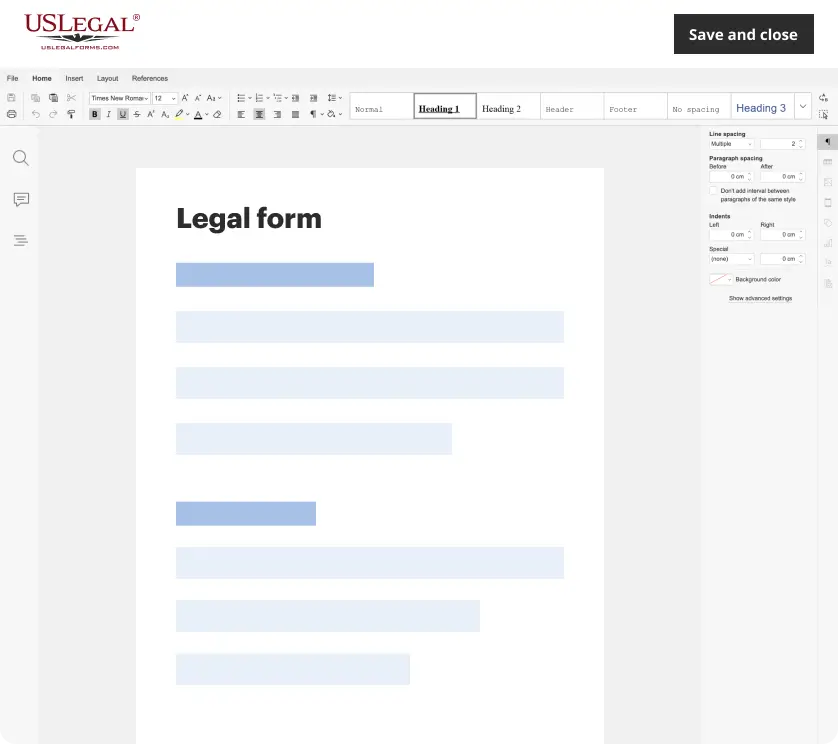
Make edits, fill in missing information, and update formatting in US Legal Forms—just like you would in MS Word.
Download a copy, print it, send it by email, or mail it via USPS—whatever works best for your next step.
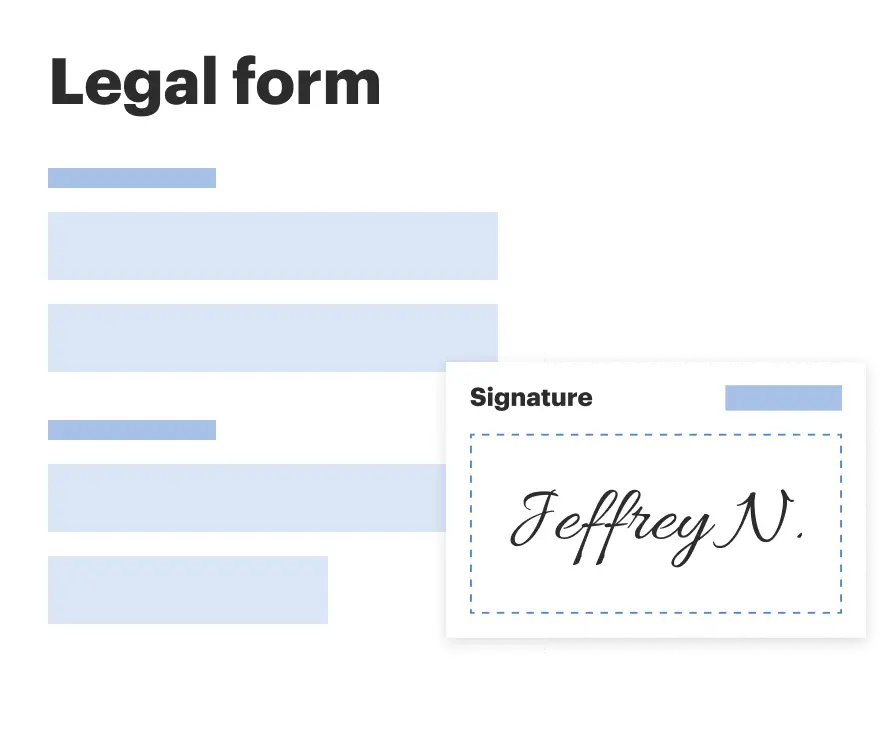
Sign and collect signatures with our SignNow integration. Send to multiple recipients, set reminders, and more. Go Premium to unlock E-Sign.
If this form requires notarization, complete it online through a secure video call—no need to meet a notary in person or wait for an appointment.
We protect your documents and personal data by following strict security and privacy standards.
Looking for another form?







Form popularity
FAQ
The plural form of quantity is quantities.
JCT contracts are known for being highly prescriptive. Although the standardised format may provide clarity, it can also limit flexibility. Each JCT contract is structured around a specific set of terms and clauses, which may not suit every project's unique needs or challenges.
The employer must provide drawings together with a description of works, and either a specification or work schedules at tender stage. The project is generally not complex enough to require bills of quantities.
Contracts 'with quantities' are priced on the basis of drawings and firm bills of quantities. 'Without quantities' means a contract priced on the basis of drawings and usually another document, such as a specification or work schedules.
The term 'without quantities' refers to a construction contract or tender documents that do not include specific measured quantities of the items of work identified by the drawings and specifications. It can be used on projects where it is not possible to prepare a bill of quantities (BOQ) at the time of tendering.
JCT contracts don't specify remedies for common issues. They rely on existing case law precedents to find a resolution. This can be complex and time-consuming, and seriously impact project timelines.
Below, we'll go into more detail about each one-line aspect that could mean that your organization's contract process isn't working properly: No central storage location/no contract reporting. Friction between teams. Overloaded legal department. Long and opaque contract cycles. Lack of overview and missed contract deadlines.
A more important problem with the theory is that it is easy to exclude the poor, the dispossessed, the homeless, and the uneducated. These members of a society may not know the rules intended to govern member's behavior and do not benefit from the social contract.
