Construction Contract Form With Subcontractor In Michigan
Description


Get your form ready online
Our built-in tools help you complete, sign, share, and store your documents in one place.
Make edits, fill in missing information, and update formatting in US Legal Forms—just like you would in MS Word.
Download a copy, print it, send it by email, or mail it via USPS—whatever works best for your next step.
Sign and collect signatures with our SignNow integration. Send to multiple recipients, set reminders, and more. Go Premium to unlock E-Sign.
If this form requires notarization, complete it online through a secure video call—no need to meet a notary in person or wait for an appointment.
We protect your documents and personal data by following strict security and privacy standards.

Make edits, fill in missing information, and update formatting in US Legal Forms—just like you would in MS Word.

Download a copy, print it, send it by email, or mail it via USPS—whatever works best for your next step.

Sign and collect signatures with our SignNow integration. Send to multiple recipients, set reminders, and more. Go Premium to unlock E-Sign.

If this form requires notarization, complete it online through a secure video call—no need to meet a notary in person or wait for an appointment.

We protect your documents and personal data by following strict security and privacy standards.
Looking for another form?





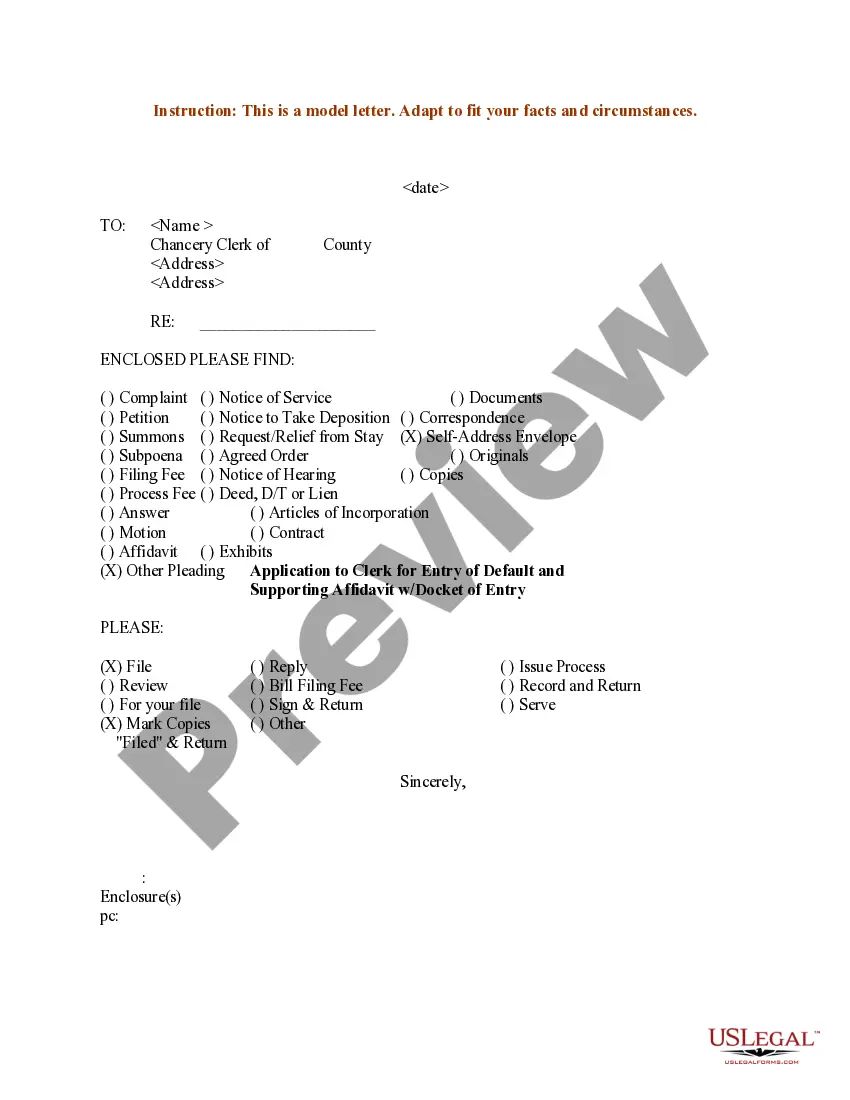
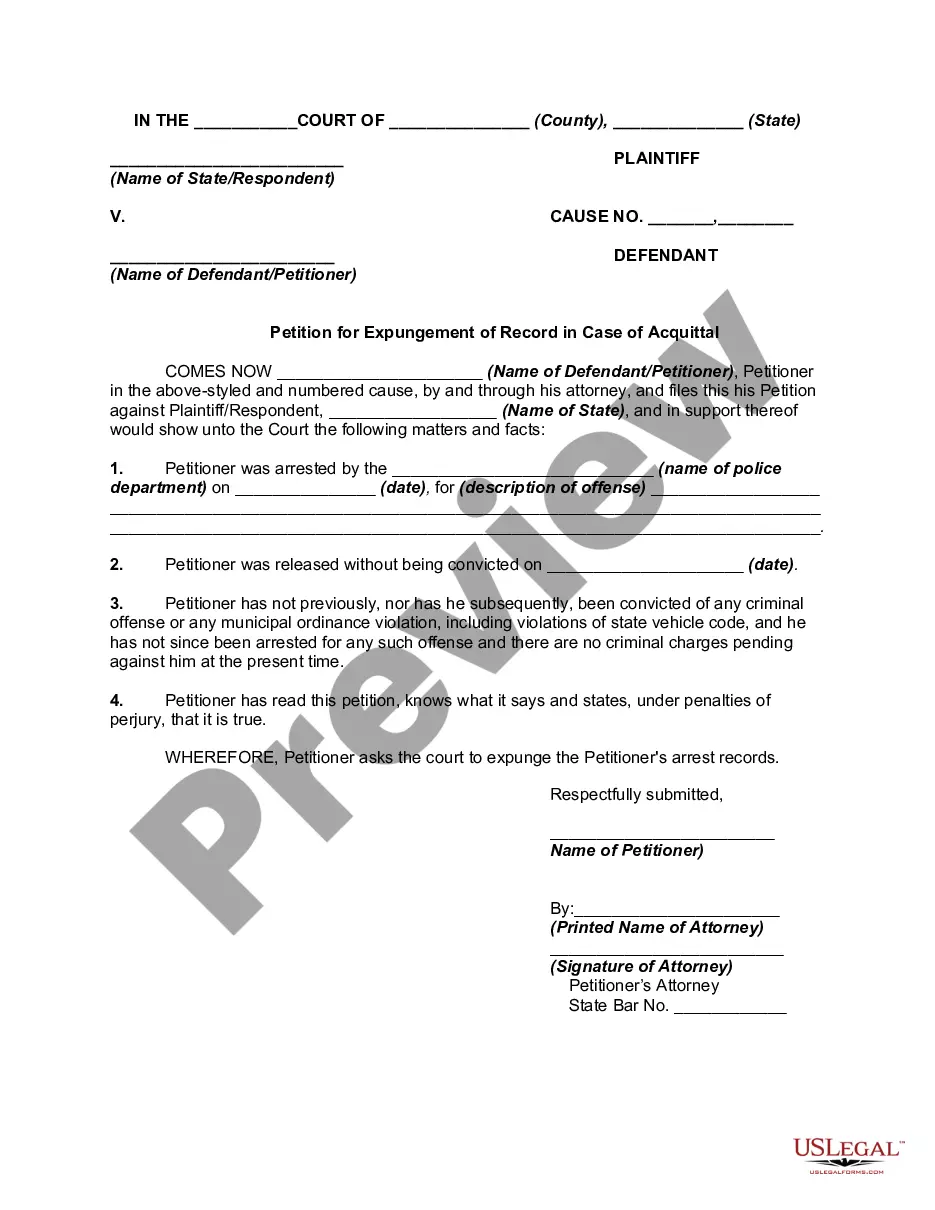



Form popularity
FAQ
General contracting businesses working on projects valued at less than $600 do not require a license. Just about everyone else needs to carry one, and we'll go further into that in a bit. Also, all Michigan businesses have to register with the state's Department of Treasury.
Michigan. You do noYou do not need a license to work as a handyman in Michigan unless you offer services such as masonry, insulation, siding, or roofing. If you do, you will need to obtain a Maintenance and Alteration Contractor License, which requires: 60 hours of educational training courses.
8 things a subcontractor agreement should include Business information. Include names, businesses names, and contact information for both the subcontractor and the hiring contractor. Scope of work. Payment terms. Change orders. Licensing and insurance coverage. Dispute resolution. Termination clause. Flow-down provisions.
If you're starting a new construction business or looking to run one in Michigan for the first time, Michigan's licensing requirements are pretty stringent: Just about every contractor working within the state needs to carry a license or registration of some sort.
The Supreme Court of Michigan's decision confirms that the homeowner may still file a lawsuit to pursue any damages for the unlicensed builder's breach of contract. Moreover, the contractor cannot respond in kind and sue the homeowner, because that contractor was not licensed when the work was performed.
Michigan construction contract requirements Only residential construction contracts are regulated in Michigan. Such contracts must be in writing, include the contractor's license number (if a license is required), and cite the statute that requires the contractor to be licensed for their particular trade.
12 Key Components of a Subcontractor Agreement Identification of Parties. Insurance and Licensing Requirements. Scope of Work. Payment Terms and Conditions. Project Schedule and Duration. Material and Equipment. Change Order Procedures. Quality Standards and Compliance.
Write the contract in six steps Start with a contract template. Open with the basic information. Describe in detail what you have agreed to. Include a description of how the contract will be ended. Write into the contract which laws apply and how disputes will be resolved. Include space for signatures.
Subcontractor agrees to be bound to Contractor by the terms of the Prime Contract and the other Subcontract Documents and to assume toward Contractor all the obligations and responsibilities that Contractor by those documents assumes toward the Owner.
What to Include Identification – The names and addresses of the contractor and subcontractor. Scope of Work – The services that the subcontractor agrees to provide, as well as the work's proposed start and end date. Work Location – The address or a description of where the work is to be performed.
