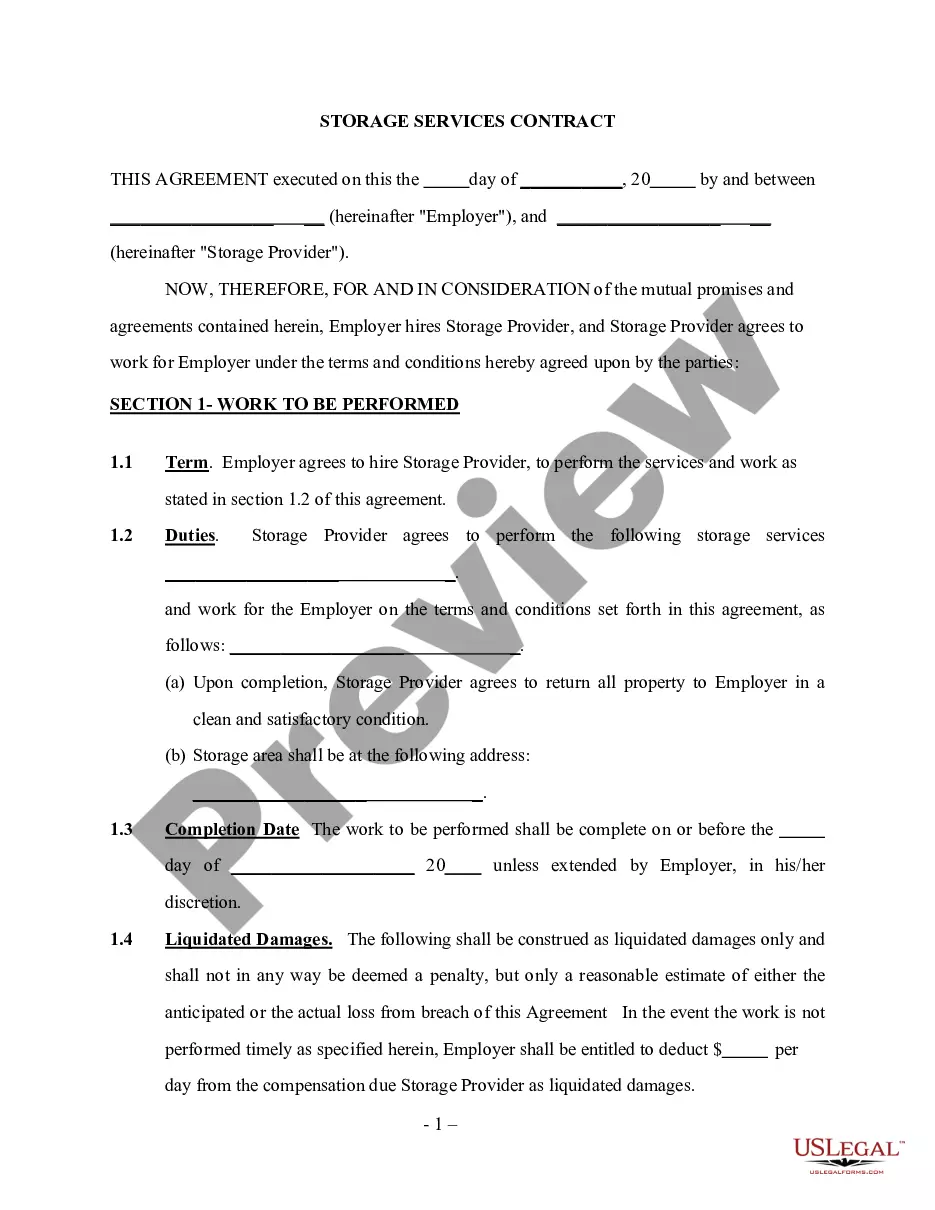
Contract Contractor Building Without Permit Consequences In Miami-Dade
Description





Form popularity
FAQ
In Florida, unlicensed contracting is typically charged as a first degree misdemeanor, with penalties of up to one year in jail, twelve months of probation, and a $1,000.00 fine. However, these penalties are usually for first time offenders.
The following buildings, structures and facilities are exempt from the Florida Building Code as provided by law: Building and structures specifically regulated and preempted by the federal government. Railroads and ancillary facilities associated with the railroad. Nonresidential farm buildings on farms.
Florida sellers are required by law to disclose unpermitted work at the time of the sale of the home.
If the contractor involved is state licensed, you need to also file a complaint with the State of Florida Department of Business and Professional Regulation (DBPR). For information on the filing of complaints with DBPR, please call 305-470- 5617.
If you choose to ignore the notice of the Code Enforcement Officer, you will receive a citation and be brought before the Code Enforcement Board, where you may be fined and be required to remove the unpermitted work.
If unlicensed activity is discovered, report it to the Florida unlicensed activity hotline at 866-532-1440. Obtain at least three written and itemized estimates for any proposed work, including a clear statement of the work to be performed and all costs.
When dealing with construction and renovation, hiring a licensed contractor is critical to ensuring quality work and legal compliance. In Florida, unlicensed contracting is not only a risky affair for homeowners and businesses but also a legal issue that can result in criminal charges and civil actions.
In Florida, unlicensed contracting is typically charged as a first degree misdemeanor, with penalties of up to one year in jail, twelve months of probation, and a $1,000.00 fine. However, these penalties are usually for first time offenders.
In conclusion, obtaining a contractor's license is important in Florida for almost all types of construction work. If you don't want to obtain a license, you can become a subcontractor for a general contractor who has a license or obtain an occupational license in most counties.
Minor repairs include but are not limited to: Small electrical work and plumbing work is allowed. Caulking and painting. Tile cleaning and repair. Basic yard work and maintenance. Minor carpentry. Replacement and repair of interior doors and windows.
