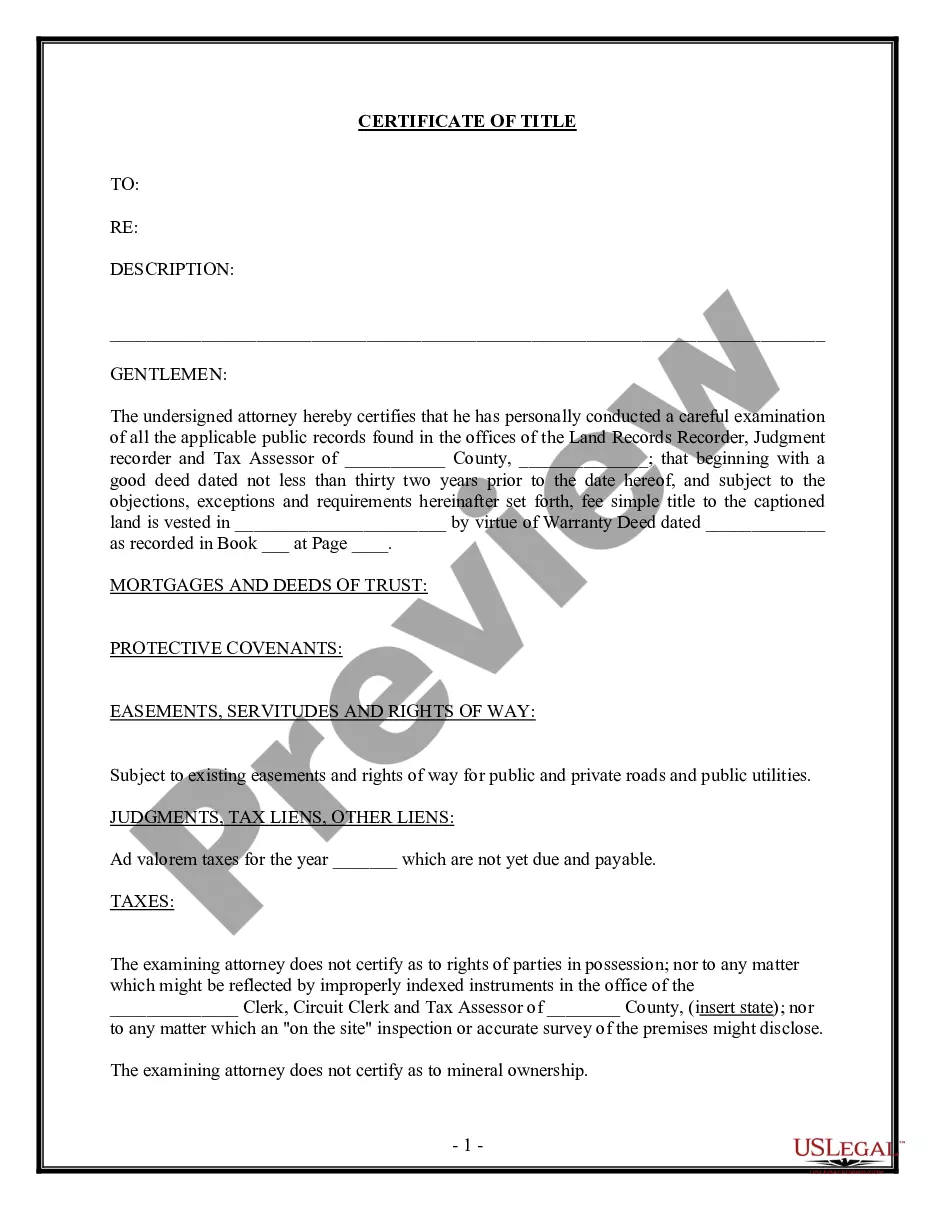
Construction Contracts Former Provisions Act In Maricopa
Description

Get your form ready online
Our built-in tools help you complete, sign, share, and store your documents in one place.
Make edits, fill in missing information, and update formatting in US Legal Forms—just like you would in MS Word.
Download a copy, print it, send it by email, or mail it via USPS—whatever works best for your next step.
Sign and collect signatures with our SignNow integration. Send to multiple recipients, set reminders, and more. Go Premium to unlock E-Sign.
If this form requires notarization, complete it online through a secure video call—no need to meet a notary in person or wait for an appointment.
We protect your documents and personal data by following strict security and privacy standards.

Make edits, fill in missing information, and update formatting in US Legal Forms—just like you would in MS Word.

Download a copy, print it, send it by email, or mail it via USPS—whatever works best for your next step.

Sign and collect signatures with our SignNow integration. Send to multiple recipients, set reminders, and more. Go Premium to unlock E-Sign.

If this form requires notarization, complete it online through a secure video call—no need to meet a notary in person or wait for an appointment.

We protect your documents and personal data by following strict security and privacy standards.
Looking for another form?








Form popularity
FAQ
To be legally enforceable, an agreement must contain all of the following criteria: An offer and acceptance; Certainty of terms; Consideration; An intention to create legal relations; Capacity of the parties; and, Legality of purpose.
A contract will only be legally binding upon the contracting parties if the following requirements are complied with: consensus, contractual capacity, certainty, possibility, legality and formalities. 39 The above requirements will be discussed next. 39Para 1 1 above.
A construction contract is a mutual or legally binding agreement between two parties based on policies and conditions recorded in document form. The two parties involved are one or more property owners and one or more contractors.
Lesson Summary. A contract is a legal agreement between two or more parties in which they agree to each other's rights and responsibilities. Offer, acceptance, awareness, consideration, and capacity are the five elements of an enforceable contract.
How To Write A Construction Contract With 7 Steps Step 1: Define the Parties Involved. Step 2: Outline the Scope of Work. Step 3: Establish the Timeline. Step 4: Determine the Payment Terms. Step 5: Include Necessary Legal Clauses. Step 6: Address Change Orders and Modifications. Step 7: Sign and Execute the Contract.
Of Civil Engineering, BMSCE. Page 4. ENGINEERING CONTRACT. It is a mutual agreement negotiated between two or more parties for the purpose of undertaking certain clearly specified/defined engineering work/actions/obligations on commercial basis and which is intended to be enforceable at law. Dheeraj Kumar N.
While the ROC enforces a two-year workmanship period for most construction components, shorter warranties apply to appliances, fixtures, and other items. Staying aware of these timelines ensures that homeowners can address issues promptly within the warranty periods.
For new construction, complaints against licensed contractors must be filed within two years from the close of escrow or actual occupancy, whichever occurred first. For remodel or repairs, complaints against licensed contractors must be filed within two years from the date work was last performed.
When is a contract legally binding? Typically, a document that includes an offer, acceptance, and appropriate consideration will be considered legally binding. In most cases, a contract is binding in Arizona even if the parties signed it in another state.
One of the most effective ways for a consumer to get a non-compliant or non-responsive contractor or subcontractor's attention is to file a complaint with the Arizona Registrar of Contractor (ROC), primarily because this will result in the ROC schedule an inspector from the Registrar's office to visit and inspect the ...