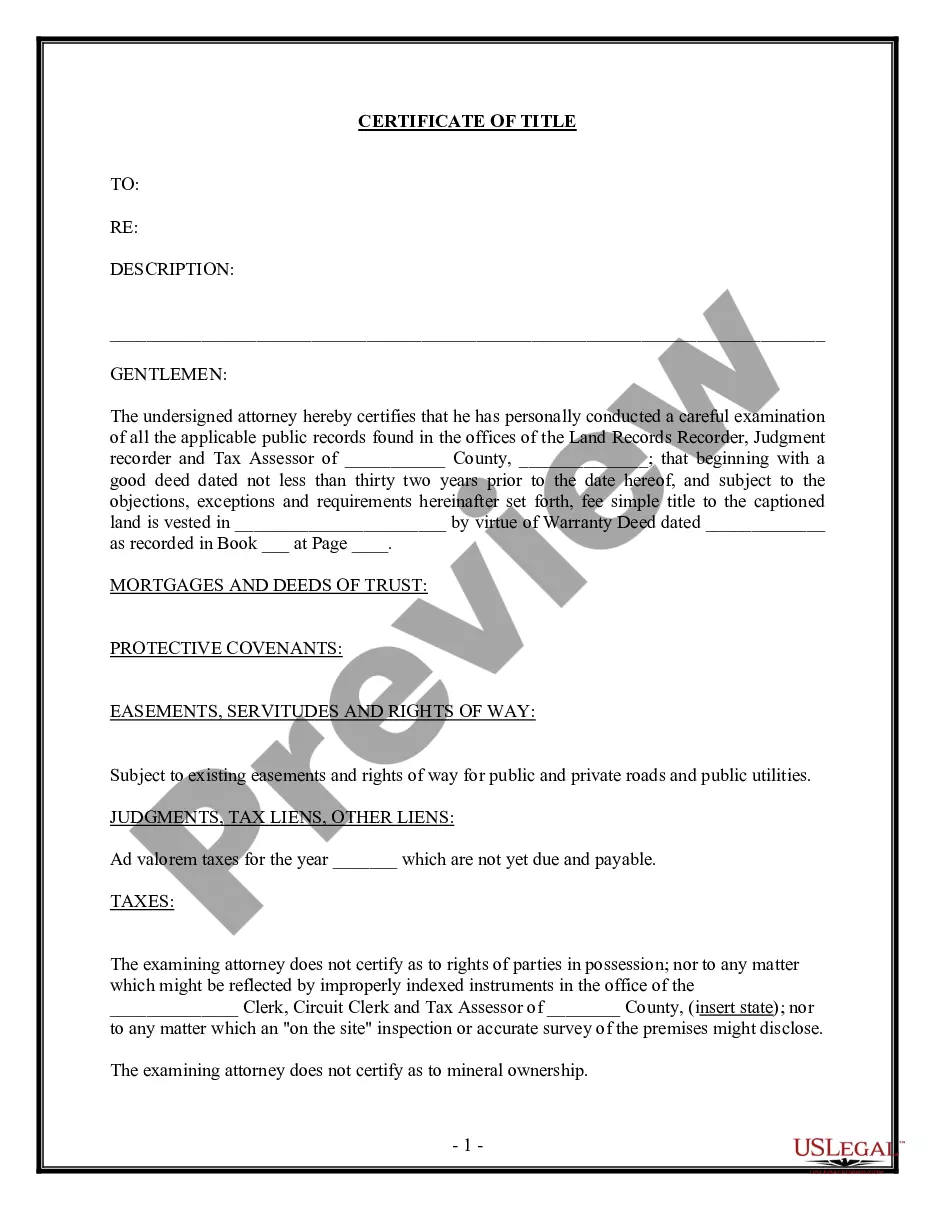
Construction Contracts Former Provisions Act In Kings
Description


Get your form ready online
Our built-in tools help you complete, sign, share, and store your documents in one place.
Make edits, fill in missing information, and update formatting in US Legal Forms—just like you would in MS Word.
Download a copy, print it, send it by email, or mail it via USPS—whatever works best for your next step.
Sign and collect signatures with our SignNow integration. Send to multiple recipients, set reminders, and more. Go Premium to unlock E-Sign.
If this form requires notarization, complete it online through a secure video call—no need to meet a notary in person or wait for an appointment.
We protect your documents and personal data by following strict security and privacy standards.

Make edits, fill in missing information, and update formatting in US Legal Forms—just like you would in MS Word.

Download a copy, print it, send it by email, or mail it via USPS—whatever works best for your next step.

Sign and collect signatures with our SignNow integration. Send to multiple recipients, set reminders, and more. Go Premium to unlock E-Sign.

If this form requires notarization, complete it online through a secure video call—no need to meet a notary in person or wait for an appointment.

We protect your documents and personal data by following strict security and privacy standards.
Looking for another form?







Form popularity
FAQ
In California, a written contract is required for all home improvement projects totaling over $500 in combined labor and material costs. There is also a statute of frauds, which stipulates that certain types of agreements must be in writing to be enforceable.
Provision is a term commonly used in the construction and building industry to refer to the inclusion of certain facilities, systems, or features in a building or structure during its design and construction phase, with the aim of ensuring that it meets specific requirements, standards, or regulations.
Full Name, Address, and Signatures of Both Parties Though this may sound obvious, this commonly overlooked element of construction contracts is required to make the contract legally binding.
A provision in a contract stipulates a condition or requirement. A clause is a section or subsection written into a contract, which may contain one or more provisions within it.
A provision is a legal clause that is designed to protect the interests of one or all of the parties involved in a contract. Understanding the provisions that are included in your construction contract is essential to the success of the construction project.
The term clause is a contractual provision that serves the simple, yet critical function of defining the period over which a contract has legal effect. In other words, it establishes when the contract begins and how long it will last.
What is a notice of payment? This is when your beneficiary receives an SMS, email or fax confirming your payment.
First and foremost, it has to be made clear for the employee, what the employer expects and until when the improvement has to be made. The notice has to refer to a concrete instance and name objective reasons. At the same time, the consequences of not obeying the notice have to be clearly described.
A Payment Notice is a formal document issued by a paying party (usually the contractor, employer, or client) to notify the receiving party (typically a subcontractor or supplier) with details of the amount due for the work completed during a specific valuation period and how it has been calculated.
To be valid, a Payment Notice must specify the amount due (the Notified Sum) and contain an explanation and or calculations behind how this 'amount due' has been arrived at. The original Application for Payment could become invalid as a default Payment Notice if it fails either of these two simple tests.