Construction Projects Are Examples Of In Georgia
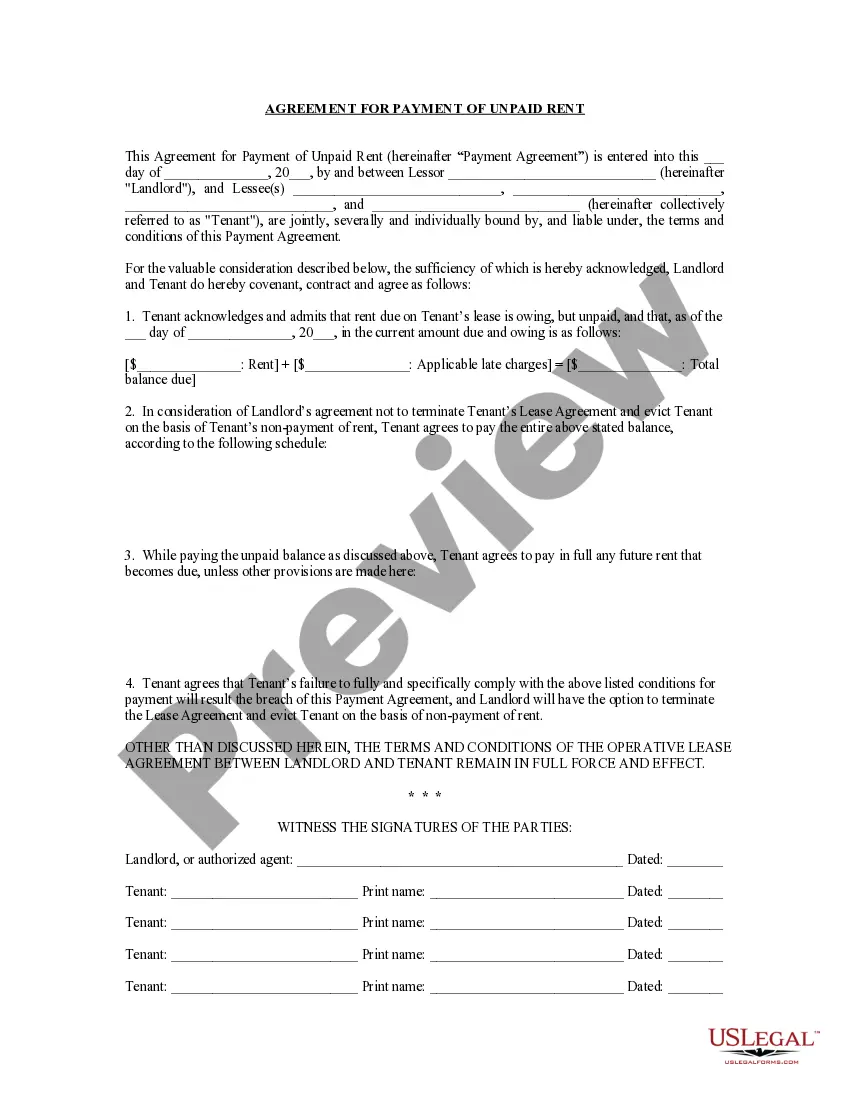
Description

Get your form ready online
Our built-in tools help you complete, sign, share, and store your documents in one place.
Make edits, fill in missing information, and update formatting in US Legal Forms—just like you would in MS Word.
Download a copy, print it, send it by email, or mail it via USPS—whatever works best for your next step.
Sign and collect signatures with our SignNow integration. Send to multiple recipients, set reminders, and more. Go Premium to unlock E-Sign.
If this form requires notarization, complete it online through a secure video call—no need to meet a notary in person or wait for an appointment.
We protect your documents and personal data by following strict security and privacy standards.

Make edits, fill in missing information, and update formatting in US Legal Forms—just like you would in MS Word.

Download a copy, print it, send it by email, or mail it via USPS—whatever works best for your next step.

Sign and collect signatures with our SignNow integration. Send to multiple recipients, set reminders, and more. Go Premium to unlock E-Sign.

If this form requires notarization, complete it online through a secure video call—no need to meet a notary in person or wait for an appointment.

We protect your documents and personal data by following strict security and privacy standards.
Looking for another form?


Form popularity
FAQ
The four main types include residential, commercial, industrial and infrastructure construction, but there are other types of construction as well as different ways to classify them, such as by sector, owner, occupancy or fire resistance.
The four main types of construction are: residential construction, commercial construction, industrial construction, and infrastructure construction.
Construction projects are often categorized based on their scale, the types of structures being built, and the purpose of the project (also called “end use” or “land use”). Broadly, there are six types of construction projects: residential, commercial, institutional, mixed-use, industrial, and heavy civil.
Construction projects are often categorized based on their scale, the types of structures being built, and the purpose of the project (also called “end use” or “land use”). Broadly, there are six types of construction projects: residential, commercial, institutional, mixed-use, industrial, and heavy civil.
Urban infrastructure: streets, parks, public lighting, gardens, etc. Transport infrastructure: land routes (such as freeways, roads, or highways), maritime routes (such as ports and canals), air transport (such as airports),and rail (such as railways and train stations).
Examples of Civil Construction Projects – Civil construction includes a wide range of infrastructure projects such as bridge construction, roadways, railroads, wastewater treatment plants, dam construction, flood control projects, and major transportation hubs like airports and ports.
What are the Types of Projects? Small-Scale Projects. There is typically a limited scope and fewer resources involved in small-scale projects. Medium-Scale Projects. Medium-scale projects encompass a broader scope than small-scale projects but are less extensive than large-scale endeavors. Large-Scale Projects.
Scope, Schedule, Budget; Three legs of equal importance and strength, working together to support one central vision.
Pre-Construction Phase. The pre-construction phase includes creating a strategic plan for the project, creating a design, securing permits or entitlements, and gathering the labor and resources required for construction. Construction Phase. Post- Construction Phase.
There are three broad categories of projects to consider: Strategic Projects, Operational Projects, and Compliance Projects (Figure 1.1). Strategic Projects involve creating something new and innovative.
