Construction Contract Format In Georgia
Description


Get your form ready online
Our built-in tools help you complete, sign, share, and store your documents in one place.
Make edits, fill in missing information, and update formatting in US Legal Forms—just like you would in MS Word.
Download a copy, print it, send it by email, or mail it via USPS—whatever works best for your next step.
Sign and collect signatures with our SignNow integration. Send to multiple recipients, set reminders, and more. Go Premium to unlock E-Sign.
If this form requires notarization, complete it online through a secure video call—no need to meet a notary in person or wait for an appointment.
We protect your documents and personal data by following strict security and privacy standards.

Make edits, fill in missing information, and update formatting in US Legal Forms—just like you would in MS Word.

Download a copy, print it, send it by email, or mail it via USPS—whatever works best for your next step.

Sign and collect signatures with our SignNow integration. Send to multiple recipients, set reminders, and more. Go Premium to unlock E-Sign.

If this form requires notarization, complete it online through a secure video call—no need to meet a notary in person or wait for an appointment.

We protect your documents and personal data by following strict security and privacy standards.
Looking for another form?




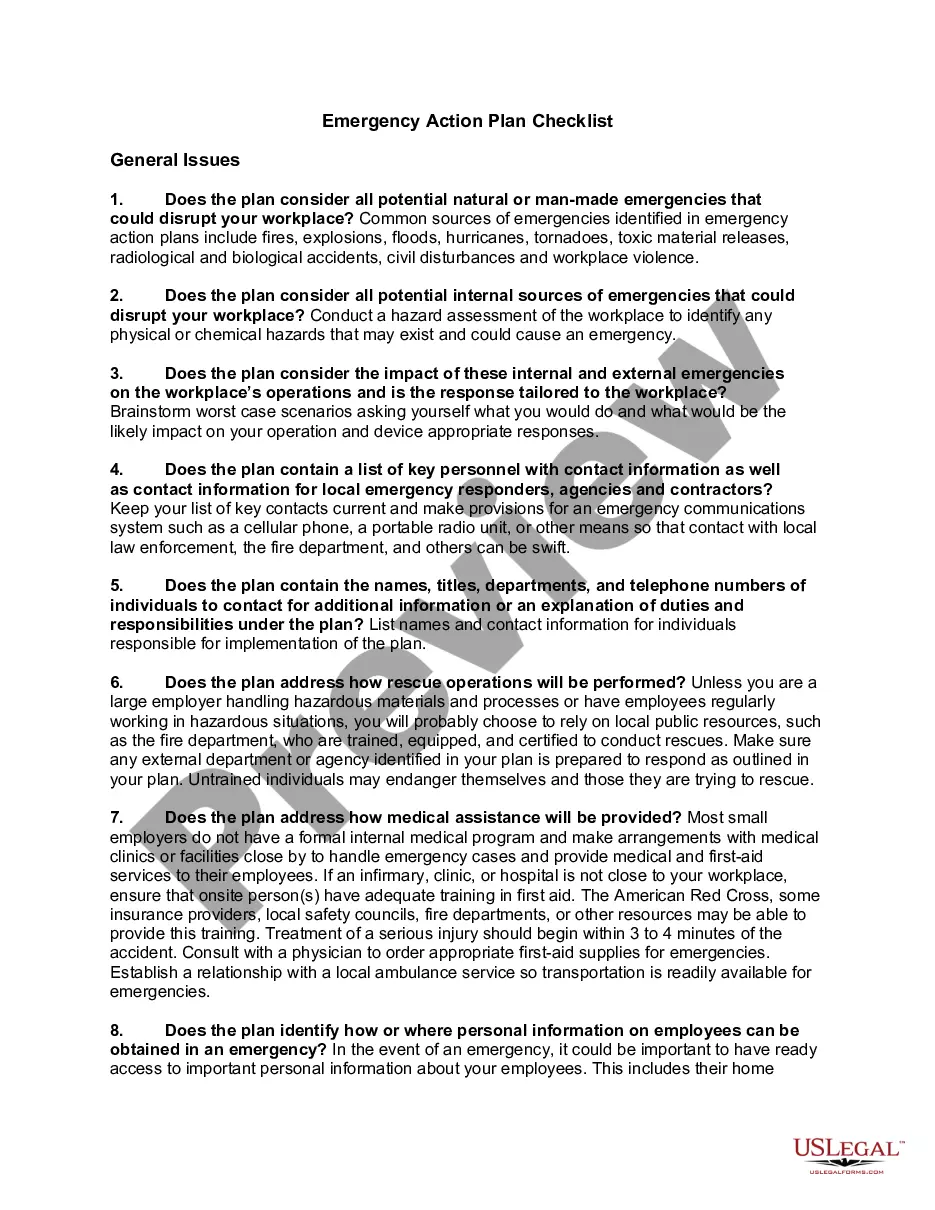



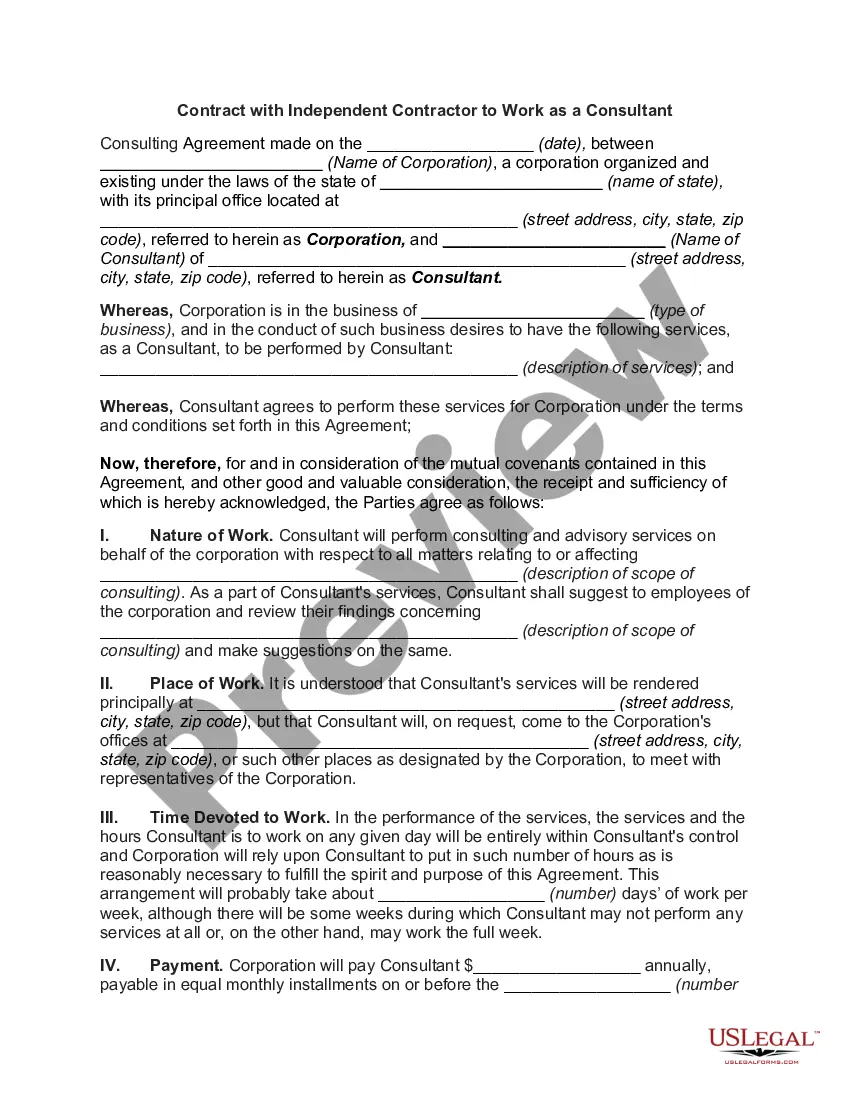

Form popularity
FAQ
Ing to Georgia handyman laws, you only need a license if any of your work contracts exceed $2,500. Those whose projects exceed this amount must have a contractor license issued by Georgia's State Licensing Board for Residential and General Contractors. The application process involves the following steps.
Write the contract in six steps Start with a contract template. Open with the basic information. Describe in detail what you have agreed to. Include a description of how the contract will be ended. Write into the contract which laws apply and how disputes will be resolved. Include space for signatures.
How To Write A Construction Contract With 7 Steps Step 1: Define the Parties Involved. Step 2: Outline the Scope of Work. Step 3: Establish the Timeline. Step 4: Determine the Payment Terms. Step 5: Include Necessary Legal Clauses. Step 6: Address Change Orders and Modifications. Step 7: Sign and Execute the Contract.
RMO License One of the most common, and often easiest ways that people without any prior experience can gain access to a contractor license is by utilizing either an “RMO” or “RME.”
Yes. The homeowner can be their own contractor if they live in the residence and have not applied for a permit at another address within two years. For duplexes, the owner can be the contractor for their own unit, but needs a Georgia licensed contractor for the other habitable space.
Prospective contractors in Georgia must pass two exams: the Business & Law Test and the Construction Test. You must pass both tests with a grade of at least 70% to get your license. You have one year from the date of your approval to take the test.
How To Write A Construction Contract With 7 Steps Step 1: Define the Parties Involved. Step 2: Outline the Scope of Work. Step 3: Establish the Timeline. Step 4: Determine the Payment Terms. Step 5: Include Necessary Legal Clauses. Step 6: Address Change Orders and Modifications. Step 7: Sign and Execute the Contract.
A contract to do an immoral or illegal thing is void. If the contract is severable, however, the part of the contract which is legal will not be invalidated by the part of the contract which is illegal. Disclaimer: These codes may not be the most recent version. Georgia may have more current or accurate information.
Under Georgia law, for a contract to be valid, there must be an offer, acceptance, consideration, and mutual assent. See O.C.G.A. § 13-3-1. In the context of email communications, an offer can be made through an email, or contemporaneous emails, containing terms of a proposed agreement.
A contract will only be legally binding upon the contracting parties if the following requirements are complied with: consensus, contractual capacity, certainty, possibility, legality and formalities. 39 The above requirements will be discussed next. 39Para 1 1 above.
