Construction Contract Form With Subcontractor In Dallas
Description


Get your form ready online
Our built-in tools help you complete, sign, share, and store your documents in one place.
Make edits, fill in missing information, and update formatting in US Legal Forms—just like you would in MS Word.
Download a copy, print it, send it by email, or mail it via USPS—whatever works best for your next step.
Sign and collect signatures with our SignNow integration. Send to multiple recipients, set reminders, and more. Go Premium to unlock E-Sign.
If this form requires notarization, complete it online through a secure video call—no need to meet a notary in person or wait for an appointment.
We protect your documents and personal data by following strict security and privacy standards.

Make edits, fill in missing information, and update formatting in US Legal Forms—just like you would in MS Word.

Download a copy, print it, send it by email, or mail it via USPS—whatever works best for your next step.

Sign and collect signatures with our SignNow integration. Send to multiple recipients, set reminders, and more. Go Premium to unlock E-Sign.

If this form requires notarization, complete it online through a secure video call—no need to meet a notary in person or wait for an appointment.

We protect your documents and personal data by following strict security and privacy standards.
Looking for another form?



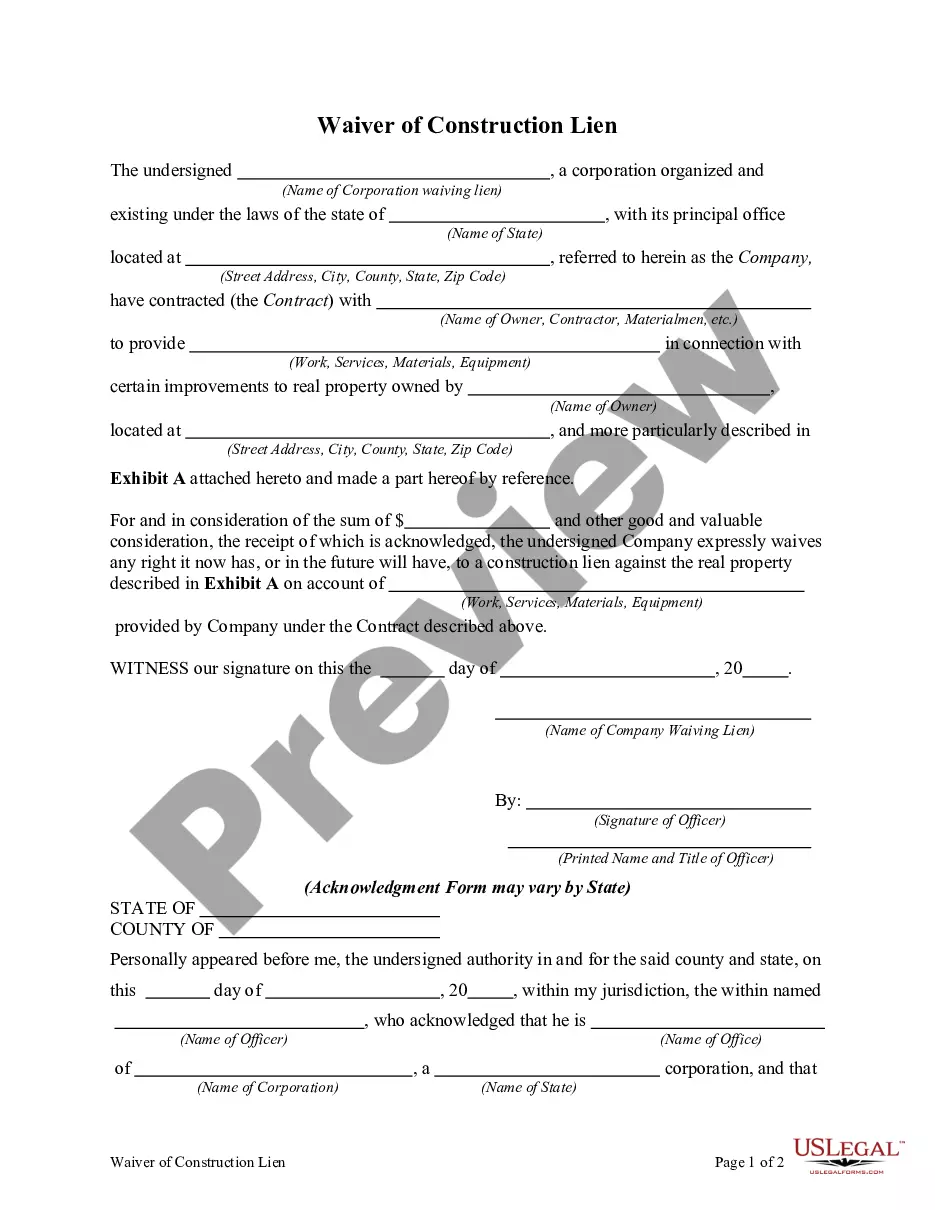

Form popularity
FAQ
In the State of Texas, anyone can be a General Contractor, including homeowners, and a state license is not required. Please visit the Contractor Responsibilities section to learn more about the GC responsibilities.
For telephone assistance, call 214-948-4480.
Texas Handyman Limitations Most states put a financial limit on what you can do without a contractor's license – usually limiting jobs to $500, $1,000, or even $3,000. However, in Texas, that isn't the case. There are currently no limits on job size for unlicensed contractors.
Not all contractors in Texas need to hold a license. Whether or not you need a license depends on your trade and the area in which you're working.
State regulators in Texas do not require you to have a general contractor license. However, that's just at the state level — you will need to check handyperson and contractor license requirements in your city to know if one is required. Also, be prepared to apply for your Texas Business License.
Here are five steps that can help you become a contractor in Texas: Register a state business entity. Choose a contractor license type. Meet the basic requirements for your license. Obtain a Texas contractor license bond or insurance. Apply for your license.
Write the name of the contract at the top of the page. Follow with the names or company names of all parties, in this format: This agreement is between ____ and ____. Contracts involving a business should include the business' full legal name, including descriptions such as “Ltd.” or “Inc.”
Below are eight important points to consider including in an independent contractor agreement. Define a Scope of Work. Set a Timeline for the Project. Specify Payment Terms. State Desired Results and Agree on Performance Measurement. Detail Insurance Requirements. Include a Statement of Independent Contractor Relationship.
