Cost Plus Building Contract Percentage
Description


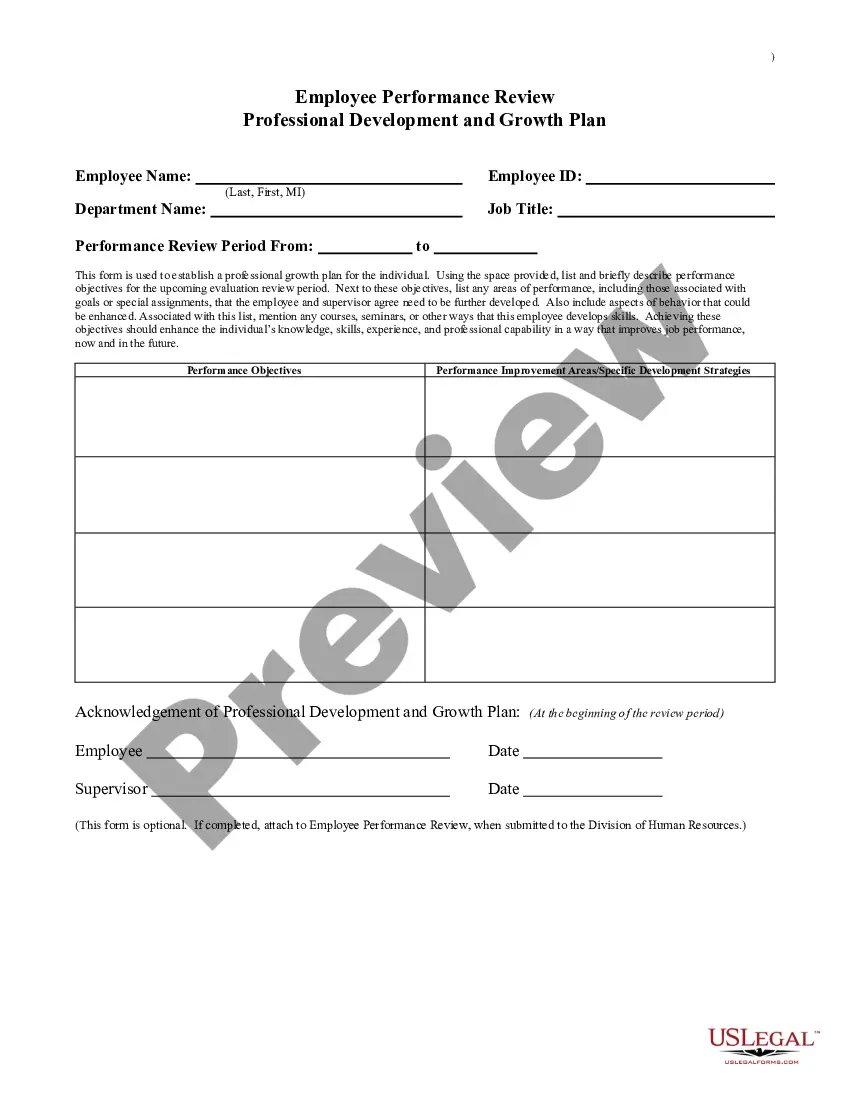
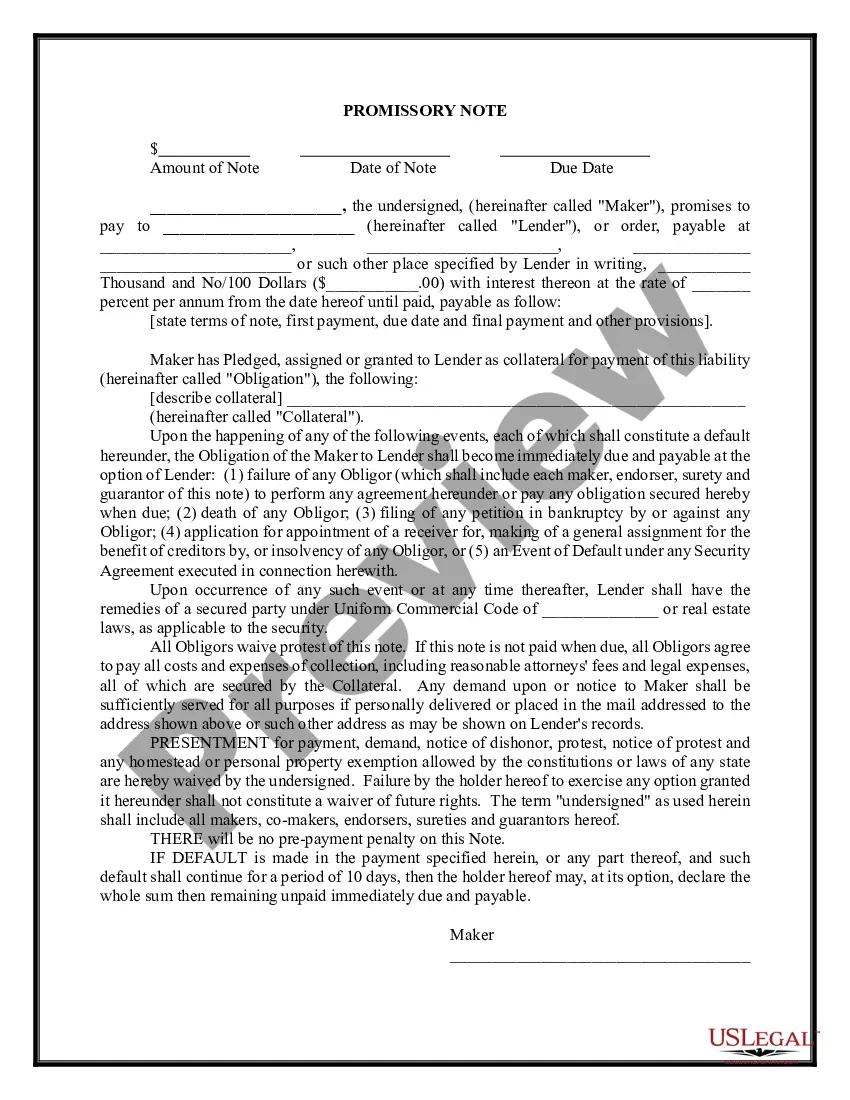
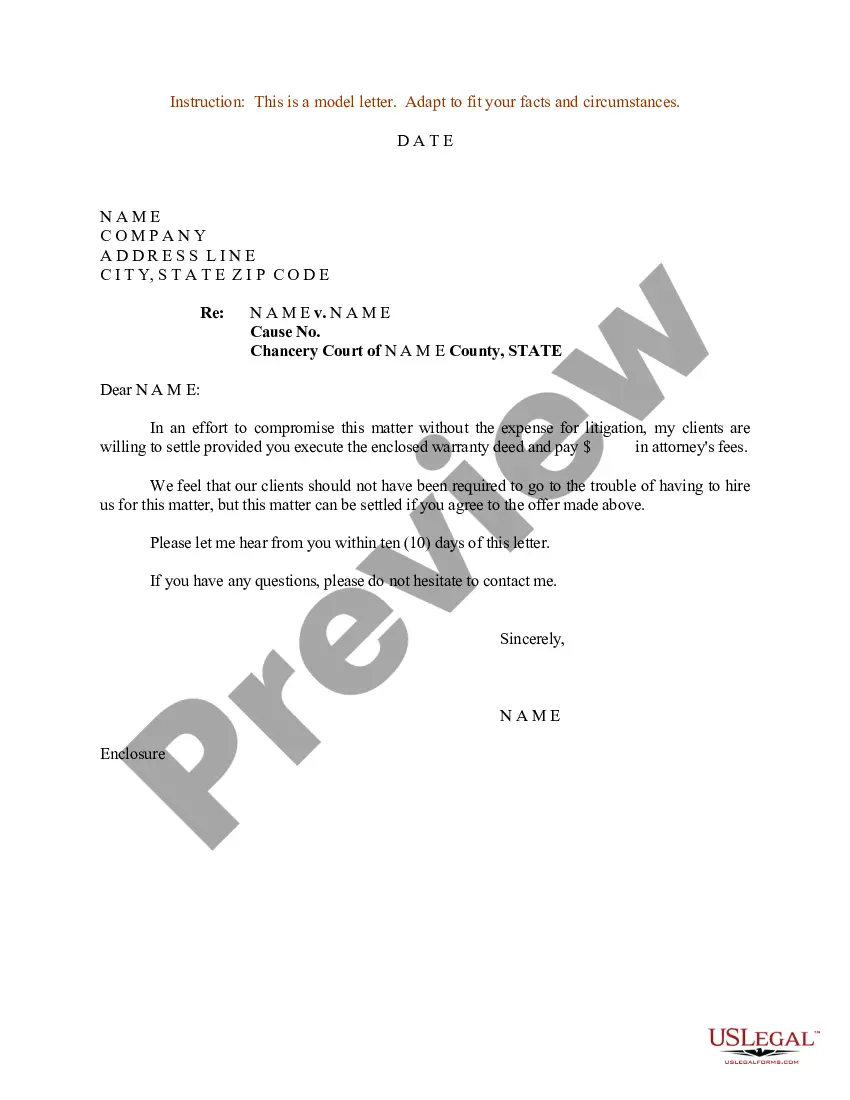
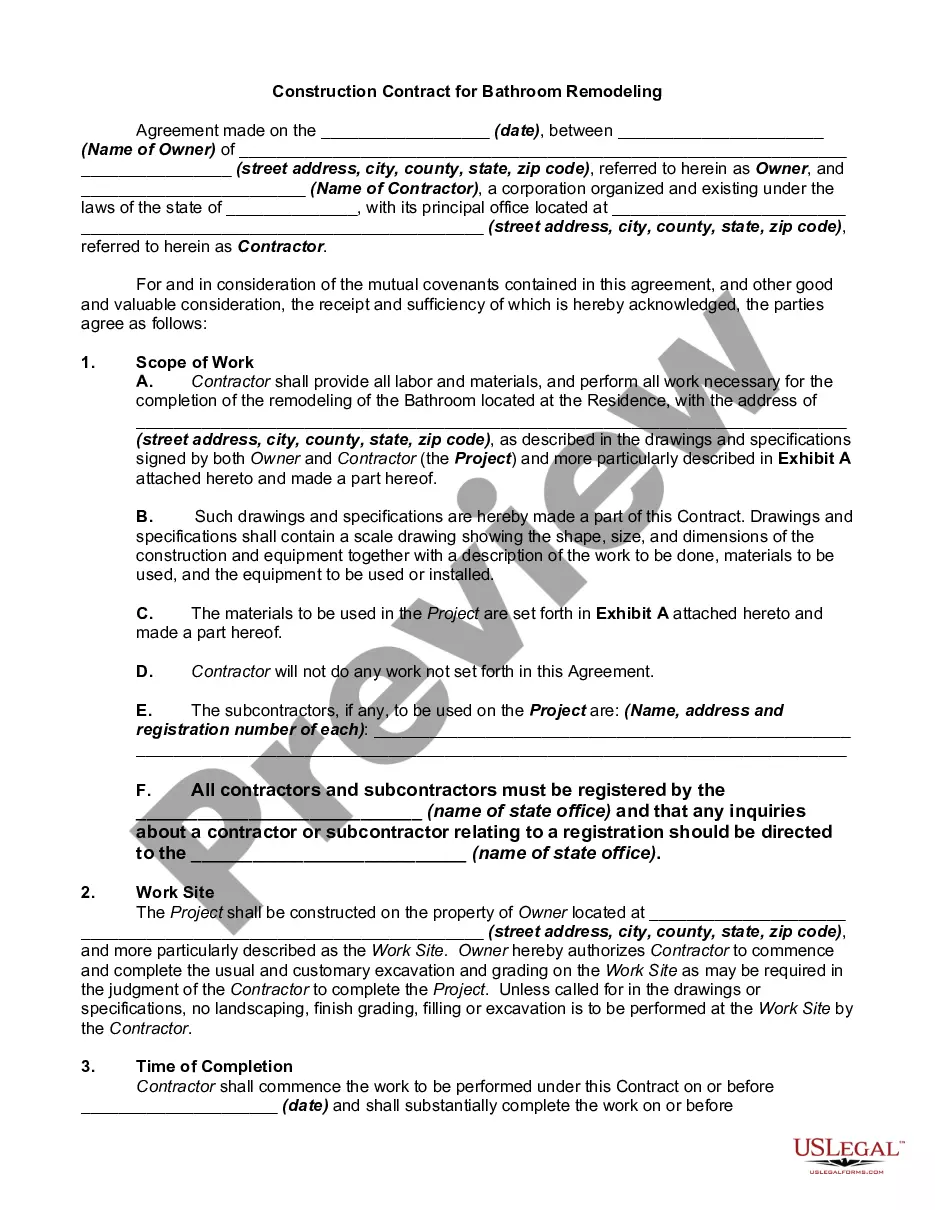


How to fill out Construction Contract For Home - Fixed Fee Or Cost Plus?
Legal administration can be daunting, even for experienced professionals.
When you are looking for a Cost Plus Construction Contract Percentage and lack the time to dedicate to finding the correct and current version, the processes can be anxiety-inducing.
Gain access to a valuable resource repository of articles, guides, and materials relevant to your circumstances and requirements.
Save time and effort hunting for the documents you need, and use US Legal Forms’ sophisticated search and Review feature to find Cost Plus Construction Contract Percentage and obtain it.
Ensure that the template is sanctioned in your jurisdiction or locality. Select Buy Now when you are prepared. Choose a monthly subscription plan. Find the file format you need, and Download, complete, eSign, print, and dispatch your document. Enjoy the US Legal Forms online catalogue, supported by 25 years of experience and reliability. Transform your everyday document management into a straightforward and user-friendly process today.
- If you have a subscription, Log In to your US Legal Forms account, search for the document, and download it.
- Check your My documents tab to see the documents you have previously saved and manage your folders as needed.
- If this is your first experience with US Legal Forms, create a free account and gain unlimited access to all the advantages of the library.
- Here are the steps to follow after accessing the document you require.
- Verify that it is the correct document by previewing it and reading its description.
- Access jurisdiction- or locality-specific legal and corporate documents.
- US Legal Forms caters to any requirements you might have, from personal to commercial paperwork, in a single location.
- Employ cutting-edge tools to complete and manage your Cost Plus Construction Contract Percentage.
Form popularity
FAQ
Percentage of cost: The contractor receives a markup equal to a certain percentage of the total project cost. This percentage fee can vary across projects and industries, but it's typically set between 5 and 25 percent. Fixed fee: The contractor receives a flat fee that's determined during contract formation.
What is cost-plus pricing? Cost-plus pricing is also known as markup pricing. It's a pricing method where a fixed percentage is added on top of the cost it takes to produce one unit of a product (unit cost). The resulting number is the selling price of the product.
How it works. Cost plus is about as simple as it sounds. Retailers set shelf pricing for every item in the store at their cost ? the item, transportation and warehousing costs and labor to get it on the shelf ? and simply charge consumers 10% of their total basket at checkout.
Under a cost-plus contract, the contractor is reimbursed for all costs incurred during the project, including labor, materials, equipment, and overhead costs. This means that the actual cost of the project is determined by the contractor's expenses, and not by a predetermined fixed price.
For example, a contractor may quote a job for $100,000, billed on a percent completion at the end of each month. At the end of the first month, with 20% of the project completed, an invoice reflecting 20% of the total ($20,000) will be sent.