Construction Contract Form With Subcontractor In Broward
Description

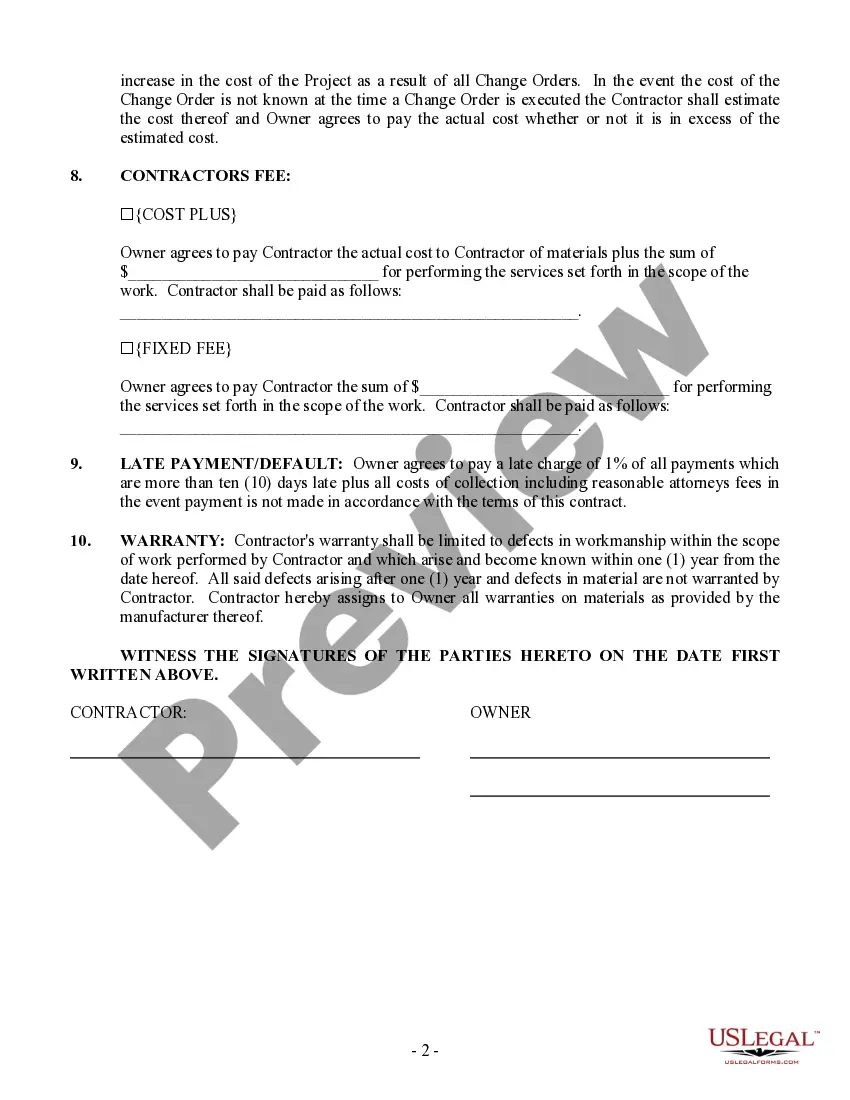
Get your form ready online
Our built-in tools help you complete, sign, share, and store your documents in one place.
Make edits, fill in missing information, and update formatting in US Legal Forms—just like you would in MS Word.
Download a copy, print it, send it by email, or mail it via USPS—whatever works best for your next step.
Sign and collect signatures with our SignNow integration. Send to multiple recipients, set reminders, and more. Go Premium to unlock E-Sign.
If this form requires notarization, complete it online through a secure video call—no need to meet a notary in person or wait for an appointment.
We protect your documents and personal data by following strict security and privacy standards.

Make edits, fill in missing information, and update formatting in US Legal Forms—just like you would in MS Word.

Download a copy, print it, send it by email, or mail it via USPS—whatever works best for your next step.

Sign and collect signatures with our SignNow integration. Send to multiple recipients, set reminders, and more. Go Premium to unlock E-Sign.

If this form requires notarization, complete it online through a secure video call—no need to meet a notary in person or wait for an appointment.

We protect your documents and personal data by following strict security and privacy standards.
Looking for another form?

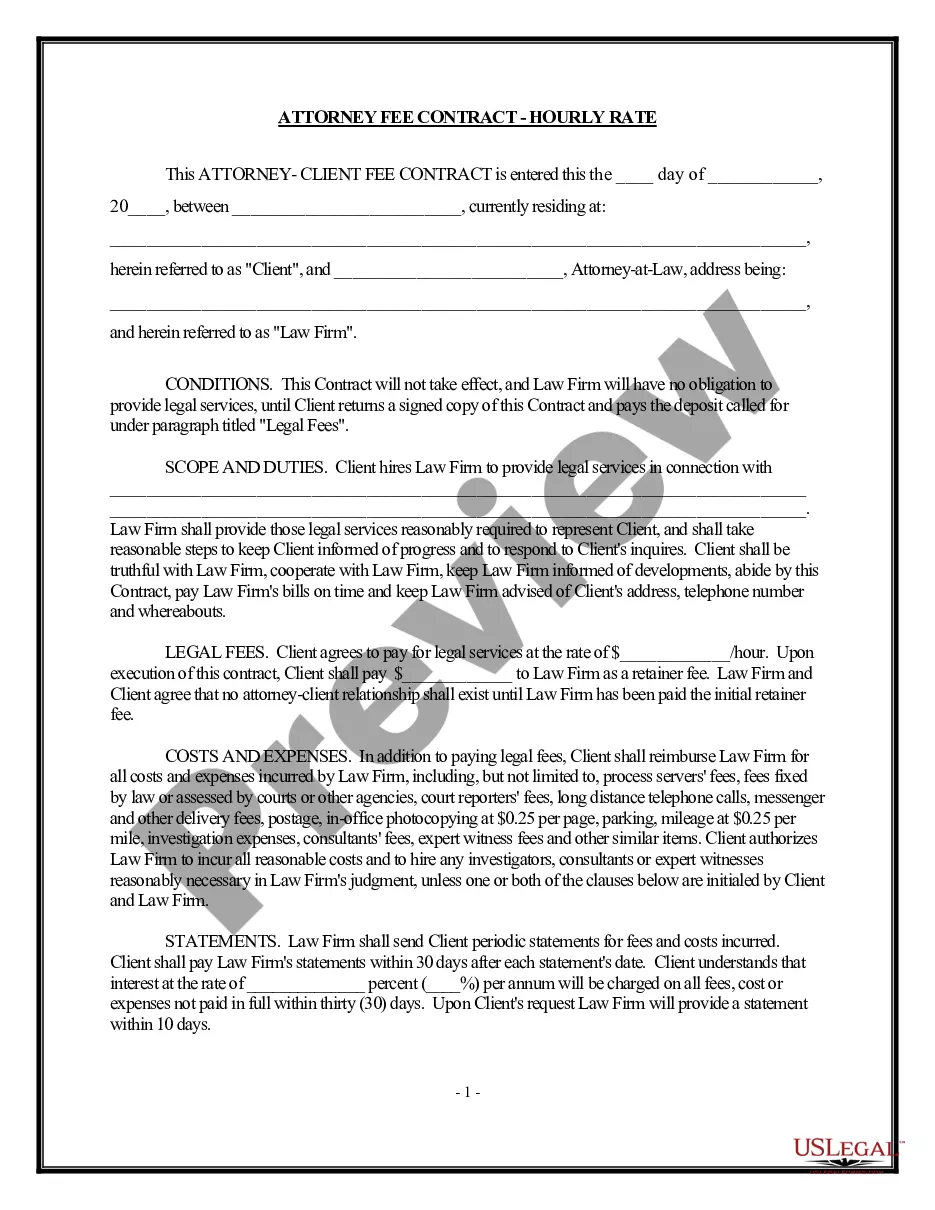



Form popularity
FAQ
12 Key Components of a Subcontractor Agreement Identification of Parties. Insurance and Licensing Requirements. Scope of Work. Payment Terms and Conditions. Project Schedule and Duration. Material and Equipment. Change Order Procedures. Quality Standards and Compliance.
What to Include Identification – The names and addresses of the contractor and subcontractor. Scope of Work – The services that the subcontractor agrees to provide, as well as the work's proposed start and end date. Work Location – The address or a description of where the work is to be performed.
In conclusion, obtaining a contractor's license is important in Florida for almost all types of construction work. If you don't want to obtain a license, you can become a subcontractor for a general contractor who has a license or obtain an occupational license in most counties.
How To Write A Construction Contract With 7 Steps Step 1: Define the Parties Involved. Step 2: Outline the Scope of Work. Step 3: Establish the Timeline. Step 4: Determine the Payment Terms. Step 5: Include Necessary Legal Clauses. Step 6: Address Change Orders and Modifications. Step 7: Sign and Execute the Contract.
Write a Strong Statement of Work, Products and Services In the statement of work, describe the contributions you'll make to the project, along with deadlines for starting and completing work. Also include particulars about design review, testing, training, or other necessary tasks.
How To Write A Construction Contract With 7 Steps Step 1: Define the Parties Involved. Step 2: Outline the Scope of Work. Step 3: Establish the Timeline. Step 4: Determine the Payment Terms. Step 5: Include Necessary Legal Clauses. Step 6: Address Change Orders and Modifications. Step 7: Sign and Execute the Contract.
As a handyman in Florida, you don't need a state license for miscellaneous non-structural work, such as minor carpentry, door repairs, paneling, tile installation and window repair. However, any structural work, such as building, home renovations and roofing, will require a Florida general contractor license.
You do not need a Florida handyman license. An unlicensed handyman can do the following: cabinets, flooring, and above ground swimming pools; paint the interior and exterior of a home; perform basic yard work, and repair drywall. More specialized types of work require a license.
If you are a handyman who only does minor repairs, you are not required to carry a contractor's license. However, if your repairs are larger in scope, it's a good idea to get a certified license in order to protect yourself and your business.
