Atv Form With Retail Formula In Virginia
Description
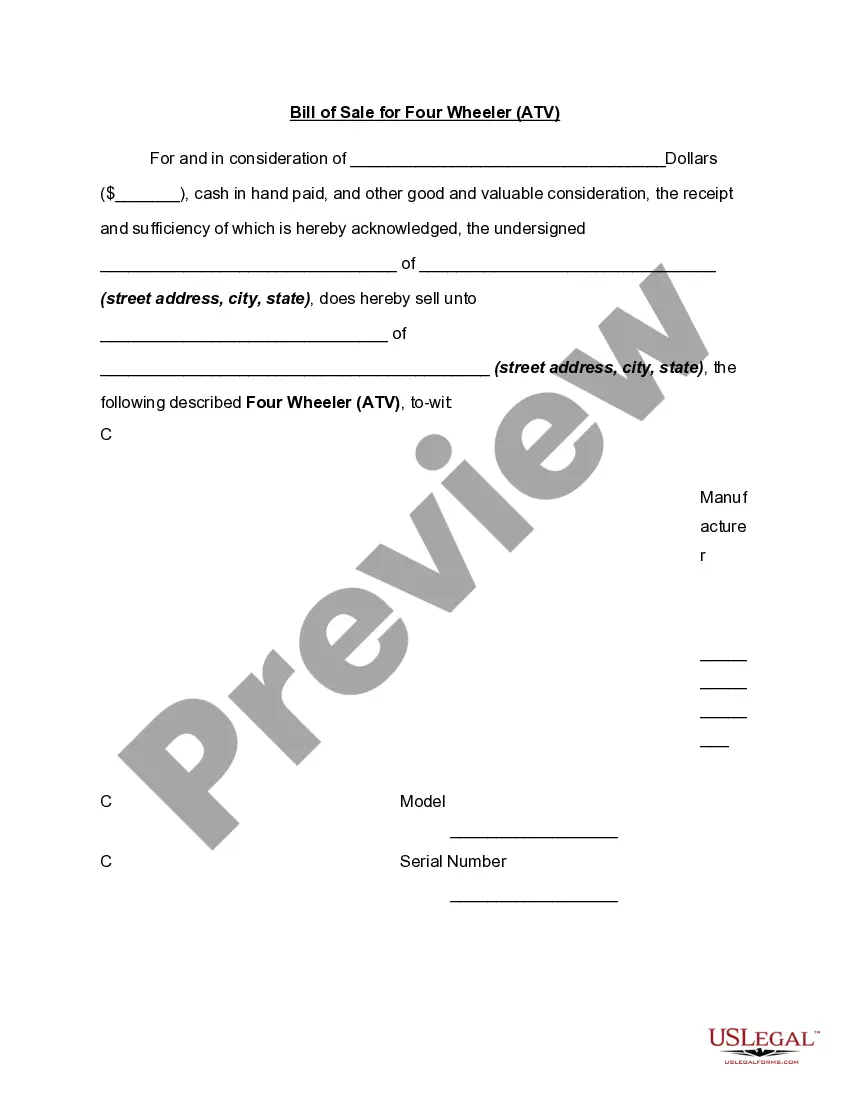
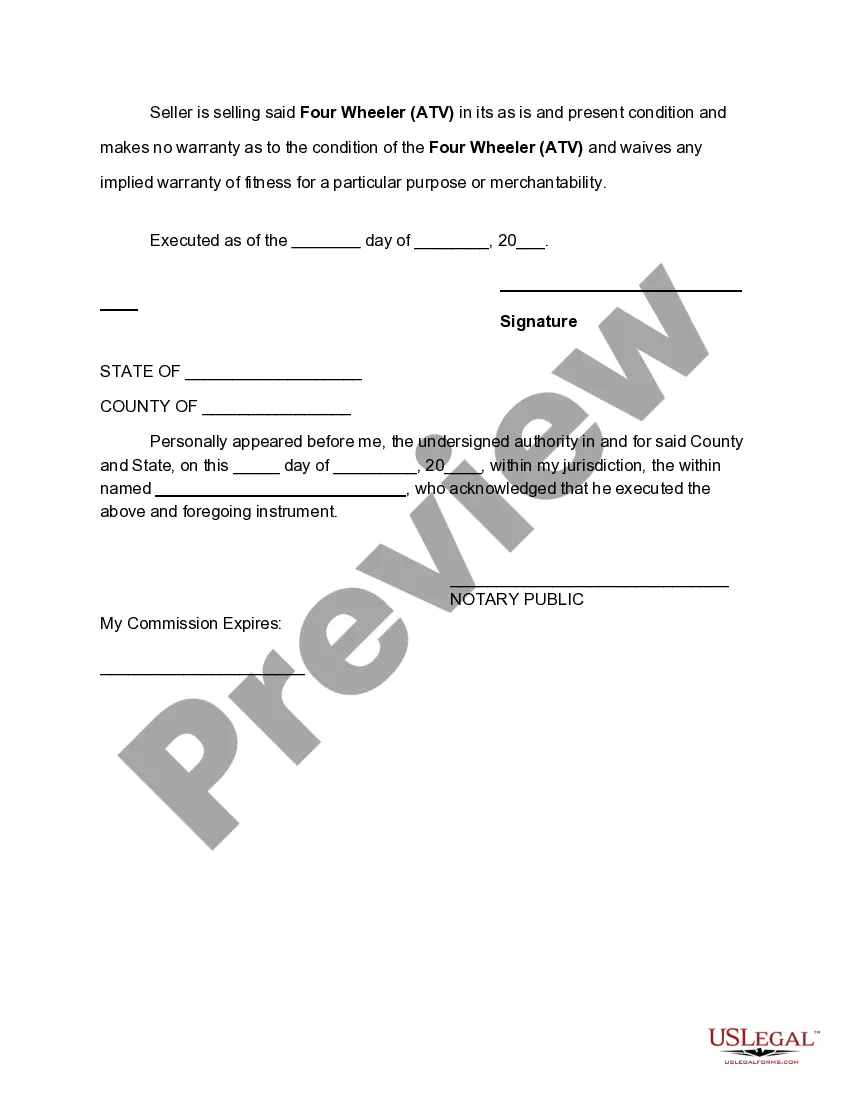
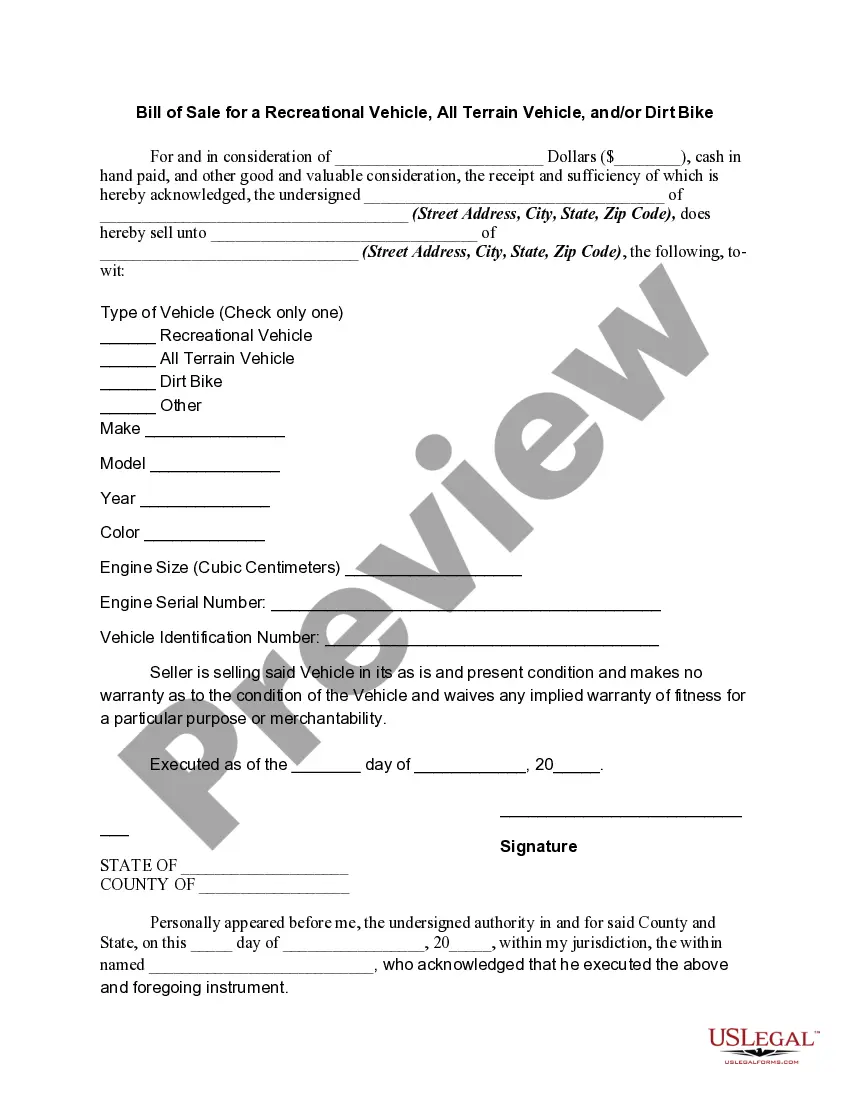
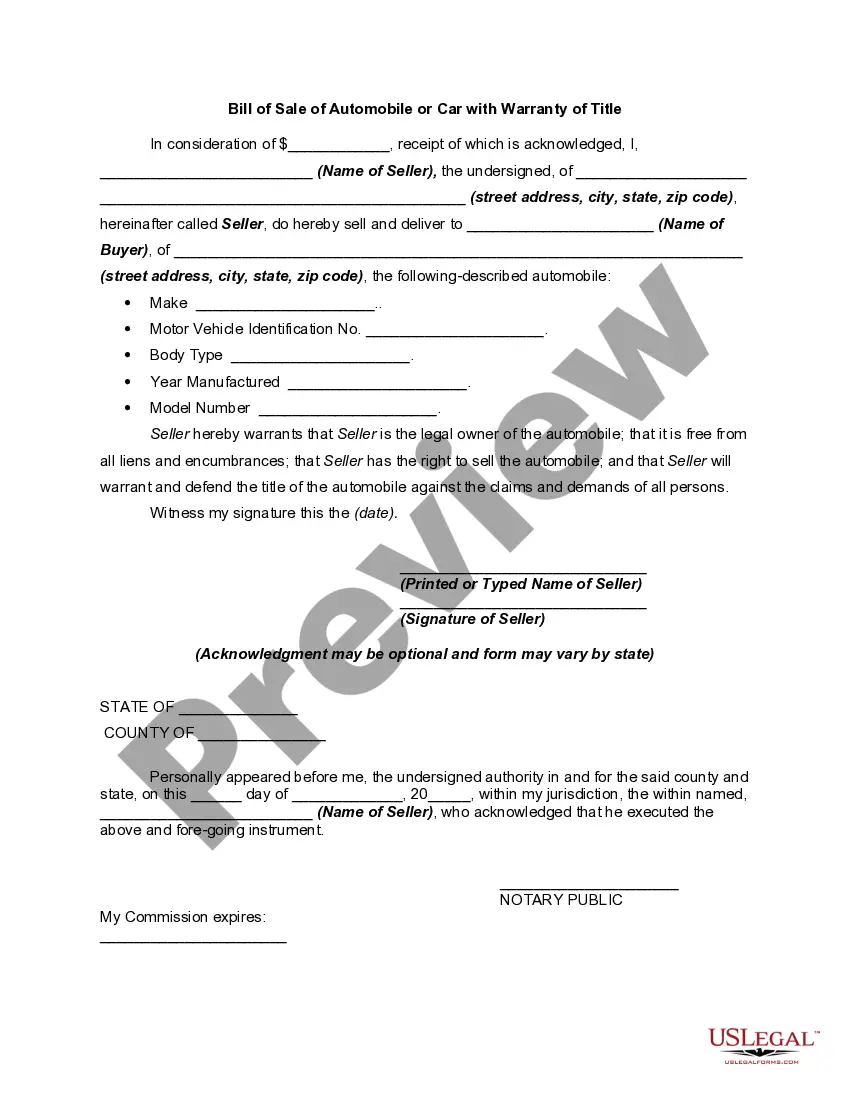
Get your form ready online
Our built-in tools help you complete, sign, share, and store your documents in one place.
Make edits, fill in missing information, and update formatting in US Legal Forms—just like you would in MS Word.
Download a copy, print it, send it by email, or mail it via USPS—whatever works best for your next step.
Sign and collect signatures with our SignNow integration. Send to multiple recipients, set reminders, and more. Go Premium to unlock E-Sign.
If this form requires notarization, complete it online through a secure video call—no need to meet a notary in person or wait for an appointment.
We protect your documents and personal data by following strict security and privacy standards.

Make edits, fill in missing information, and update formatting in US Legal Forms—just like you would in MS Word.

Download a copy, print it, send it by email, or mail it via USPS—whatever works best for your next step.

Sign and collect signatures with our SignNow integration. Send to multiple recipients, set reminders, and more. Go Premium to unlock E-Sign.

If this form requires notarization, complete it online through a secure video call—no need to meet a notary in person or wait for an appointment.

We protect your documents and personal data by following strict security and privacy standards.
Looking for another form?








Form popularity
FAQ
Example: Personal Use Vehicle Valued at More than $20,000 Vehicle assessed value: $30,000. Tax rate calculation: ($4.15 / 100) x $30,000 = $1,245.00. PPTR on first $20,000: ($4.15 / 100) x $20,000 x 28% = $232.40. Total tax: $1,245.00 - $232.40 = $1,012.60. Annual tax: $1,012.60.
Example: Personal Use Vehicle Valued at More than $20,000 Vehicle assessed value: $30,000. Tax rate calculation: ($4.15 / 100) x $30,000 = $1,245.00. PPTR on first $20,000: ($4.15 / 100) x $20,000 x 28% = $232.40. Total tax: $1,245.00 - $232.40 = $1,012.60. Annual tax: $1,012.60.
The tax rate for most vehicles is $4.57 per $100 of assessed value. For properties included in a special subclass, the tax rate is $0.01 per $100 of assessed value. This special subclass includes the following: privately-owned vans used for van pools.
Property taxes in Virginia are calculated by multiplying a home's assessed value by its total property tax rate. Assessed value is determined by local assessors on regular two- to six-year cycles. By state law, cities are required to reassess every two years and counties every four years.
The sales tax rate for most locations in Virginia is 5.3%. Three areas have an additional regional tax as outlined below: Hampton Roads - 6% - Includes: Chesapeake.
In-state dealers file Form ST-9 and collect sales tax based on the rate at your business location (point-of-sale). Out-of-state dealers file Form ST-8 and collect sales tax based on the rate at the destination of the shipment or delivery (destination-based sales tax).
ATVs and off-road motorcycles are not required to be registered. You may title a used ATV or off-road motorcycle or any reason, including recording a lien or documenting proof of ownership.
Example: Personal Use Vehicle Valued at More than $20,000 Vehicle assessed value: $30,000. Tax rate calculation: ($4.15 / 100) x $30,000 = $1,245.00. PPTR on first $20,000: ($4.15 / 100) x $20,000 x 28% = $232.40. Total tax: $1,245.00 - $232.40 = $1,012.60. Annual tax: $1,012.60.
How Vehicle Taxes are Calculated. The Board of Supervisors sets vehicle personal property tax rates each year as part of the budget process. The current rate for most vehicles is $4.15 per $100 of assessed value.
Property taxes in Virginia are calculated by multiplying a home's assessed value by its total property tax rate. Assessed value is determined by local assessors on regular two- to six-year cycles. By state law, cities are required to reassess every two years and counties every four years.