Atv Form With Tv In Nevada
Description
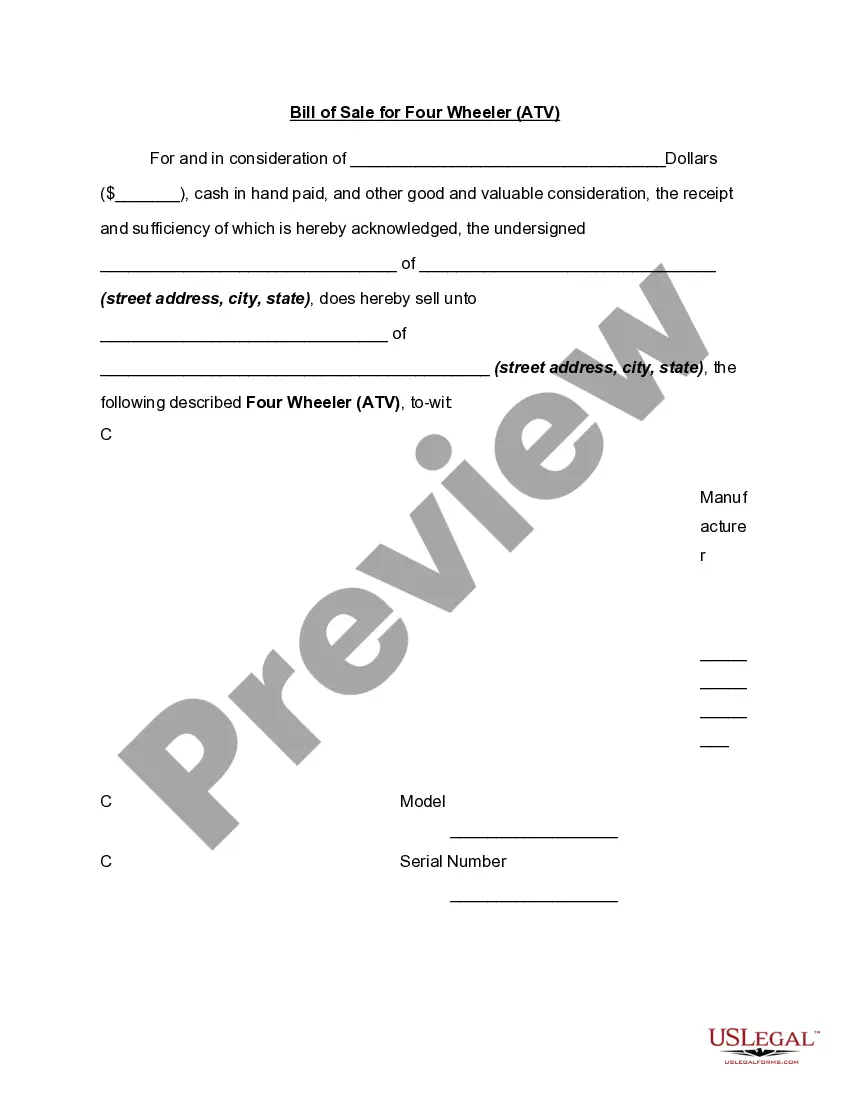
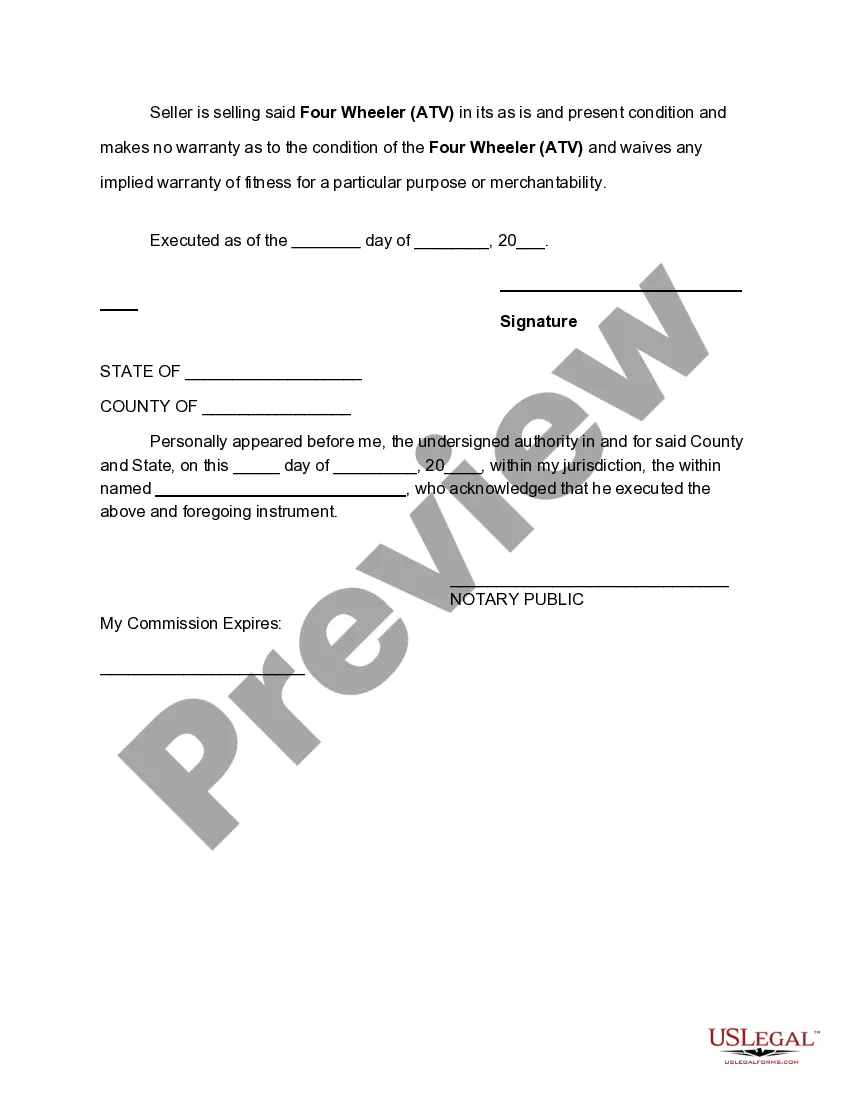
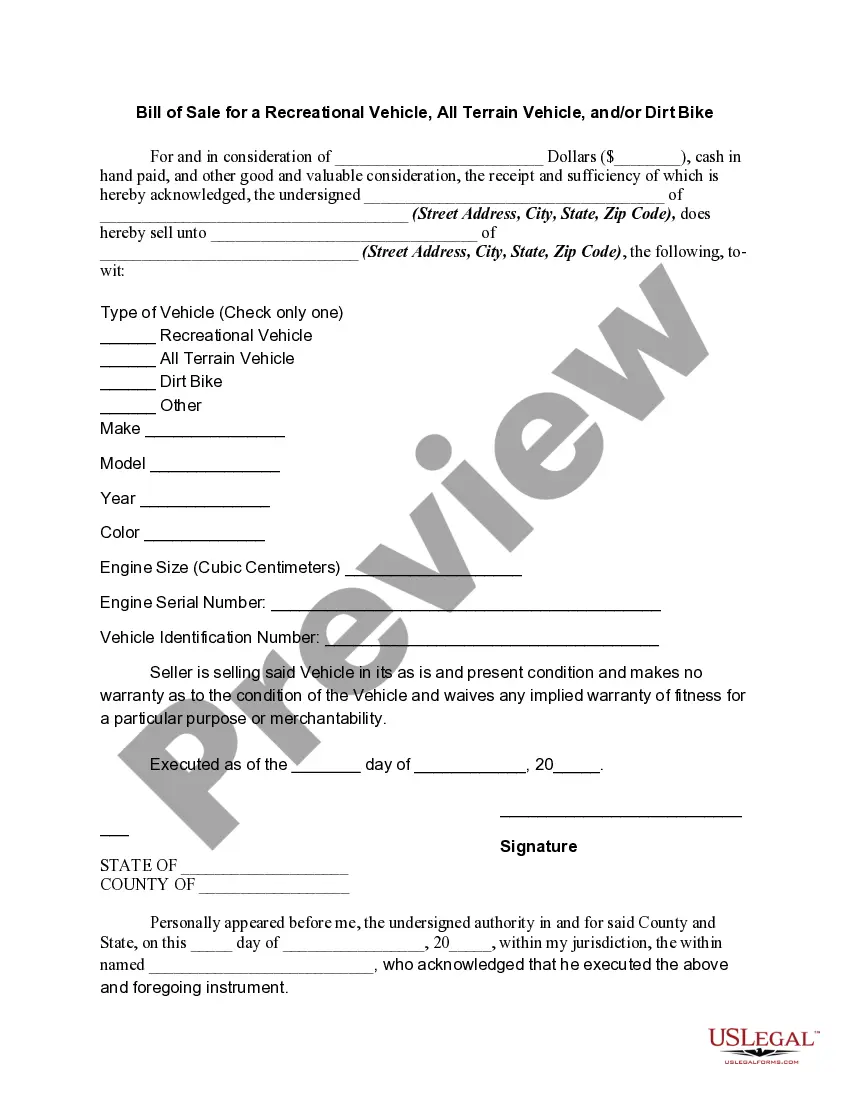
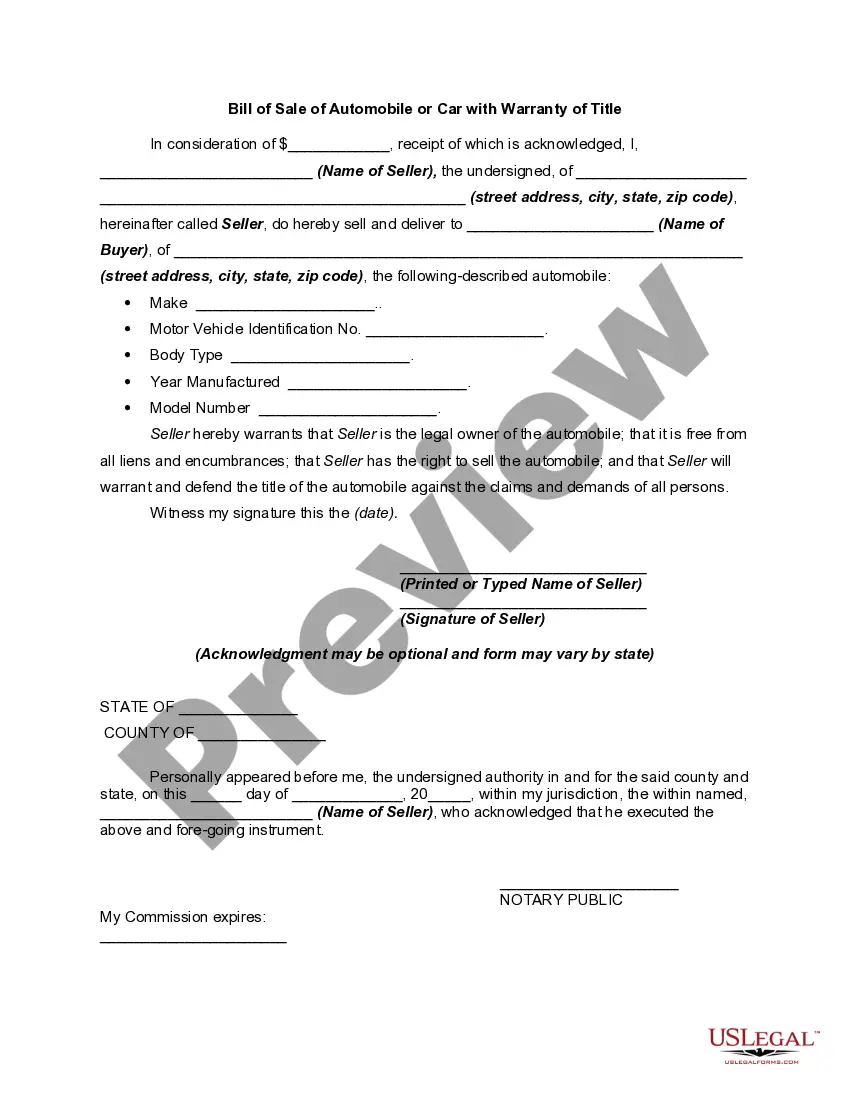
Get your form ready online
Our built-in tools help you complete, sign, share, and store your documents in one place.
Make edits, fill in missing information, and update formatting in US Legal Forms—just like you would in MS Word.
Download a copy, print it, send it by email, or mail it via USPS—whatever works best for your next step.
Sign and collect signatures with our SignNow integration. Send to multiple recipients, set reminders, and more. Go Premium to unlock E-Sign.
If this form requires notarization, complete it online through a secure video call—no need to meet a notary in person or wait for an appointment.
We protect your documents and personal data by following strict security and privacy standards.

Make edits, fill in missing information, and update formatting in US Legal Forms—just like you would in MS Word.

Download a copy, print it, send it by email, or mail it via USPS—whatever works best for your next step.

Sign and collect signatures with our SignNow integration. Send to multiple recipients, set reminders, and more. Go Premium to unlock E-Sign.

If this form requires notarization, complete it online through a secure video call—no need to meet a notary in person or wait for an appointment.

We protect your documents and personal data by following strict security and privacy standards.
Looking for another form?







Form popularity
FAQ
You do not have to insure your ATV or UTV in Nevada.
To complete a title transfer in Nevada, you'll need the signed vehicle title, a bill of sale, valid identification, proof of residency, and an odometer disclosure statement if applicable. Ensure all documents are properly completed to avoid delays.
As long as you meet the requirements for a will to be valid, as stated above, the will can be legally sound. You also do not need to notarize your will. However, notarizing it can make it “self-proving,” further adding to its validity.
REGISTER YOUR OFF-HIGHWAY VEHICLE - 3 EASY STEPS Select the appropriate form. Take appropriate form and vehicle for a vin inspection to your local OHV dealership or law enforcement office. Complete application and mail in your supporting documentation to DMV.
Private lienholders must perfect and release liens using paper titles. Paper titles must be used in private party vehicle sales.
Step 4: Submit the Documents to the DMV You can do this in person, by mail, or online. You need to submit the following documents: The signed and notarized title. The odometer disclosure statement.
ATV Liability Insurance is mandatory for any ATV driver who takes their vehicle on public streets or highways or rides it on public land. Personal liability coverage protects you: checkIn the event you unintentionally injure someone. checkIn the event you damage someone's property.
All ATV/UTV drivers must have a valid Driver's License, be at least 18 years old, and must have proper insurance to operate on City streets. ATV/UTVs and carts shall only be used on public roads.
Driving without insurance in Nevada is a misdemeanor. The fine for a first offense is $100. It may be as high as $1,000 for subsequent offenses. If you present evidence to the court that you had insurance in effect at the time of the accident, the court must find you not guilty and waive the fine.
