Consignment Note For Scheduled Waste Malaysia In Virginia
Description

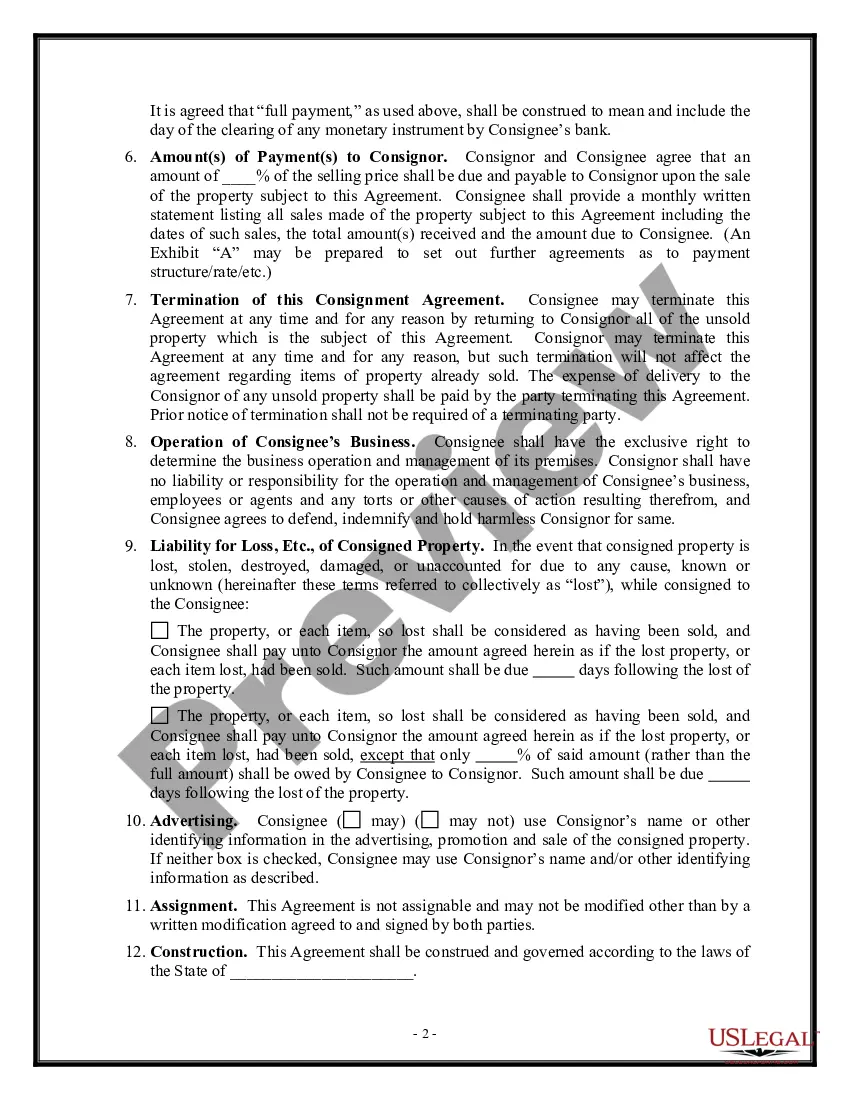
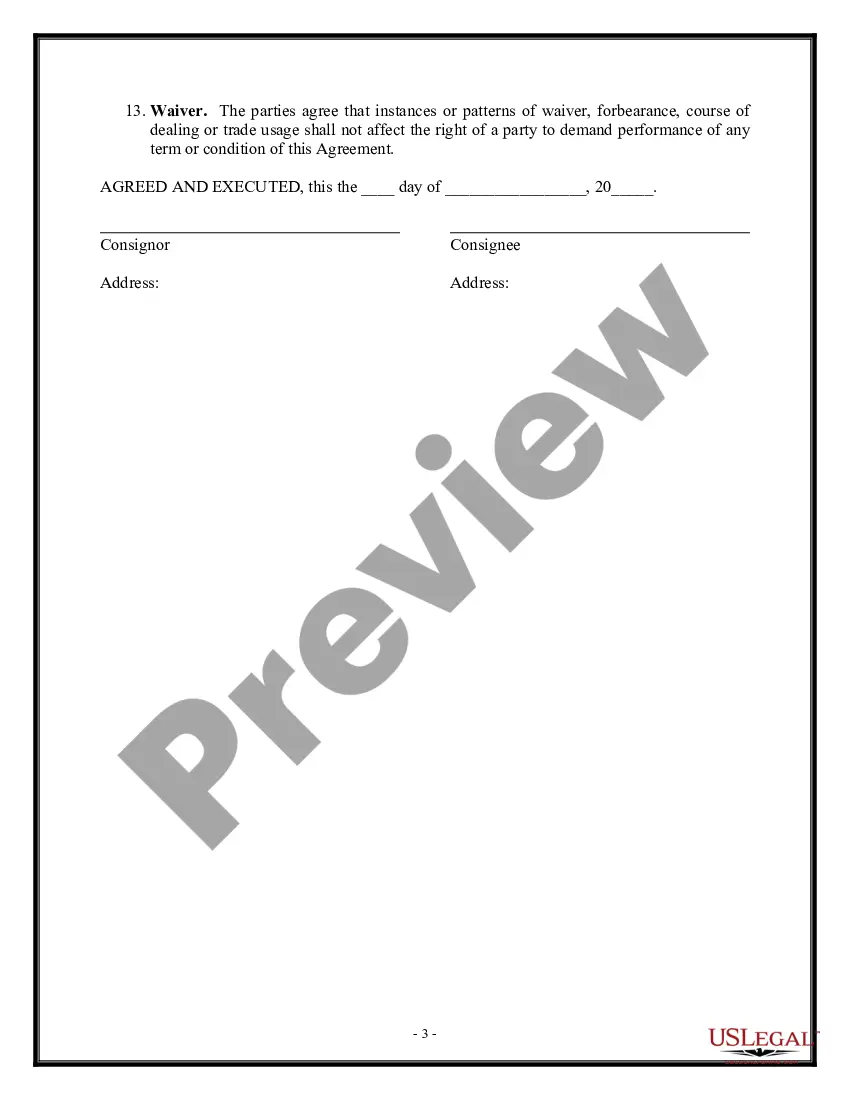
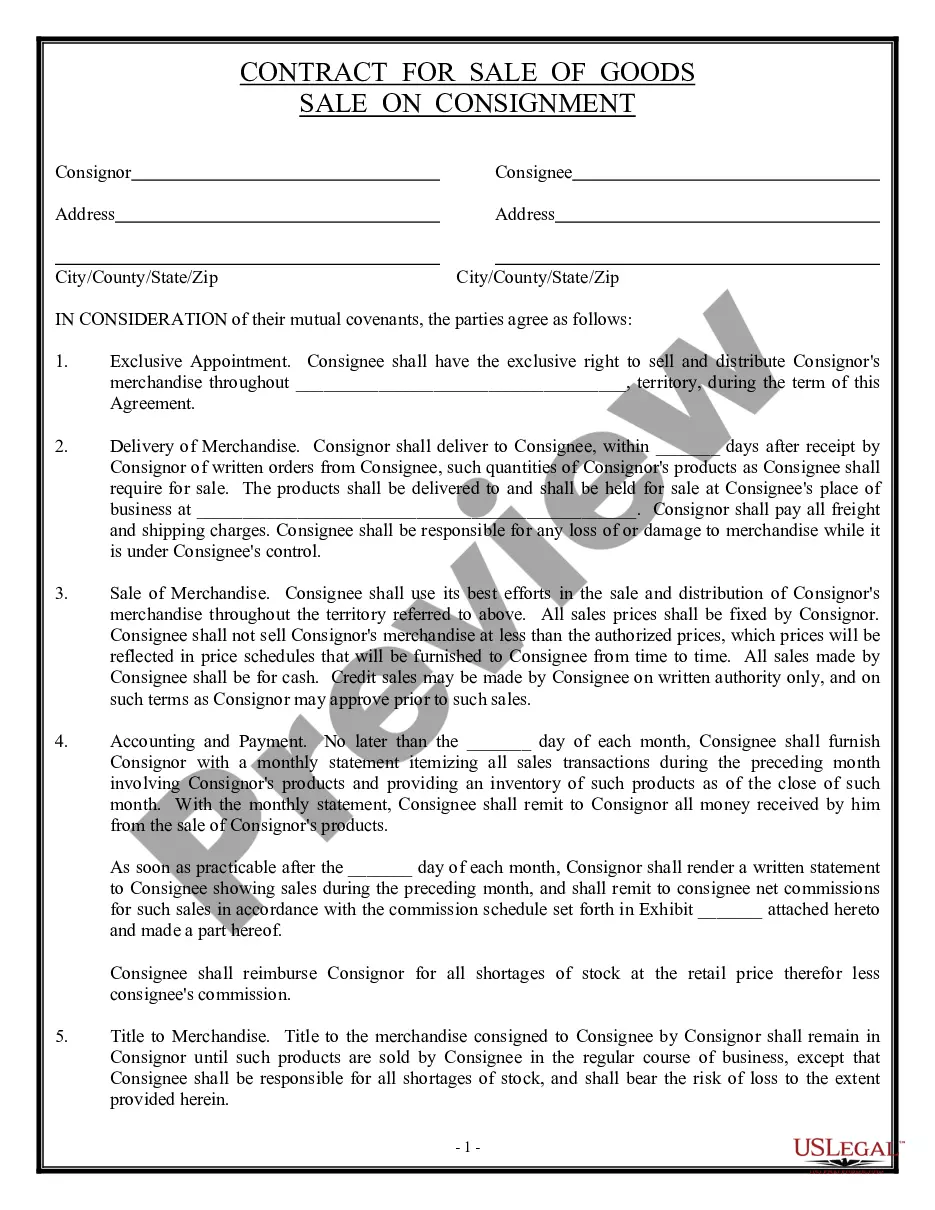
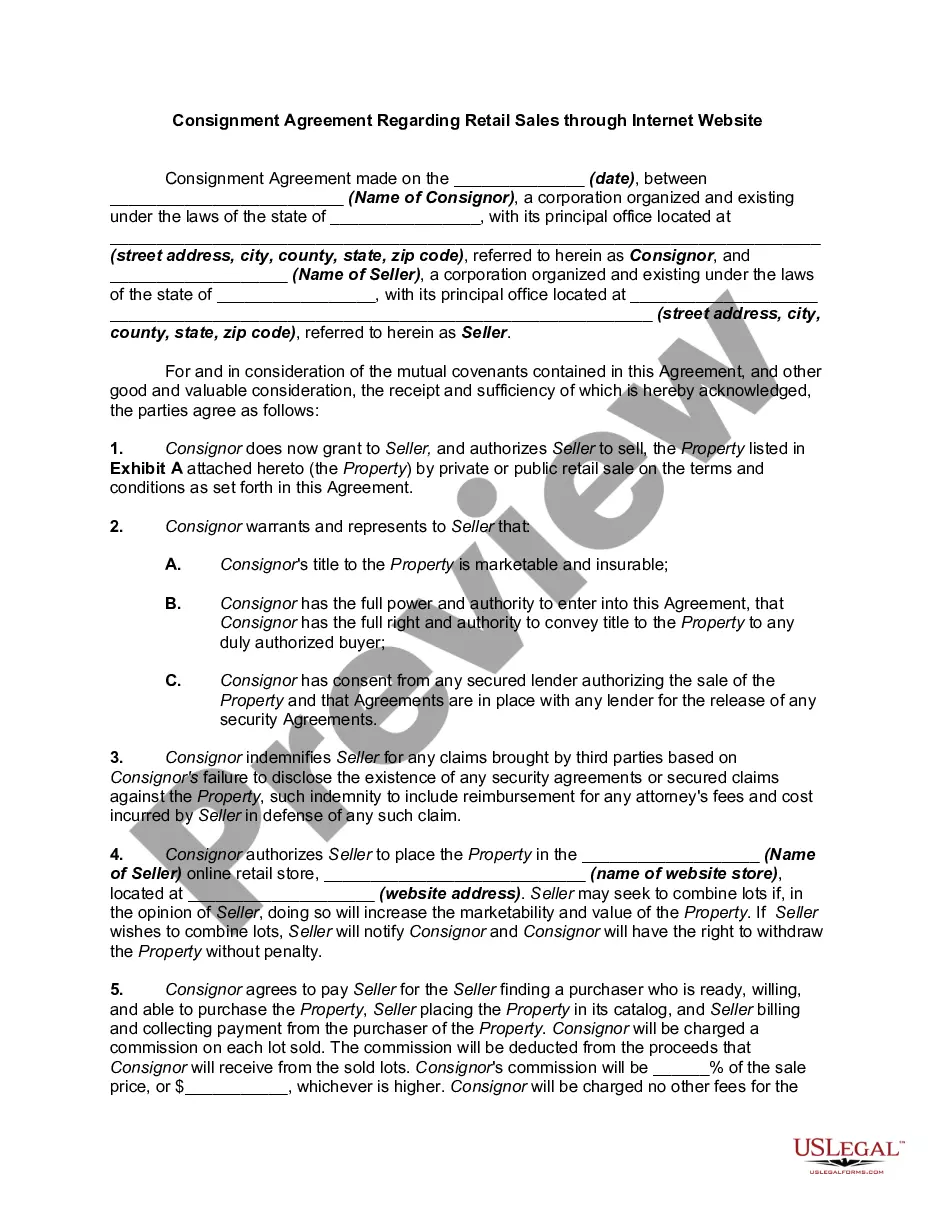
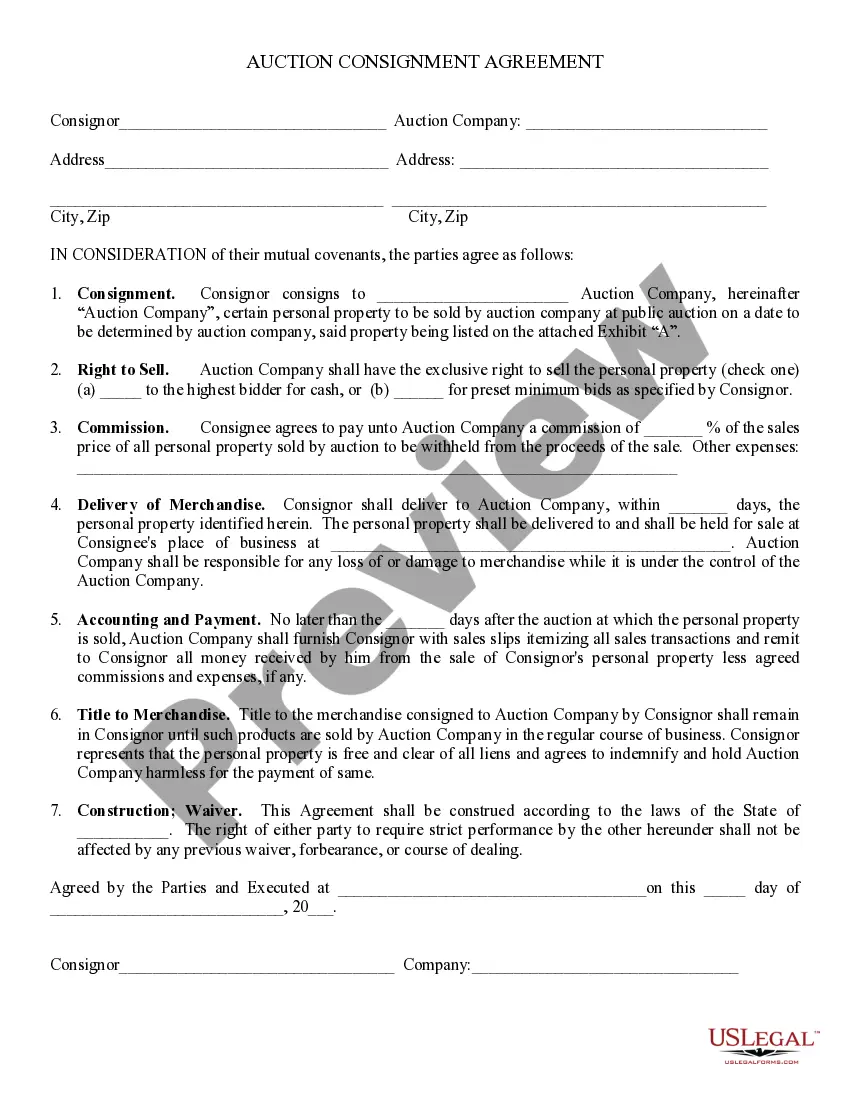
Get your form ready online
Our built-in tools help you complete, sign, share, and store your documents in one place.
Make edits, fill in missing information, and update formatting in US Legal Forms—just like you would in MS Word.
Download a copy, print it, send it by email, or mail it via USPS—whatever works best for your next step.
Sign and collect signatures with our SignNow integration. Send to multiple recipients, set reminders, and more. Go Premium to unlock E-Sign.
If this form requires notarization, complete it online through a secure video call—no need to meet a notary in person or wait for an appointment.
We protect your documents and personal data by following strict security and privacy standards.

Make edits, fill in missing information, and update formatting in US Legal Forms—just like you would in MS Word.

Download a copy, print it, send it by email, or mail it via USPS—whatever works best for your next step.

Sign and collect signatures with our SignNow integration. Send to multiple recipients, set reminders, and more. Go Premium to unlock E-Sign.

If this form requires notarization, complete it online through a secure video call—no need to meet a notary in person or wait for an appointment.

We protect your documents and personal data by following strict security and privacy standards.
Looking for another form?






Form popularity
FAQ
Consignee: A person who receives hazardous waste to recover or dispose of it. The consignee must have an appropriate environmental permit or waste exemption in place in order to accept the waste.
The consignment note code must be your premises code followed by five letters or numbers. if 'ABC123' was the code we sent you when you registered your premises with us, the consignment note code would be ABC123/XX - 'X' is a random set of letters or numbers which makes the code unique.
Scheduled waste is any waste that has hazardous characteristics that have the potential to negatively impact the public and the environment.
Following the amendment of the EQA in 1996 section 34B provides strict provisions which cover the control of exporting and importing scheduled waste, which include a penalty of RM500,000.00 or 5 years imprisonment or both for the illegal trafficking of scheduled wastes.
In contrast to a shipping manifest, a bill of lading is generally provided by those transporting the waste upon pickup. A bill of lading commonly includes information about the shipper, the intended destination, the type of packaging used, the date of pickup, and any special instructions regarding the delivery.
Waste Hauler means a person or contractor that collects waste from a generator and transports and discharges it at an off-site waste management facility on a commercial basis.
What is a Consignee? The recipient of the goods being shipped or transported. This person takes ownership of the goods once they have cleared customs and is generally the one responsible for import duties and taxes.
In order to dispose the scheduled waste, the waste generator should fill in and submit the disposal form to PTJ appointed officer. The appointed officer will then make an application to CMU for SW disposal. Download the disposal form here.
ESWIS is an online portal which allows users to file any scheduled waste consignment and inventory details, review of submitted consignment note for transfer and receiving, in an efficient and secure environment.
Liquid waste management includes procedures and practices to prevent discharge of pollutants to the storm drain system or to watercourses as a result of the creation, collection, and disposal of non-hazardous liquid wastes.
