Consignment Form Template For Counseling In Virginia
Description

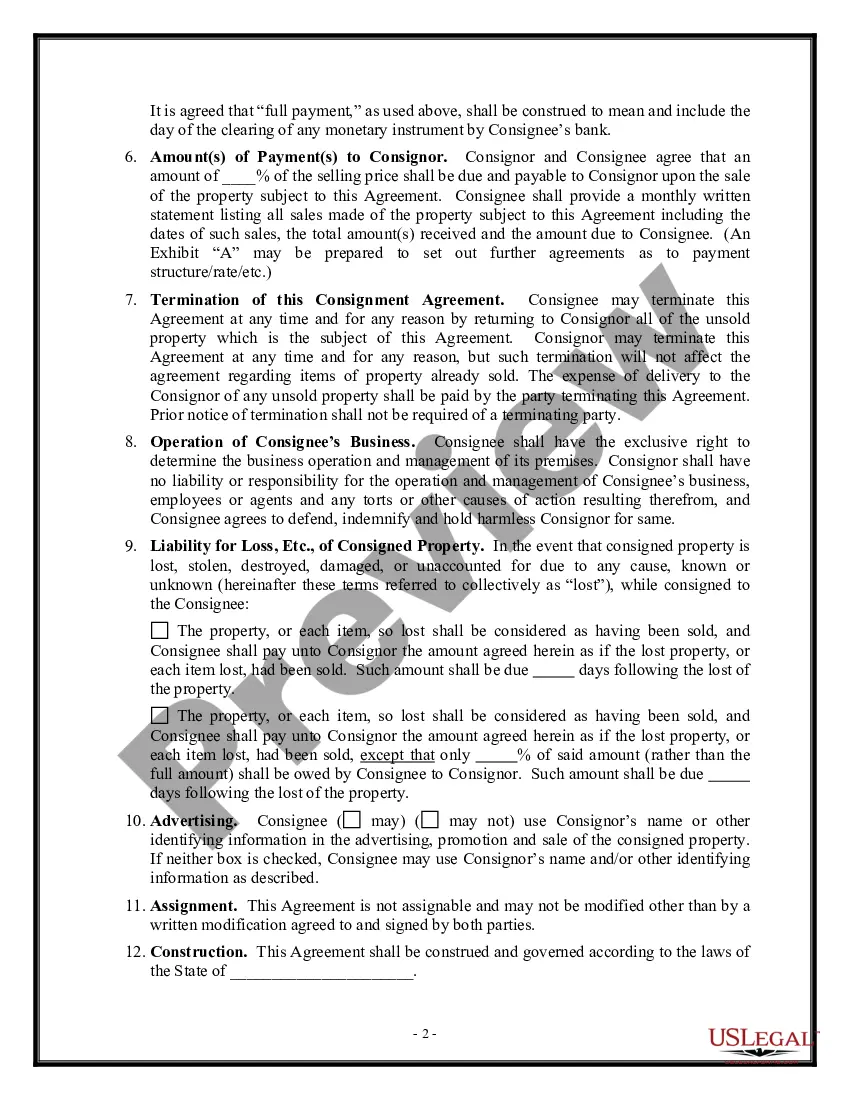
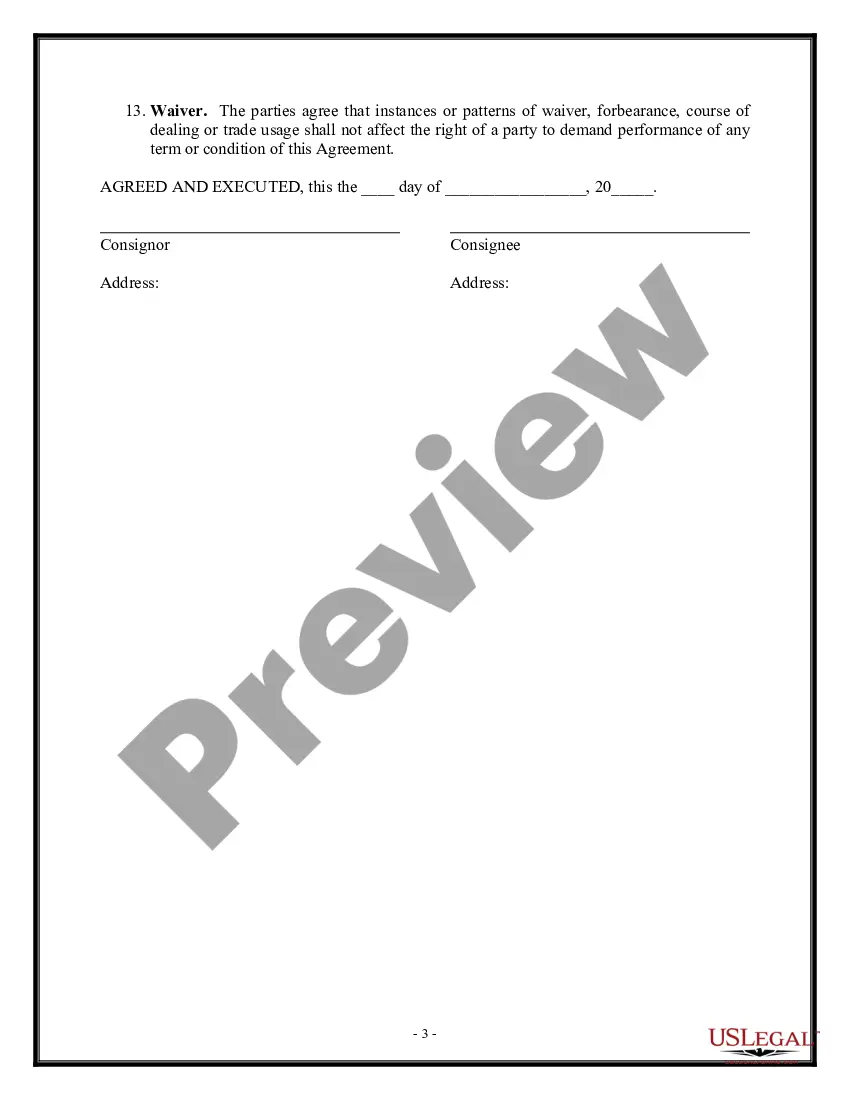
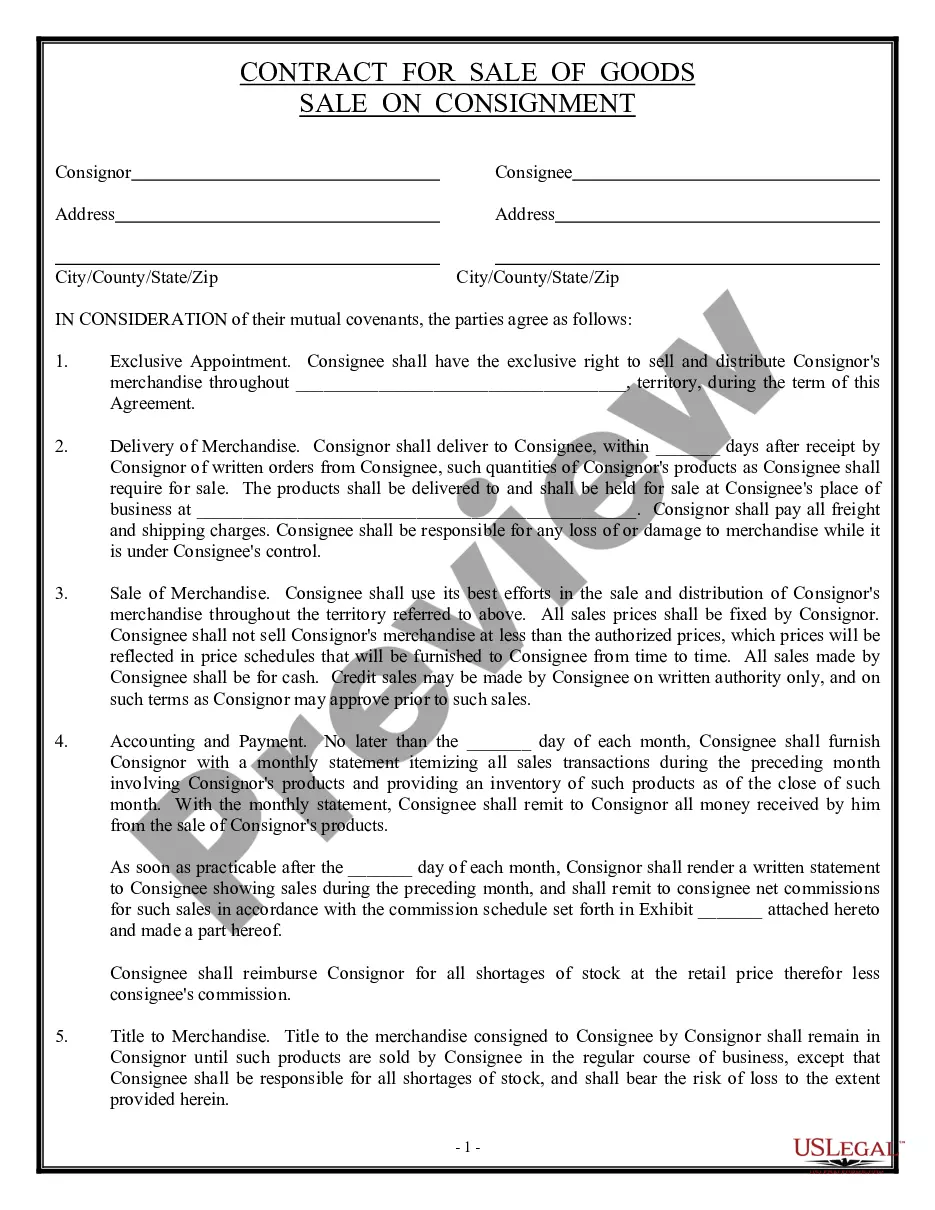
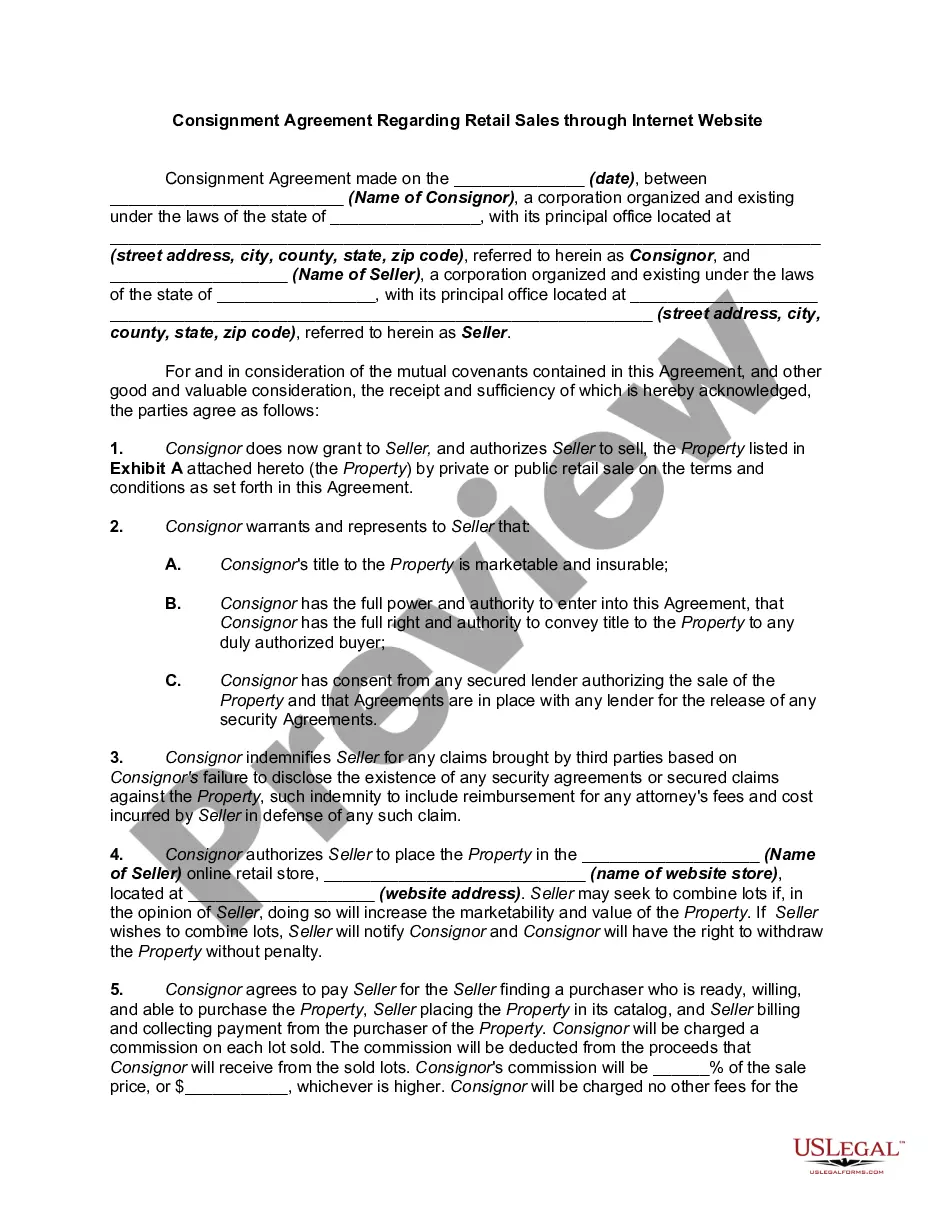
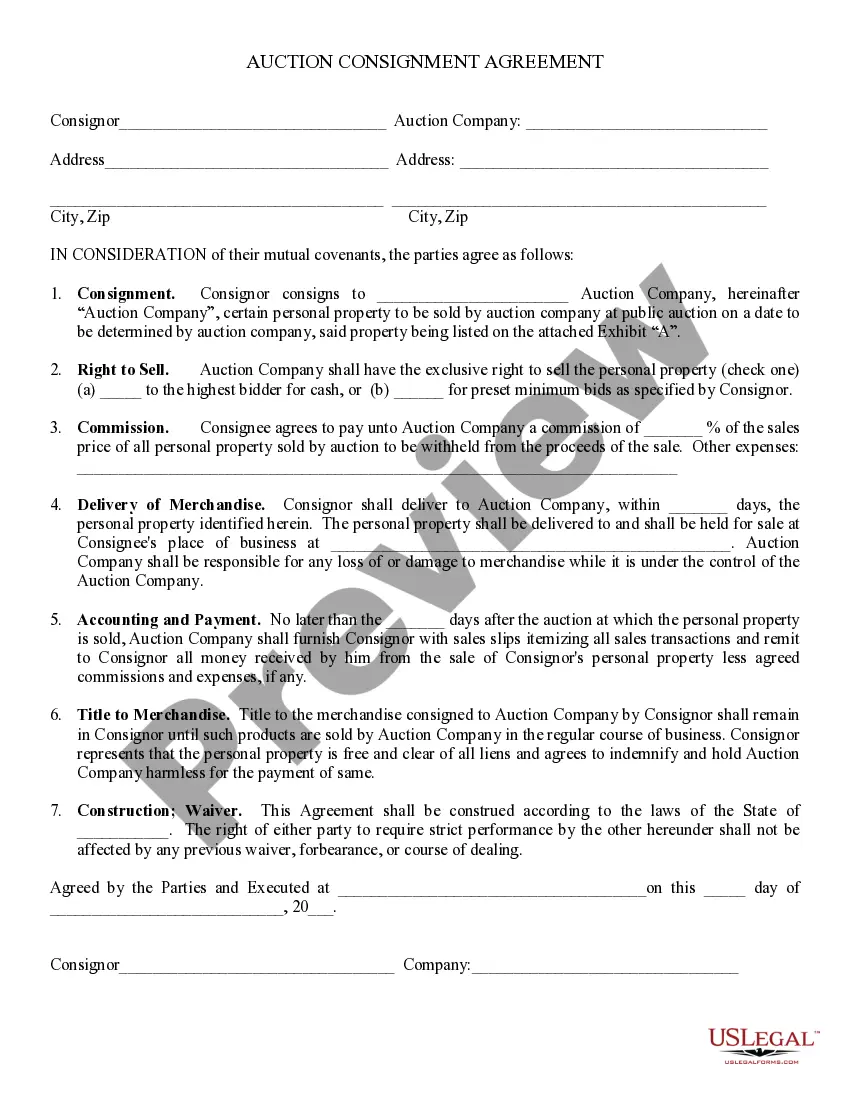
Get your form ready online
Our built-in tools help you complete, sign, share, and store your documents in one place.
Make edits, fill in missing information, and update formatting in US Legal Forms—just like you would in MS Word.
Download a copy, print it, send it by email, or mail it via USPS—whatever works best for your next step.
Sign and collect signatures with our SignNow integration. Send to multiple recipients, set reminders, and more. Go Premium to unlock E-Sign.
If this form requires notarization, complete it online through a secure video call—no need to meet a notary in person or wait for an appointment.
We protect your documents and personal data by following strict security and privacy standards.

Make edits, fill in missing information, and update formatting in US Legal Forms—just like you would in MS Word.

Download a copy, print it, send it by email, or mail it via USPS—whatever works best for your next step.

Sign and collect signatures with our SignNow integration. Send to multiple recipients, set reminders, and more. Go Premium to unlock E-Sign.

If this form requires notarization, complete it online through a secure video call—no need to meet a notary in person or wait for an appointment.

We protect your documents and personal data by following strict security and privacy standards.
Looking for another form?




Form popularity
FAQ
Therapy and counseling licensing requirements To become licensed as a professional counselor in the state of Virginia, one must first obtain a degree at the master's level. Following degree completion, Virginia LPC requirements state that a 3,400-hour supervised clinical residency must be done.
What is the fastest way to become a therapist? Licensed therapists need a bachelor's and master's degree, which typically takes six years for full-time students. You can speed up the process by maximizing your transfer credits, earning credit by exam, and enrolling in an accelerated program.
The Virginia Board of Counseling consists of a 12-member Board, a Regulatory Board, an Advisory Board on Art Therapy, as well as administrative, enforcement, licensing, and support staff.
For example, LPCs in Virginia are required to complete a master's degree with at least 60 credit hours, focusing on courses in counseling theory, human behavior, and ethics. They must also complete 3,400 hours of supervised post-graduate work experience.
LPC and Resident in Counseling Application Information 3,400 hours of supervised experience. 2,000 face-to-face hours of client contact. 200 hours of in-person supervision.
In 2018, Virginia created formalized requirements for becoming a QMHP that specified how to achieve the designation. In order to become a QMHP in Virginia, you'll need either: a bachelor's degree in non-human services and 3,000 hours of experience, a bachelor's degree in human services (psychology, social work, etc.)
An AMHP can be a social worker, a psychiatric nurse, an occupational therapist or a clinical psychologist (but not a medical doctor). We have to comply with statutory requirements including attending 18 hours relevant training per year, and succeed in getting through a re-approval process every 5 years.
For initial licensure, all applicants are required to sit and pass the National Clinical Mental Health Counselor Examination (NCMHCE), or the National Counselor Examination (NCE), administered by NBCC. Visit the NBCC website for detailed information about the NCMHCE and NCE examinations.
