Consignment Note For Road Transport In Ohio
Description

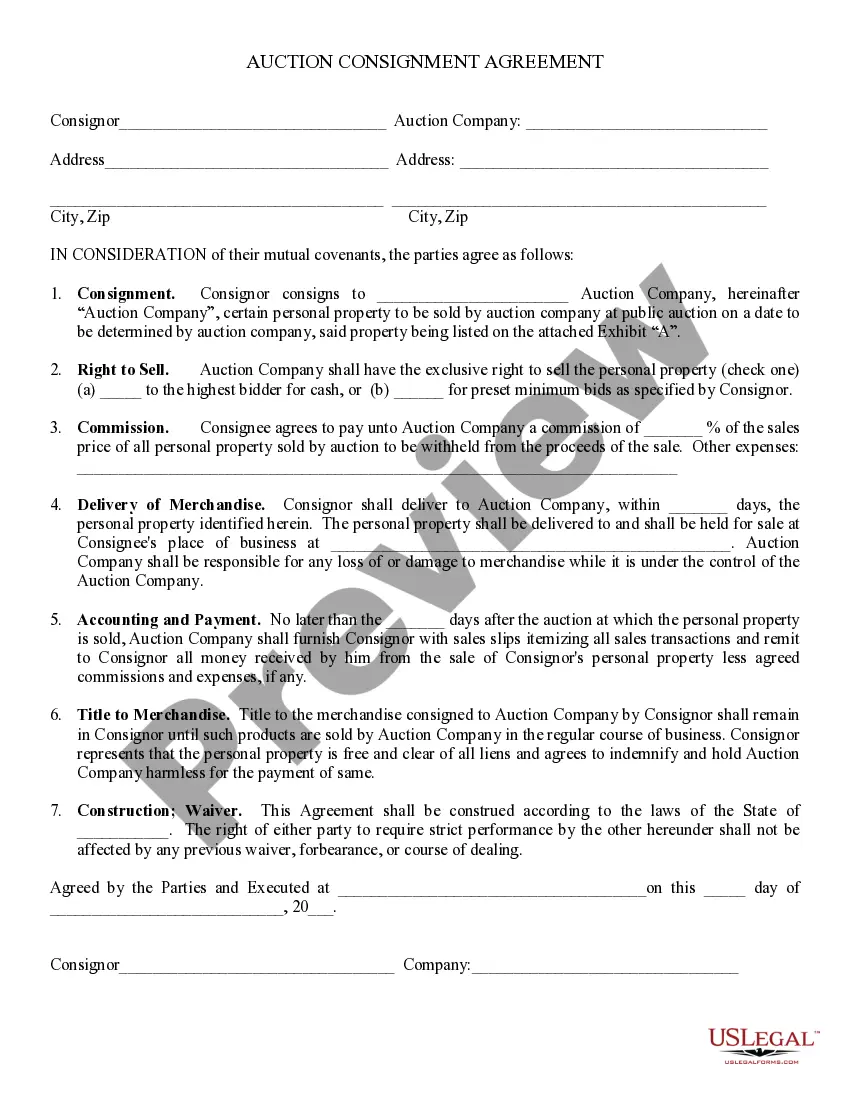
Get your form ready online
Our built-in tools help you complete, sign, share, and store your documents in one place.
Make edits, fill in missing information, and update formatting in US Legal Forms—just like you would in MS Word.
Download a copy, print it, send it by email, or mail it via USPS—whatever works best for your next step.
Sign and collect signatures with our SignNow integration. Send to multiple recipients, set reminders, and more. Go Premium to unlock E-Sign.
If this form requires notarization, complete it online through a secure video call—no need to meet a notary in person or wait for an appointment.
We protect your documents and personal data by following strict security and privacy standards.

Make edits, fill in missing information, and update formatting in US Legal Forms—just like you would in MS Word.

Download a copy, print it, send it by email, or mail it via USPS—whatever works best for your next step.

Sign and collect signatures with our SignNow integration. Send to multiple recipients, set reminders, and more. Go Premium to unlock E-Sign.

If this form requires notarization, complete it online through a secure video call—no need to meet a notary in person or wait for an appointment.

We protect your documents and personal data by following strict security and privacy standards.
Looking for another form?










Form popularity
FAQ
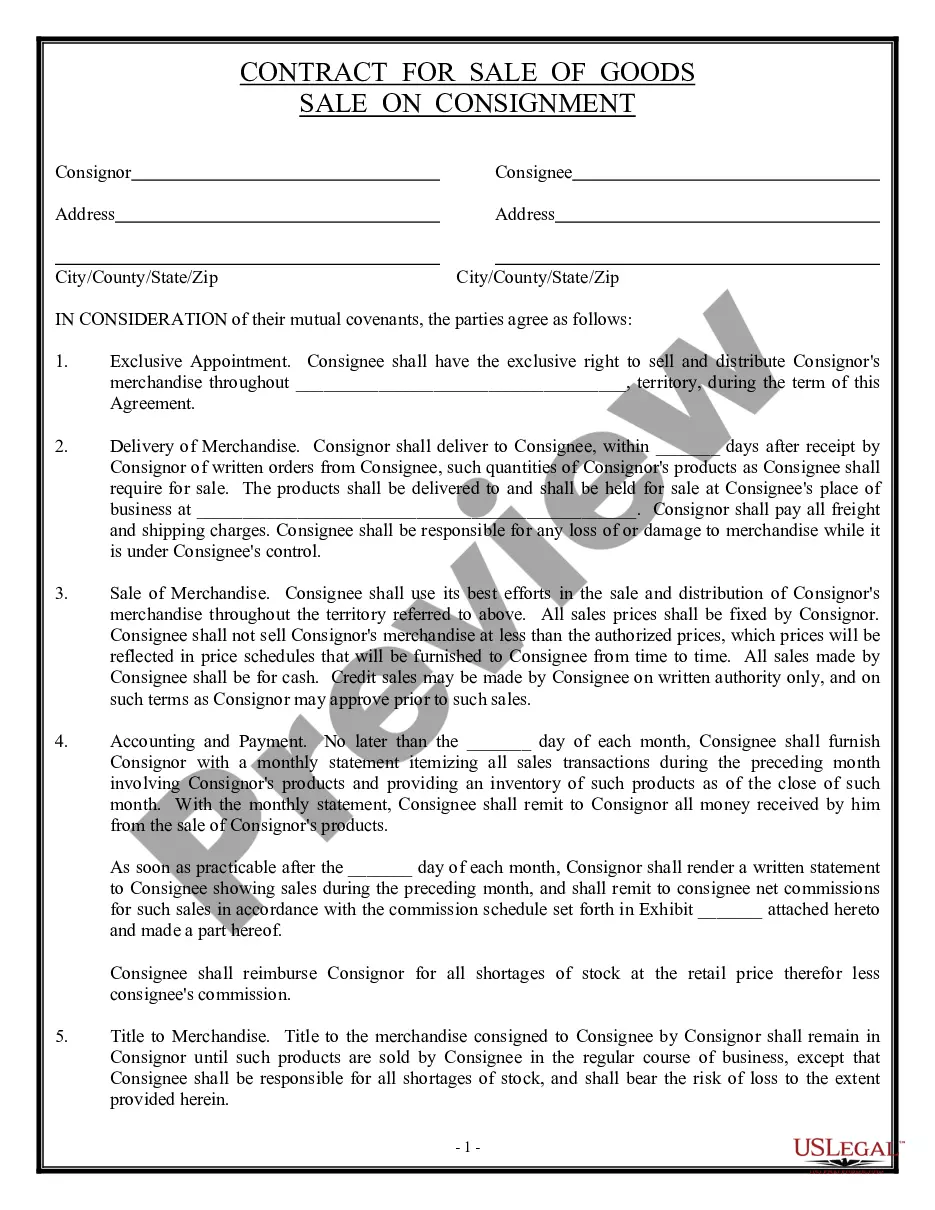
What information is required on a CMR Consignment note document? Sender's (exporter) Details. Consignee's (Receiver) Details. Place of Delivery of the goods (place, country) ... Place and date of taking over the goods (place, country, date) ... Annexed documents. 6 through to 12. Sender's Instructions.
Is there a difference between a waybill and a consignment note? - Quora. The waybill is the shipping company's documentation. The consignment note is the sender's documentation.
Document accompanying goods that is filled by the shipper. It serves as proof that a contract for carriage has been concluded and describes its content. It also serves as a receipt when goods are picked up from the shipper and delivered to the recipient.
Consignment. A “Consignment” is essentially a shipment of goods that a consignor (the sender) sends to a consignee (the receiver). This shipment's details are outlined in a transport document, which serves as a contract between the two parties.
The consignment note acts as a legal contract between the shipper, the carrier and the consignee, setting out the terms and conditions of carriage. This includes details on the type of goods, the place of pickup and delivery, and any special instructions for the shipment.
How to fill out a consignment note Sender's and recipient's data. Description of the goods. Conditions of transport. Details of the cargo and its packaging. Value of goods and insurance. Signature and date of issue. Additional information (when necessary)
In addition, the consignment note records the transport and freight costs, the date and place of acceptance, as well as the planned date and place of delivery. It also provides information (name, address) about the sender, recipient and carrier, as well as other agreements, notes, and conditions.
A document accompanying a consignment of goods in transit. It is signed by the consignee on delivery and acts as evidence that the goods have received.
LIST OF ACRONYMS AADTAverage Annual Daily Traffic ODOT Ohio Department of Transportation OS Oversize OW Overweight PANYNJ Port Authority of New York and New Jersey43 more rows
If you're not sure where to start or just would like to communicate with us, please call us at (614) 466-7170 or contact us online through our feedback form. The form will route your concern to the most appropriate office within ODOT for attention.