Consignment Note For Fridges In Kings
Description

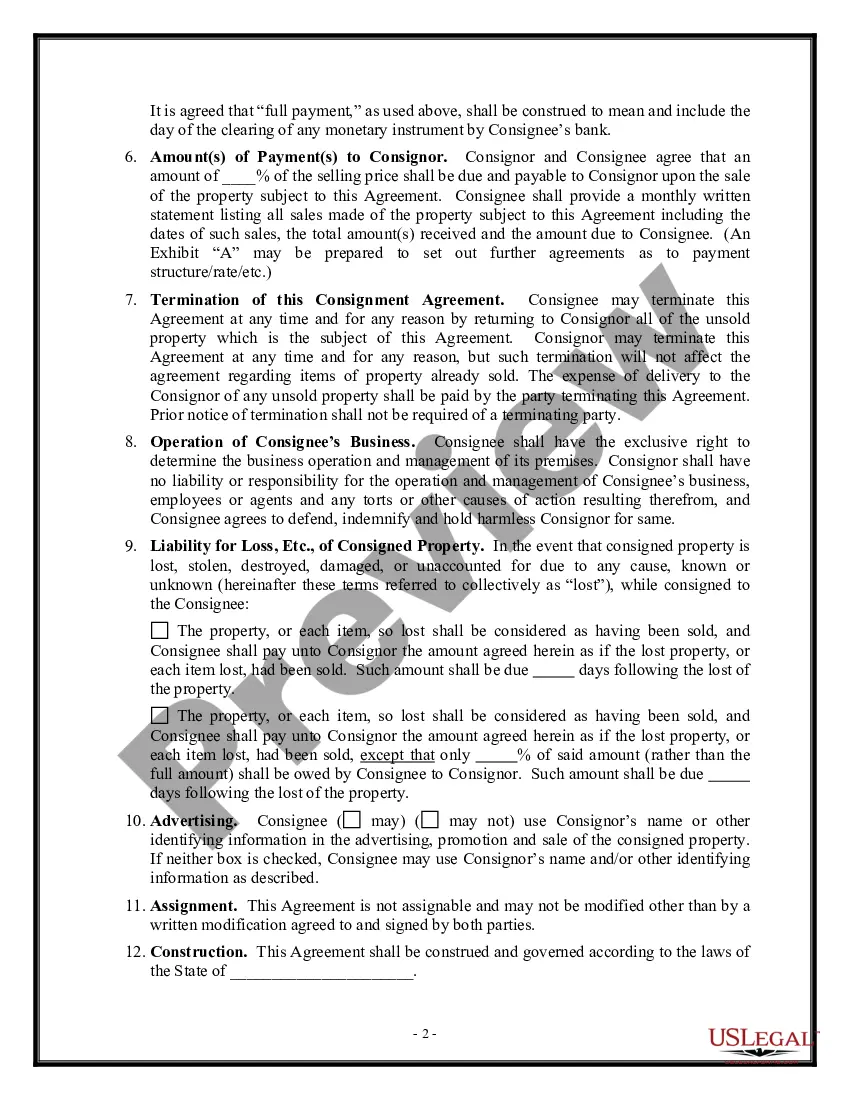
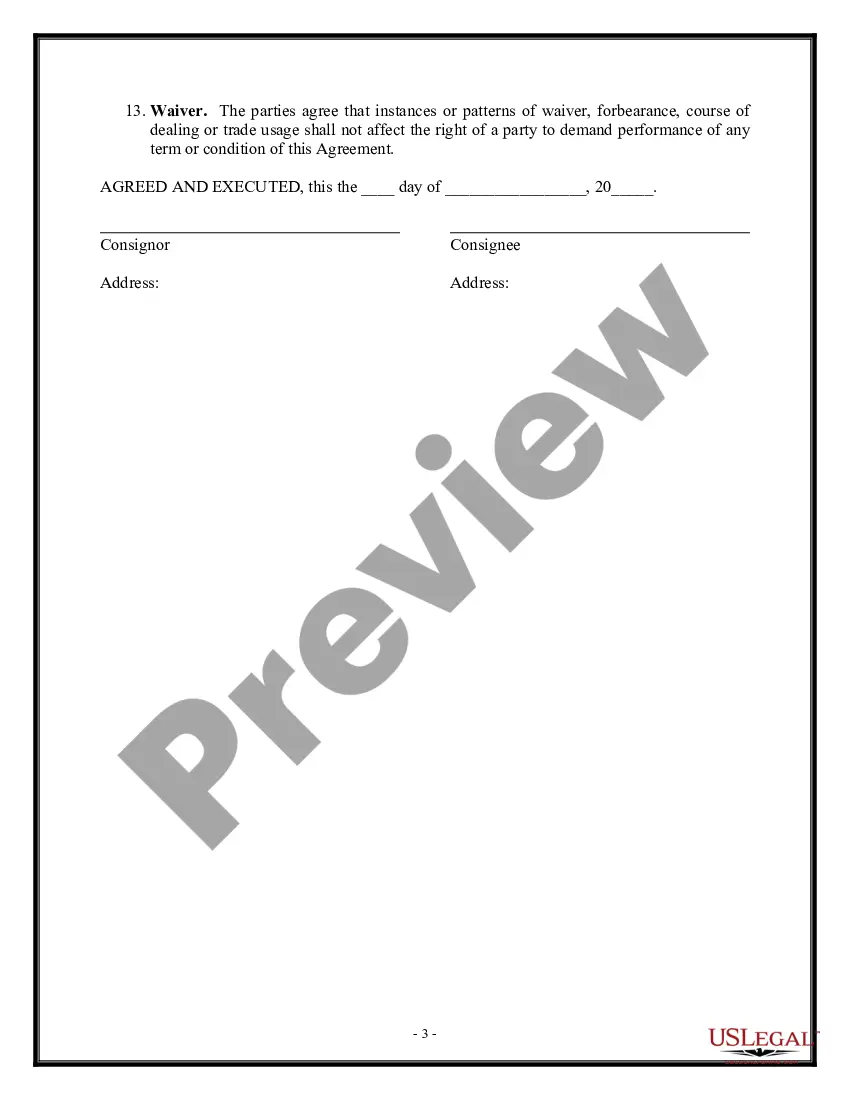
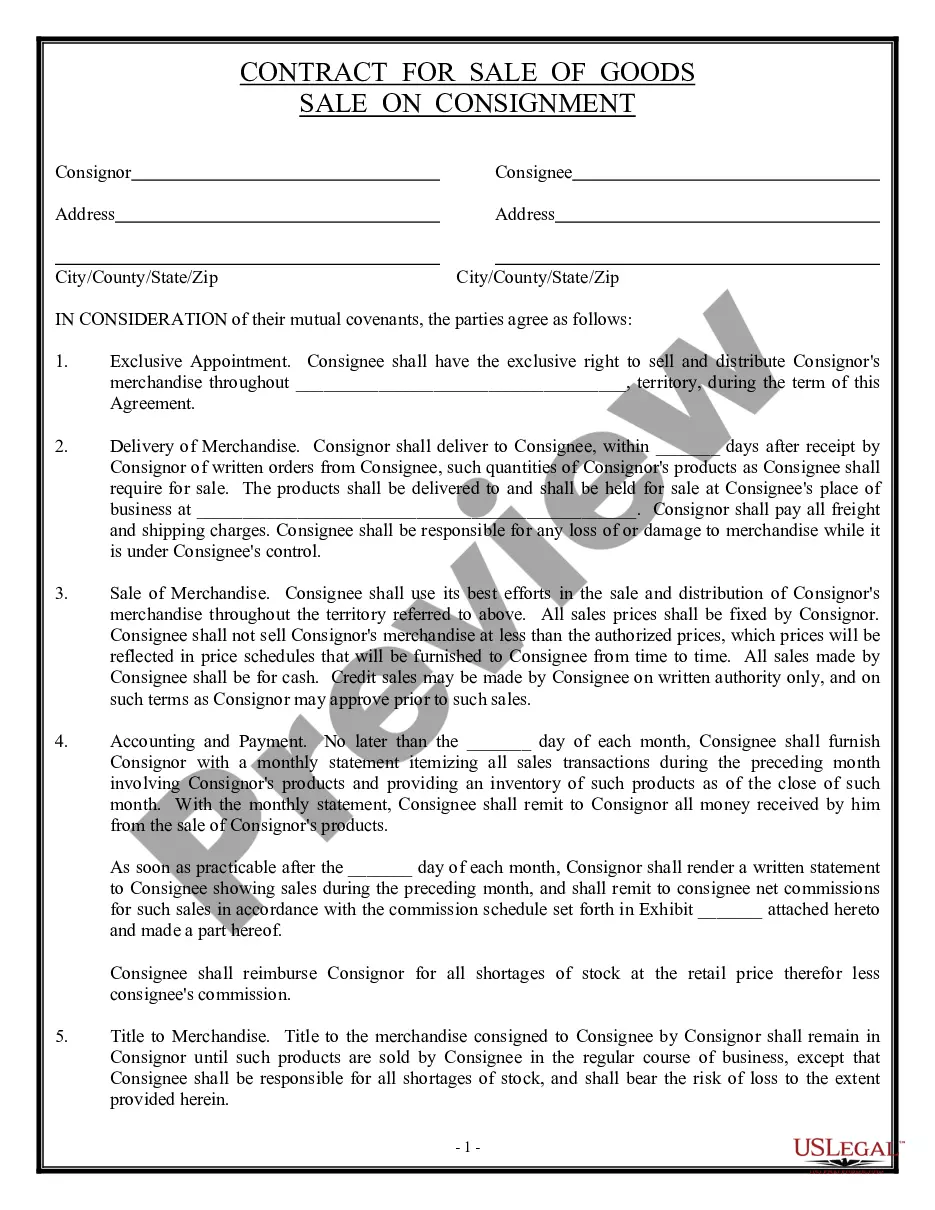
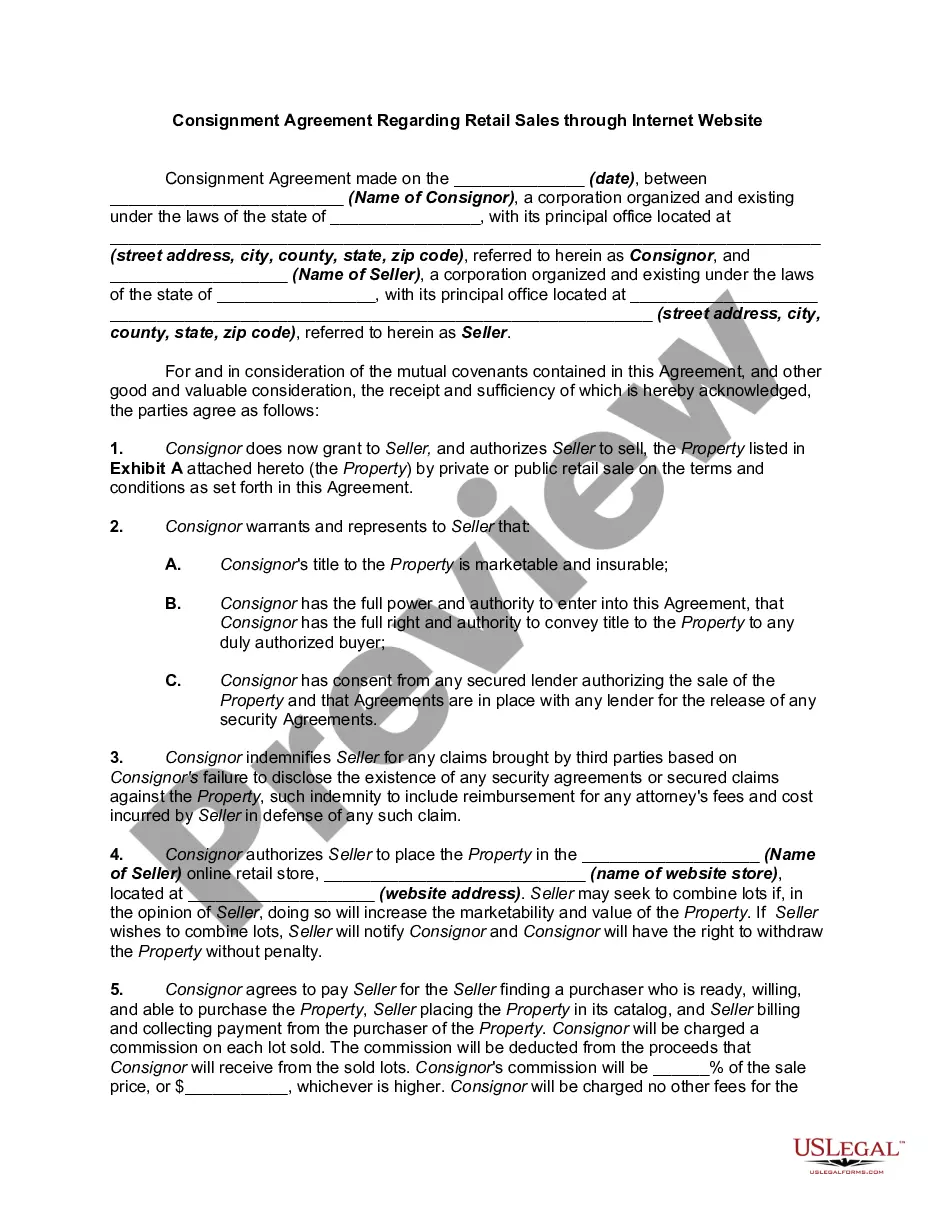
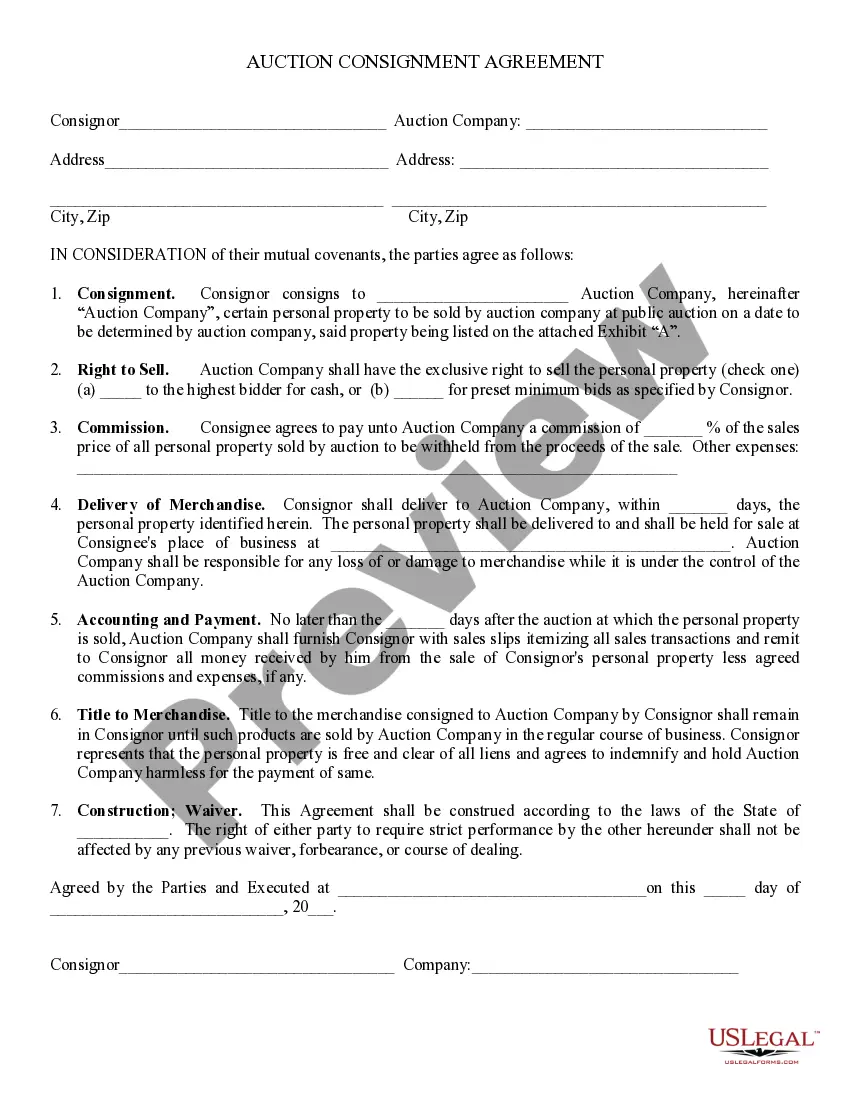
Get your form ready online
Our built-in tools help you complete, sign, share, and store your documents in one place.
Make edits, fill in missing information, and update formatting in US Legal Forms—just like you would in MS Word.
Download a copy, print it, send it by email, or mail it via USPS—whatever works best for your next step.
Sign and collect signatures with our SignNow integration. Send to multiple recipients, set reminders, and more. Go Premium to unlock E-Sign.
If this form requires notarization, complete it online through a secure video call—no need to meet a notary in person or wait for an appointment.
We protect your documents and personal data by following strict security and privacy standards.

Make edits, fill in missing information, and update formatting in US Legal Forms—just like you would in MS Word.

Download a copy, print it, send it by email, or mail it via USPS—whatever works best for your next step.

Sign and collect signatures with our SignNow integration. Send to multiple recipients, set reminders, and more. Go Premium to unlock E-Sign.

If this form requires notarization, complete it online through a secure video call—no need to meet a notary in person or wait for an appointment.

We protect your documents and personal data by following strict security and privacy standards.
Looking for another form?



Form popularity
FAQ
These notes clarify the procedures for consigning special (hazardous) wastes and also, for certain types of waste, their potential hazardous properties and how they are classified in the EWC.
Thanks to the Single Euro Payments Area (SEPA), customers can make cashless euro payments – via credit transfer and direct debit – to anywhere in the European Union, as well as a number of non-EU countries, in a fast, safe and efficient way, just like national payments.
The State Environmental Policy Act (SEPA) process identifies and analyzes environmental impacts associated with governmental decisions. These decisions may be related to issuing permits for private projects, constructing public facilities, or adopting regulations, policies, and plans.
The Single Euro Payments Area (SEPA) is a mechanism that facilitates the standardisation of electronic payments denominated in euro across Europe.
Consignee returns are reports on any hazardous waste received, treated or disposed of by a business (the 'consignee').
Ideal for documenting the disposal of hazardous waste such as asbestos, liquid waste, chemicals, pesticides, batteries, car oil. This Environment Agency style hazardous waste consignment note book is in triplicate providing a copy for the waste producer, carrier and consignee.
Document accompanying goods that is filled by the shipper. It serves as proof that a contract for carriage has been concluded and describes its content. It also serves as a receipt when goods are picked up from the shipper and delivered to the recipient.
SEPA payments are sent and received using PAIN and PACS ISO 20022 XML messages. PAIN and PACS messages include information regarding the account holder, the payment, and the beneficiary. More than 25 fields must be populated to send a single payment, including multiple technical IDs and payment scheme-specific details.
A consignee in shipping is listed on the bill of lading (BOL). This person or entity is the shipment receiver and generally the owner of the shipped goods. Unless there are other instructions, the consignee is the entity or person legally required to be present to accept the shipment.
