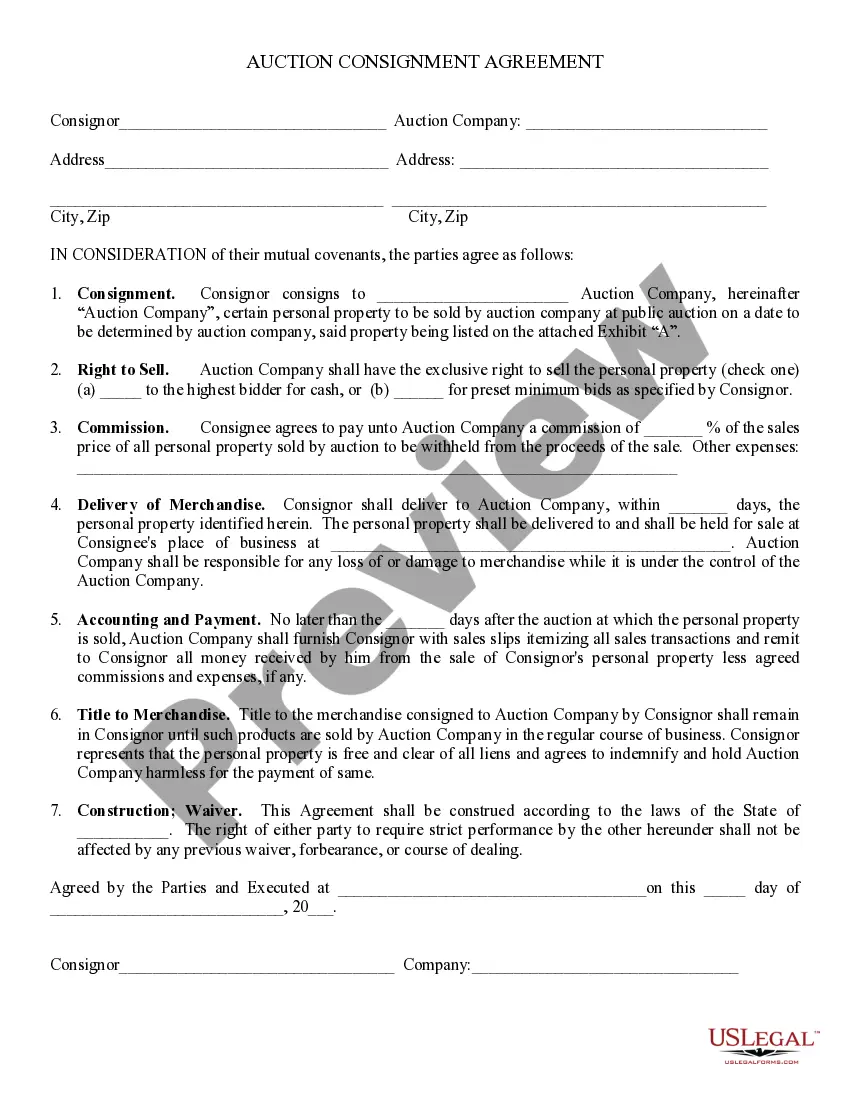
Consignment Form Template For Cars
Description

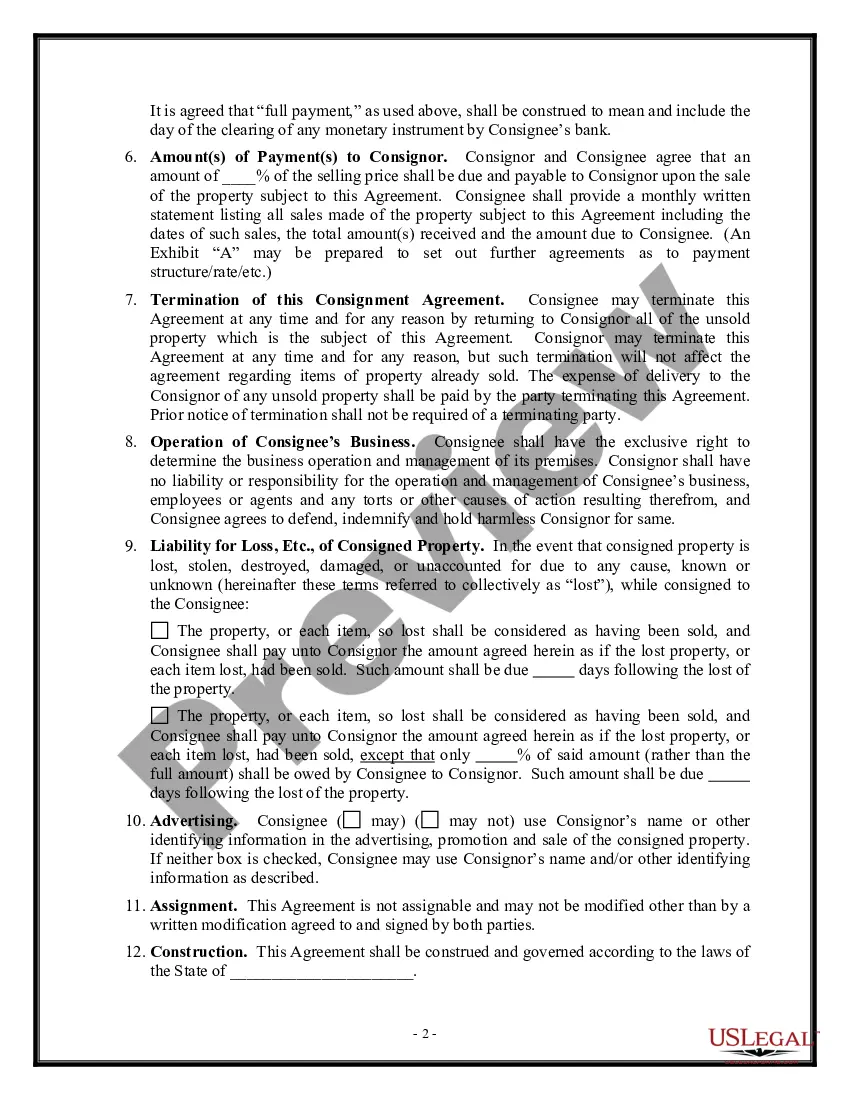
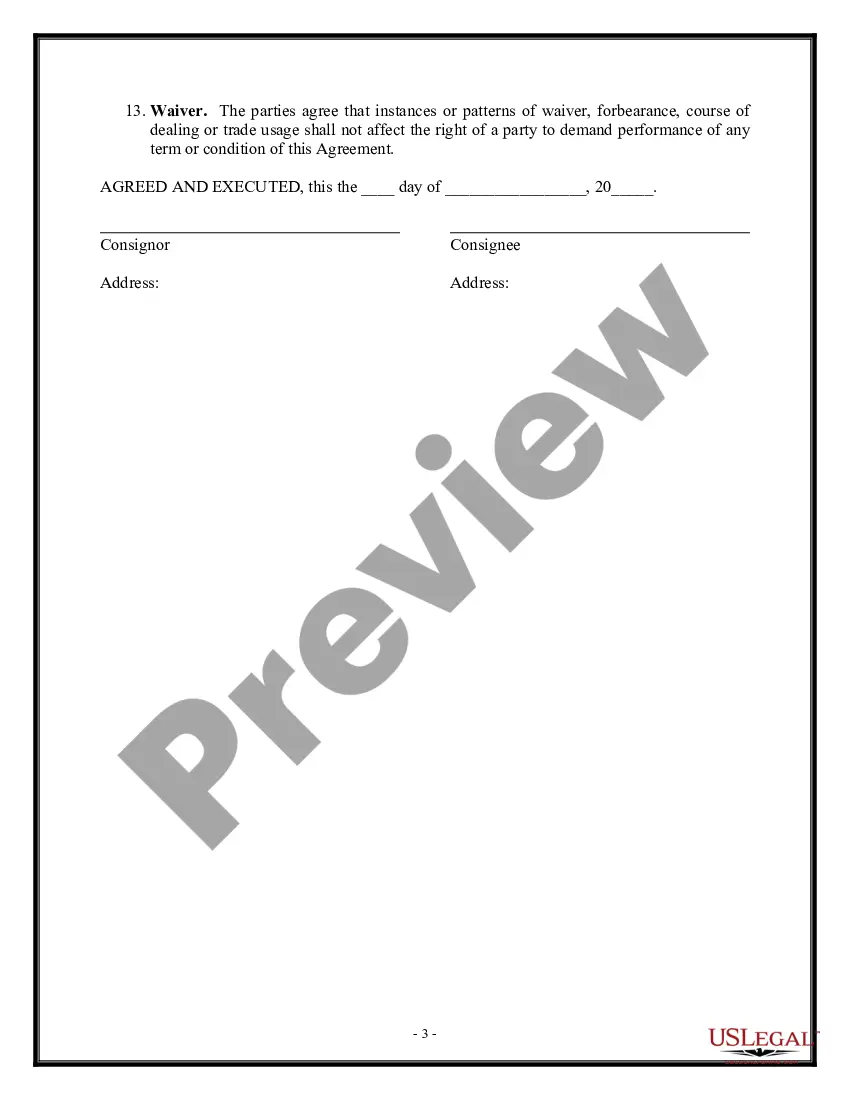
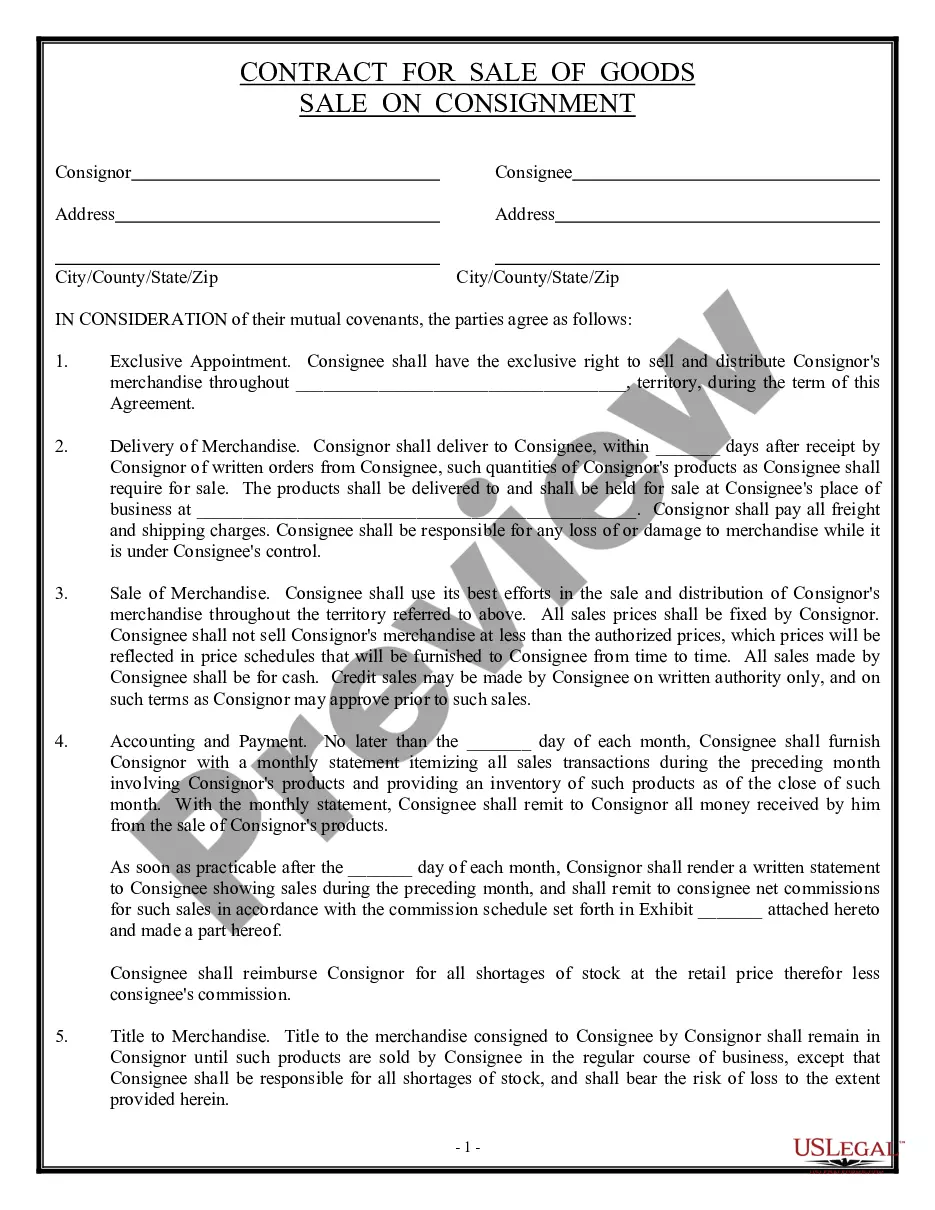
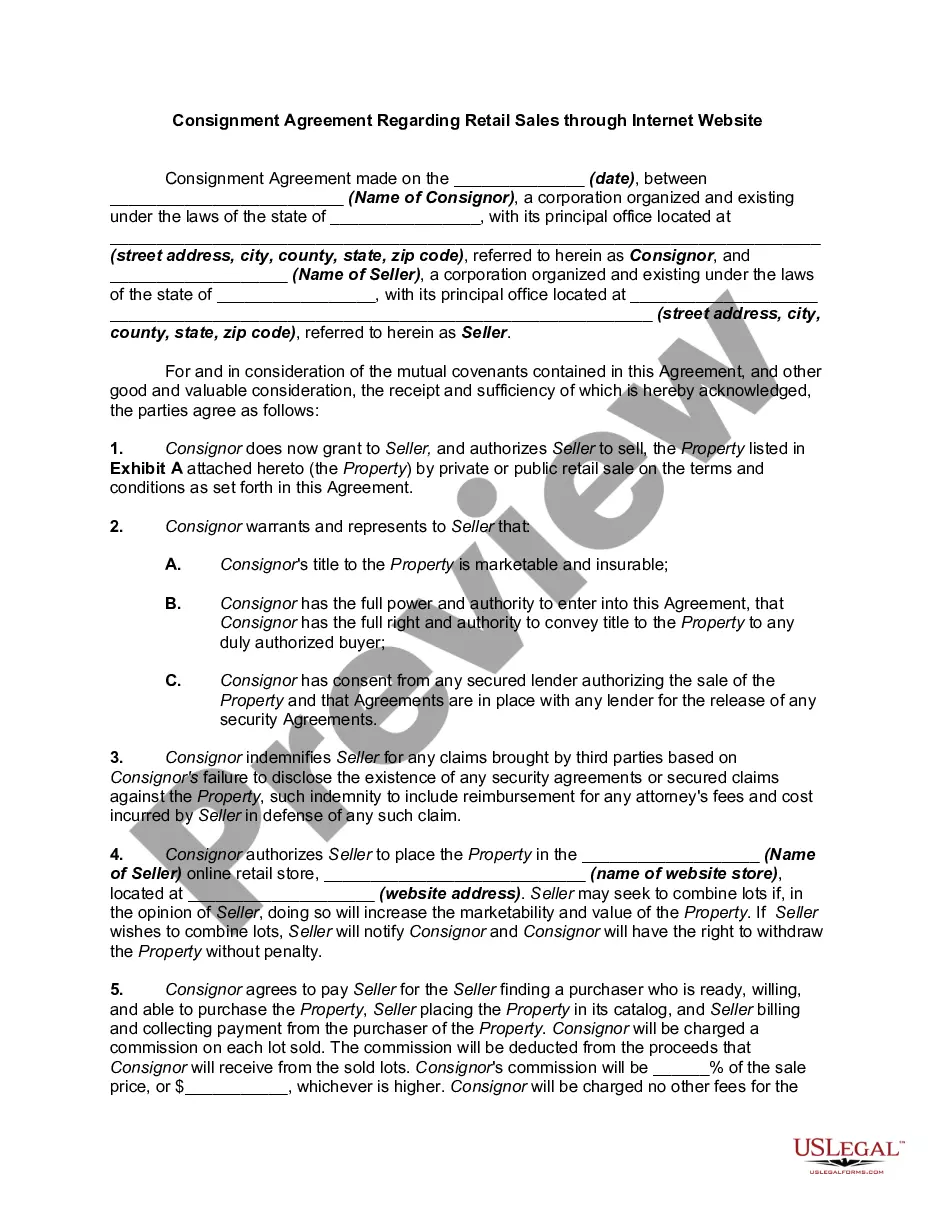
Get your form ready online
Our built-in tools help you complete, sign, share, and store your documents in one place.
Make edits, fill in missing information, and update formatting in US Legal Forms—just like you would in MS Word.
Download a copy, print it, send it by email, or mail it via USPS—whatever works best for your next step.
Sign and collect signatures with our SignNow integration. Send to multiple recipients, set reminders, and more. Go Premium to unlock E-Sign.
If this form requires notarization, complete it online through a secure video call—no need to meet a notary in person or wait for an appointment.
We protect your documents and personal data by following strict security and privacy standards.

Make edits, fill in missing information, and update formatting in US Legal Forms—just like you would in MS Word.

Download a copy, print it, send it by email, or mail it via USPS—whatever works best for your next step.

Sign and collect signatures with our SignNow integration. Send to multiple recipients, set reminders, and more. Go Premium to unlock E-Sign.

If this form requires notarization, complete it online through a secure video call—no need to meet a notary in person or wait for an appointment.

We protect your documents and personal data by following strict security and privacy standards.
Looking for another form?

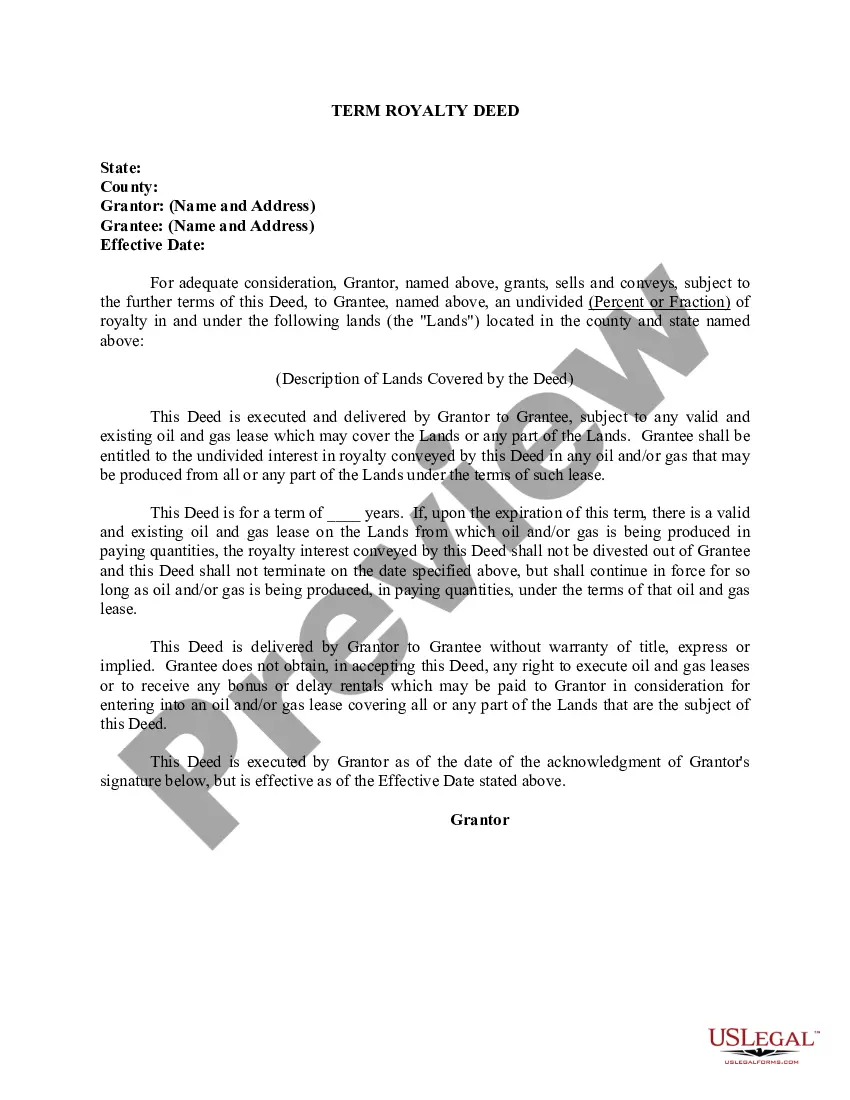




How to fill out Consignment Agreement?
Utilizing sample legal documents that adhere to federal and local laws is crucial, and the internet presents numerous choices to select from.
However, why spend time searching for the properly formatted Consignment Form Template For Cars online when the US Legal Forms digital library already compiles such templates in one location.
US Legal Forms is the largest online legal repository featuring over 85,000 editable templates created by attorneys for various business and personal situations.
Examine the template using the Preview feature or through the text description to ensure it satisfies your requirements. Search for an alternative sample using the search tool at the top of the page if necessary. Click Buy Now once you've found the appropriate form and select a subscription plan. Create an account or Log In and process the payment using PayPal or a credit card. Choose the ideal format for your Consignment Form Template For Cars and download it. All templates you find through US Legal Forms are reusable. To re-download and fill out previously saved forms, open the My documents tab in your profile. Enjoy the most comprehensive and user-friendly legal documentation service!
- They are straightforward to navigate with all documents categorized by state and intended use.
- Our experts stay informed about legislative updates, ensuring that your paperwork is always current and compliant when acquiring a Consignment Form Template For Cars from our site.
- Obtaining a Consignment Form Template For Cars is fast and simple for both existing and new users.
- If you already possess an account with an active subscription, Log In and download the document sample you need in the appropriate format.
- If you are new to our site, adhere to the instructions below.
Form popularity
FAQ
To put a car on consignment, first choose a reputable dealer who specializes in consignment sales. Then, prepare the necessary paperwork, including a consignment agreement that outlines your terms. Using a consignment form template for cars can help you create a clear and concise agreement that protects your interests throughout the sale.
To sell a car, you typically need the vehicle title, a bill of sale, and any disclosures required by your state. If you choose to sell on consignment, you will also need to complete a consignment agreement. A consignment form template for cars can guide you through the necessary paperwork, making the process smoother.
A consignment format is a document that outlines the agreement between a seller and a consignment dealer. It specifies the terms under which the dealer will sell the car on behalf of the seller. Using a consignment form template for cars helps ensure that all necessary details are included, protecting both parties in the transaction.
Key features of consignment include: Ownership: The consignor remains the legal owner of the goods until they are sold to an end customer. Risk: The consignor usually bears the risk of loss, damage, or obsolescence of the consigned goods until they are sold.
A consignment agreement is a contract between the consignor and the consignee, and should include these basic provisions: Parties. Provide the names and addresses of the consignor and the consignee. Item(s) for sale. ... Pricing. ... Payment. ... Expenses. ... Record-keeping. ... Ownership. ... Insurance.
Components of a Consignment Agreement Template Description of goods and terms for selling them. The consignee's responsibilities when it comes to the sale, including where they will be sold and when. The consignee's commission rate on each sale, along with the payment plan for receiving their money from sales.
3. Consignment agreement instructions Introduction of Parties. Identifies the parties and the date of the agreement. ... Recitals. ... Section 1: Consigned property. ... Section 2: Delivery of goods. ... Section 3: Consignment period. ... Section 4: Efforts to sell. ... Section 5: Title to products. ... Section 6: Payment; commission.
Under a consignment agreement, the consignee doesn't pay upfront. Instead, they only pay a percentage of the sale fee when and if they manage to sell it. Since the consignee hasn't paid for the goods, they don't own them. But in a business-to-business context, that can be a perk.