Consignment Contract Sample With Price
Description

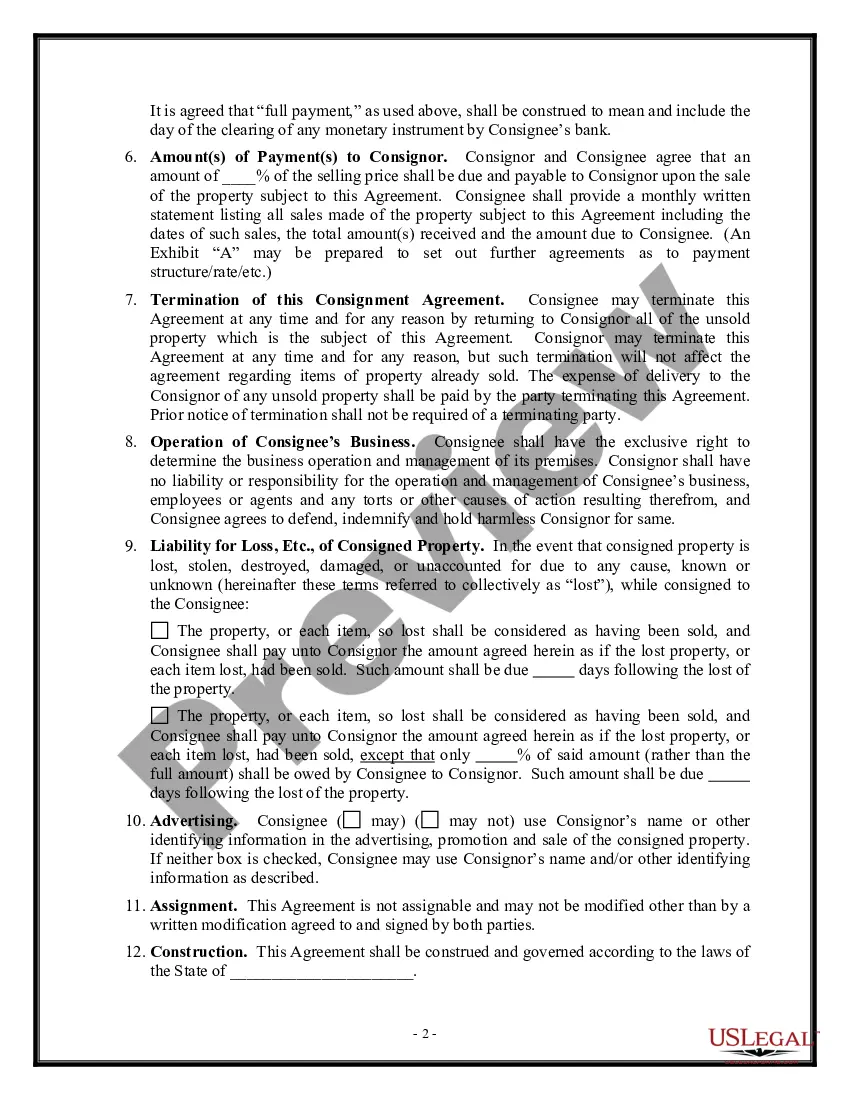
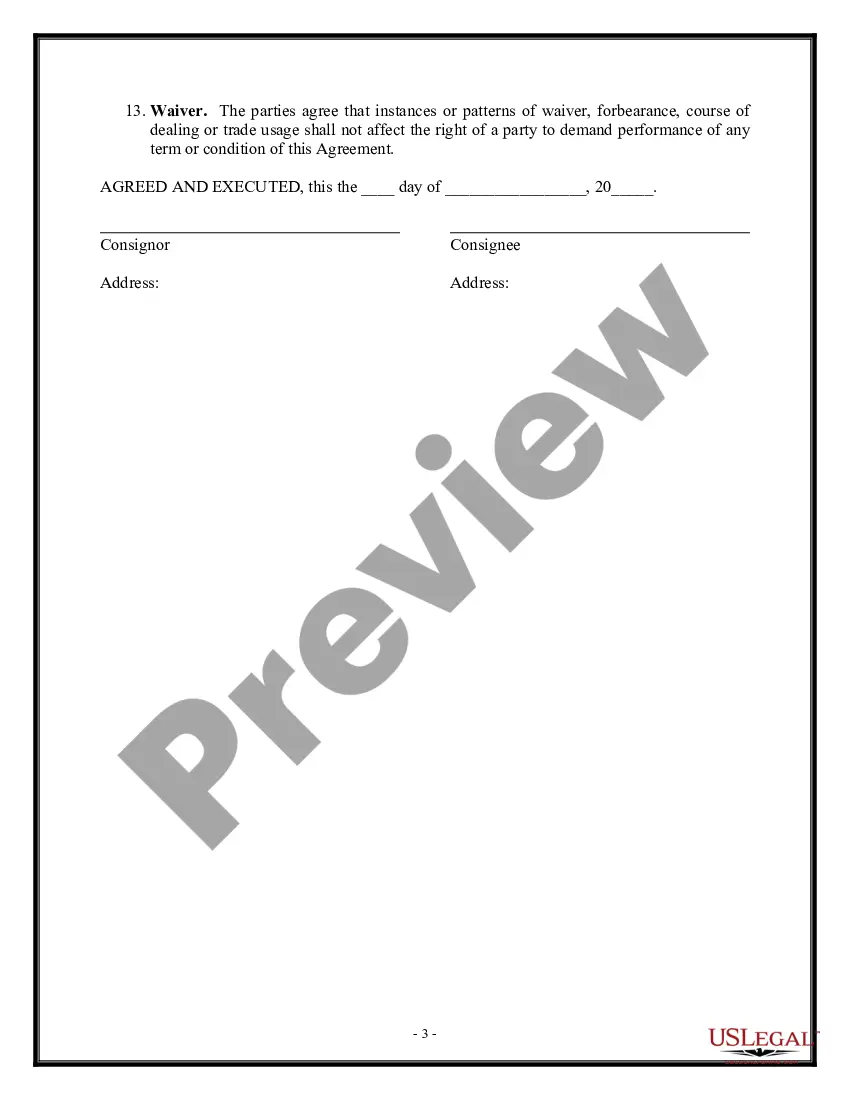
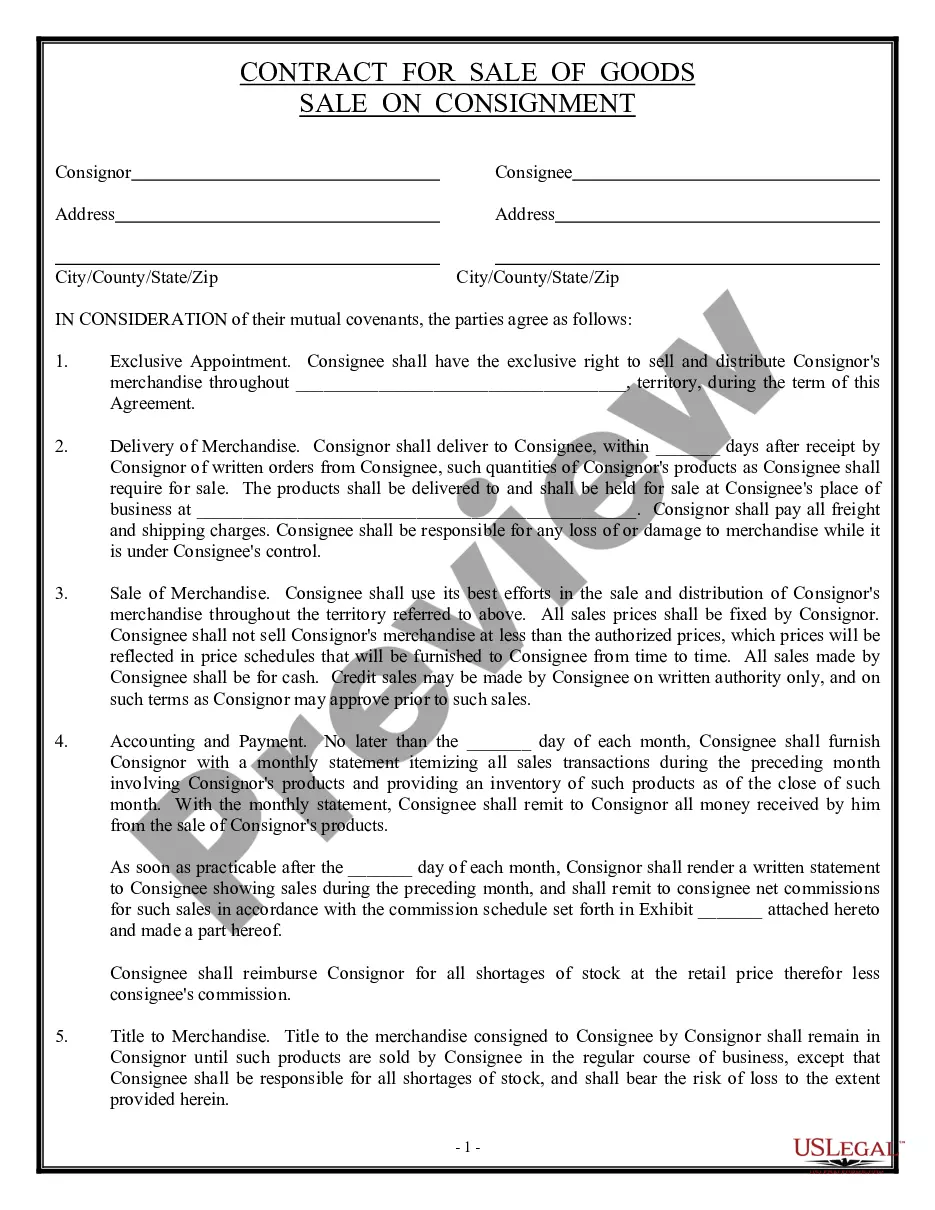
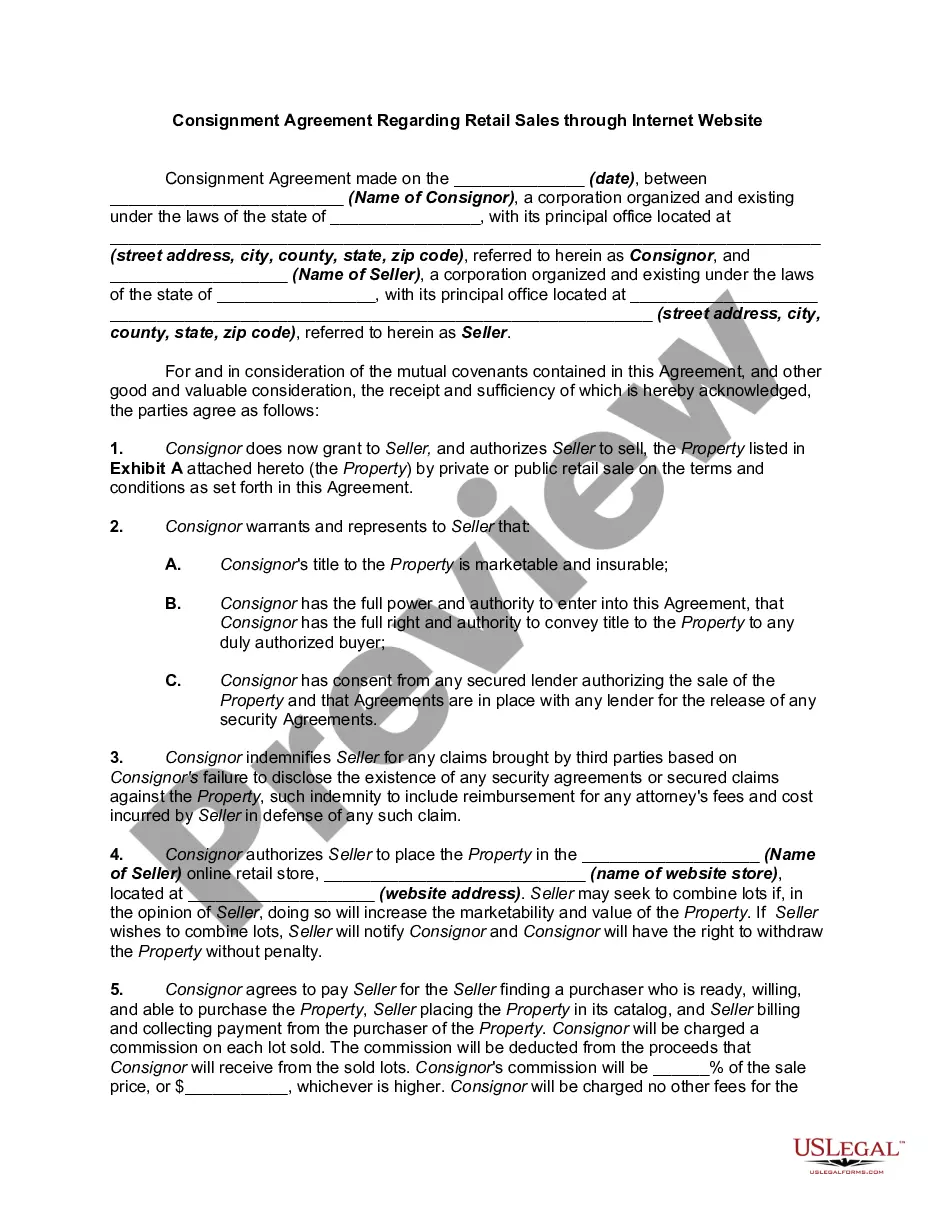
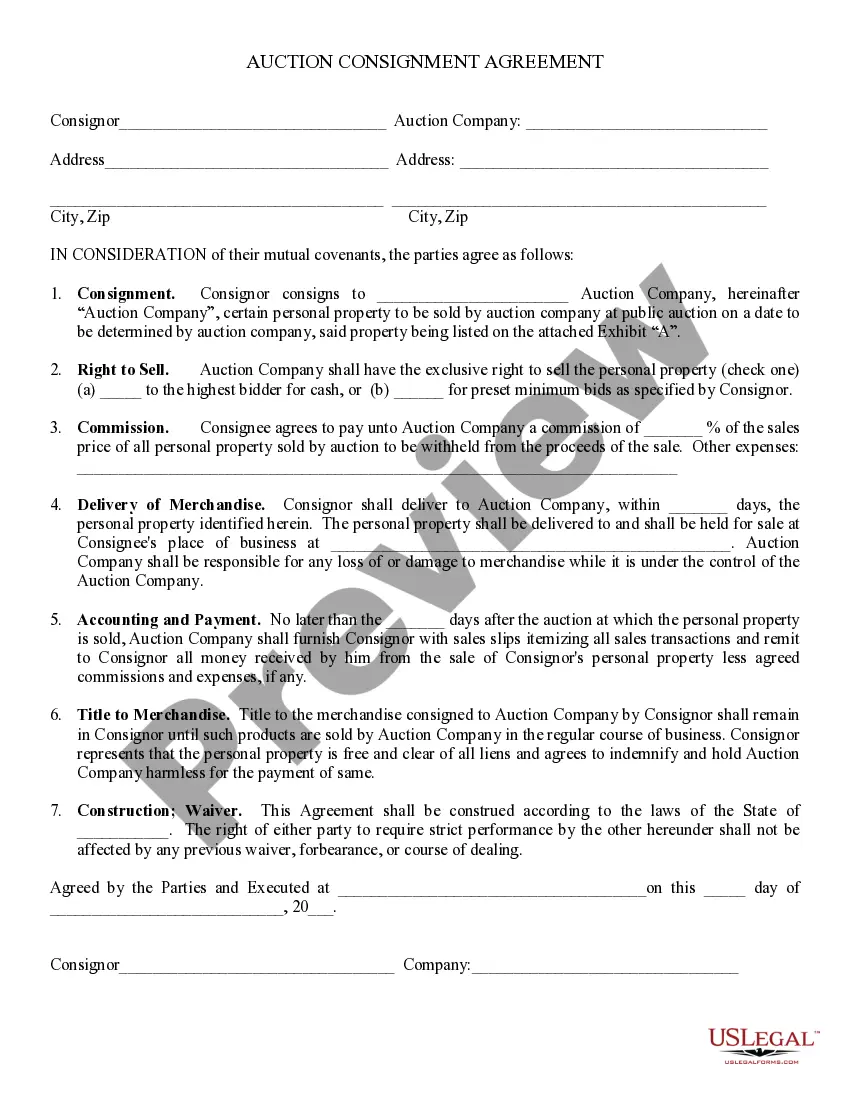
Get your form ready online
Our built-in tools help you complete, sign, share, and store your documents in one place.
Make edits, fill in missing information, and update formatting in US Legal Forms—just like you would in MS Word.
Download a copy, print it, send it by email, or mail it via USPS—whatever works best for your next step.
Sign and collect signatures with our SignNow integration. Send to multiple recipients, set reminders, and more. Go Premium to unlock E-Sign.
If this form requires notarization, complete it online through a secure video call—no need to meet a notary in person or wait for an appointment.
We protect your documents and personal data by following strict security and privacy standards.

Make edits, fill in missing information, and update formatting in US Legal Forms—just like you would in MS Word.

Download a copy, print it, send it by email, or mail it via USPS—whatever works best for your next step.

Sign and collect signatures with our SignNow integration. Send to multiple recipients, set reminders, and more. Go Premium to unlock E-Sign.

If this form requires notarization, complete it online through a secure video call—no need to meet a notary in person or wait for an appointment.

We protect your documents and personal data by following strict security and privacy standards.
Looking for another form?
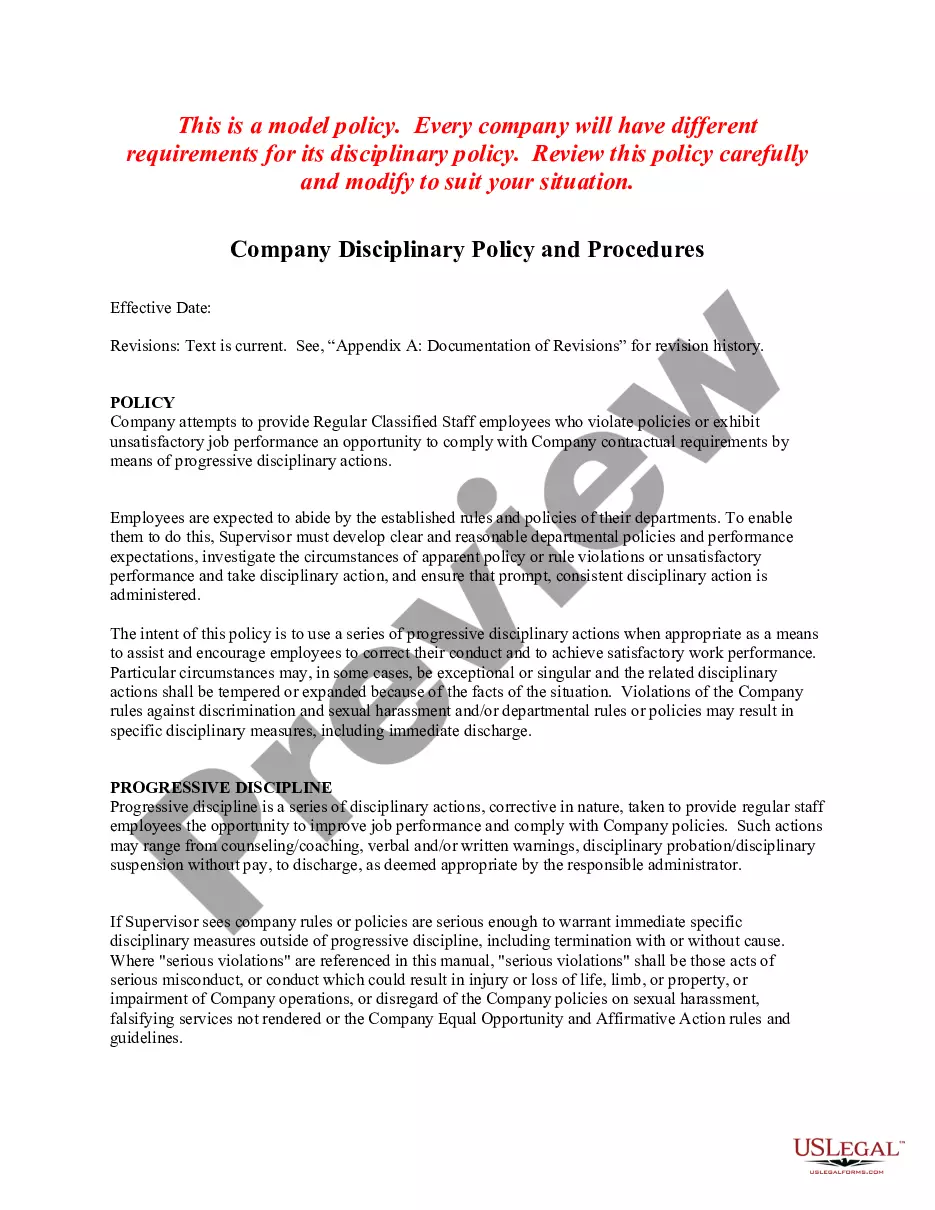

How to fill out Consignment Agreement?
The Consignment Agreement Example With Price displayed on this page is a versatile legal template created by experienced attorneys in compliance with federal and state laws.
For over 25 years, US Legal Forms has supplied individuals, enterprises, and lawyers with more than 85,000 authenticated, state-specific forms for any commercial and personal event. It’s the fastest, easiest, and most trustworthy method to acquire the documents you require, as the service assures the utmost level of data protection and anti-malware safeguards.
Choose the format you desire for your Consignment Agreement Example With Price (PDF, Word, RTF) and download the sample to your device.
- Search for the document you require and examine it.
- Browse through the sample you requested and preview it or check the form description to ensure it meets your needs. If it doesn't, use the search bar to find the correct one. Click Buy Now when you have found the template you need.
- Register and Log In.
- Select the pricing option that fits you and establish an account. Use PayPal or a credit card to make a swift payment. If you already possess an account, Log In and review your subscription to proceed.
- Obtain the editable template.
Form popularity
FAQ
Now that you know what consignment is, here's how to calculate consignment inventory. Step 1: Establish a Listing of Your Inventory of Consignment Products. ... Step 2: Subtract the Seller's or Shipper's Portion of the Consignment Product Sold. ... Step 3: Update the Inventory After the Sale.
The One-Third Rule of Consignment Pricing To establish a base price, we start with 1/3 of the item's original retail price, then add or subtract 10% for details that affect the item's desirability (wear, color, styling, etc.). You may need to adjust your base price ratio depending on the type of goods you sell.
Components of a Consignment Agreement Template Description of goods and terms for selling them. The consignee's responsibilities when it comes to the sale, including where they will be sold and when. The consignee's commission rate on each sale, along with the payment plan for receiving their money from sales.
3. Consignment agreement instructions Introduction of Parties. Identifies the parties and the date of the agreement. ... Recitals. ... Section 1: Consigned property. ... Section 2: Delivery of goods. ... Section 3: Consignment period. ... Section 4: Efforts to sell. ... Section 5: Title to products. ... Section 6: Payment; commission.
The contract normally states that the consignor is the actual owner of the item for sale and the consignee is responsible for its care and for any loss or damage to the item while in the consignee's possession. Insurance. The consignee is usually required to carry insurance that will cover the consigned item.