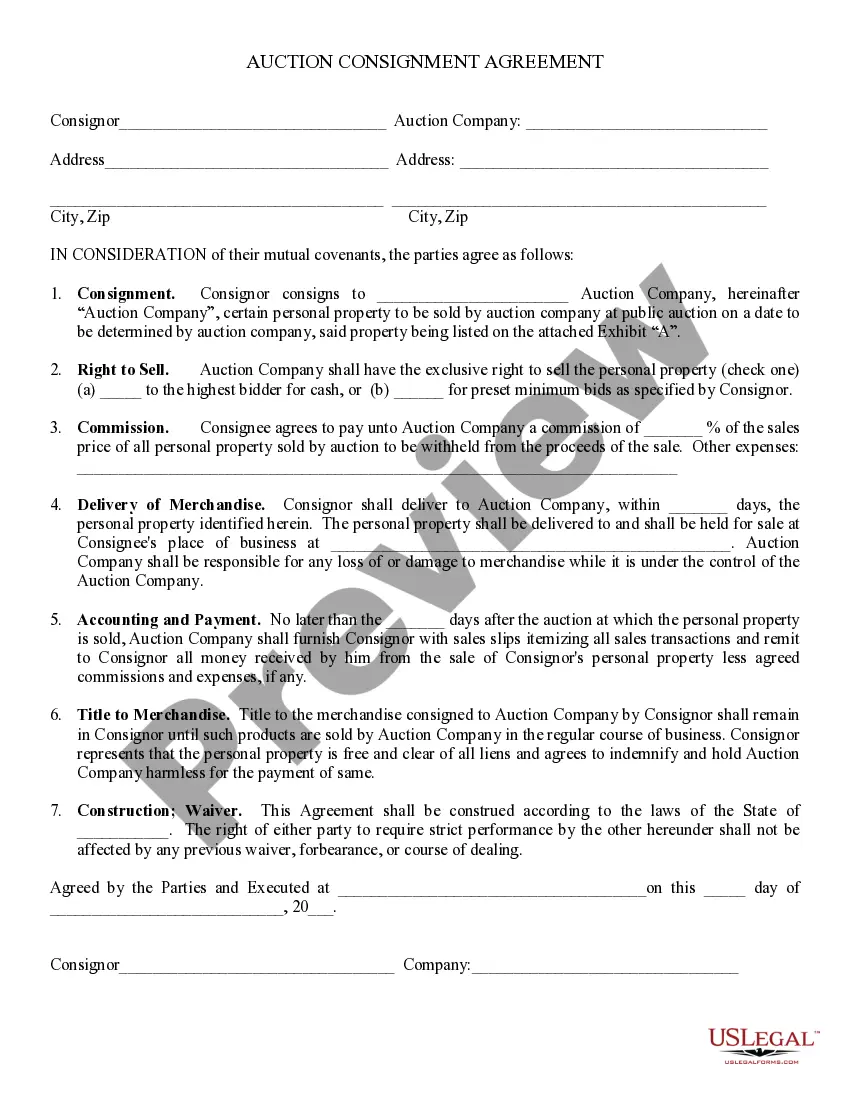
Consignment Form Template For Gta In Chicago
Description

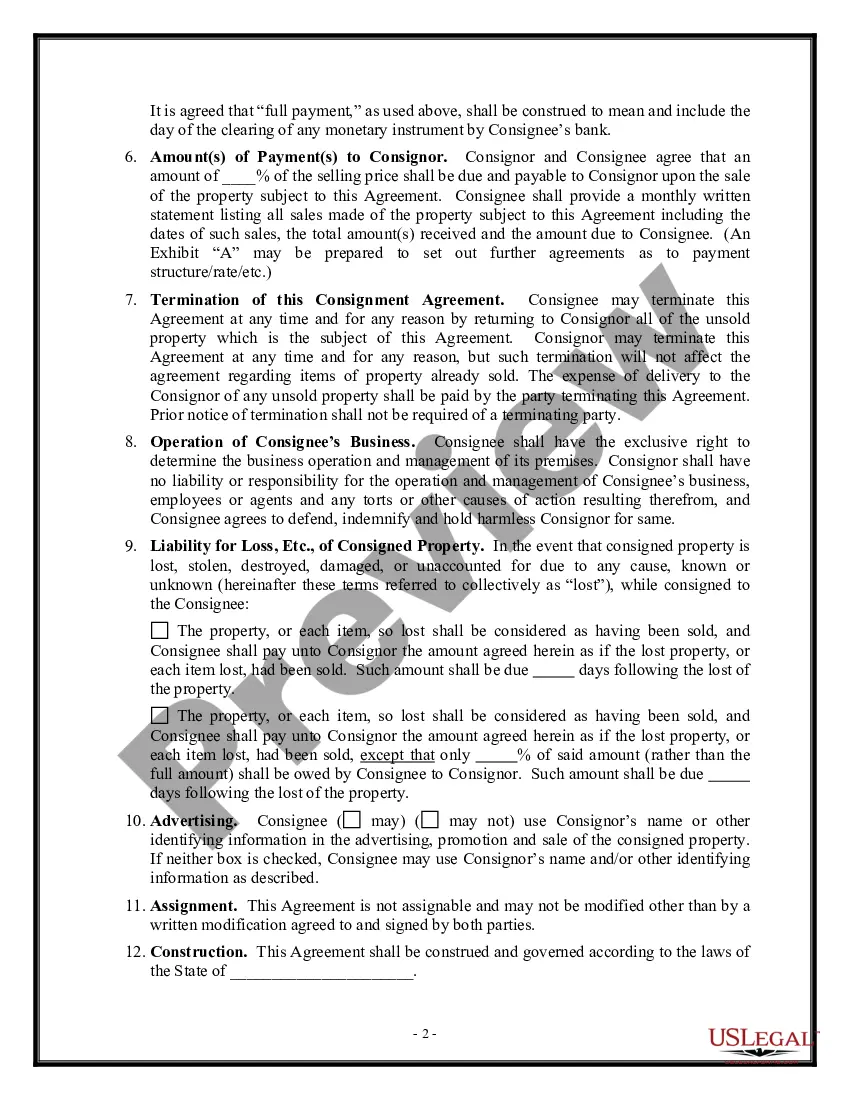
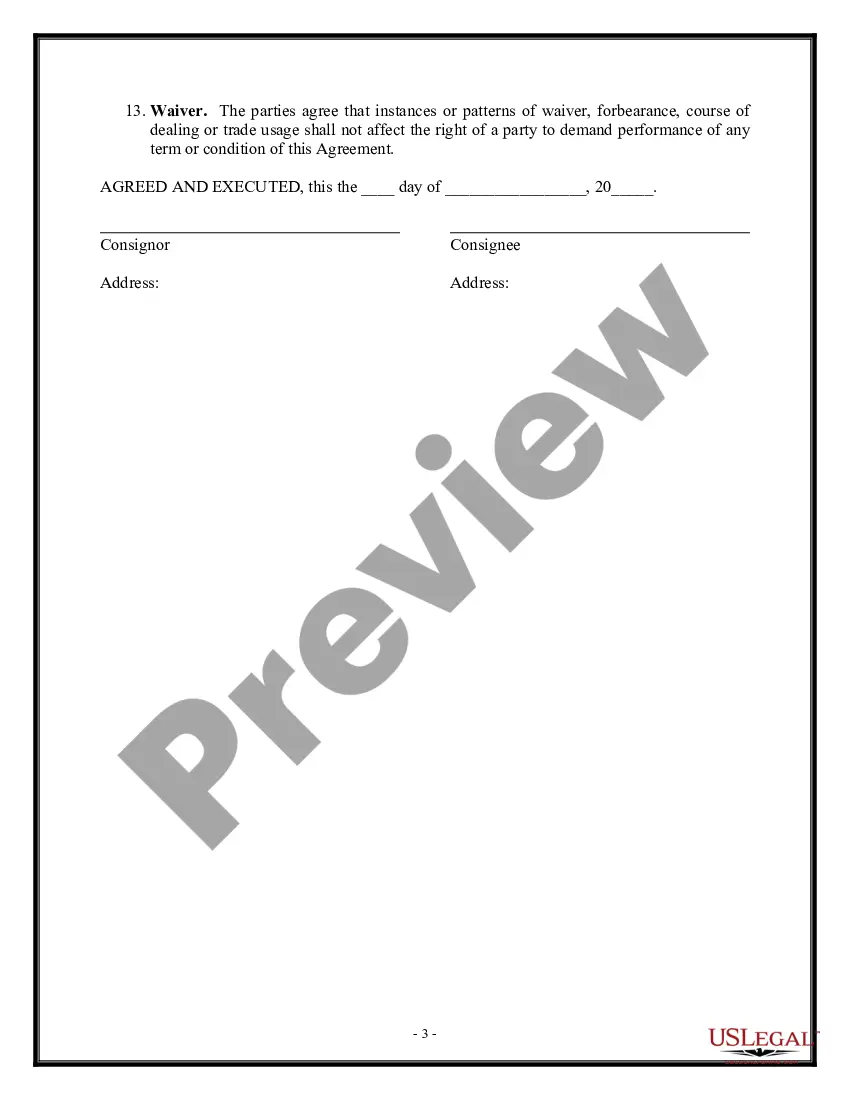
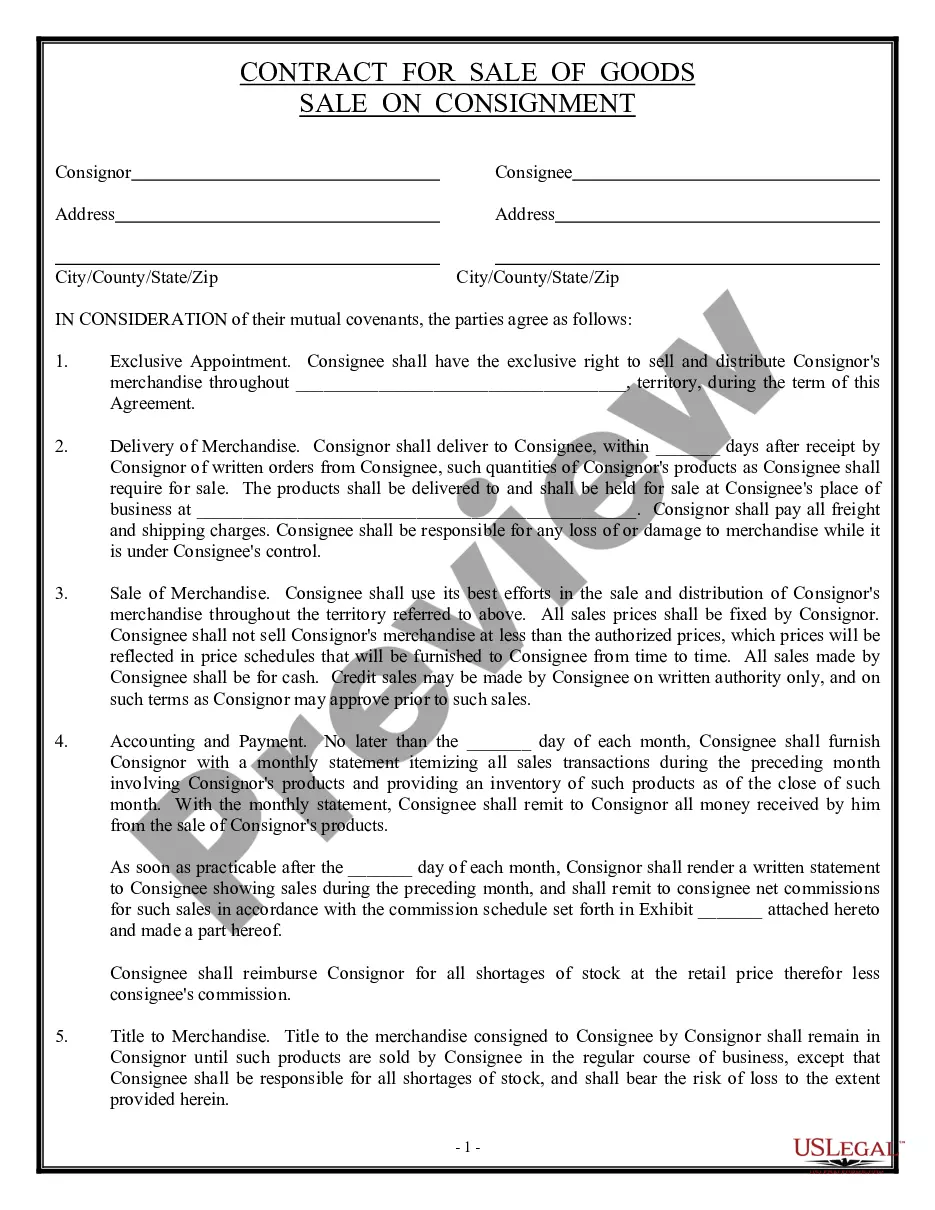
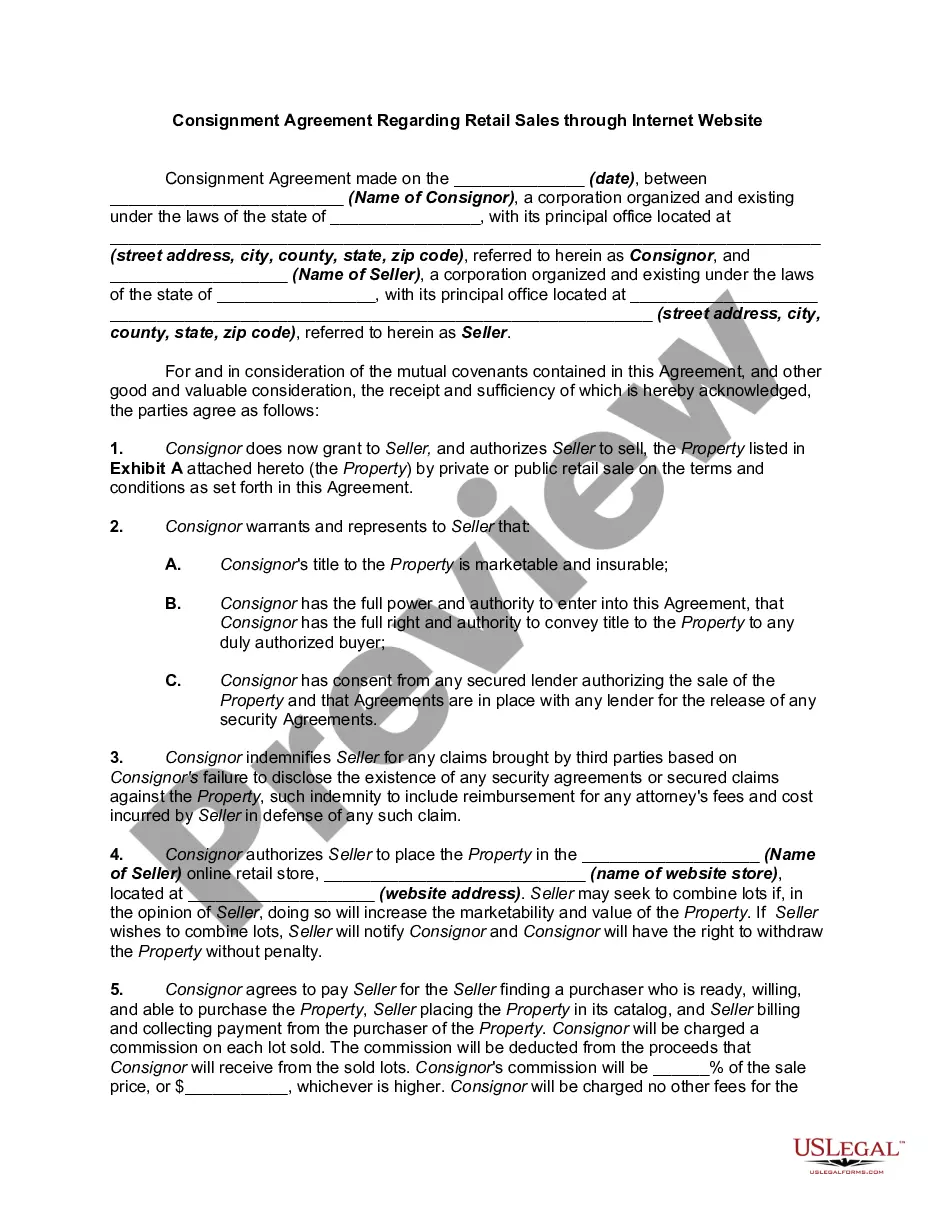
Get your form ready online
Our built-in tools help you complete, sign, share, and store your documents in one place.
Make edits, fill in missing information, and update formatting in US Legal Forms—just like you would in MS Word.
Download a copy, print it, send it by email, or mail it via USPS—whatever works best for your next step.
Sign and collect signatures with our SignNow integration. Send to multiple recipients, set reminders, and more. Go Premium to unlock E-Sign.
If this form requires notarization, complete it online through a secure video call—no need to meet a notary in person or wait for an appointment.
We protect your documents and personal data by following strict security and privacy standards.

Make edits, fill in missing information, and update formatting in US Legal Forms—just like you would in MS Word.

Download a copy, print it, send it by email, or mail it via USPS—whatever works best for your next step.

Sign and collect signatures with our SignNow integration. Send to multiple recipients, set reminders, and more. Go Premium to unlock E-Sign.

If this form requires notarization, complete it online through a secure video call—no need to meet a notary in person or wait for an appointment.

We protect your documents and personal data by following strict security and privacy standards.
Looking for another form?
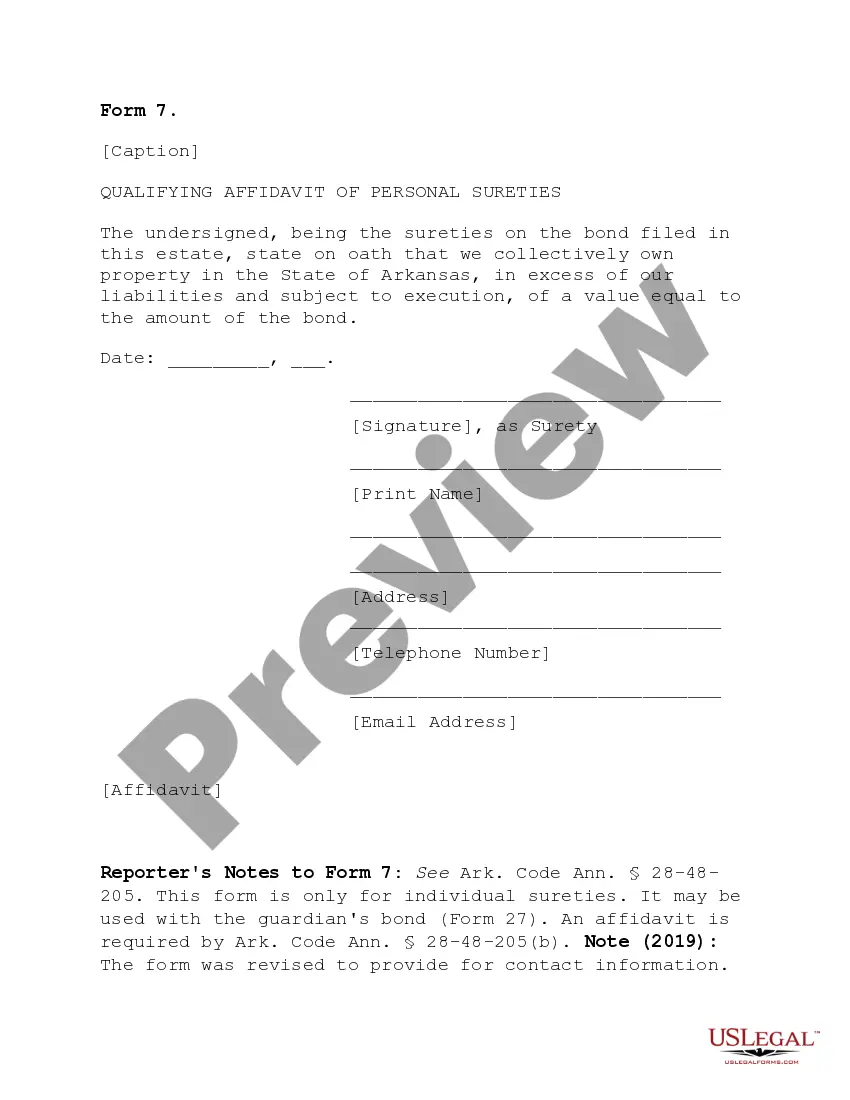
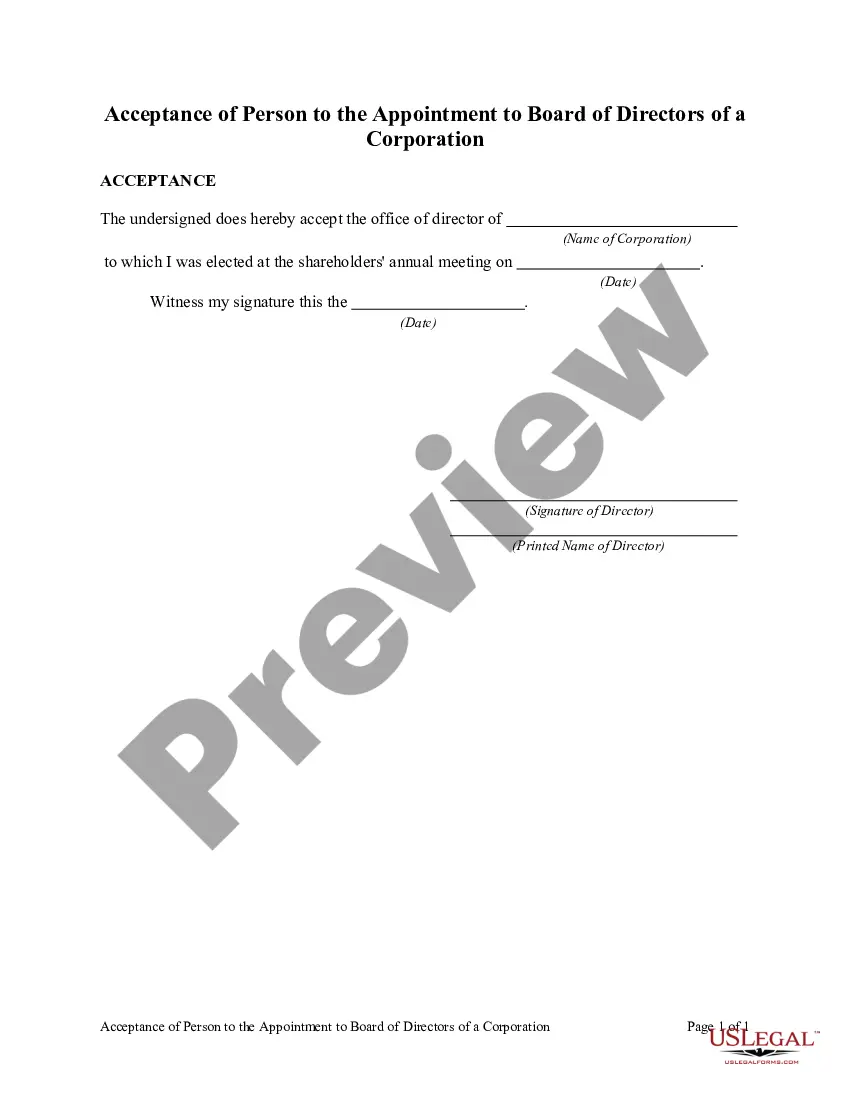



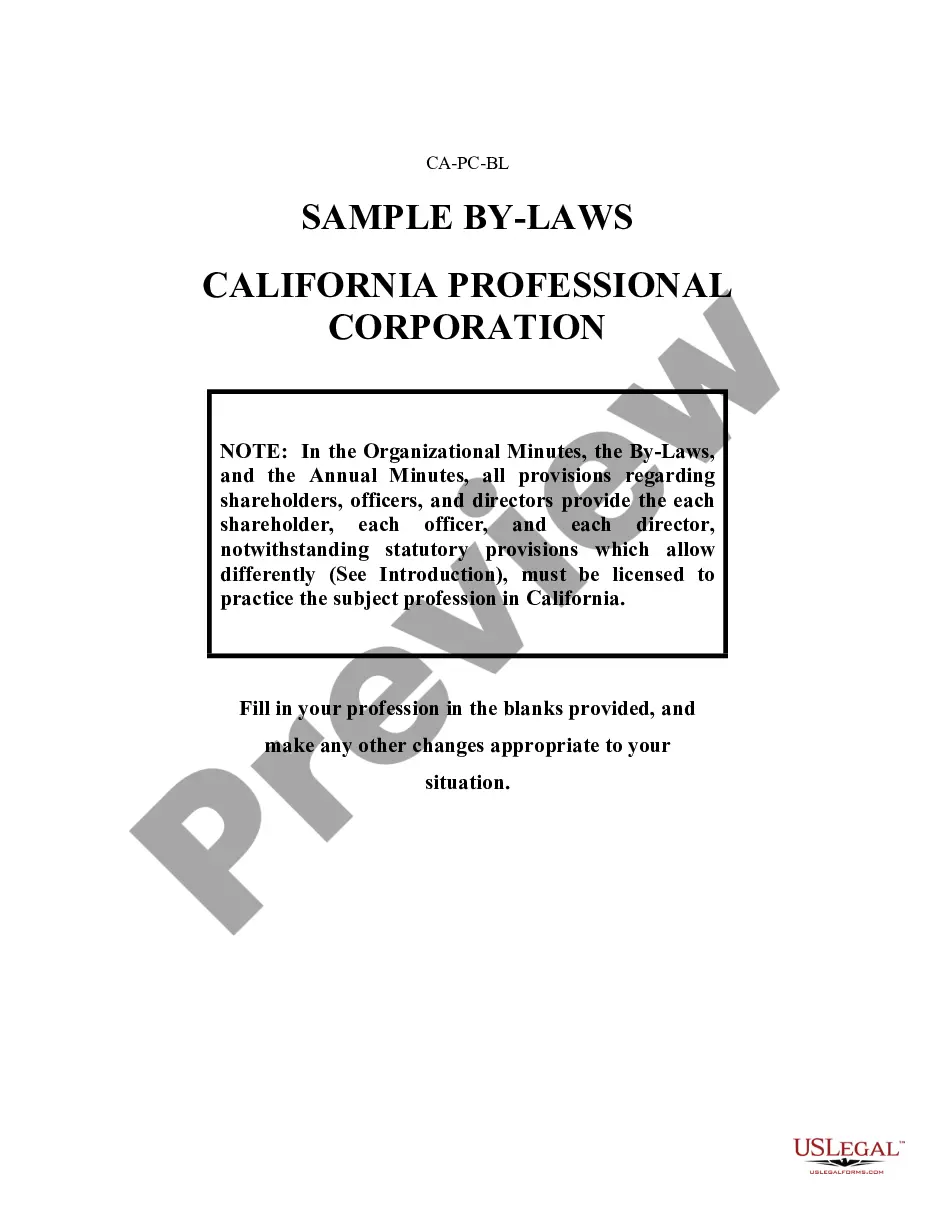
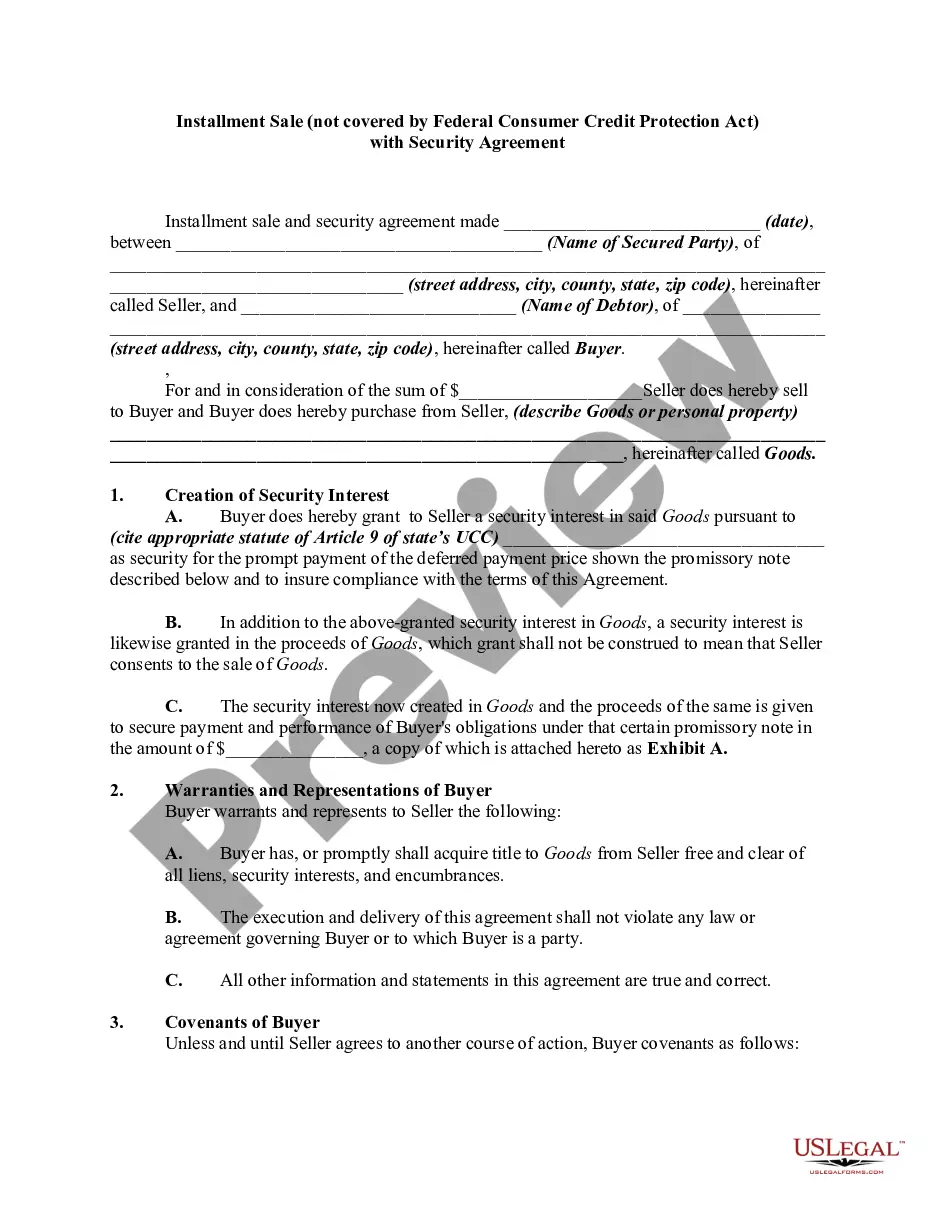
Form popularity
FAQ
The B3-3, or more commonly known as the B3, is a Canada Customs Coding Form that the Canada Border Services Agency (CBSA) uses for this purpose. When properly completed, the B3 contains all the information that will assist the CBSA to release the shipment. You can find a blank B3 here. Each field is numbered from 1-51.
This mandate is reflected in CBSA's motto: Protection, Service, and Integrity.
If you are returning to Canada by commercial aircraft, you will receive a Canada Border Services Agency (CBSA) Declaration Card to complete before you land. These cards are also used at some locations for travellers arriving by train, boat or bus.
The CBSA has issued a paper Form BSF243 (Y50): Reject Document Control to the importer or customs broker for shipments refused clearance through the Courier Low Value Shipment Program.
V This type is used by an importer/owner to voluntarily declare goods that entered Canada without official customs release. Note: If part of the shipment was released, the goods that were released must be accounted for using the applicable CAD type while the goods not released must be accounted for using the V type.
