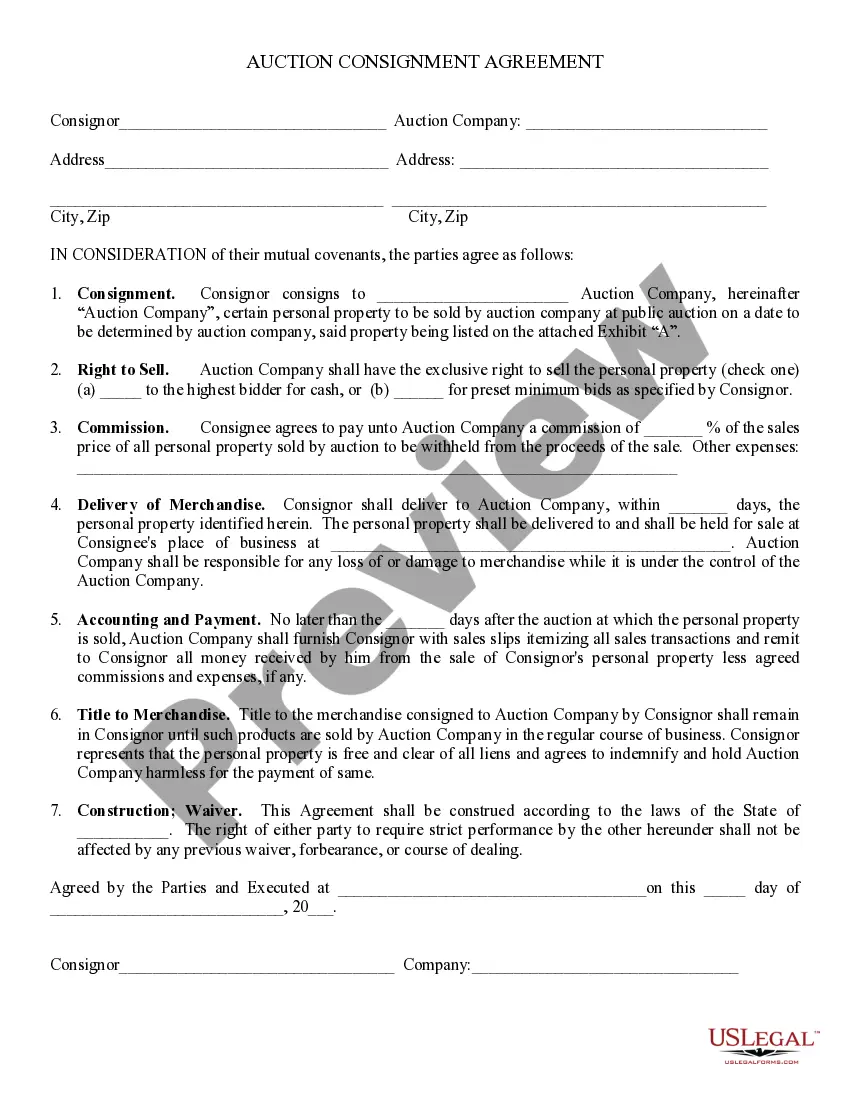
Consignment Account Example In Bexar
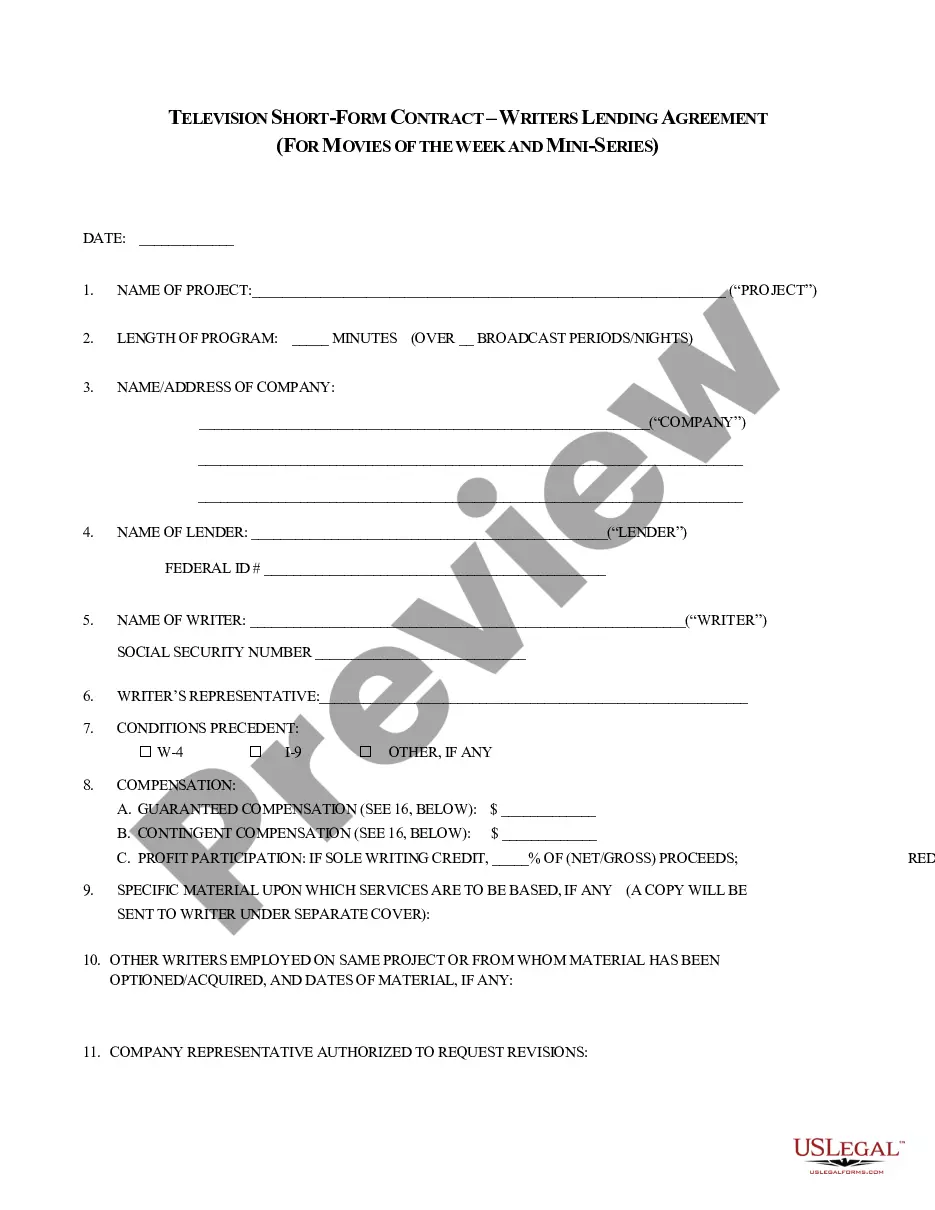
Description

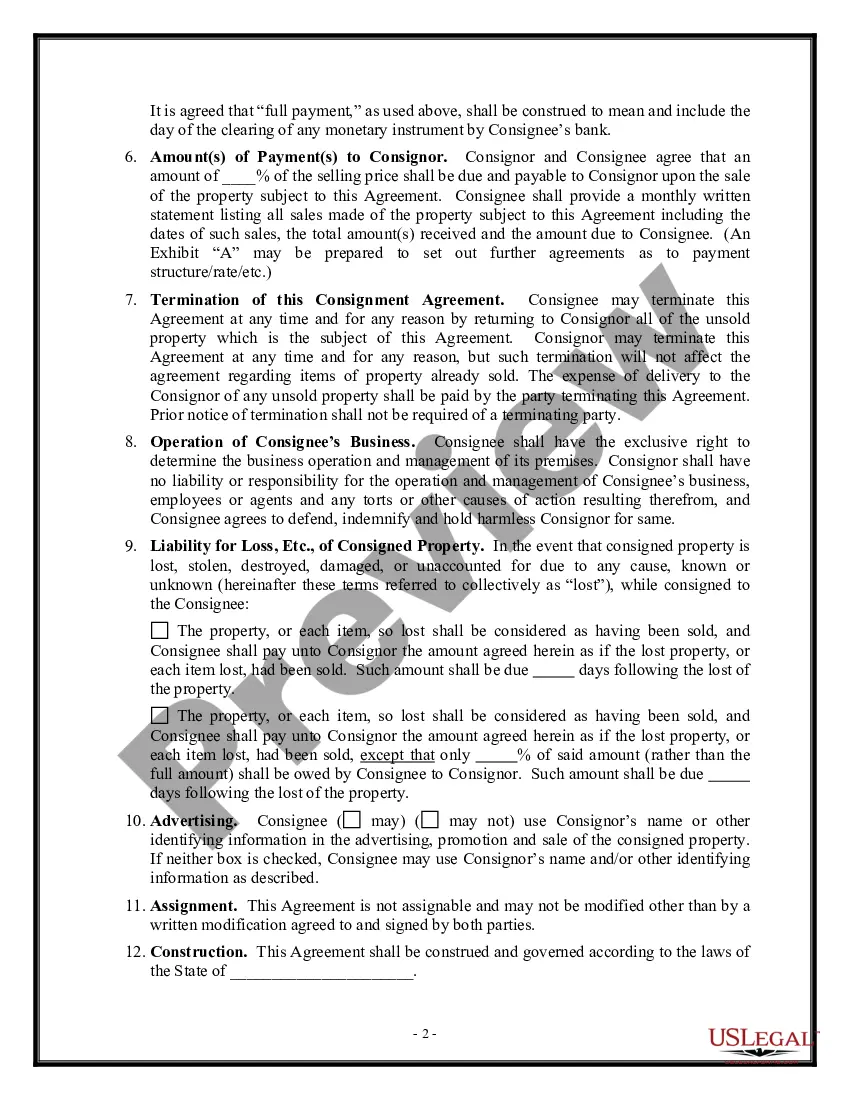
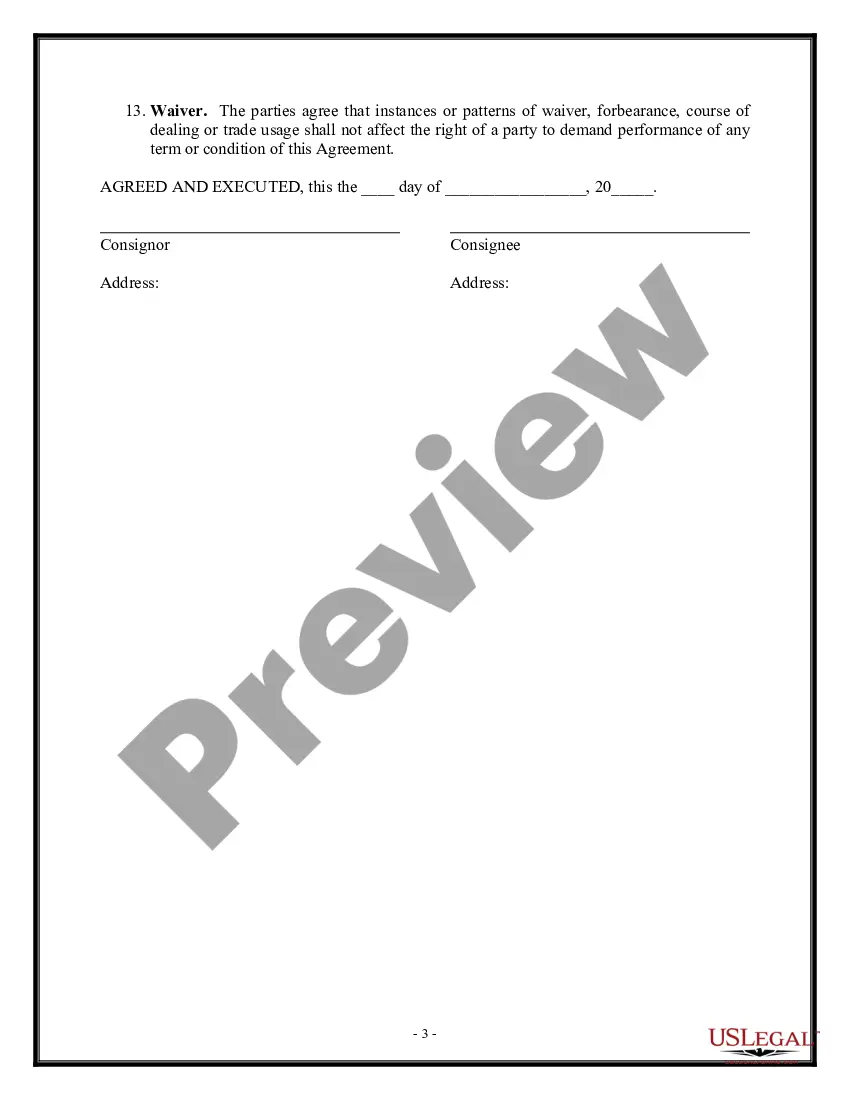
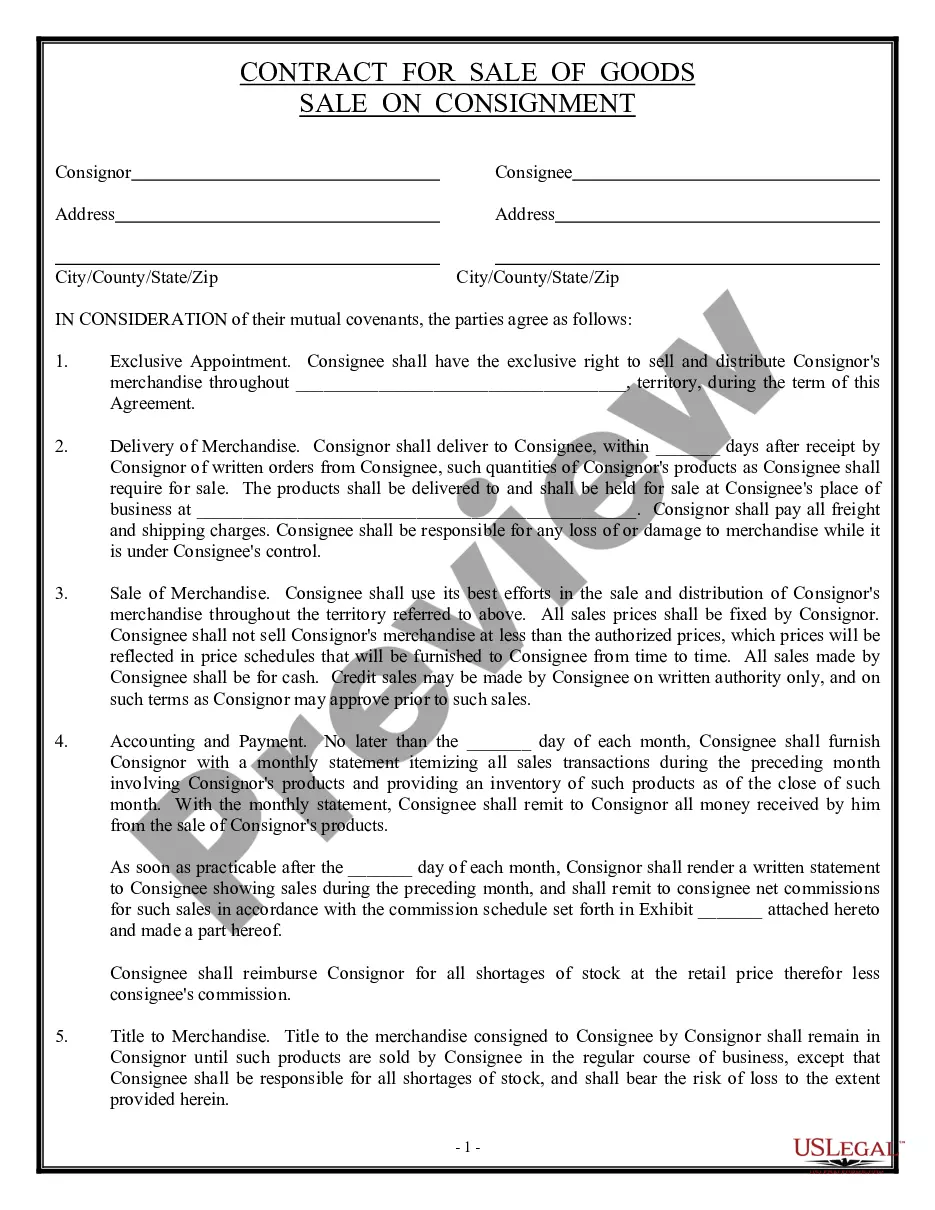
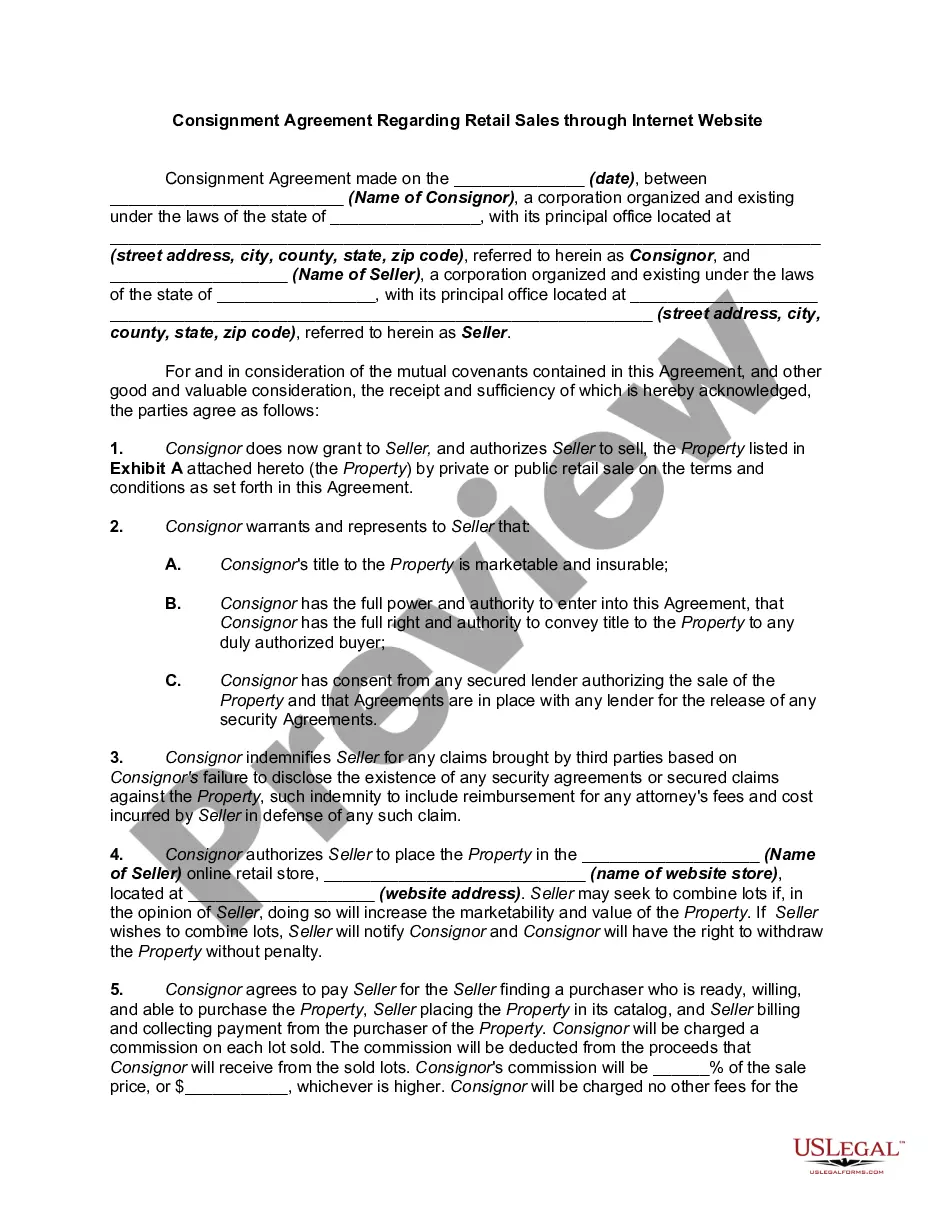
Get your form ready online
Our built-in tools help you complete, sign, share, and store your documents in one place.
Make edits, fill in missing information, and update formatting in US Legal Forms—just like you would in MS Word.
Download a copy, print it, send it by email, or mail it via USPS—whatever works best for your next step.
Sign and collect signatures with our SignNow integration. Send to multiple recipients, set reminders, and more. Go Premium to unlock E-Sign.
If this form requires notarization, complete it online through a secure video call—no need to meet a notary in person or wait for an appointment.
We protect your documents and personal data by following strict security and privacy standards.

Make edits, fill in missing information, and update formatting in US Legal Forms—just like you would in MS Word.

Download a copy, print it, send it by email, or mail it via USPS—whatever works best for your next step.

Sign and collect signatures with our SignNow integration. Send to multiple recipients, set reminders, and more. Go Premium to unlock E-Sign.

If this form requires notarization, complete it online through a secure video call—no need to meet a notary in person or wait for an appointment.

We protect your documents and personal data by following strict security and privacy standards.
Looking for another form?

Form popularity
FAQ
The Texas Property Tax Code requires that all property is taxable unless the State Legislature has passed laws to exempt it. Houses, mobile homes, lots, acreage, commercial buildings, apartments, oil and gas reserves, industrials, utilities and business inventory and equipment are all taxable.
No. Simply paying property taxes for a piece of real estate is not enough to establish ownership under Texas law. This is a common myth, but someone cannot take your property by paying the taxes in Texas. Rather, the best indication of ownership is often “clear title,” regardless of who pays the taxes.
Ing to the Comptroller, there is no provision for the cessation of property taxes at any stage. However, there is a Texas property tax exemption for people over the age of 65, which offers temporary tax relief for seniors. At the age of 65, seniors can apply for an exemption from Texas property taxes.
A rendition is a report that lists all the taxable property you owned or controlled on Jan. 1 of this year. Property includes inventory and equipment used by a business. Owners do not have to render exempt property, such as church property or an agriculture producer's equipment used for farming.
A person is entitled to an exemption from taxation of the tangible personal property that is held or used for the production of income if it has less than $2,500 of taxable value (Tax Code Section 11.145).
Meaning of consignment account in English an account for goods that is sent to a person or company that is not the owner but is responsible for selling them or returning them to the owner if they are not sold: The value of the goods that are sent on consignment are charged to the consignment account.
A consignment is an agreement between the owner of goods and the consignor. The consignee stores and sells goods on behalf of the consignor and earns a profit. A sale, on the other hand, is a simple transaction, with goods being traded between two parties.
The consignor prepares the consignment Account, the Goods Sent on Consignment Account and the Consignee's Account in his books, whereas the consignee prepares the Consignor's Account and the Commission Account in his books.
Consignment is a type of contract in which the consignor delivers the goods to the consignee for sale . The consignee takes care of the goods and sells them. Until the goods are sold, the consignor does not lose ownership of the goods. After the sale, the consignee pays the consignor a certain amount of sale proceeds.
Consignment is a process whereby a person gives permission to another party to take care of their property while retaining full ownership of the property until the item is sold to the final buyer.
