Consignment Agreement Template With Price In Arizona
Description

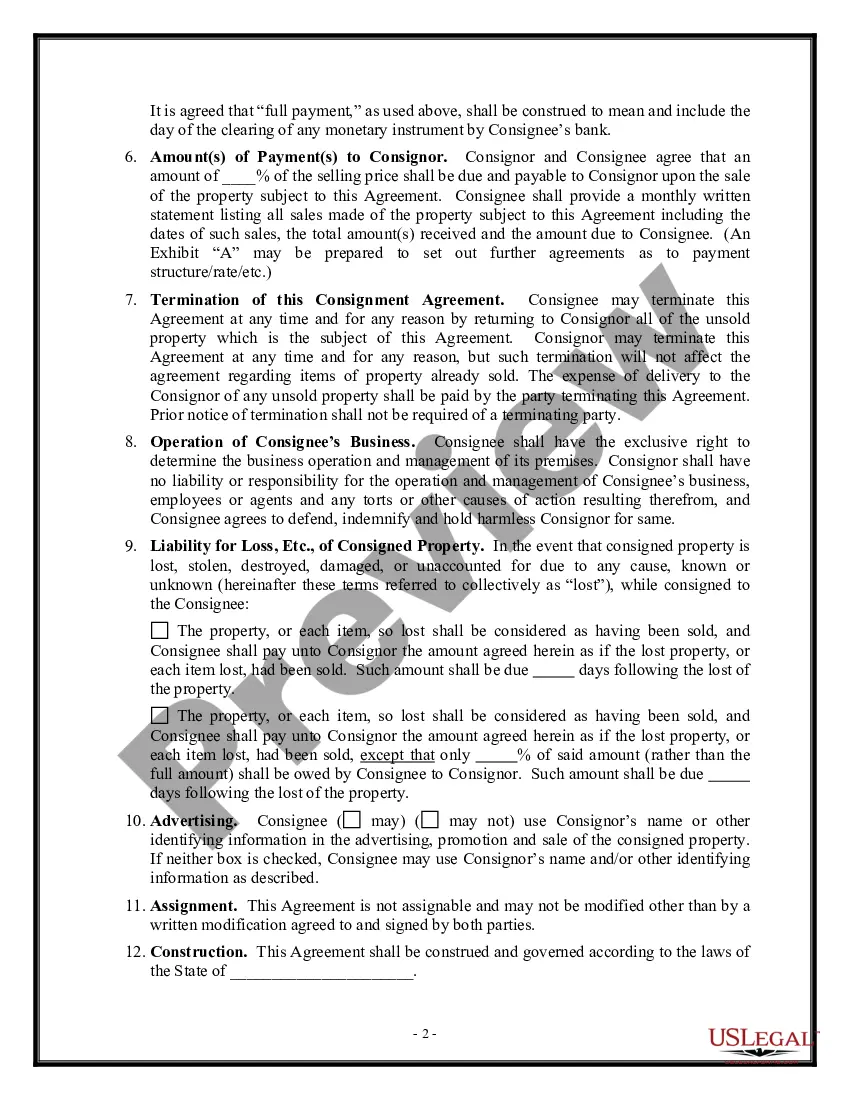
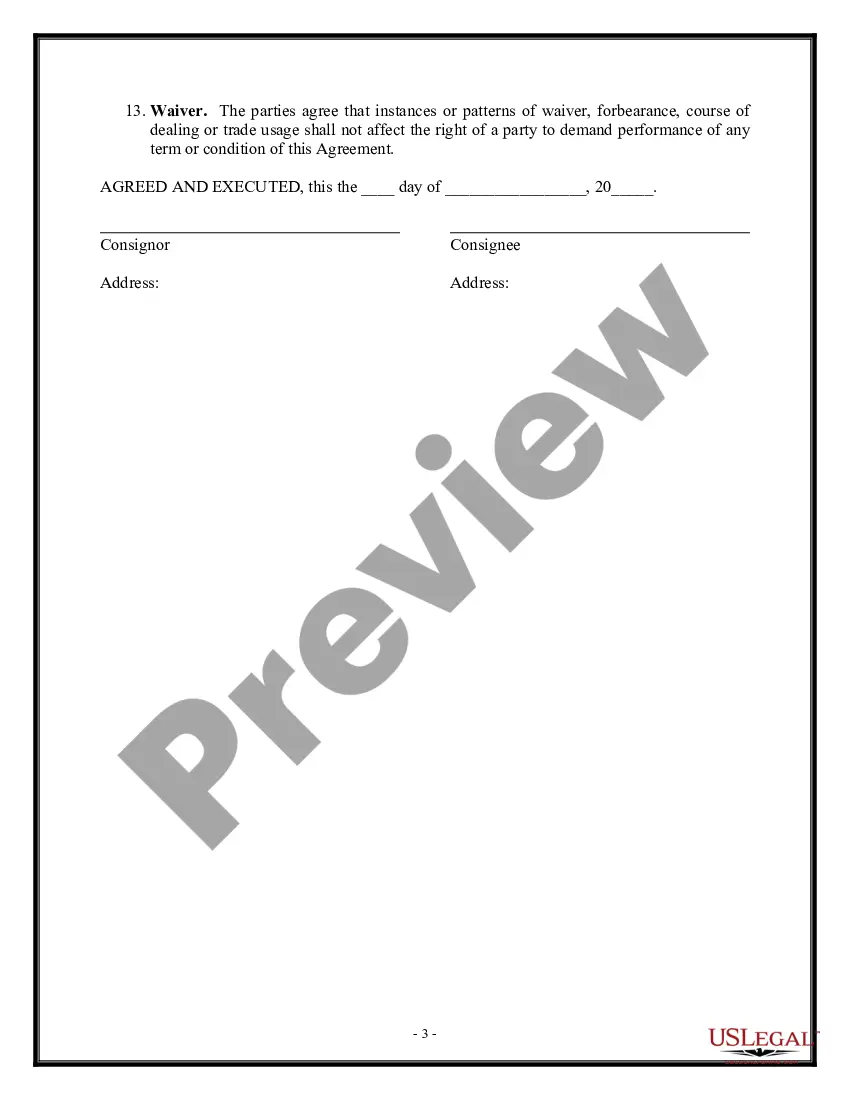
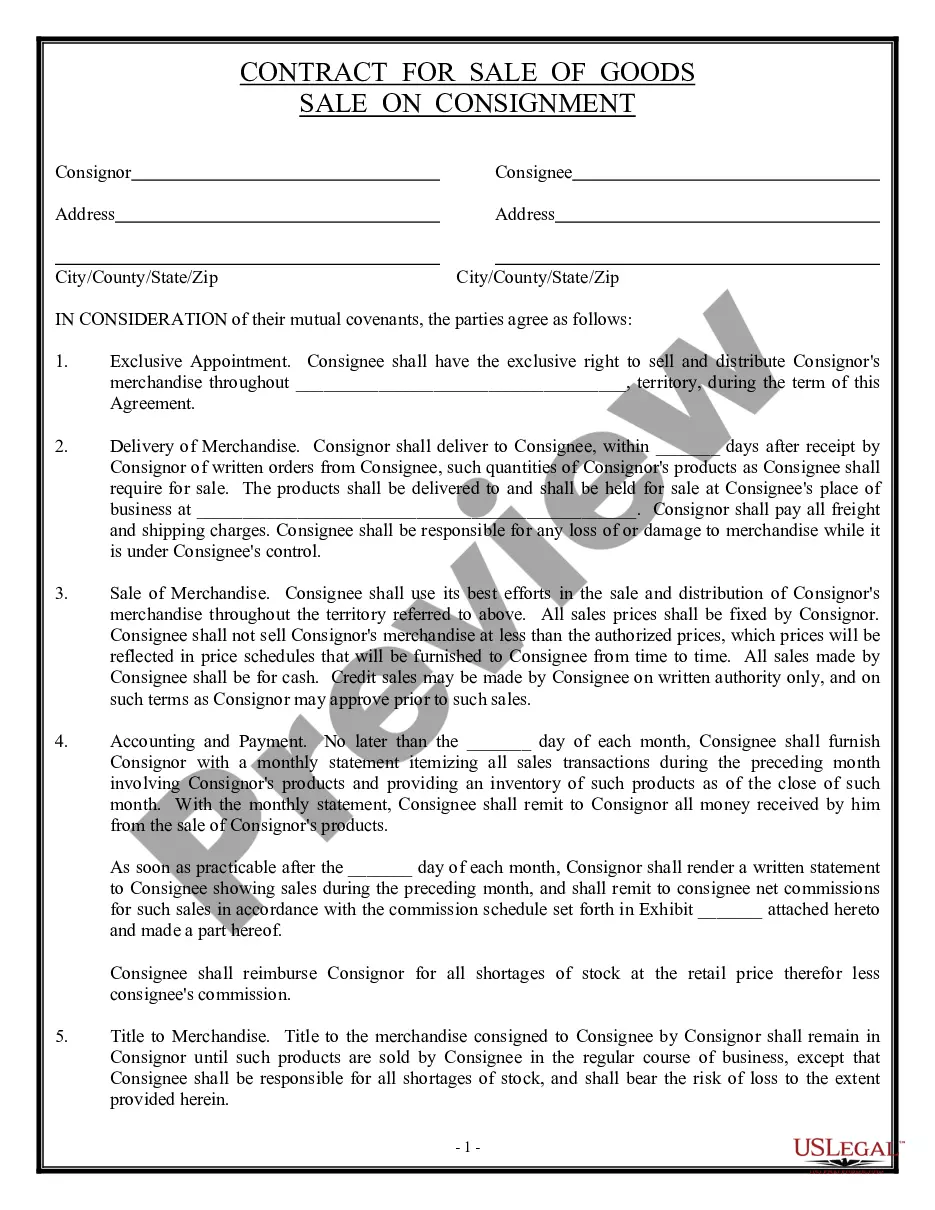
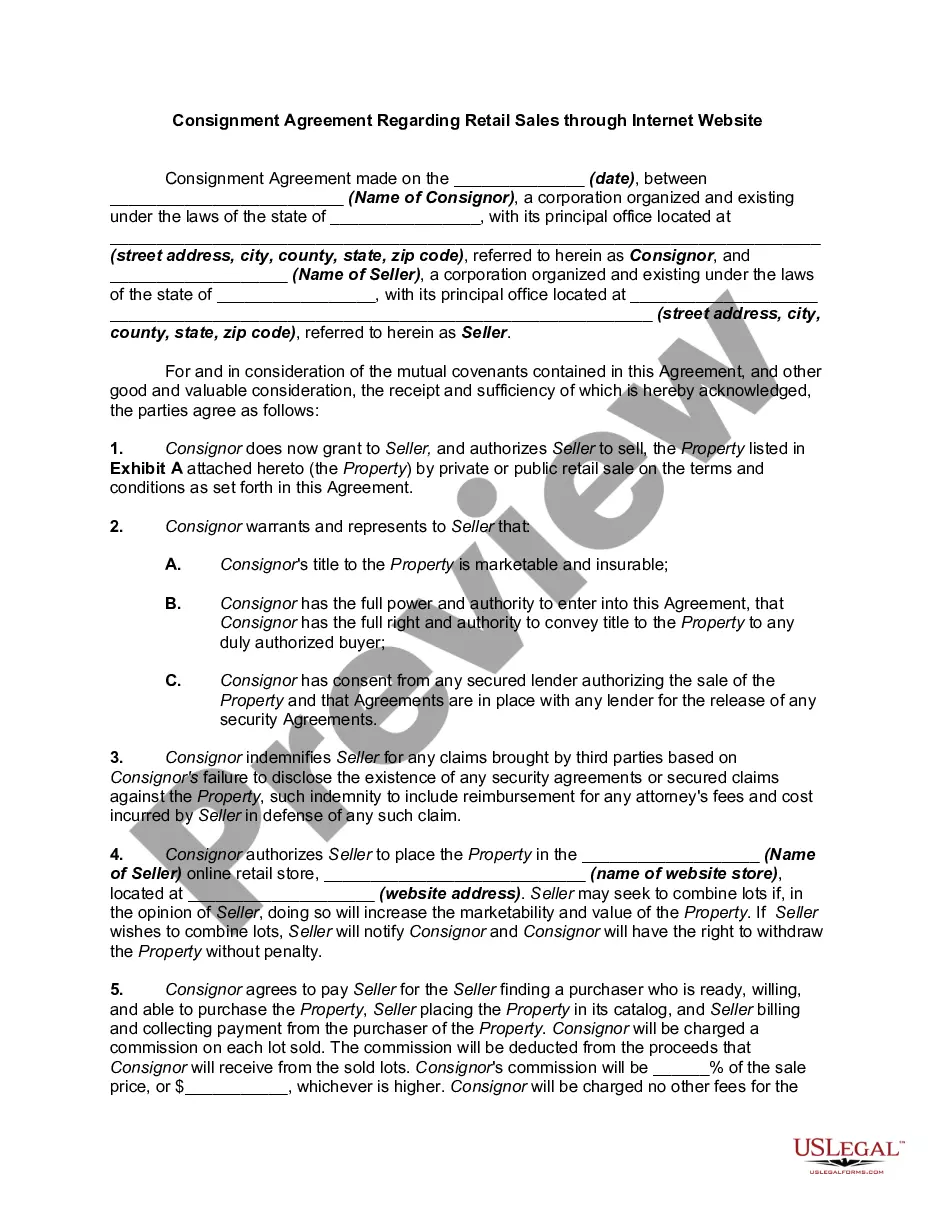
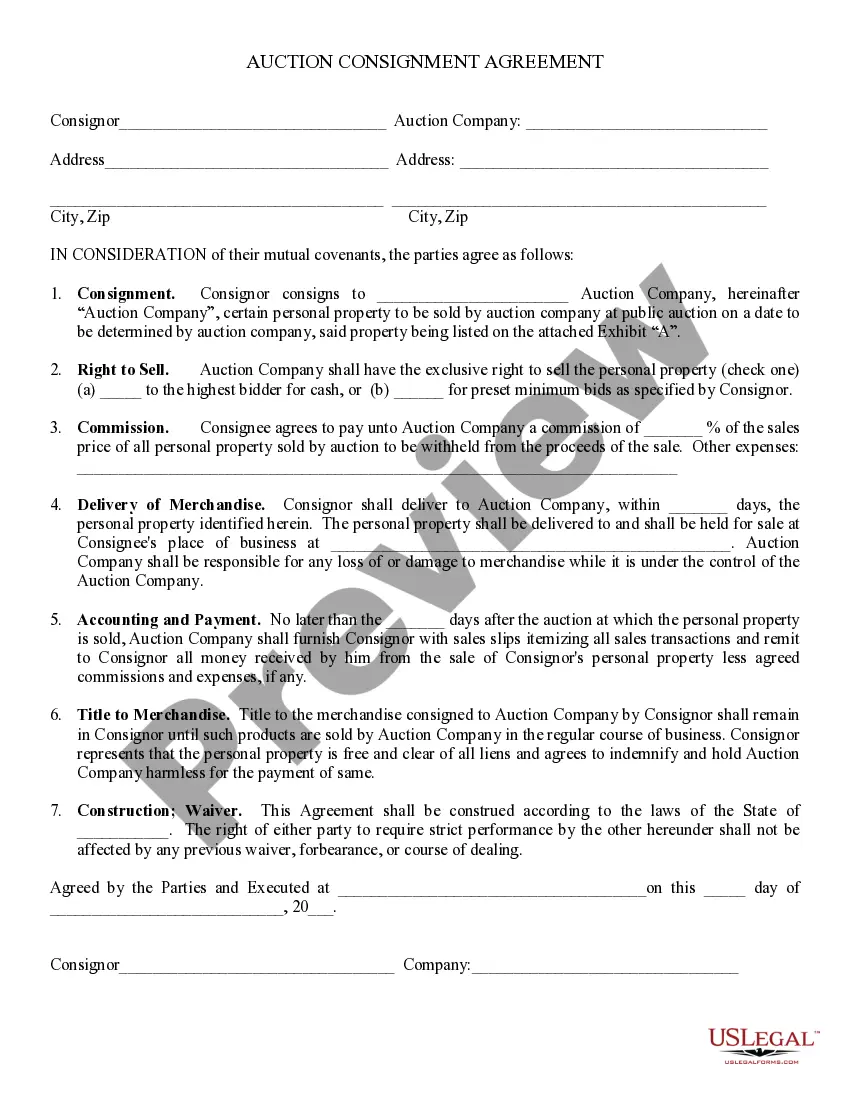
Get your form ready online
Our built-in tools help you complete, sign, share, and store your documents in one place.
Make edits, fill in missing information, and update formatting in US Legal Forms—just like you would in MS Word.
Download a copy, print it, send it by email, or mail it via USPS—whatever works best for your next step.
Sign and collect signatures with our SignNow integration. Send to multiple recipients, set reminders, and more. Go Premium to unlock E-Sign.
If this form requires notarization, complete it online through a secure video call—no need to meet a notary in person or wait for an appointment.
We protect your documents and personal data by following strict security and privacy standards.

Make edits, fill in missing information, and update formatting in US Legal Forms—just like you would in MS Word.

Download a copy, print it, send it by email, or mail it via USPS—whatever works best for your next step.

Sign and collect signatures with our SignNow integration. Send to multiple recipients, set reminders, and more. Go Premium to unlock E-Sign.

If this form requires notarization, complete it online through a secure video call—no need to meet a notary in person or wait for an appointment.

We protect your documents and personal data by following strict security and privacy standards.
Looking for another form?


Form popularity
FAQ
How to Write a Consignment Agreement Parties Involved: Names and contact information of the consignor and the consignee. Consigned Goods: Detailed description of the goods being consigned, including quantities and specifications. Consignment Period: Duration of the consignment arrangement.
This kind of arrangement is called Consignment. Definition. The contract or an agreement of sending several goods by the producers or manufacturers of a place to their agents for the sale is known as a consignment. Types of Consignment. Outward Consignment. Inward Consignment. Consignment Processing. Sale. Features of a Sale.
The following instructions will help you understand the terms of your consignment agreement. Introduction of parties. Recitals. Consigned property. Delivery of goods. Consignment period. Efforts to sell. Title to products. Payment terms and commission.
The different document types used in the consignment process are KB for consignment fillup, KE for consignment issue, KR for consignment return, and KA for consignment pickup.
The consignor is entitled to receive all the expenses in connection with consignment. The consignee is not responsible for damage of goods during transport or any other procedure. Goods are sold at the risk of the consignor with profit or loss belonging to the consignor only.
Consignment account is a Nominal account. It is in fact special Trading and Profit and Loss account and therefore its balance shows the Profit and Loss made on particular consignment. Here its nature is nominal account because all expenses and the transactions relating to trading and sales is been recorded over here.
There are several types of consignees in logistics: Ultimate consignee. The final recipient of the goods, often the buyer or end-user. Intermediate consignee. An entity that receives the shipment temporarily before forwarding it to the ultimate consignee. Notify party.
The two types of consignment are: Outward Consignment: When goods are sent from one country to another for sale, the consignment is called outward consignment. Inward Consignment: When the goods are sold domestically for sale then it is called inward consignment. X Sent some goods to Y for sale.
While rates will vary from one consignment agreement to another, the industry average is around 60% for the product owner/maker and 40% for the shop owner. Keep in mind that it is possible for the consignor to negotiate even more favorable terms than those outlined above.
Now that you know what consignment is, here's how to calculate consignment inventory. Step 1: Establish a Listing of Your Inventory of Consignment Products. Step 2: Subtract the Seller's or Shipper's Portion of the Consignment Product Sold. Step 3: Update the Inventory After the Sale.
