Photo Release Consent Form For Minors In Riverside
Description
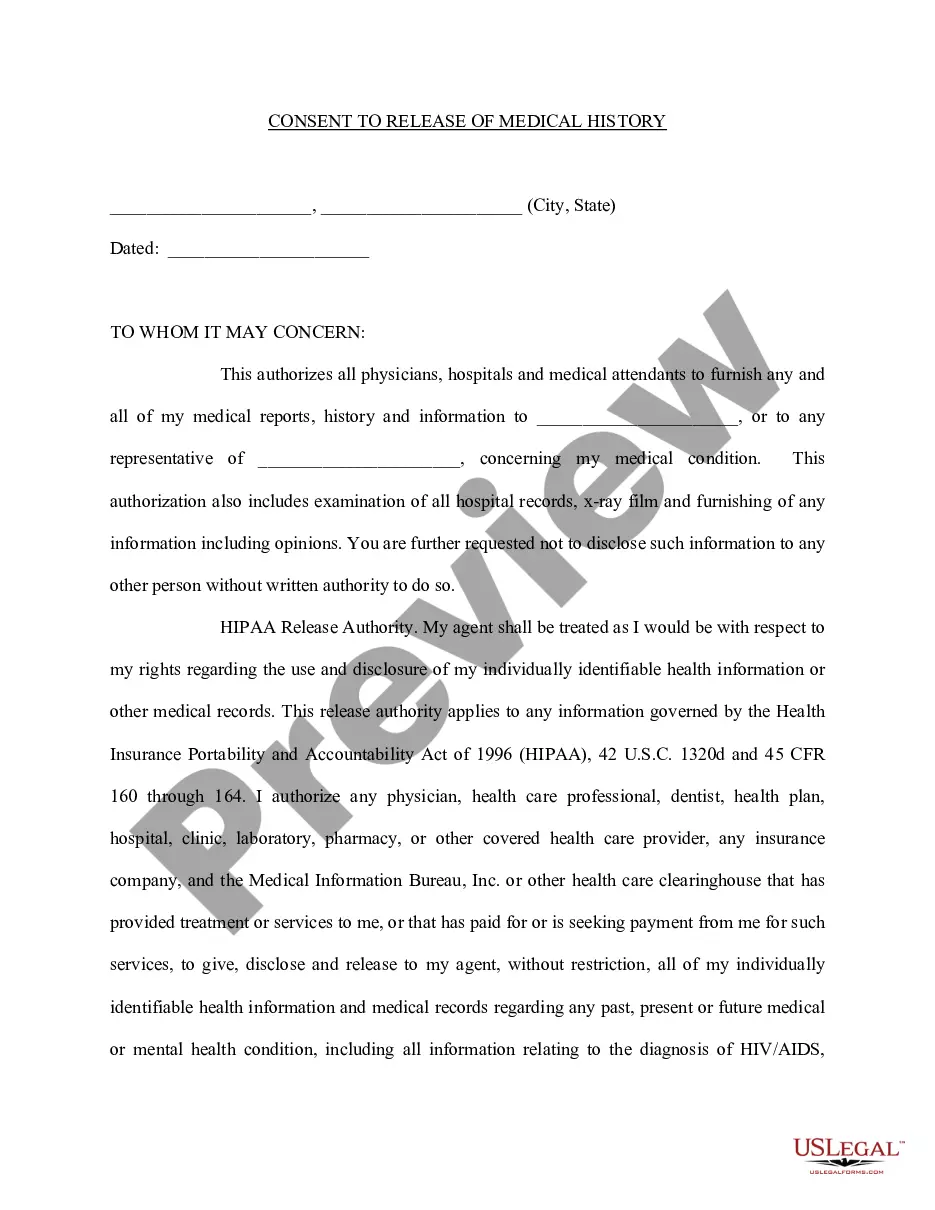

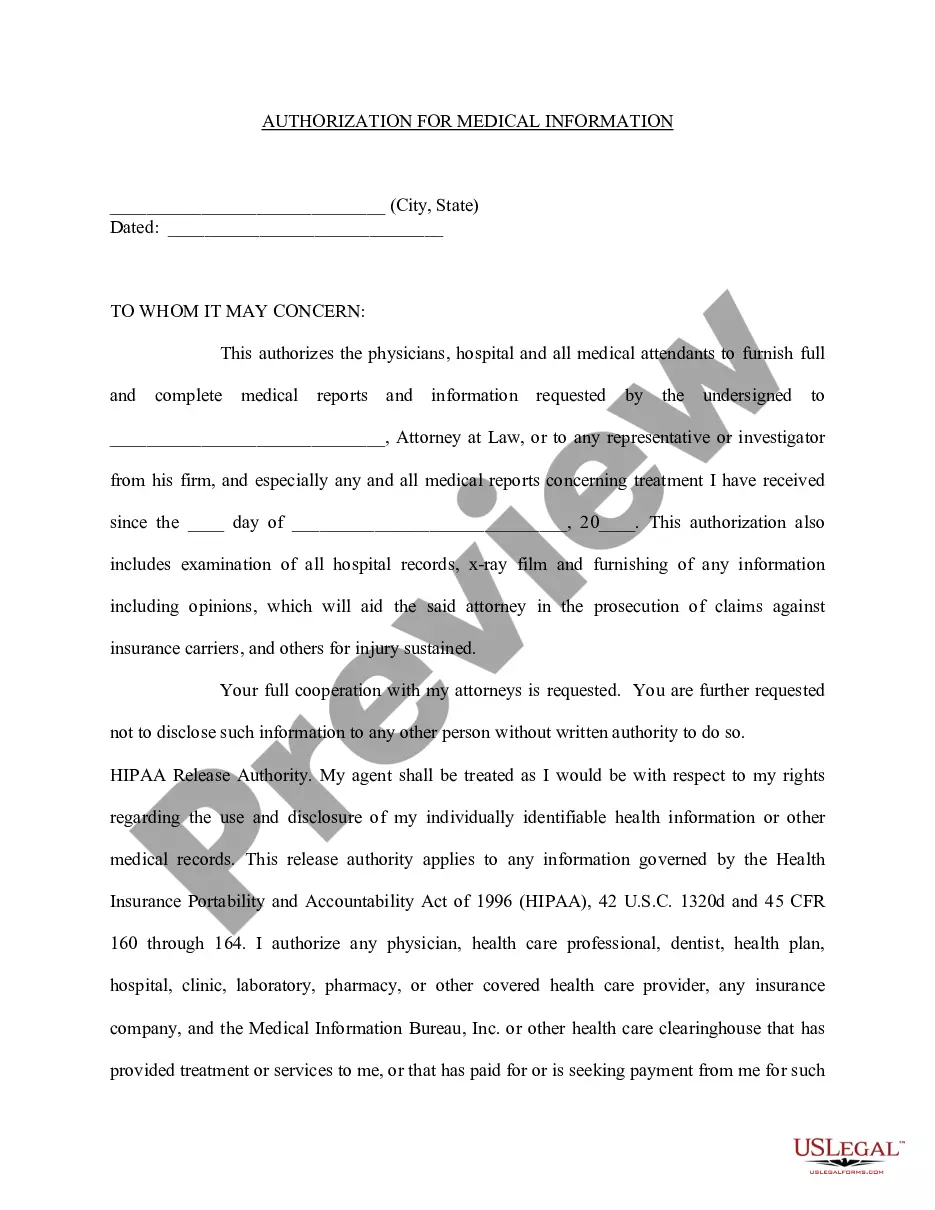
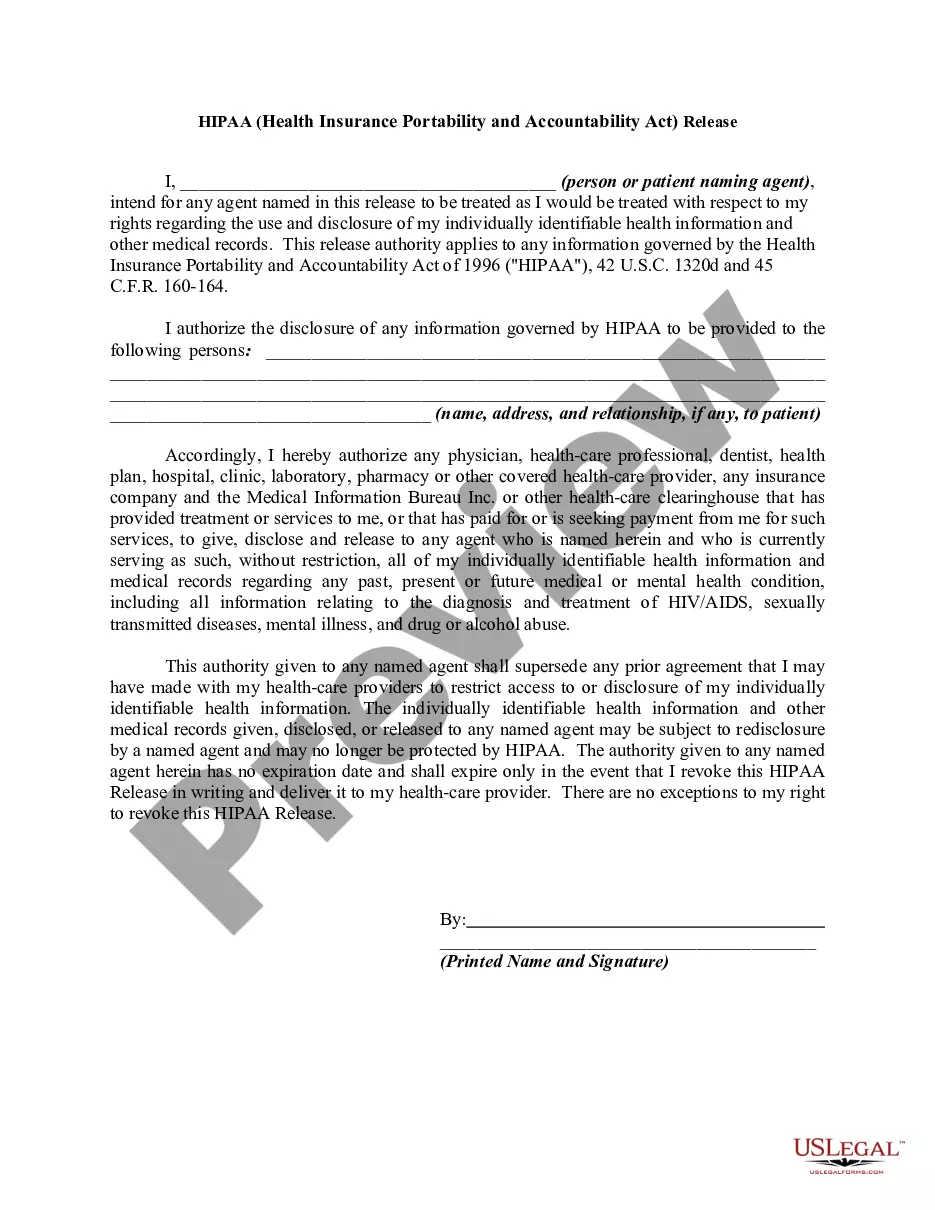
Get your form ready online
Our built-in tools help you complete, sign, share, and store your documents in one place.
Make edits, fill in missing information, and update formatting in US Legal Forms—just like you would in MS Word.
Download a copy, print it, send it by email, or mail it via USPS—whatever works best for your next step.
Sign and collect signatures with our SignNow integration. Send to multiple recipients, set reminders, and more. Go Premium to unlock E-Sign.
If this form requires notarization, complete it online through a secure video call—no need to meet a notary in person or wait for an appointment.
We protect your documents and personal data by following strict security and privacy standards.

Make edits, fill in missing information, and update formatting in US Legal Forms—just like you would in MS Word.

Download a copy, print it, send it by email, or mail it via USPS—whatever works best for your next step.

Sign and collect signatures with our SignNow integration. Send to multiple recipients, set reminders, and more. Go Premium to unlock E-Sign.

If this form requires notarization, complete it online through a secure video call—no need to meet a notary in person or wait for an appointment.

We protect your documents and personal data by following strict security and privacy standards.
Looking for another form?








Form popularity
FAQ
Gaining consent to take, use and share photos and videos of children. Children should always be consulted about the use of their photo or video and give consent to it being taken, used or shared. For young people under 16, you should also get parental consent before taking a photo or video.
Applied to photography, it means that people have the right to decide whether or not they want to be photographed. A good way to ensure that we are respecting a person's right to autonomy is by asking for consent.
Whether you're creating film, audio, digital, or other media production, if you're using talent under 18, you must ensure you have their and their guardian's permission. A talent release for a minor clarifies creator and talent rights and details what uses of their voice and image the talent permits—and prohibits.
As images are shared more and more, there is a good chance that a picture of you could be posted without your consent or knowledge. If you took the photo, you usually own it. But, if you didn't take the photo but you are in it, someone could breach your rights (such as data protection or privacy rights) by posting it.
I give permission to take photographs and / or video of my child. I grant full rights to use the images resulting from the photography/video filming, and any reproductions or adaptations of the images for fundraising, publicity or other purposes to help achieve the group's aims.
An injunction is a court order to stop doing something. So, you can file for an injunction in court regarding her posting pictures of your children. This is more difficult and costly than Small Claims, so you would want an attorney's assistance.
How to write a photo release form Name and address of releasor, or person being photographed. Name and address of releasee, or your or your company's name. Releasor's consent for you to use their image in digital form or in print-based media.
The purpose of this consent form is to give you the information you will need to help you decide whether or not your child should participate in the study.
In order to comply with legal requirements, OnlyFans mandates that Creators get signed release forms from anyone who appears or is heard in their content. These forms confirm that the Creators have the necessary consent to produce and use the content commercially, especially when featuring their co-stars.
However, photo releases should contain the following components: Names. Names of both parties should be included in a photo release to properly identify who is either granting or receiving permission to use the photos. Terms. Description of the shoot. Agreement statement. Dated signature.
